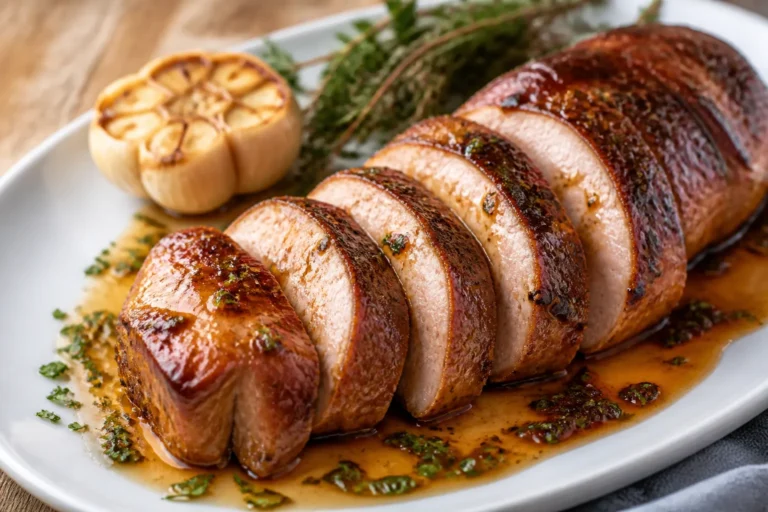
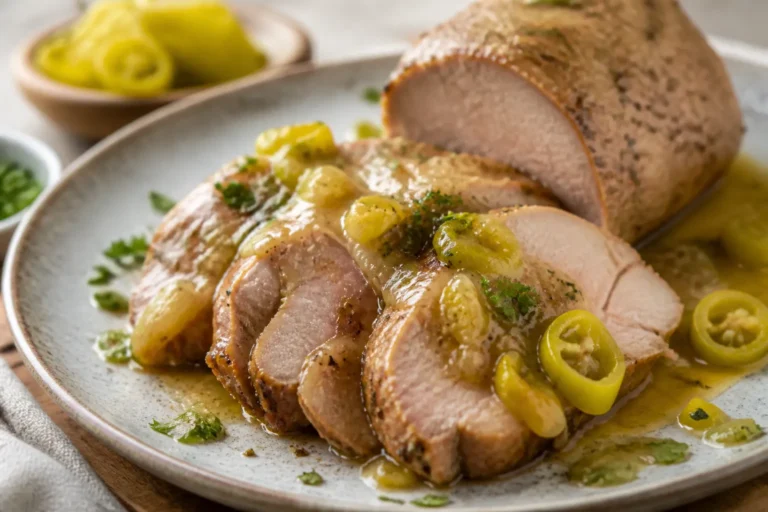
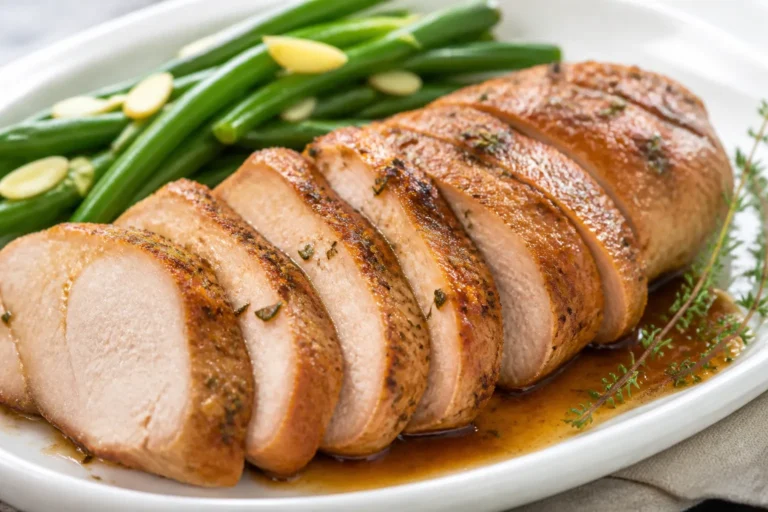
Pork Tenderloin Medallions With Garlic Sauce – A Weeknight-Friendly Classic
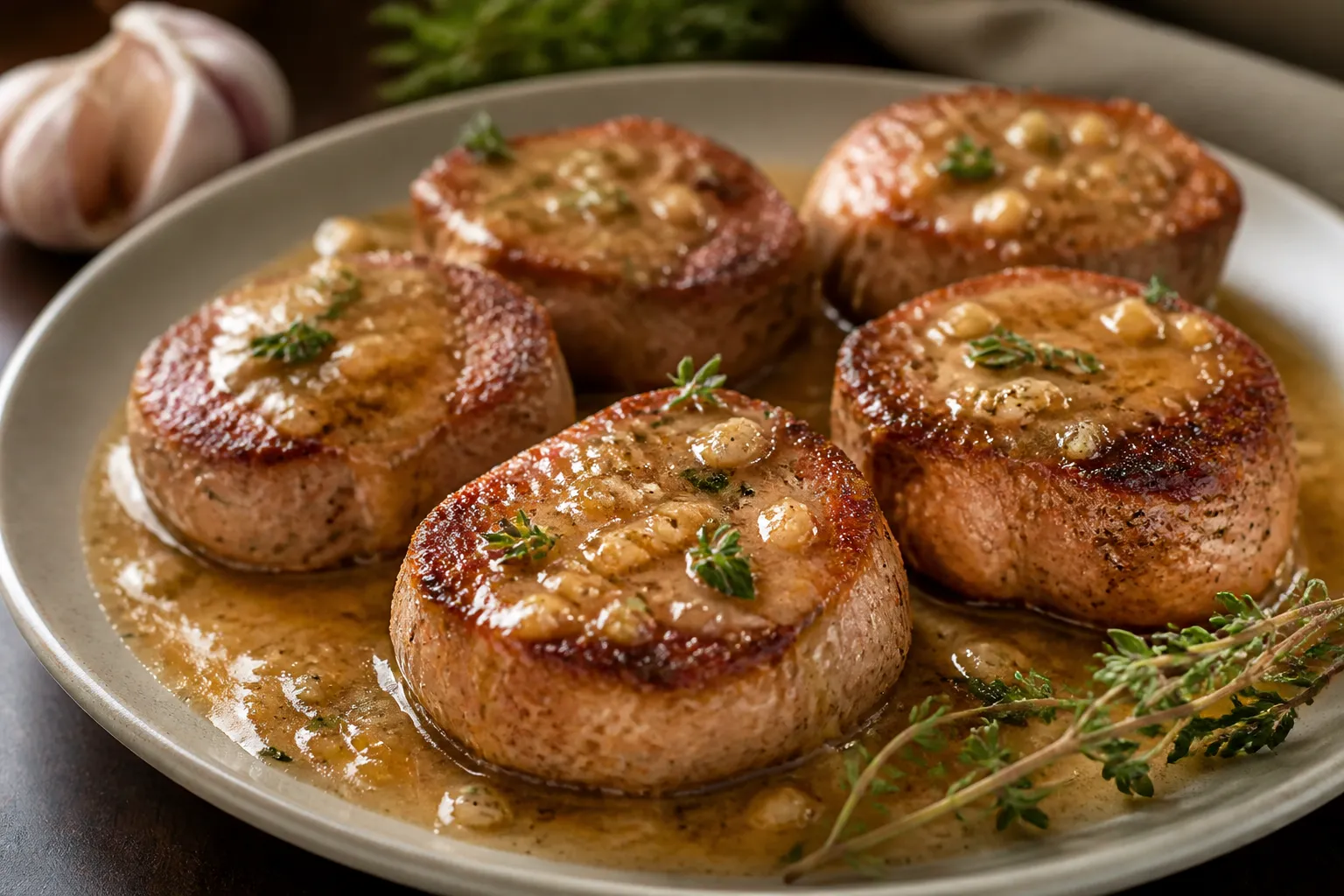
Pork tenderloin medallions cook fast, stay tender, and feel a little special without much effort. Paired with a silky garlic sauce, this dish strikes the right balance of comfort and elegance. It’s the kind of recipe you can pull together on a weeknight yet still serve proudly to guests.
FREE 7-Day Easy Dinner Reset
Save time, eat healthier, and take the stress out of dinner. Get a full week of easy healthy dinners delivered straight to your inbox.
Everything happens in one pan, and the ingredients are simple. If you love rich flavor without heavy prep, this is a dependable go-to.
Ingredients
Method
- Prep the pork. Pat the tenderloin dry with paper towels. Slice into 1-inch-thick medallions. Lightly press each piece to an even thickness, about 3/4 inch, so they cook evenly. Season both sides with 1 tsp salt, 1/2 tsp pepper, and the smoked paprika if using.
- Preheat your pan. Heat a large skillet (stainless steel or cast iron works best) over medium-high heat. Add the olive oil and let it get hot until it shimmers.
- Sear the medallions. Place the pork in the pan in a single layer without crowding. Sear for 2–3 minutes per side until deeply browned. The internal temperature should reach about 140–145°F for juicy, slightly pink centers. Transfer to a plate and tent loosely with foil.
- Lower the heat and bloom the garlic. Reduce heat to medium-low. Add a small splash of oil or a knob of butter if the pan looks dry. Add the minced garlic and cook, stirring, for 30–45 seconds until fragrant. Do not brown the garlic or it will turn bitter.
- Deglaze. Pour in the chicken stock (or wine). Scrape up the browned bits with a wooden spoon. Let it simmer for 1–2 minutes to slightly reduce and concentrate the flavor.
- Build the sauce. Stir in the cream and Dijon. Simmer gently for 2–3 minutes, stirring often, until the sauce thickens enough to coat the back of a spoon. Season with the remaining 1/2 tsp salt and 1/4 tsp pepper, then add the lemon juice to brighten.
- Finish and return the pork. Whisk in the butter to give the sauce a glossy finish. Return the medallions and any juices to the pan. Simmer on low for 1–2 minutes to warm through. Taste and adjust seasoning—add a pinch more salt or a splash more lemon if needed.
- Garnish and serve. Sprinkle with chopped parsley or chives. Serve immediately with mashed potatoes, rice, roasted vegetables, or a simple green salad.
What Makes This Special
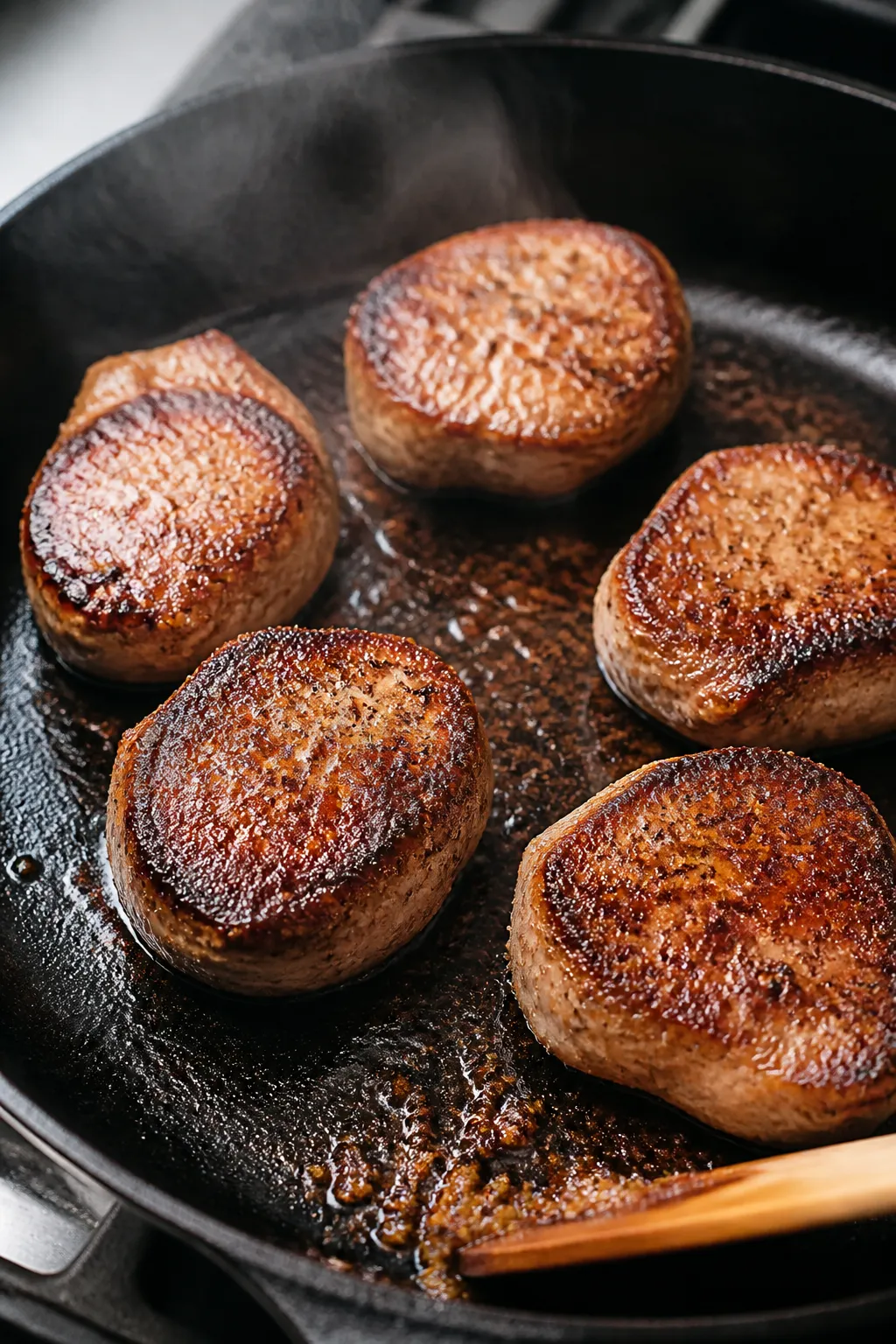
This recipe leans on technique rather than complexity. Searing the medallions quickly over medium-high heat builds a deep, flavorful crust while keeping the centers juicy.
Deglazing the pan pulls up all the browned bits, which become the base of a velvety garlic sauce. The sauce is rich but not heavy, thanks to a smart balance of stock, a touch of cream, and a squeeze of lemon. The result is a restaurant-style entrée that’s easy to master.
Ingredients
- 1 to 1.25 lb pork tenderloin, trimmed of silver skin
- 1.5 tsp kosher salt, divided
- 3/4 tsp freshly ground black pepper, divided
- 1/2 tsp smoked paprika (optional, for warmth and color)
- 2 tbsp olive oil (or a mix of olive oil and butter)
- 4–6 large garlic cloves, minced or very finely chopped
- 1/2 cup low-sodium chicken stock (or dry white wine, or a mix)
- 1/2 cup heavy cream (or 1/3 cup half-and-half for a lighter version)
- 1 tsp Dijon mustard (optional, for a subtle tang)
- 1–2 tsp fresh lemon juice, to taste
- 1 tbsp unsalted butter, for finishing the sauce
- Fresh herbs such as parsley or chives, chopped (for garnish)
- Neutral oil for searing if needed, such as avocado or canola
Instructions
- Prep the pork. Pat the tenderloin dry with paper towels.
Slice into 1-inch-thick medallions. Lightly press each piece to an even thickness, about 3/4 inch, so they cook evenly. Season both sides with 1 tsp salt, 1/2 tsp pepper, and the smoked paprika if using.
- Preheat your pan. Heat a large skillet (stainless steel or cast iron works best) over medium-high heat.
Add the olive oil and let it get hot until it shimmers.
- Sear the medallions. Place the pork in the pan in a single layer without crowding. Sear for 2–3 minutes per side until deeply browned. The internal temperature should reach about 140–145°F for juicy, slightly pink centers.
Transfer to a plate and tent loosely with foil.
- Lower the heat and bloom the garlic. Reduce heat to medium-low. Add a small splash of oil or a knob of butter if the pan looks dry. Add the minced garlic and cook, stirring, for 30–45 seconds until fragrant. Do not brown the garlic or it will turn bitter.
- Deglaze. Pour in the chicken stock (or wine).
Scrape up the browned bits with a wooden spoon. Let it simmer for 1–2 minutes to slightly reduce and concentrate the flavor.
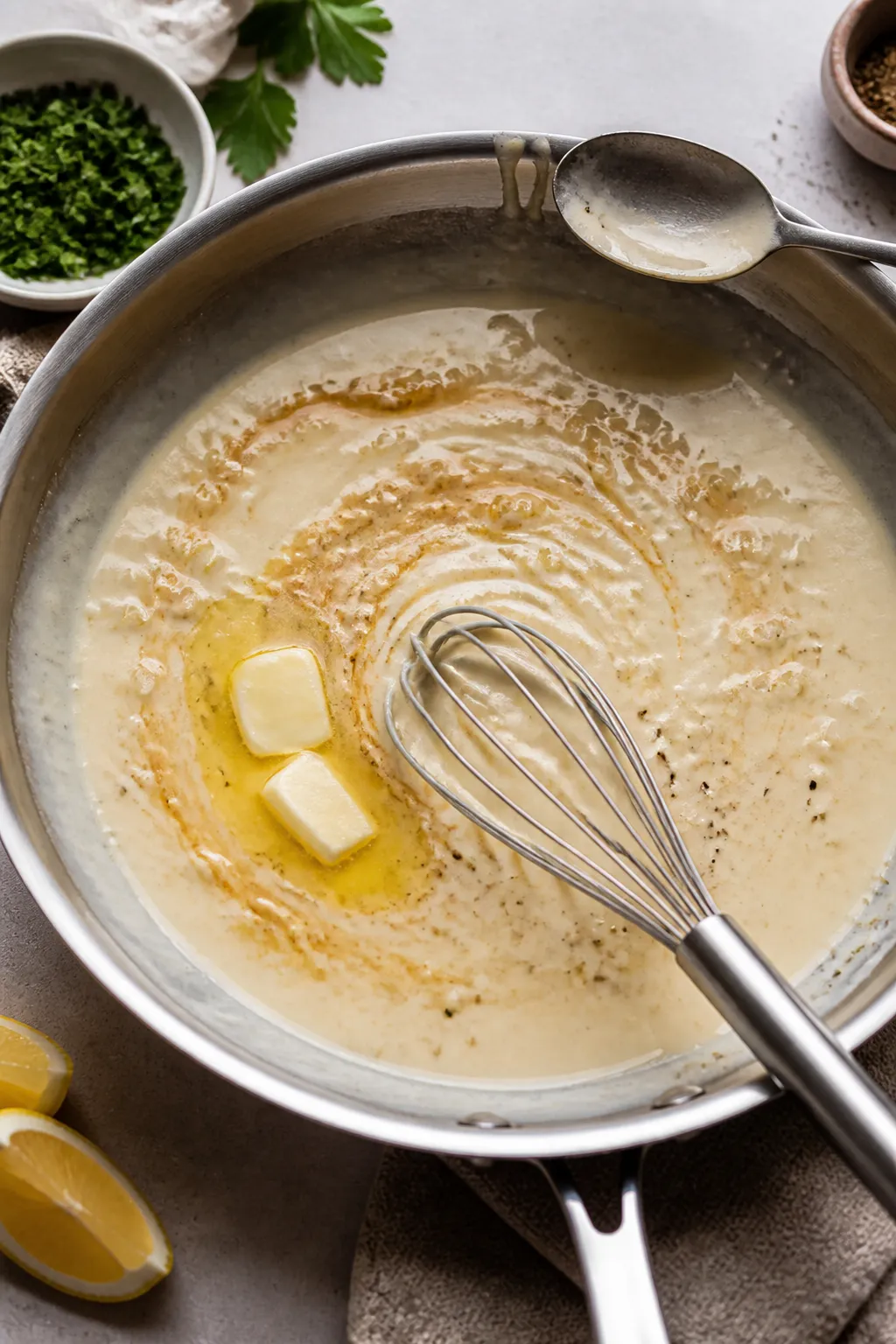
- Build the sauce. Stir in the cream and Dijon. Simmer gently for 2–3 minutes, stirring often, until the sauce thickens enough to coat the back of a spoon.
Season with the remaining 1/2 tsp salt and 1/4 tsp pepper, then add the lemon juice to brighten.
- Finish and return the pork. Whisk in the butter to give the sauce a glossy finish. Return the medallions and any juices to the pan. Simmer on low for 1–2 minutes to warm through.
Taste and adjust seasoning—add a pinch more salt or a splash more lemon if needed.
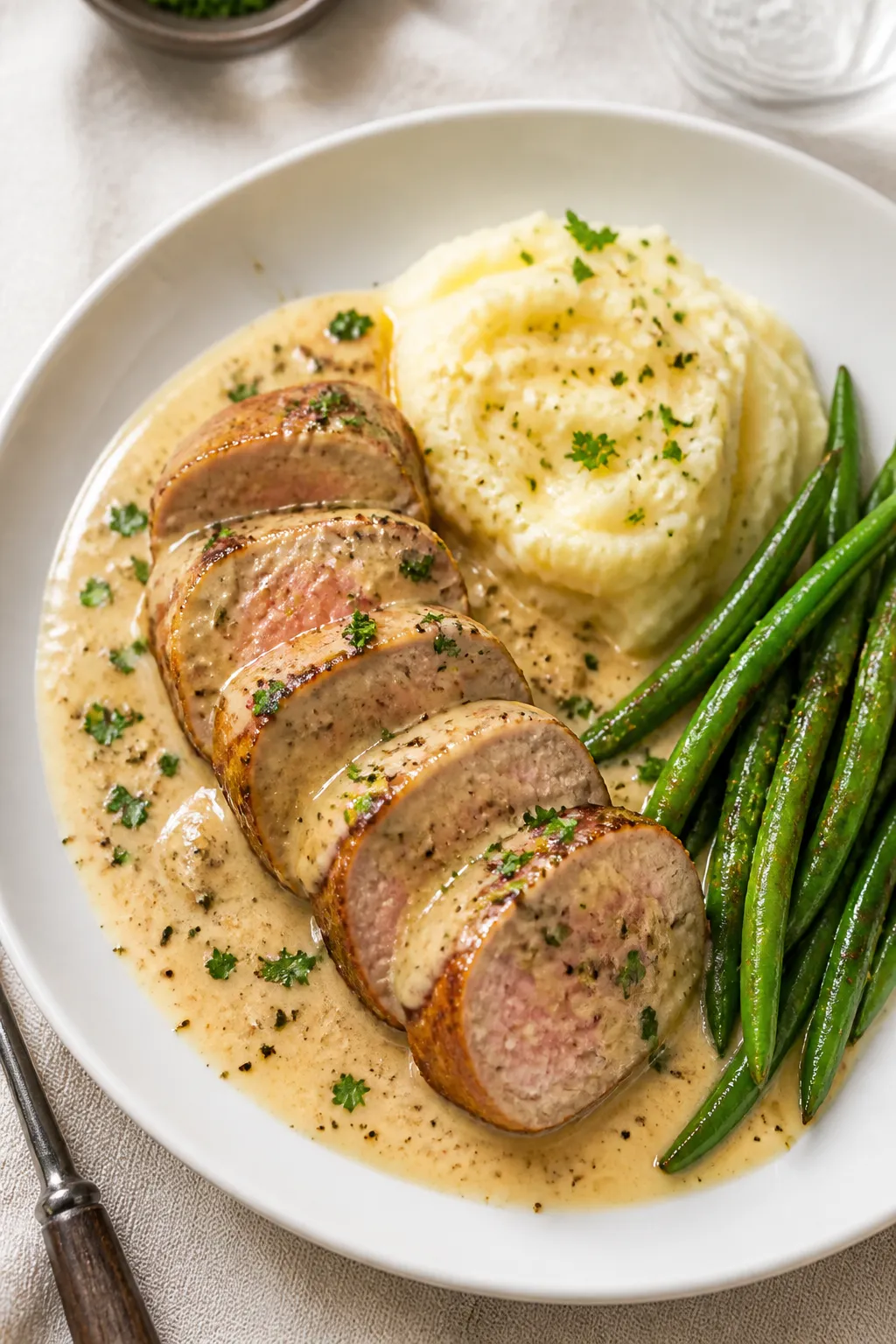
- Garnish and serve. Sprinkle with chopped parsley or chives. Serve immediately with mashed potatoes, rice, roasted vegetables, or a simple green salad.
How to Store
- Refrigerate: Store leftovers in an airtight container for up to 3 days. Keep the pork and sauce together to prevent the meat from drying out.
- Reheat gently: Warm on low in a covered skillet with a splash of stock or water until just heated through.
Avoid boiling, which can toughen the pork and break the sauce.
- Freeze: You can freeze the cooked pork and sauce for up to 2 months. Thaw overnight in the fridge, then reheat slowly. Cream sauces may separate slightly after freezing, but a quick whisk while reheating helps bring it back together.
Health Benefits
- Lean protein: Pork tenderloin is one of the leanest cuts of pork, offering high-quality protein with relatively low fat.
- Micronutrients: It provides B vitamins like thiamin, niacin, and B6, which support energy metabolism and nerve function.
- Garlic perks: Garlic brings antioxidants and may support heart health.
It also adds big flavor, reducing the need for heavy amounts of salt.
- Flexible richness: Using half-and-half instead of cream, or swapping part of the cream for extra stock, can lighten the dish while keeping it satisfying.
Common Mistakes to Avoid
- Overcooking the pork: Tenderloin dries out quickly. Pull it from the pan once it hits 140–145°F. It will finish with carryover heat.
- Browning the garlic too much: Garlic turns bitter if it gets dark.
Keep the heat moderate when you add it, and stir constantly.
- Skipping the deglaze: The fond stuck on the pan is flavor gold. Deglaze with stock or wine to build a deeper, richer sauce.
- Rushing the sauce: Let it simmer gently for a couple of minutes to thicken. Boiling hard can split the dairy and dull the flavor.
- Under-seasoning: Taste as you go.
A pinch of salt and a squeeze of lemon at the end can transform the sauce from good to great.
Recipe Variations
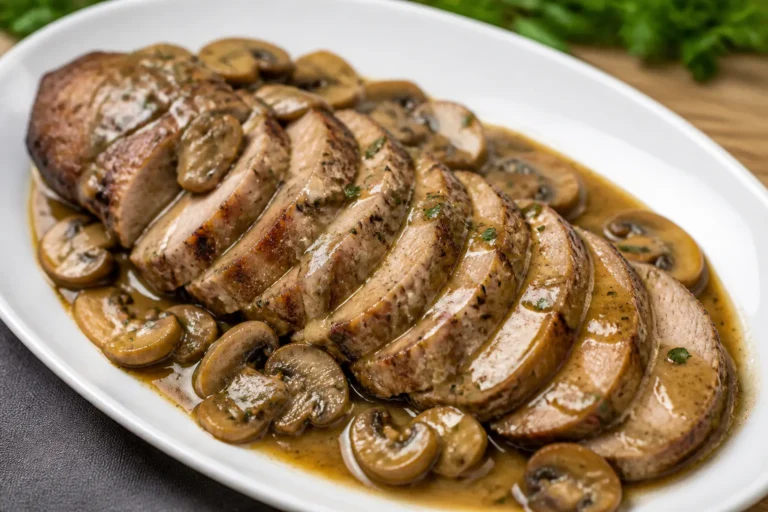
- Mushroom garlic sauce: After searing the pork, sauté 8 oz sliced cremini mushrooms in the pan with a tablespoon of butter until browned. Proceed with garlic and the rest of the sauce steps.
- Mustard-herb twist: Increase Dijon to 2 tsp and finish the sauce with 1–2 tsp chopped fresh tarragon or thyme for a brighter, more aromatic finish.
- White wine version: Use 1/2 cup dry white wine instead of stock to deglaze. Reduce by half before adding cream for a more pronounced, elegant flavor.
- Lighter skillet meal: Replace heavy cream with 1/3 cup evaporated milk and 2 tsp cornstarch whisked into the stock.
Simmer gently until glossy.
- Spicy garlic cream: Add 1/4–1/2 tsp red pepper flakes with the garlic for a little heat, or swirl in a teaspoon of Calabrian chili paste at the end.
- Dairy-free finish: Skip the cream and butter. Reduce 3/4 cup stock with a splash of coconut milk, then finish with lemon and extra herbs.
FAQ
Need More Easy Dinner Ideas?
Get my FREE 7-Day Easy Dinner Reset and enjoy a full week of healthy dinners without the meal-planning stress.
How do I trim the silver skin from pork tenderloin?
Use a sharp paring knife to slide just under the translucent silver skin at one end. Angle the blade slightly up to avoid cutting into the meat, then glide along to remove it in strips.
Take your time—clean removal helps the meat stay tender.
Can I use pork loin instead of tenderloin?
Pork loin is thicker and firmer, so it won’t cook the same way. If you substitute, cut thin chops and adjust the sear time, or oven-finish to reach 145°F. Tenderloin is best for quick, juicy medallions.
What if I don’t have cream?
Use half-and-half and simmer a bit longer to thicken, or whisk 1 tsp cornstarch into cool stock and add to the pan before the dairy.
Evaporated milk also works well and won’t curdle as easily.
How can I tell when the pork is done without a thermometer?
Press the center of a medallion; it should feel springy but not squishy. Cut into one to check—slightly pink is fine as long as the juices run mostly clear. For the most reliable results, a quick-read thermometer is best.
Can I make the sauce ahead?
You can make the garlic sauce up to a day in advance and reheat gently, then add the seared pork just before serving.
If it thickens too much in the fridge, loosen with a bit of stock while warming.
What should I serve with it?
Mashed potatoes, buttered noodles, or rice soak up the sauce nicely. For vegetables, try roasted green beans, sautéed spinach, or a crisp salad with a lemony vinaigrette.
Will the sauce curdle if I add lemon?
If the sauce is off the boil and just gently simmering, lemon is safe and helps balance richness. Add it at the end and stir.
If you see any slight separation, whisk in a teaspoon of cold butter to bring it back together.
Final Thoughts
Pork tenderloin medallions with garlic sauce offer big flavor with minimal fuss. The sear makes them savory and crisp on the outside, while the sauce ties everything together with creamy, garlicky warmth. Keep the heat in check, season with intention, and finish with a hint of acid.
With those simple steps, this becomes a reliable, weeknight-friendly staple you’ll come back to often. Serve it hot, add a fresh green on the side, and enjoy a cozy, satisfying plate in under 30 minutes.
Printable Recipe Card
Want just the essential recipe details without scrolling through the article? Get our printable recipe card with just the ingredients and instructions.
Loved This Recipe?
If you're looking for more simple, healthy dinners your family will actually eat, grab my FREE 7-Day Easy Dinner Reset. You'll get 7 easy dinner recipes, simple grocery lists, and a done-for-you plan that takes the stress out of mealtime.