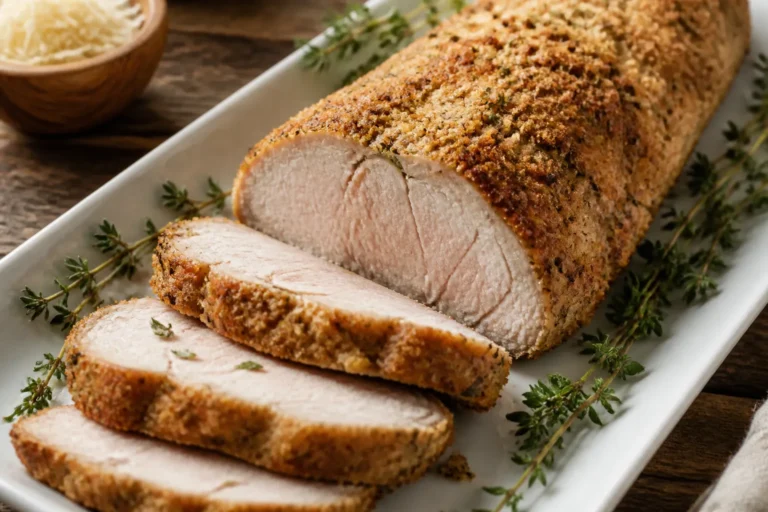
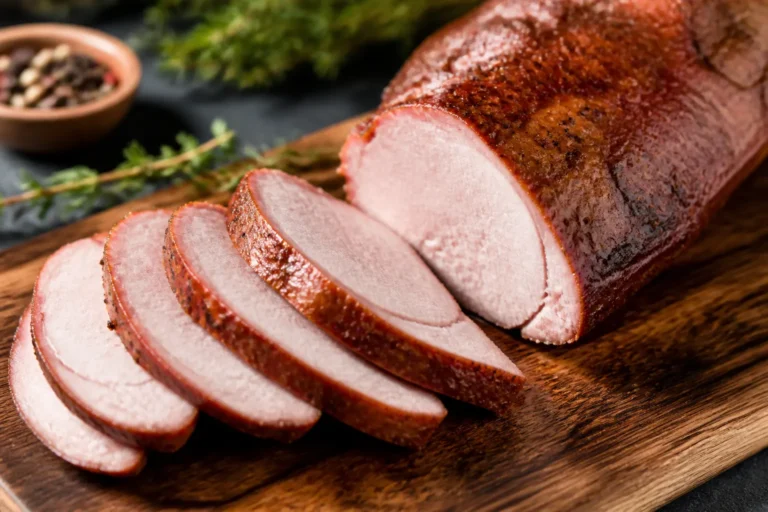
Garlic Herb Roasted Pork Tenderloin – Simple, Juicy, and Flavor-Packed
This Garlic Herb Roasted Pork Tenderloin is the kind of weeknight dinner that makes you feel like a pro without breaking a sweat. It’s tender, juicy, and infused with fresh herbs, garlic, and a touch of lemon. The best part?
FREE 7-Day Easy Dinner Reset
Save time, eat healthier, and take the stress out of dinner. Get a full week of easy healthy dinners delivered straight to your inbox.
It cooks fast and pairs with just about anything—from roasted veggies to mashed potatoes. If you’ve ever been intimidated by pork, this method is straightforward and forgiving. You’ll get great flavor, an impressive presentation, and reliable results every time.
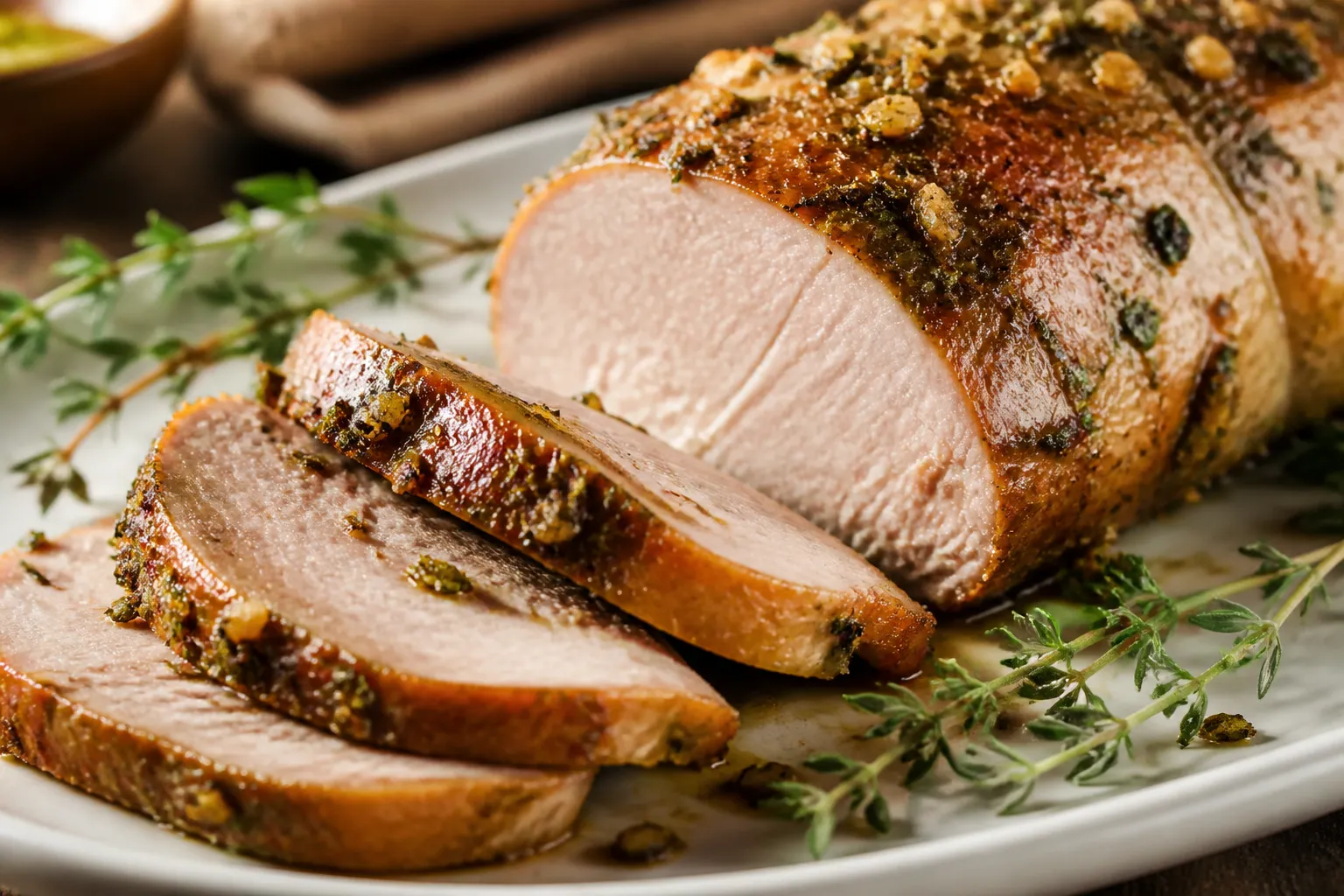
Ingredients
Method
- Preheat the oven: Set your oven to 425°F (220°C). Place a rack in the center. Line a sheet pan with foil and set a wire rack on top if you have one. This helps air circulate and browns the pork evenly.
- Pat the pork dry: Use paper towels to remove surface moisture. Dry meat browns better and helps the herb paste stick.
- Make the herb paste: In a small bowl, combine garlic, rosemary, thyme, parsley, onion powder, salt, pepper, smoked paprika, lemon zest, olive oil, and Dijon. Stir into a thick paste.
- Season the tenderloins: Rub the herb paste all over the pork, coating every side. Tuck the thin tail end under itself so the meat is a more even thickness for cooking.
- Sear for a head start (optional but recommended): Heat a large oven-safe skillet over medium-high heat. Add a thin film of oil and sear the tenderloins for 1–2 minutes per side until lightly browned. This builds flavor. If skipping this step, go straight to roasting.
- Roast: Transfer the pork to the oven (in the skillet or on the prepared rack). Roast for 18–22 minutes total, flipping once halfway if not using a rack. Start checking temperature at 15 minutes.
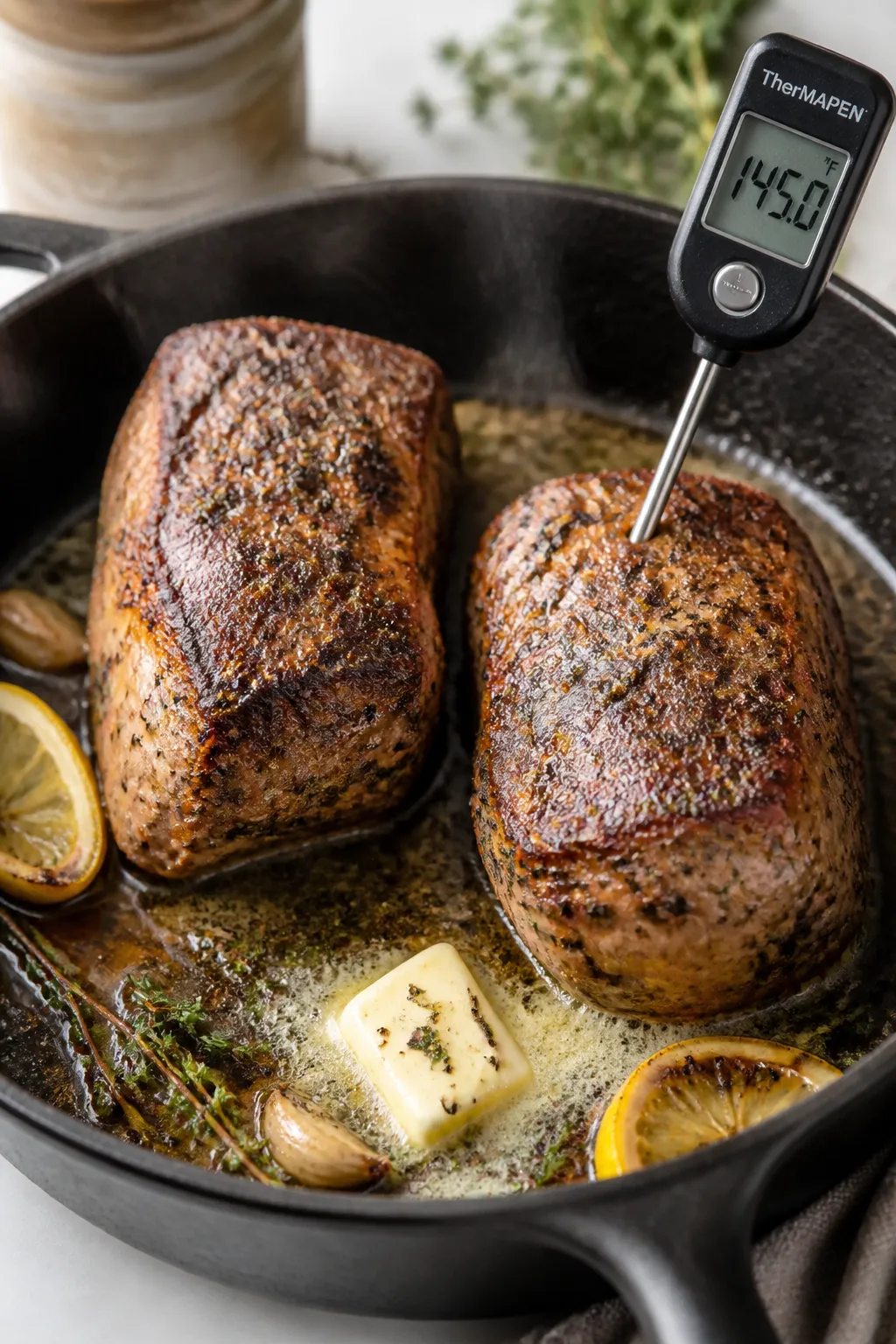
- Check doneness: Use an instant-read thermometer in the thickest part. Pull the pork at 140–145°F (60–63°C). The temp will rise a little as it rests.
- Rest the meat: Transfer to a cutting board and tent loosely with foil. Rest for 5–10 minutes. This keeps the juices inside where they belong.
- Make a quick pan sauce (optional): Set the skillet over medium heat. Add butter and a splash of lemon juice or white wine. Scrape up browned bits and simmer for 1–2 minutes. Taste and season with salt and pepper.
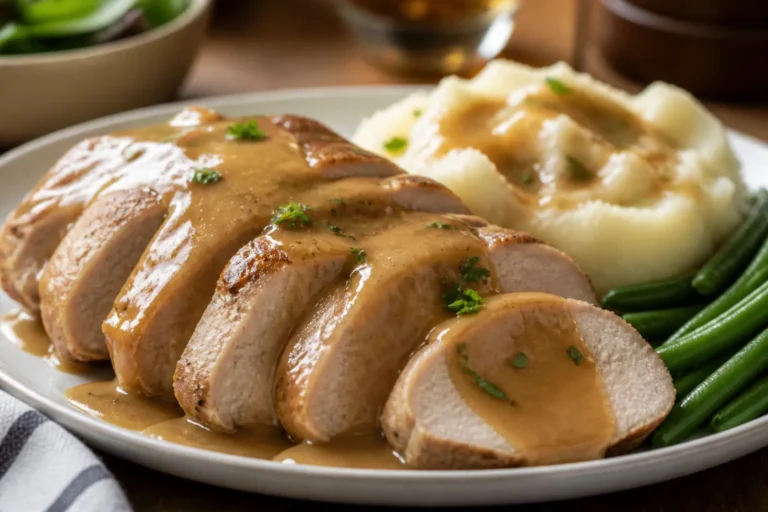
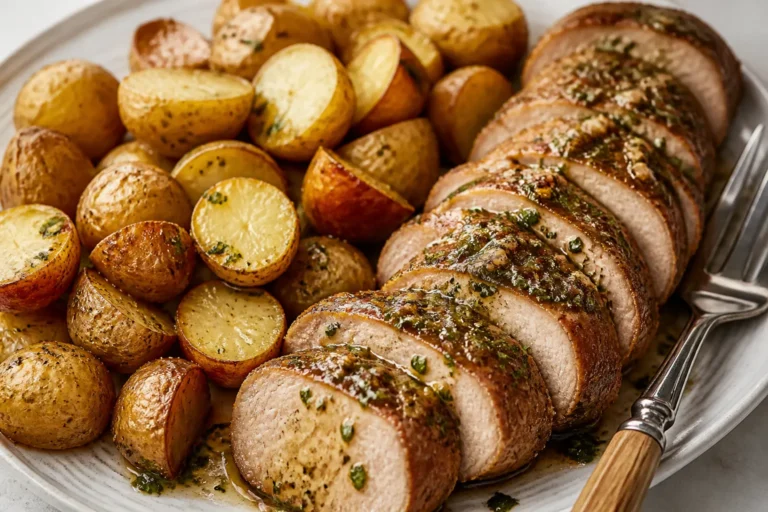
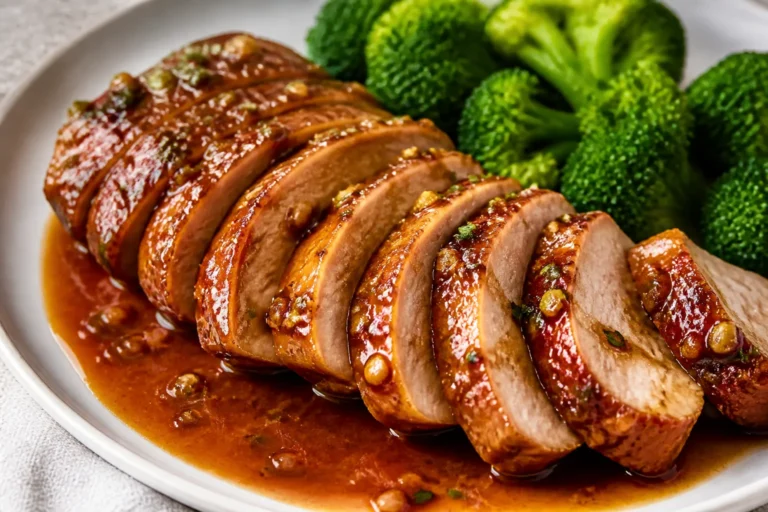
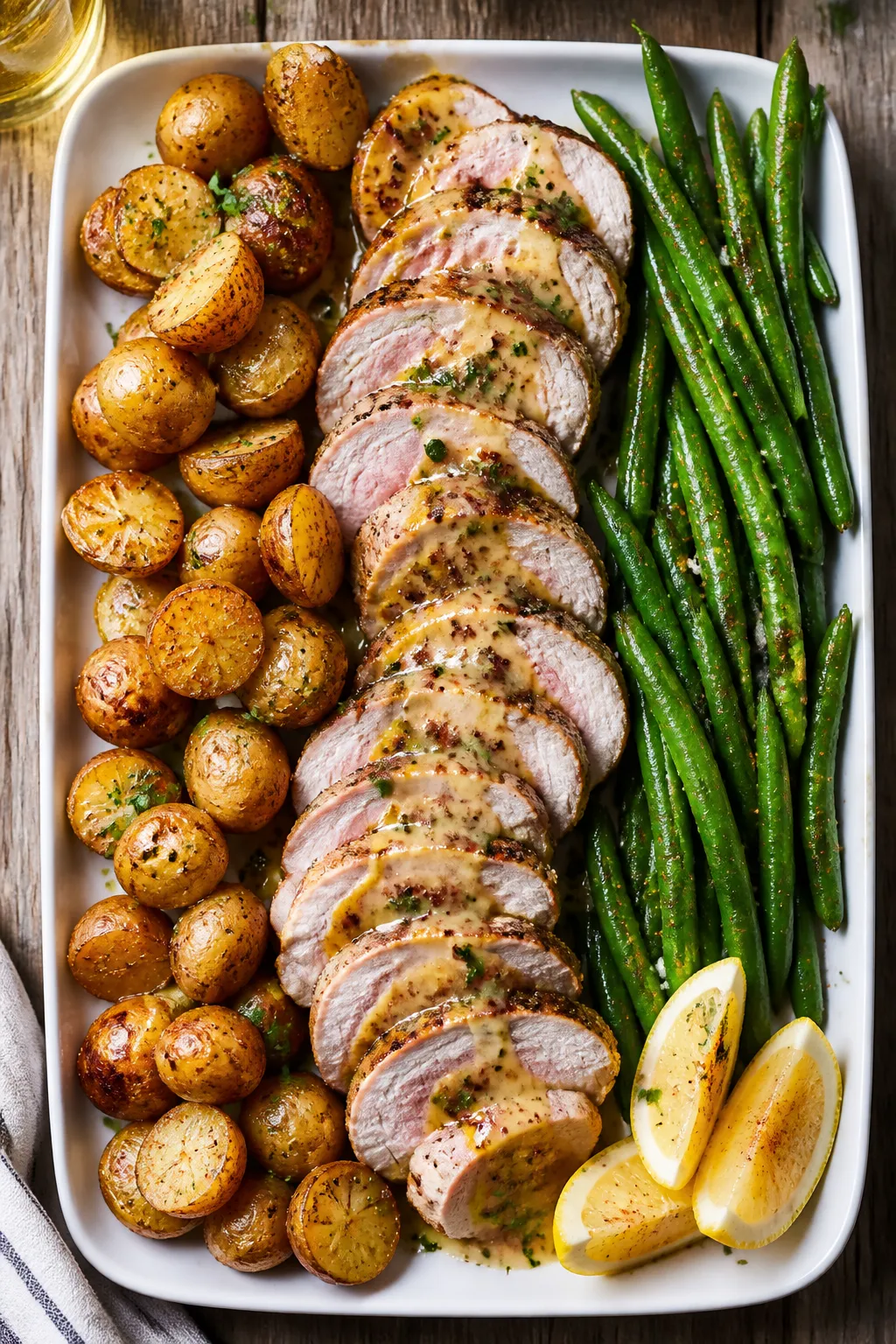
- Slice and serve: Cut into 1/2-inch medallions. Spoon sauce over the top and serve with lemon wedges. Great with roasted potatoes, green beans, or a crisp salad.
What Makes This Recipe So Good
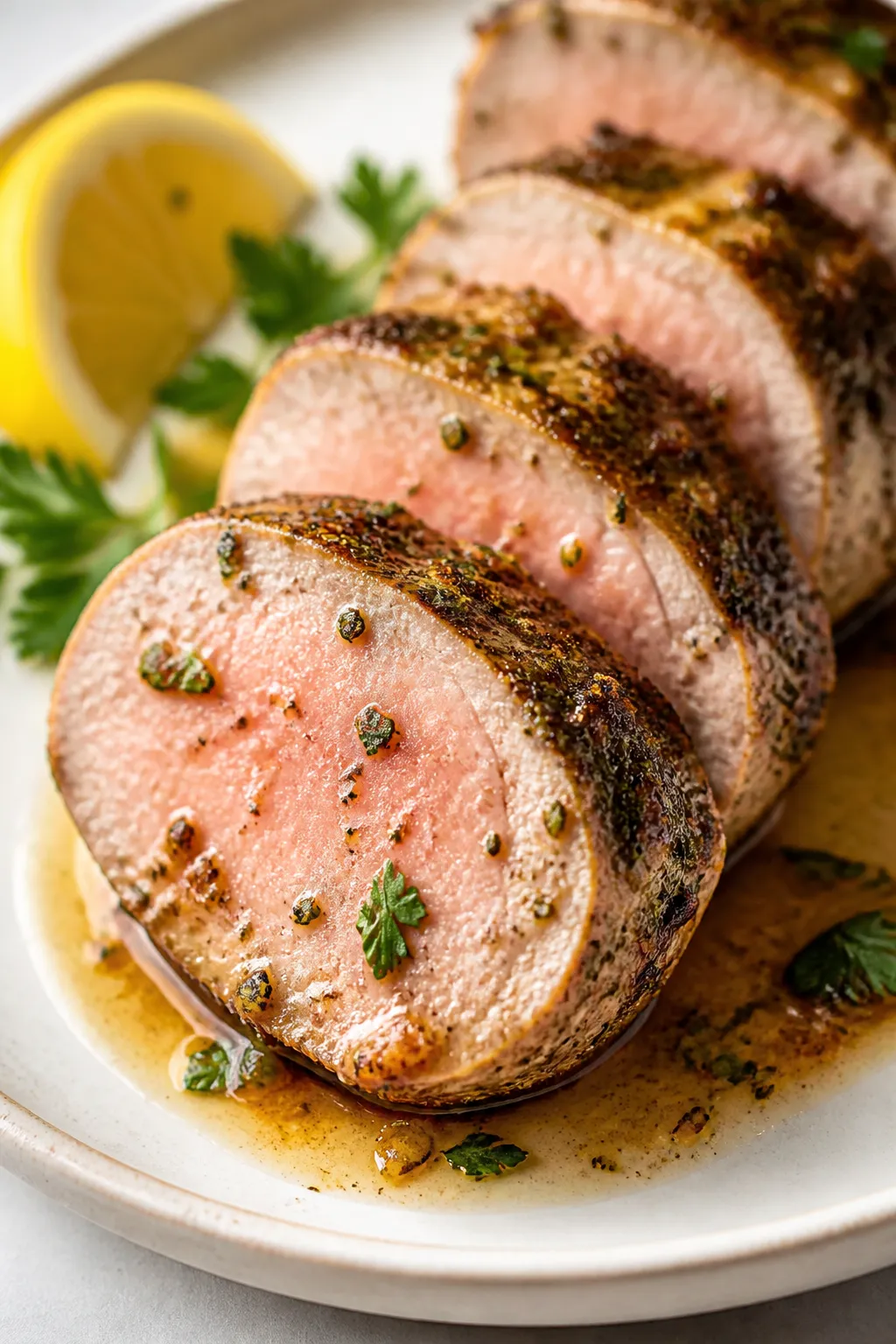
This recipe leans on a simple herb paste that brings bright, savory flavor to an otherwise lean cut of meat.
The high-heat roast locks in juices, while a quick rest keeps the tenderloin buttery soft. It’s quick enough for a Tuesday but special enough for guests. Plus, the ingredients are easy to find and budget-friendly.
- Big flavor, minimal effort: A small handful of fresh herbs and pantry staples deliver a lot of impact.
- Fast cook time: Pork tenderloin roasts in about 18–22 minutes, so dinner is on the table quickly.
- Customizable: Use whatever herbs you have—rosemary, thyme, parsley, or even sage.
- Meal-prep friendly: Leftovers reheat well for lunches and salads.
- Balanced: Lean protein without feeling dry or bland.
What You’ll Need
- 2 pork tenderloins (about 1 to 1.25 pounds each), silver skin trimmed
- 4 cloves garlic, minced or grated
- 2 tablespoons fresh rosemary, finely chopped (or 2 teaspoons dried)
- 1 tablespoon fresh thyme leaves, chopped (or 1 teaspoon dried)
- 2 tablespoons fresh parsley, chopped (optional but nice for brightness)
- 1 teaspoon onion powder
- 1 teaspoon kosher salt (plus more to taste)
- 1/2 teaspoon freshly ground black pepper
- 1/2 teaspoon smoked paprika (optional for color and depth)
- 1 lemon, zested (and cut into wedges for serving)
- 3 tablespoons olive oil
- 1 tablespoon Dijon mustard
- 2 tablespoons unsalted butter (for finishing, optional)
- 1 tablespoon fresh lemon juice or a splash of white wine (optional for pan sauce)
Instructions
- Preheat the oven: Set your oven to 425°F (220°C).
Place a rack in the center. Line a sheet pan with foil and set a wire rack on top if you have one. This helps air circulate and browns the pork evenly.
- Pat the pork dry: Use paper towels to remove surface moisture. Dry meat browns better and helps the herb paste stick.
- Make the herb paste: In a small bowl, combine garlic, rosemary, thyme, parsley, onion powder, salt, pepper, smoked paprika, lemon zest, olive oil, and Dijon.
Stir into a thick paste.
- Season the tenderloins: Rub the herb paste all over the pork, coating every side. Tuck the thin tail end under itself so the meat is a more even thickness for cooking.
- Sear for a head start (optional but recommended): Heat a large oven-safe skillet over medium-high heat. Add a thin film of oil and sear the tenderloins for 1–2 minutes per side until lightly browned.
This builds flavor. If skipping this step, go straight to roasting.
- Roast: Transfer the pork to the oven (in the skillet or on the prepared rack). Roast for 18–22 minutes total, flipping once halfway if not using a rack.
Start checking temperature at 15 minutes.
- Check doneness: Use an instant-read thermometer in the thickest part. Pull the pork at 140–145°F (60–63°C). The temp will rise a little as it rests.
- Rest the meat: Transfer to a cutting board and tent loosely with foil.
Rest for 5–10 minutes. This keeps the juices inside where they belong.
- Make a quick pan sauce (optional): Set the skillet over medium heat. Add butter and a splash of lemon juice or white wine.
Scrape up browned bits and simmer for 1–2 minutes. Taste and season with salt and pepper.
- Slice and serve: Cut into 1/2-inch medallions. Spoon sauce over the top and serve with lemon wedges.
Great with roasted potatoes, green beans, or a crisp salad.
How to Store
- Refrigerate: Store sliced leftovers in an airtight container for up to 4 days.
- Freeze: Freeze in a freezer-safe bag for up to 3 months. Add a little pan sauce or broth to prevent dryness.
- Reheat: Warm gently in a covered skillet over low heat with a splash of broth, or microwave in short bursts at 50% power. Avoid overcooking.
Why This is Good for You
Pork tenderloin is a lean source of protein with relatively low saturated fat compared to many other cuts of pork.
The fresh herbs and garlic bring antioxidants and lots of flavor without heavy sauces or sugar. Olive oil adds heart-healthy fats, while lemon brightens everything so you need less salt. Paired with vegetables or whole grains, this is a balanced and satisfying meal.
Pitfalls to Watch Out For
- Overcooking: Pork tenderloin is lean and can dry out fast.
Use a thermometer and pull it at 140–145°F.
- Skipping the rest: Cutting too soon forces juices out. Rest at least 5 minutes.
- Uneven thickness: If one end is thin, tuck it under for even cooking.
- Too much salt: Dijon and salted butter add salt. Taste your pan sauce before adding more.
- Wet surface: If the pork isn’t patted dry, it won’t brown well.
Recipe Variations
- Maple Mustard: Add 1 tablespoon pure maple syrup to the paste and swap Dijon for whole-grain mustard.
Great with roasted Brussels sprouts.
- Spicy Herb: Add 1 teaspoon crushed red pepper flakes or a teaspoon of harissa paste for heat.
- Smoky Citrus: Use orange zest instead of lemon and add 1 teaspoon ground cumin.
- Herb-Only, No Garlic: If garlic is an issue, skip it and add extra herbs and lemon zest.
- Grill It: Sear over direct medium-high heat for 2 minutes per side, then move to indirect heat and grill until 140–145°F.
- Sheet-Pan Dinner: Roast with halved baby potatoes and green beans. Toss veggies with olive oil, salt, and pepper; start potatoes first for 10 minutes, then add pork and green beans.
FAQ
Need More Easy Dinner Ideas?
Get my FREE 7-Day Easy Dinner Reset and enjoy a full week of healthy dinners without the meal-planning stress.
Can I make this ahead?
Yes. You can coat the pork with the herb paste up to 24 hours in advance and refrigerate it, uncovered or loosely covered, to dry-brine slightly.
Bring to room temperature for 20–30 minutes before roasting.
What if I only have dried herbs?
Dried herbs work fine. Use about one-third the amount of fresh. For example, 2 teaspoons dried rosemary and 1 teaspoon dried thyme will do the job.
Rub them between your fingers to wake up the flavor.
How do I know it’s safe to eat slightly pink pork?
Pork is safe at 145°F with a 3-minute rest, according to USDA guidelines. At this temp, it can have a faint pink center and still be perfectly safe and very juicy.
Can I use pork loin instead of tenderloin?
Pork loin is larger and cooks longer. If you swap, plan on 50–70 minutes at 375°F, and start checking for 140–145°F internally.
The herb paste still works great.
Do I need to remove the silver skin?
Yes, if it’s still attached. Silver skin is a tough membrane that doesn’t break down with cooking. Slide a thin knife under it and trim it off for the best texture.
What sides go well with this?
Roasted potatoes, garlicky green beans, sautéed mushrooms, a lemony arugula salad, or creamy mashed cauliflower all pair beautifully.
Keep flavors simple to let the pork shine.
Can I double the recipe?
Absolutely. Roast two pans or use a large rimmed sheet pan with space between each tenderloin so air circulates. Crowded pans steam instead of brown.
How do I keep leftovers from drying out?
Slice thicker pieces, reheat gently with a splash of broth, and cover to trap steam.
Adding a drizzle of olive oil or leftover pan sauce helps, too.
In Conclusion
Garlic Herb Roasted Pork Tenderloin is simple, fast, and full of bright, savory flavor. With a handful of herbs, good olive oil, and a squeeze of lemon, you can turn a lean cut into something tender and restaurant-worthy. Keep a thermometer handy, let it rest, and you’ll get reliable, juicy results every time.
Whether it’s a cozy weeknight or a laid-back dinner party, this recipe delivers without stress.
Printable Recipe Card
Want just the essential recipe details without scrolling through the article? Get our printable recipe card with just the ingredients and instructions.
Loved This Recipe?
If you're looking for more simple, healthy dinners your family will actually eat, grab my FREE 7-Day Easy Dinner Reset. You'll get 7 easy dinner recipes, simple grocery lists, and a done-for-you plan that takes the stress out of mealtime.