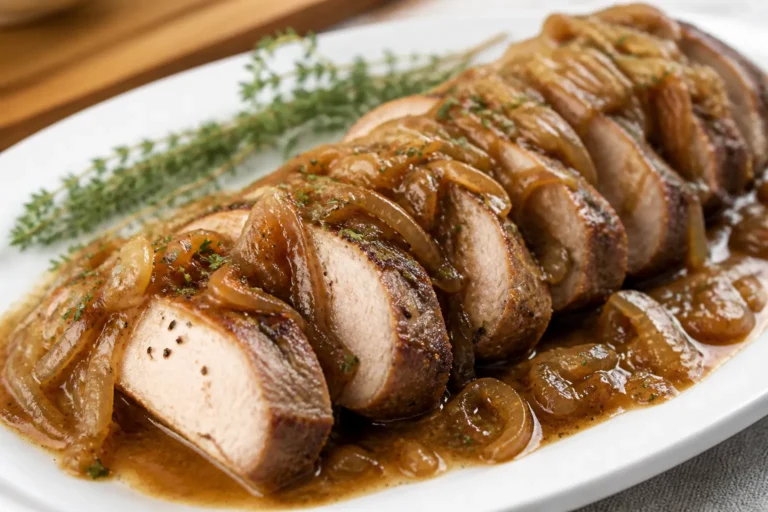
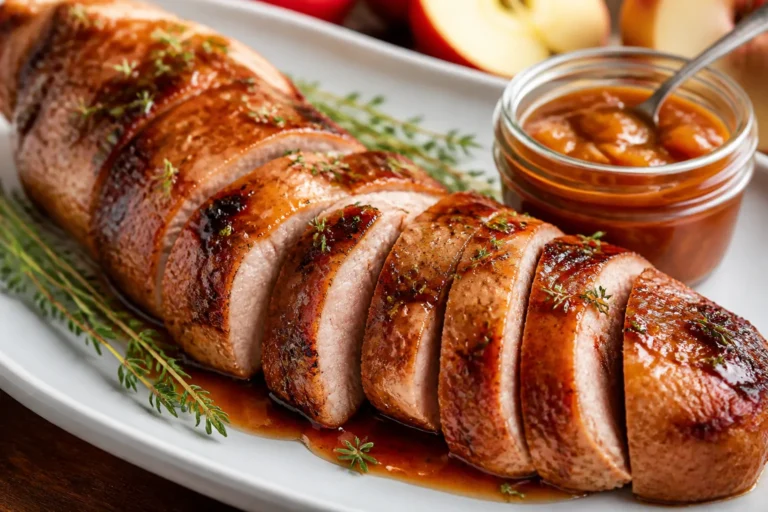
Maple Balsamic Pork Tenderloin – Sweet, Tangy, and Perfect for Weeknights
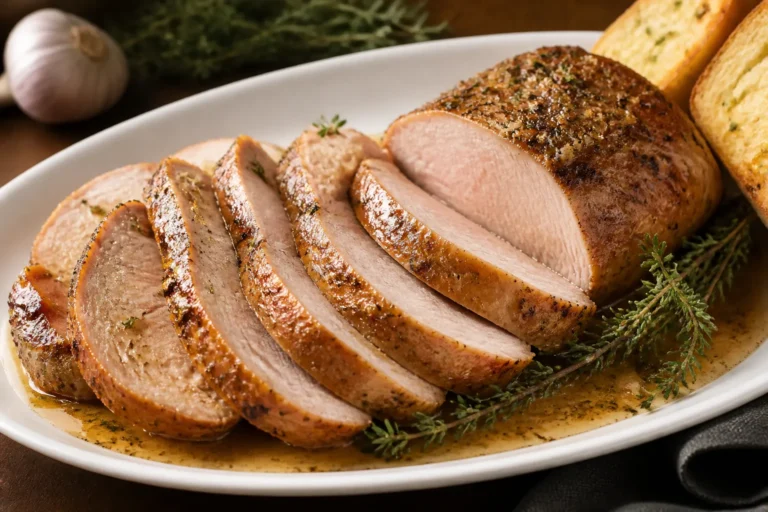
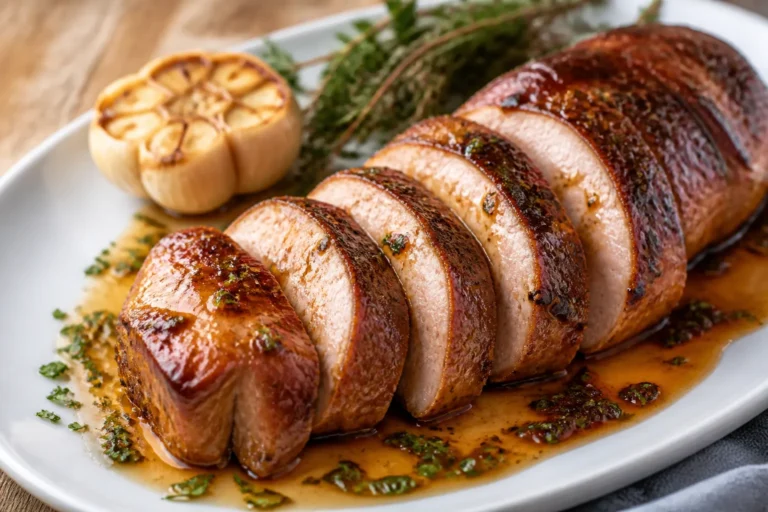
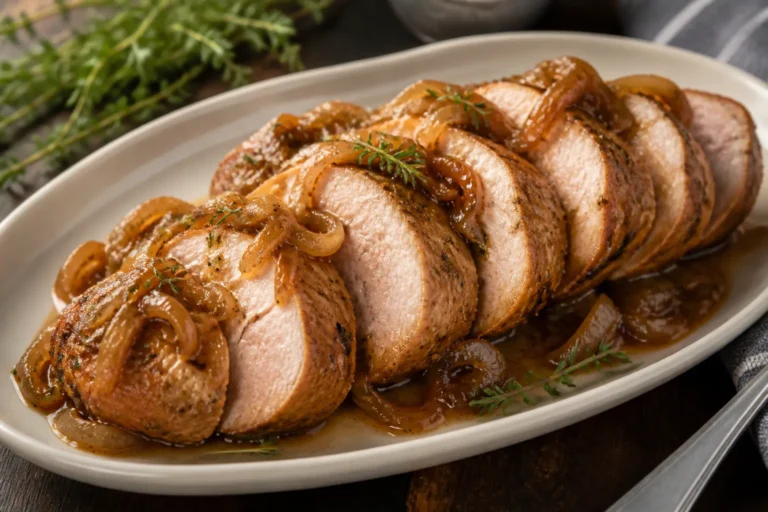
Sweet maple syrup and tangy balsamic vinegar make a natural pair, and they do wonders for pork tenderloin. This recipe gives you a caramelized crust, juicy slices, and a sauce that tastes far fancier than the effort it takes. It’s weeknight-easy but dinner-party good.
FREE 7-Day Easy Dinner Reset
Save time, eat healthier, and take the stress out of dinner. Get a full week of easy healthy dinners delivered straight to your inbox.
You’ll marinate, sear, and roast—nothing complicated, just smart, simple steps that pay off. Serve it with mashed potatoes, roasted veggies, or a crisp salad, and you’re set.
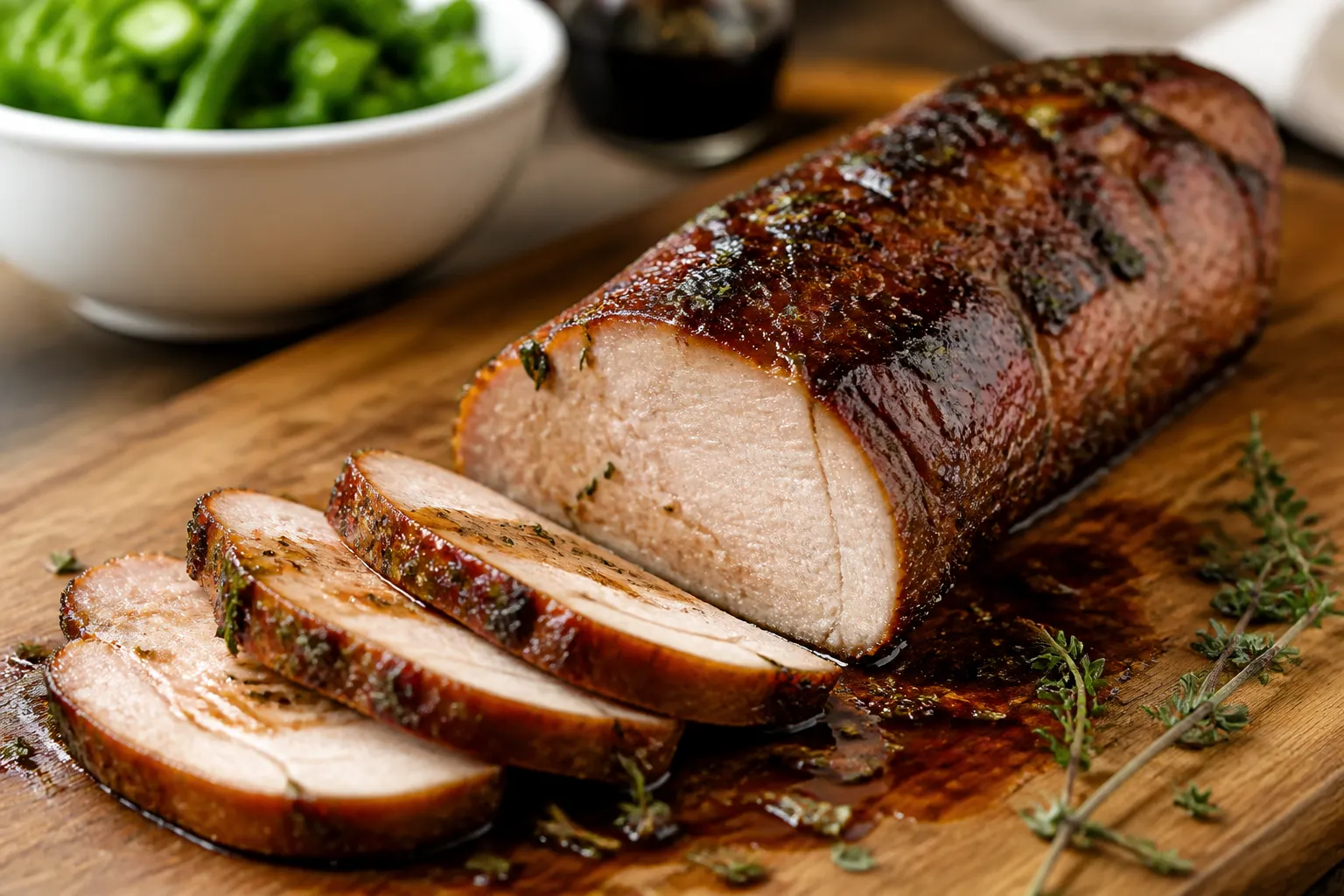
Ingredients
Method
- Make the marinade. In a bowl, whisk maple syrup, balsamic vinegar, Dijon, olive oil, garlic, salt, pepper, smoked paprika (if using), and thyme until smooth.
- Marinate the pork. Pat the tenderloins dry. Place in a zip-top bag or shallow dish, pour in the marinade, and coat well. Refrigerate for at least 30 minutes and up to 8 hours. Turn once or twice if you can.
- Preheat and prep. Set the oven to 400°F (200°C). Place a heavy oven-safe skillet (cast iron works great) on the stove over medium-high heat. Remove pork from marinade, letting excess drip back into the bowl. Reserve the marinade.
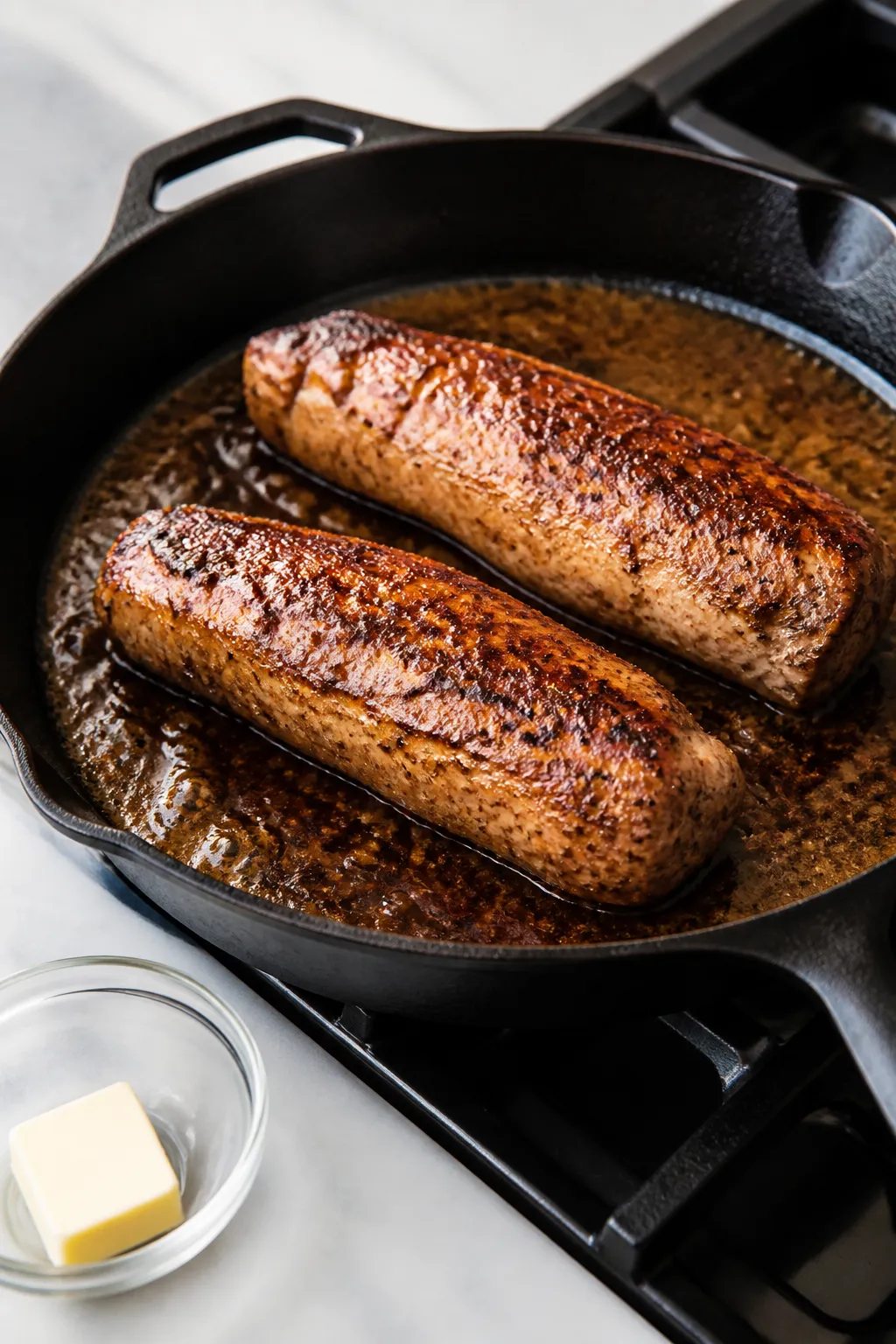
- Sear the tenderloins. Add a thin layer of oil to the hot skillet. Sear pork on all sides until browned, about 6–8 minutes total. Don’t rush; color equals flavor.
- Roast to finish. Pour the reserved marinade around (not directly on top of) the pork. Transfer the skillet to the oven and roast 10–15 minutes, until the thickest part reads 140–145°F for medium doneness. Carryover cooking will raise it a few degrees as it rests.
- Rest the meat. Move the pork to a cutting board and tent with foil for 8–10 minutes. This keeps it juicy and easier to slice.
- Make a quick pan sauce. While the pork rests, place the skillet back on medium heat. Simmer the juices for 2–3 minutes to slightly reduce. Whisk in the butter to gloss and round out the flavor. Taste and adjust salt or add a squeeze of lemon for brightness.
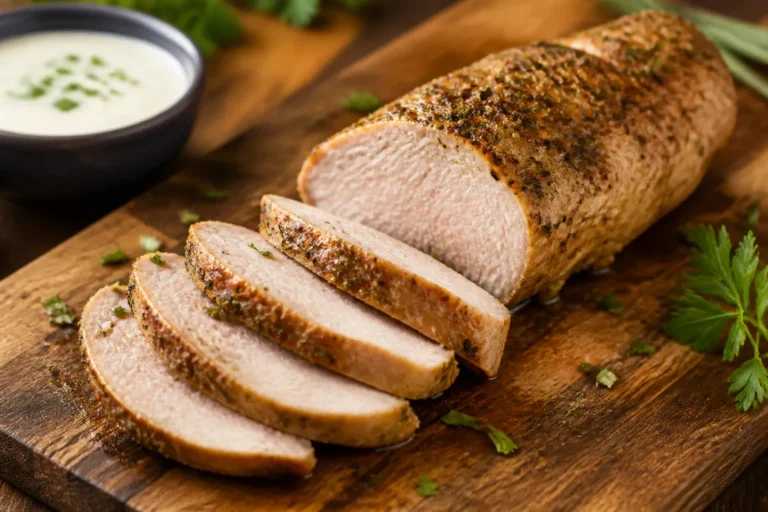
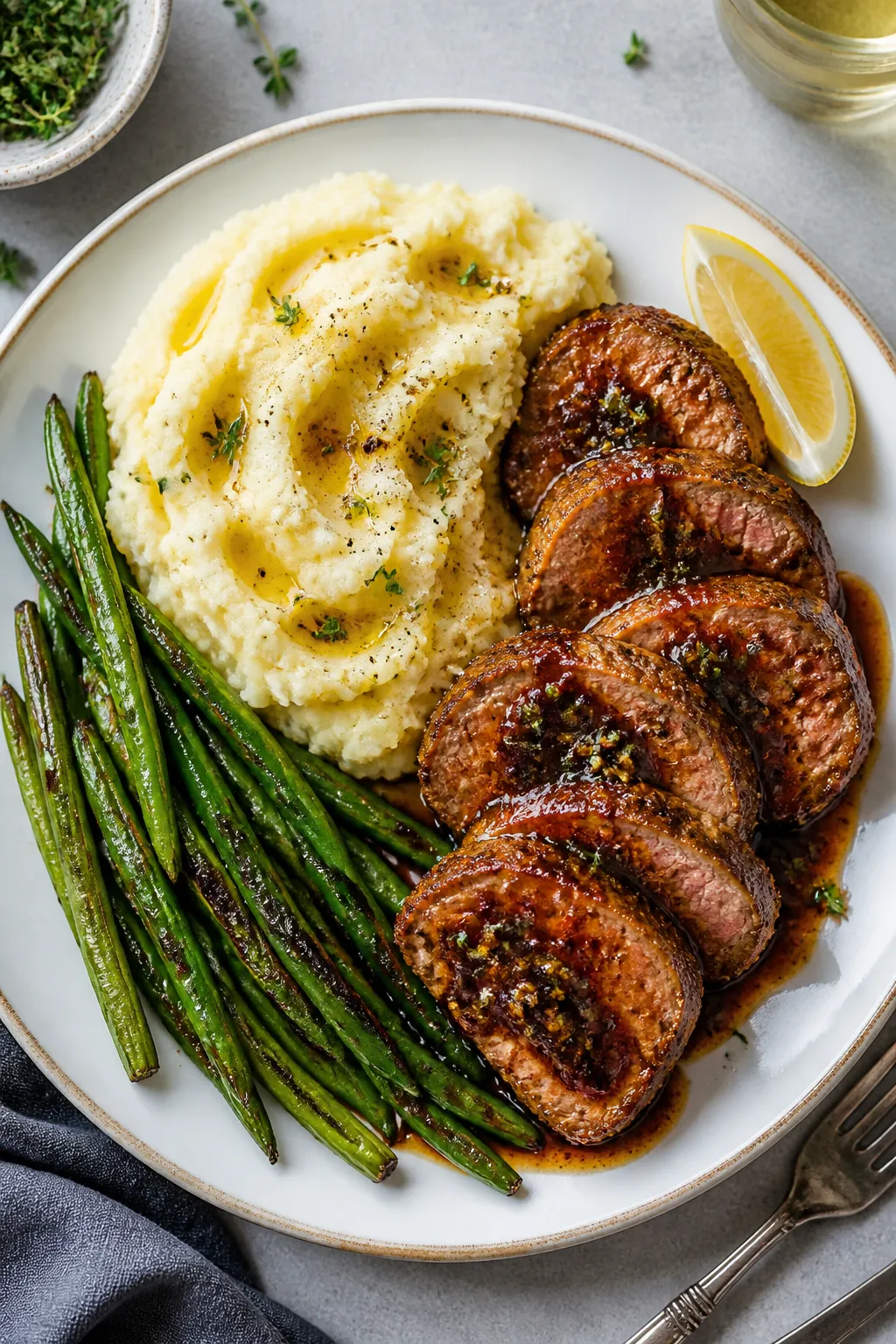
- Slice and serve. Cut the tenderloin into 1/2-inch medallions. Spoon the maple-balsamic sauce over the top. Serve with roasted sweet potatoes, green beans, or a simple arugula salad.
What Makes This Special
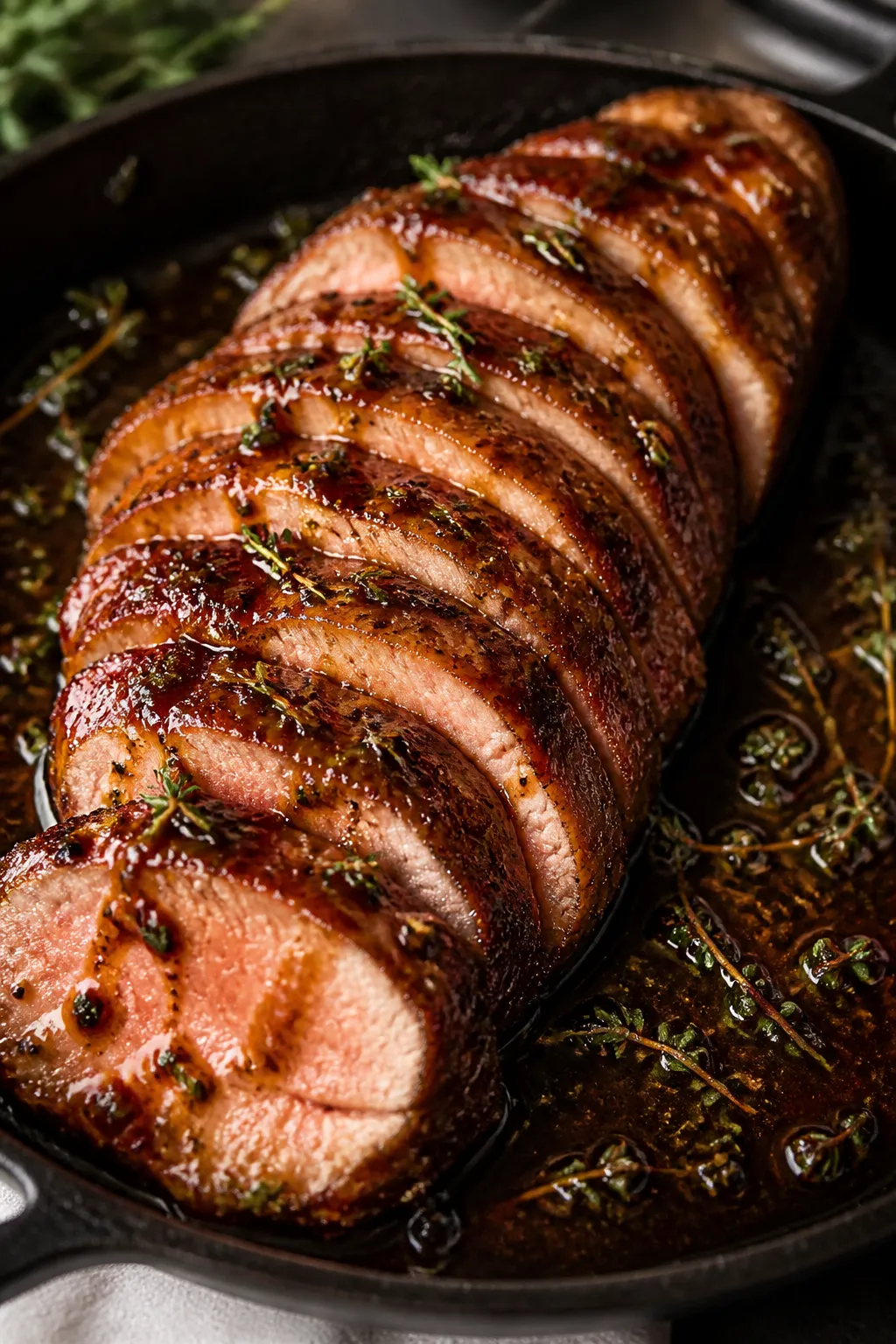
This dish balances sweet, sour, salty, and savory in a way that flatters pork without overpowering it. The maple adds gentle sweetness, while balsamic brings brightness and depth.
Dijon mustard ties it together with a subtle kick, and garlic rounds out the flavor. A quick sear locks in juices, and a brief roast keeps the tenderloin moist and tender. Best of all, the pan sauce is practically built in—no extra pots required.
What You’ll Need
- 2 pork tenderloins (about 1 to 1.25 pounds each), silver skin trimmed
- 1/3 cup pure maple syrup (Grade A amber or dark preferred)
- 1/4 cup balsamic vinegar
- 2 tablespoons Dijon mustard
- 2 tablespoons olive oil (plus more for the pan)
- 3 cloves garlic, minced
- 1 teaspoon kosher salt (plus more to taste)
- 1/2 teaspoon black pepper
- 1/2 teaspoon smoked paprika (optional, for warmth)
- 1 teaspoon fresh thyme leaves or 1/2 teaspoon dried thyme
- 1 tablespoon butter (optional, for finishing the sauce)
- Lemon wedges (optional, for serving)
How to Make It
- Make the marinade. In a bowl, whisk maple syrup, balsamic vinegar, Dijon, olive oil, garlic, salt, pepper, smoked paprika (if using), and thyme until smooth.
- Marinate the pork. Pat the tenderloins dry.
Place in a zip-top bag or shallow dish, pour in the marinade, and coat well. Refrigerate for at least 30 minutes and up to 8 hours. Turn once or twice if you can.
- Preheat and prep. Set the oven to 400°F (200°C).
Place a heavy oven-safe skillet (cast iron works great) on the stove over medium-high heat. Remove pork from marinade, letting excess drip back into the bowl. Reserve the marinade.
- Sear the tenderloins. Add a thin layer of oil to the hot skillet.
Sear pork on all sides until browned, about 6–8 minutes total. Don’t rush; color equals flavor.
- Roast to finish. Pour the reserved marinade around (not directly on top of) the pork. Transfer the skillet to the oven and roast 10–15 minutes, until the thickest part reads 140–145°F for medium doneness.
Carryover cooking will raise it a few degrees as it rests.
- Rest the meat. Move the pork to a cutting board and tent with foil for 8–10 minutes. This keeps it juicy and easier to slice.
- Make a quick pan sauce. While the pork rests, place the skillet back on medium heat. Simmer the juices for 2–3 minutes to slightly reduce.
Whisk in the butter to gloss and round out the flavor. Taste and adjust salt or add a squeeze of lemon for brightness.
- Slice and serve. Cut the tenderloin into 1/2-inch medallions. Spoon the maple-balsamic sauce over the top.
Serve with roasted sweet potatoes, green beans, or a simple arugula salad.
How to Store
- Refrigerate: Store sliced pork and sauce in an airtight container for up to 4 days. Cool to room temperature before sealing.
- Reheat: Warm gently in a covered skillet with a splash of water or chicken broth over low heat until just heated through. Avoid microwaving on high, which can dry it out.
- Freeze: Freeze slices with sauce for up to 2 months.
Thaw overnight in the fridge, then reheat as above.
- Make-ahead tip: You can marinate the pork in the morning and cook it at dinner time. Don’t exceed 8–10 hours or the acids can change the texture.
Health Benefits
Pork tenderloin is a lean cut with a good amount of protein and relatively low fat compared to many other cuts. It supplies B vitamins—especially B6 and B12—which support energy metabolism and nerve health.
The marinade’s maple syrup provides sweetness, but you’re using a modest amount across several servings. Balsamic vinegar offers polyphenols and acidity that can reduce the need for heavy sauces. Pairing with vegetables and whole grains turns this into a well-rounded, satisfying meal.
What Not to Do
- Don’t skip drying the pork. Excess moisture prevents good browning and creates steam, not sear.
- Don’t over-marinate. More than 8–10 hours can make the exterior mushy due to the vinegar.
- Don’t cook past 150°F. Pork tenderloin dries out quickly.
Aim for 140–145°F and let carryover heat finish the job.
- Don’t drown the pork during sear. Add the marinade after searing; liquid in the pan will stop browning.
- Don’t slice immediately. Resting is essential to keep the juices in the meat, not on the cutting board.
Variations You Can Try
- Herb-forward: Swap thyme for rosemary and add a tablespoon of chopped fresh sage for a woodsy note.
- Spicy maple: Stir in 1–2 teaspoons of chili paste or a pinch of red pepper flakes for heat.
- Orange balsamic: Add 1 tablespoon of orange zest and 2 tablespoons of orange juice to the marinade for citrus brightness.
- Grilled version: Sear on a hot grill 2–3 minutes per side, then move to indirect heat and cook covered until 140–145°F. Reduce the leftover marinade separately in a small saucepan before serving.
- Skillet-only medallions: Slice the raw tenderloin into 1-inch rounds, sear quickly, then simmer in the reduced marinade for a fast, weeknight skillet dinner.
- Sheet pan meal: Roast the seared pork with halved Brussels sprouts and diced sweet potatoes. Toss the veggies with olive oil, salt, pepper, and a splash of balsamic.
FAQ
Can I use pork loin instead of tenderloin?
Need More Easy Dinner Ideas?
Get my FREE 7-Day Easy Dinner Reset and enjoy a full week of healthy dinners without the meal-planning stress.
You can, but cooking time changes.
Pork loin is thicker and denser, so roast longer at 350°F until it reaches 145°F. Keep the marinade and sauce the same, but expect a different texture—more sliceable roast, less delicate than tenderloin.
Is it okay to use pancake syrup instead of real maple syrup?
Real maple syrup gives a cleaner, more natural sweetness and better caramelization. Pancake syrup is made with corn syrup and flavoring, which can taste overly sweet and flat.
If possible, use pure maple syrup for best results.
Do I need to brine the pork?
No. The marinade and proper cooking temperature are enough to keep it tender. If you prefer brining, keep it light and reduce added salt in the marinade.
How do I prevent a burnt sauce?
Keep the heat moderate and add the marinade after searing.
In the oven, the liquid should gently reduce, not scorch. If your skillet runs dry, splash in a bit of water or broth before it darkens too much.
What should I serve with it?
Creamy mashed potatoes, roasted carrots, garlicky green beans, or a peppery arugula salad all work well. For grains, try farro, wild rice, or quinoa.
The sauce also loves a buttery polenta.
Can I make it without butter?
Yes. The sauce will still be flavorful without butter. If you want a glossy finish, whisk in a teaspoon of olive oil off the heat instead.
How spicy is this recipe?
It’s not spicy as written.
If you want a little kick, add red pepper flakes or a dash of hot sauce to the marinade.
What if I don’t have an oven-safe skillet?
Sear in any skillet, then transfer the pork and marinade to a preheated baking dish to finish roasting. Scrape any browned bits from the pan into the dish for extra flavor.
In Conclusion
Maple Balsamic Pork Tenderloin is the kind of recipe that tastes special without demanding much from you. A short marinade, a solid sear, and a quick roast give you tender slices with a glossy, tangy-sweet sauce.
It’s simple enough for a Tuesday and polished enough for guests. Keep the steps precise, don’t overcook, and let the pork rest—then enjoy a plate that feels restaurant-worthy at home.
Printable Recipe Card
Want just the essential recipe details without scrolling through the article? Get our printable recipe card with just the ingredients and instructions.
Loved This Recipe?
If you're looking for more simple, healthy dinners your family will actually eat, grab my FREE 7-Day Easy Dinner Reset. You'll get 7 easy dinner recipes, simple grocery lists, and a done-for-you plan that takes the stress out of mealtime.