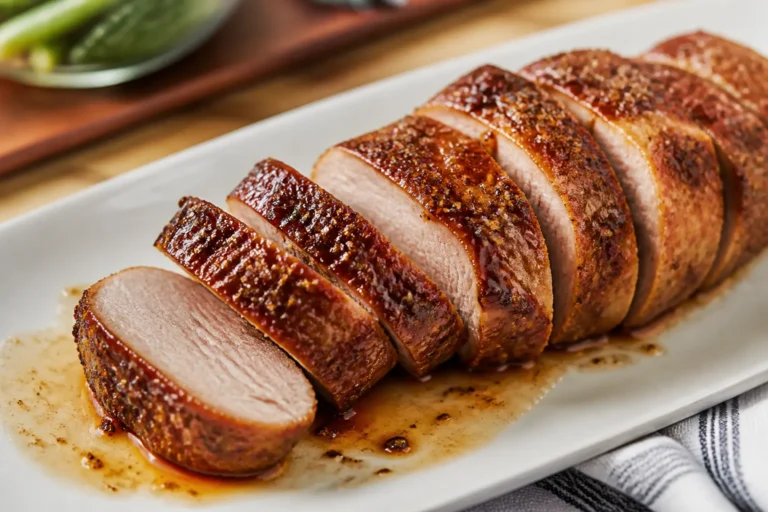
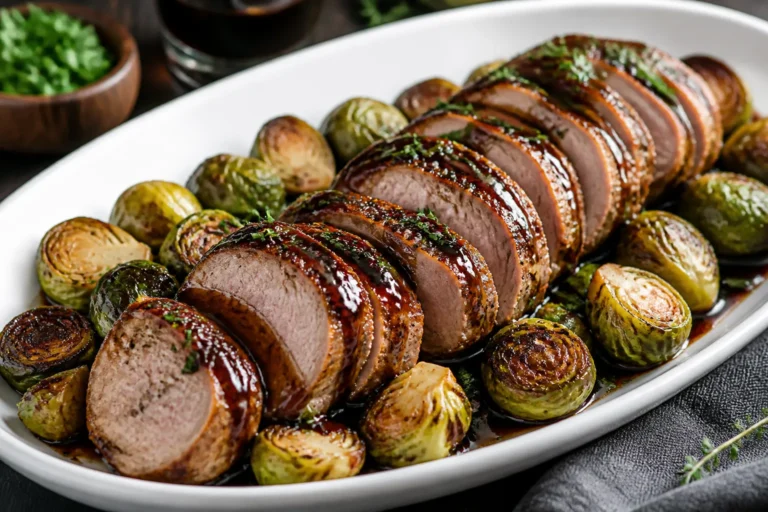
Brown Sugar Dijon Pork Tenderloin – Sweet, Savory, and Weeknight Easy
Pork tenderloin doesn’t need much to shine, and this version proves it. A quick mix of brown sugar and Dijon mustard turns into a glossy, flavorful glaze that hugs every slice. It’s the kind of dish that feels special but doesn’t ask for much in return—perfect for busy nights or casual dinner guests.
FREE 7-Day Easy Dinner Reset
Save time, eat healthier, and take the stress out of dinner. Get a full week of easy healthy dinners delivered straight to your inbox.
Pair it with roasted potatoes, green beans, or a simple salad, and you’ve got a complete meal that’s both cozy and impressive.
Ingredients
Method
- Preheat and prep: Heat your oven to 400°F (205°C). Pat the pork dry with paper towels and trim any silver skin. Dry meat sears better and helps the glaze stick.
- Season the pork: Sprinkle the tenderloin with salt, pepper, and smoked paprika. Press the seasoning in so it adheres.
- Make the glaze: In a small bowl, whisk together brown sugar, Dijon mustard, minced garlic, and apple cider vinegar. Stir until smooth and glossy.
- Sear the tenderloin: Heat olive oil in an oven-safe skillet over medium-high heat. When the oil shimmers, add the pork and sear for 2–3 minutes per side until lightly browned. Don’t cook it through yet—just build color.
- Glaze generously: Turn off the heat. Spoon half of the brown sugar Dijon mixture over the pork, coating all sides. Reserve the rest for later.
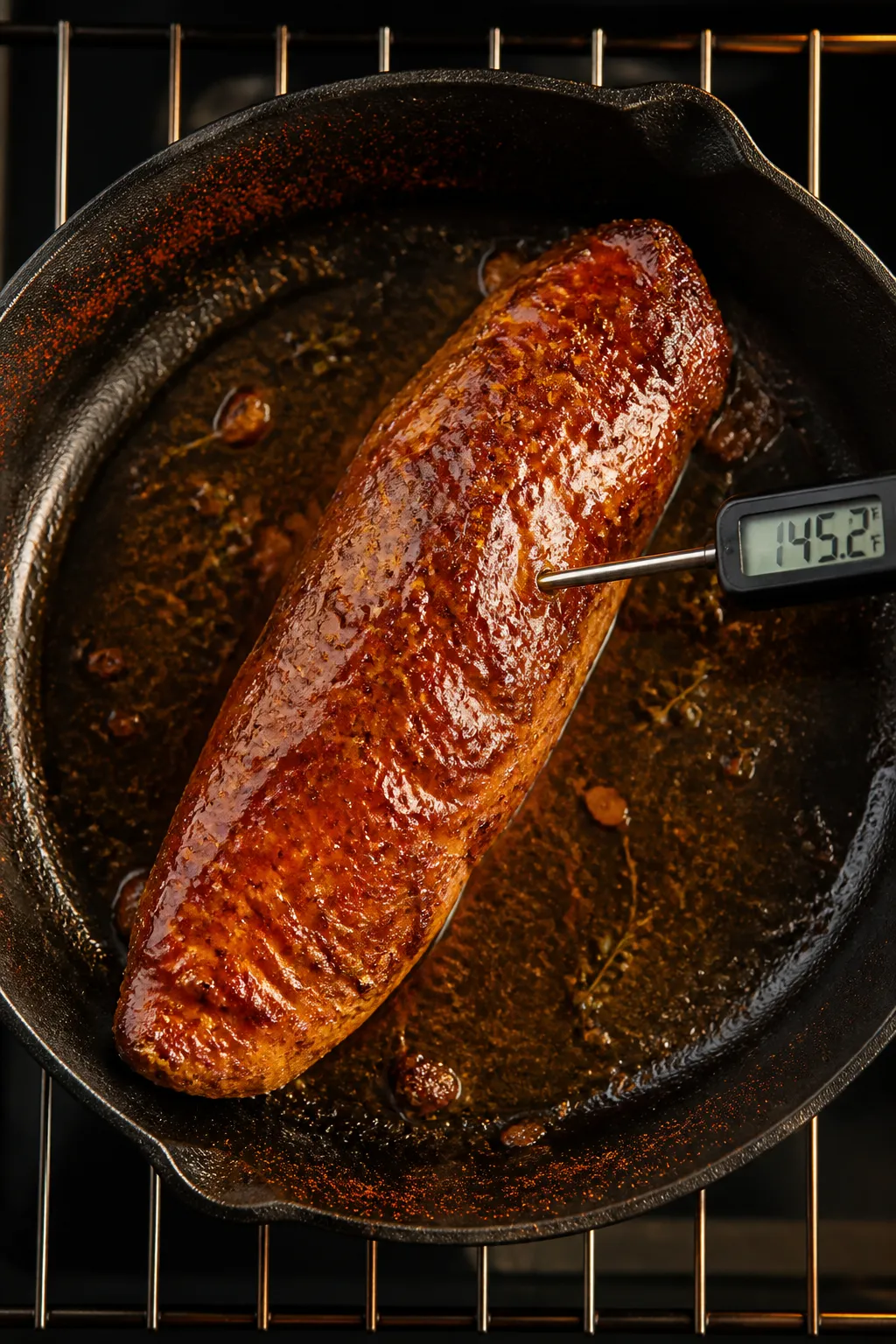
- Roast to temp: Transfer the skillet to the oven. Roast for 12–18 minutes, depending on thickness, until an instant-read thermometer inserted into the thickest part reads 140°F–145°F.
- Finish with more glaze: In the last 3 minutes of cooking, brush the remaining glaze over the pork so it sets and turns shiny.
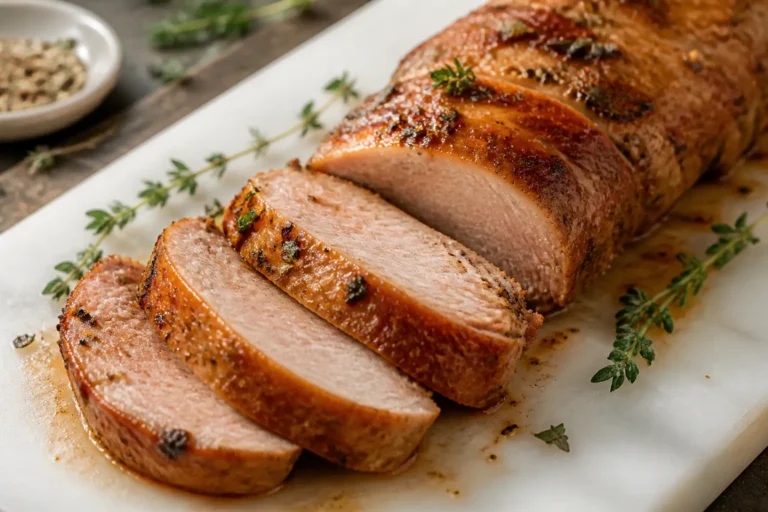
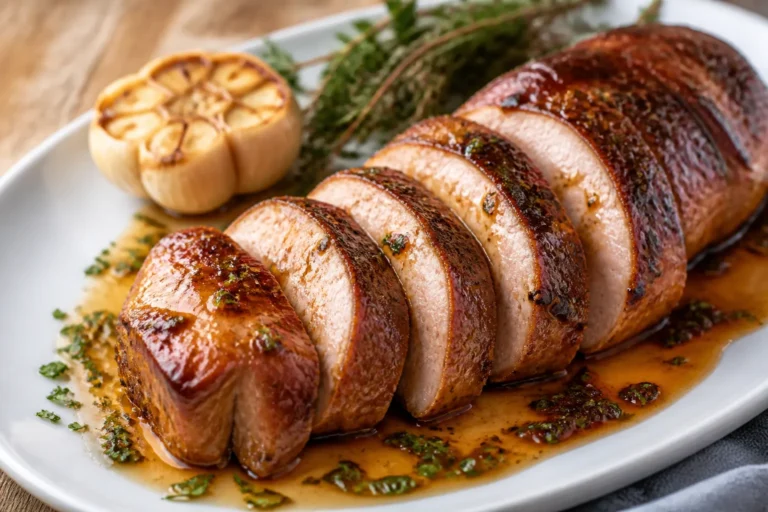
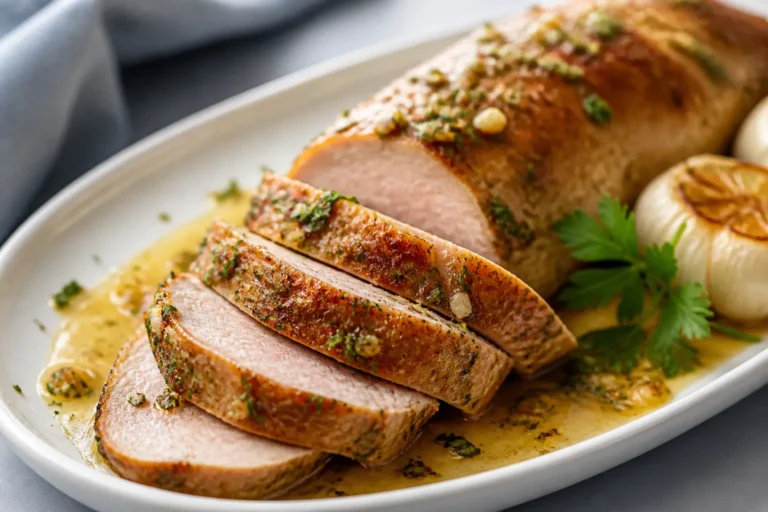
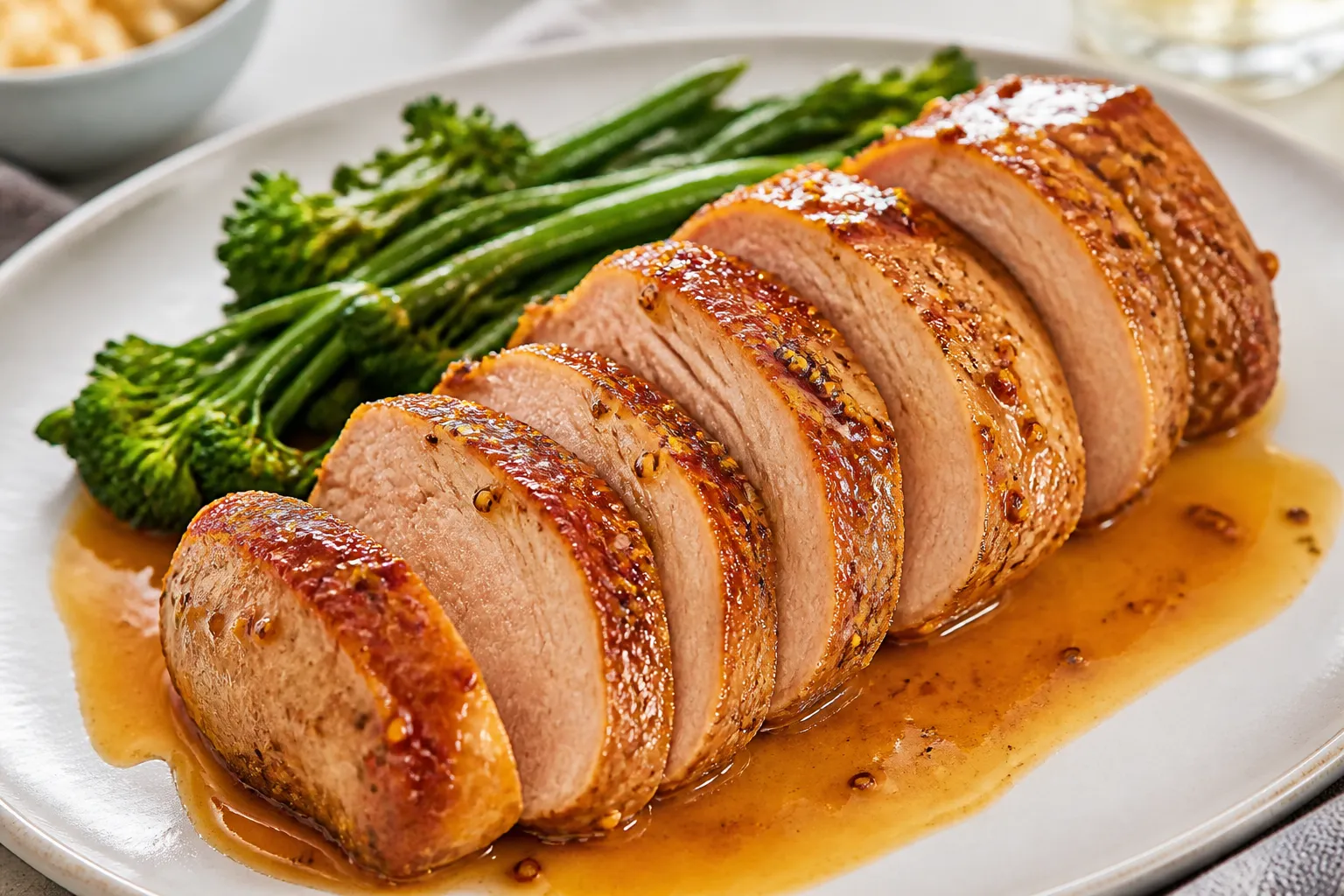
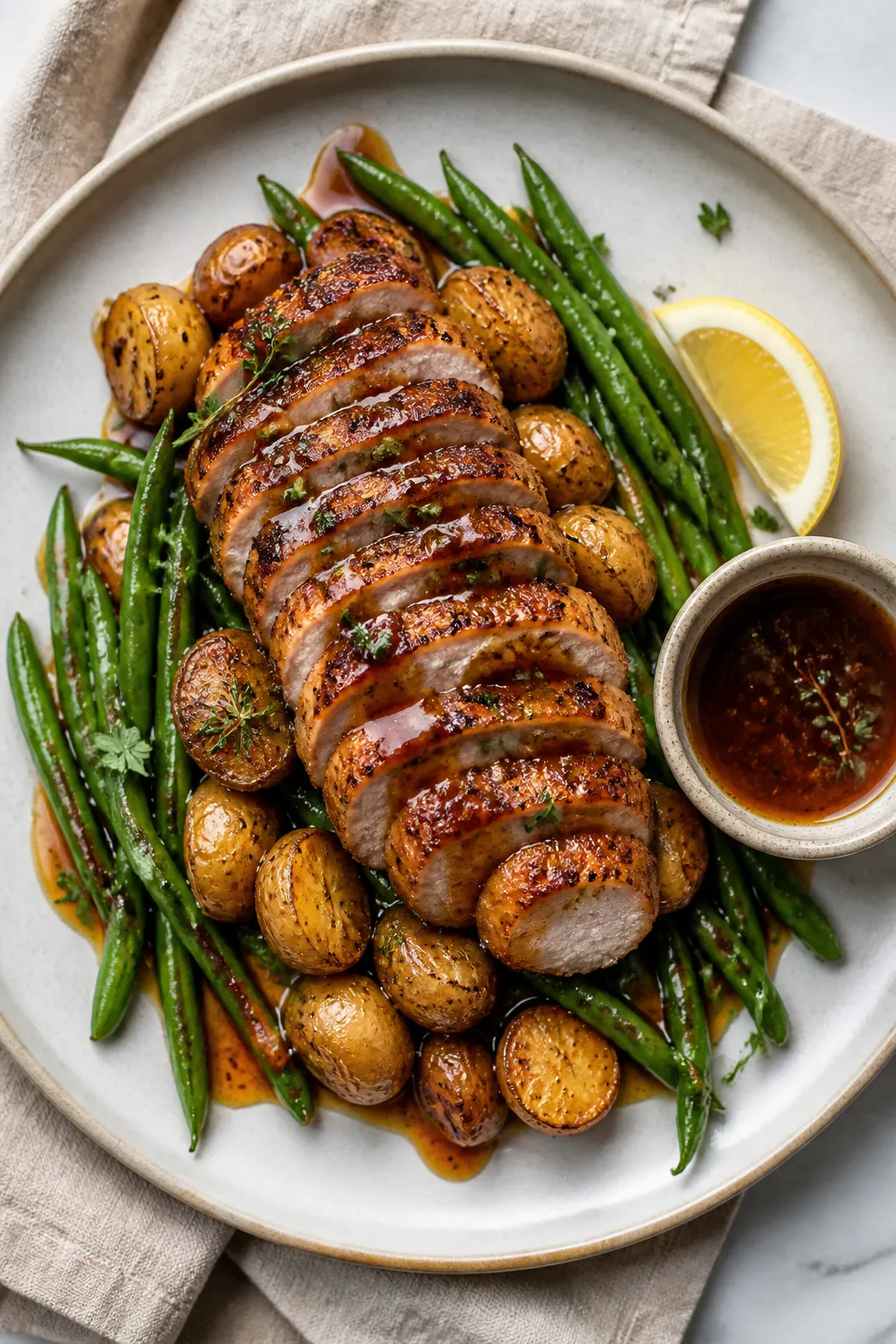
- Rest, then slice: Move the pork to a cutting board and rest for 5–10 minutes. This keeps the juices inside. Slice into 1/2-inch medallions and drizzle with any pan juices. Sprinkle with fresh herbs if you like.
What Makes This Recipe So Good
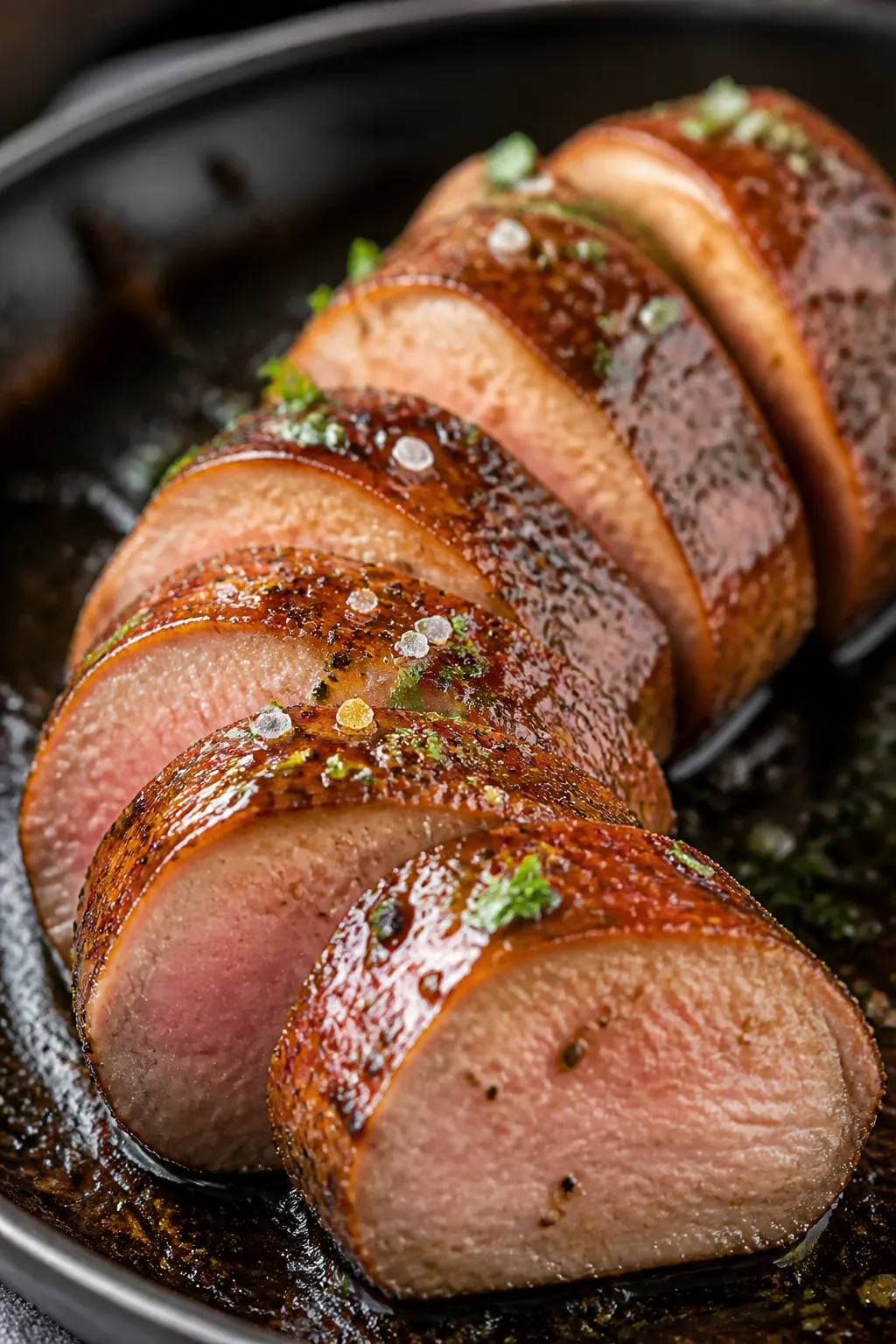
- Balanced flavor: Sweet brown sugar and tangy Dijon create a caramelized crust that’s savory, not cloying.
- Quick cook time: Pork tenderloin cooks fast, so dinner is on the table in under 40 minutes.
- Simple prep: A handful of pantry staples and one pan. No fuss, no special equipment.
- Juicy every time: With the right temp and a brief rest, pork stays tender and moist.
- Versatile: Works with sheet-pan veggies, on sandwiches, or sliced over salads.
What You’ll Need
- 1–2 pork tenderloins (about 1 to 1.5 pounds total), silver skin trimmed
- 2 tablespoons olive oil (or another high-heat oil)
- 1/3 cup light brown sugar, packed
- 3 tablespoons Dijon mustard
- 2 cloves garlic, minced
- 1 tablespoon apple cider vinegar (or lemon juice)
- 1 teaspoon kosher salt, plus more to taste
- 1/2 teaspoon black pepper
- 1/2 teaspoon smoked paprika (optional, for depth)
- 1/4 teaspoon red pepper flakes (optional, for a gentle kick)
- Fresh herbs to finish (parsley or thyme), optional
Step-by-Step Instructions
- Preheat and prep: Heat your oven to 400°F (205°C). Pat the pork dry with paper towels and trim any silver skin.
Dry meat sears better and helps the glaze stick.
- Season the pork: Sprinkle the tenderloin with salt, pepper, and smoked paprika. Press the seasoning in so it adheres.
- Make the glaze: In a small bowl, whisk together brown sugar, Dijon mustard, minced garlic, and apple cider vinegar. Stir until smooth and glossy.
- Sear the tenderloin: Heat olive oil in an oven-safe skillet over medium-high heat.
When the oil shimmers, add the pork and sear for 2–3 minutes per side until lightly browned. Don’t cook it through yet—just build color.
- Glaze generously: Turn off the heat. Spoon half of the brown sugar Dijon mixture over the pork, coating all sides.
Reserve the rest for later.
- Roast to temp: Transfer the skillet to the oven. Roast for 12–18 minutes, depending on thickness, until an instant-read thermometer inserted into the thickest part reads 140°F–145°F.
- Finish with more glaze: In the last 3 minutes of cooking, brush the remaining glaze over the pork so it sets and turns shiny.
- Rest, then slice: Move the pork to a cutting board and rest for 5–10 minutes. This keeps the juices inside.
Slice into 1/2-inch medallions and drizzle with any pan juices. Sprinkle with fresh herbs if you like.
Keeping It Fresh
- Storage: Keep leftovers in an airtight container in the fridge for up to 3–4 days.
- Reheating: Warm gently in a covered skillet over low heat with a splash of water or chicken broth. Avoid microwaving on high—it can dry out the pork.
- Freezing: Freeze sliced pork in a freezer bag with extra sauce for up to 2 months.
Thaw overnight in the fridge and reheat low and slow.
- Make-ahead: Mix the glaze up to 3 days in advance and store it chilled. Bring to room temp before using for easier spreading.
Benefits of This Recipe
- Weeknight-friendly: From start to finish, you’re looking at about 30–40 minutes.
- Budget-conscious: Pork tenderloin is typically less expensive than beef or fish for the same wow factor.
- Lean protein: Pork tenderloin is a lean cut, making it a lighter option without sacrificing flavor.
- Pantry-powered: Brown sugar and Dijon are common staples, so you’re rarely more than a grocery run for the meat away from dinner.
- Kid and crowd friendly: The sweetness is subtle, and the tang keeps it balanced. It’s an easy win.
Pitfalls to Watch Out For
- Overcooking: Pork tenderloin dries out fast.
Use a thermometer and pull at 140–145°F. It will rise a few degrees as it rests.
- Skipping the sear: Searing adds flavor and helps the glaze cling. Don’t skip it unless you’re short on time.
- Too much sugar on high heat: Sugar burns quickly on the stovetop.
Add most of the glaze before roasting, not during the sear.
- Uneven thickness: If one end is much thinner, tuck it under or tie with kitchen twine for even cooking.
- Not resting the meat: Cutting right away spills juices onto the board. Resting keeps every slice juicy.
Alternatives
- Mustard swap: Use whole-grain mustard for texture, or honey mustard for extra sweetness.
- Sugar swap: Try maple syrup or honey instead of brown sugar. Reduce oven temp to 375°F if using honey to avoid quick browning.
- Spice it up: Add 1 teaspoon of chili powder or a pinch of cayenne to the glaze for heat.
- Herb twist: Stir in chopped fresh rosemary or thyme to the glaze for an earthy note.
- No-skillet method: Skip the sear.
Place the seasoned pork on a foil-lined sheet pan, brush with glaze, and roast at 400°F for 20–25 minutes, glazing again halfway.
- Grill option: Grill over medium heat, turning every few minutes, brushing with glaze in the last 5–7 minutes to avoid burning.
FAQ
How do I know when pork tenderloin is done?
Use an instant-read thermometer. The pork is done at 145°F in the center. Remove it from the oven at 140–145°F and let it rest 5–10 minutes.
Can I use pork loin instead of tenderloin?
Pork loin is larger and cooks longer.
Need More Easy Dinner Ideas?
Get my FREE 7-Day Easy Dinner Reset and enjoy a full week of healthy dinners without the meal-planning stress.
If you substitute, plan on 50–70 minutes at 350°F, brushing with the glaze during the last 15 minutes. A thermometer is essential.
Do I need to marinate the pork?
No. The glaze adds plenty of flavor without a long marinating time.
If you want, you can rub the pork with a tablespoon of Dijon and a little salt an hour ahead.
What sides go best with this?
Roasted potatoes, green beans, asparagus, mashed sweet potatoes, rice pilaf, or a simple arugula salad all work well. The sweet-tangy sauce pairs with just about anything.
Can I make this without an oven-safe skillet?
Yes. Sear the pork in a regular skillet, then transfer it to a preheated sheet pan or baking dish to finish in the oven.
Pour any pan juices over the top.
Why trim the silver skin?
Silver skin is tough and doesn’t break down with cooking. Removing it keeps the meat tender and lets the seasonings penetrate better.
How can I get a thicker glaze?
After roasting, move the pork to rest. Place the skillet on low heat and reduce the pan juices for 1–2 minutes, stirring until syrupy.
Spoon over the slices.
Is this recipe spicy?
Only if you add red pepper flakes. The base recipe is sweet and tangy with no heat.
Can I double the recipe?
Absolutely. Use two tenderloins and avoid crowding the pan so they sear properly.
You can roast both in the same oven, just check temps individually.
What wine pairs well with this dish?
Try a light, juicy red like Pinot Noir or a crisp white like Riesling or Chardonnay. The gentle sweetness and acidity match the glaze nicely.
Final Thoughts
Brown Sugar Dijon Pork Tenderloin is one of those back-pocket recipes that never lets you down. It’s fast, flavorful, and flexible enough for weeknights or company.
With a golden sear, a glossy glaze, and a quick rest, you’ll get tender slices every time. Keep these simple tips in mind, and you’ll have a reliable, crowd-pleasing dinner ready whenever you need it.
Printable Recipe Card
Want just the essential recipe details without scrolling through the article? Get our printable recipe card with just the ingredients and instructions.
Loved This Recipe?
If you're looking for more simple, healthy dinners your family will actually eat, grab my FREE 7-Day Easy Dinner Reset. You'll get 7 easy dinner recipes, simple grocery lists, and a done-for-you plan that takes the stress out of mealtime.