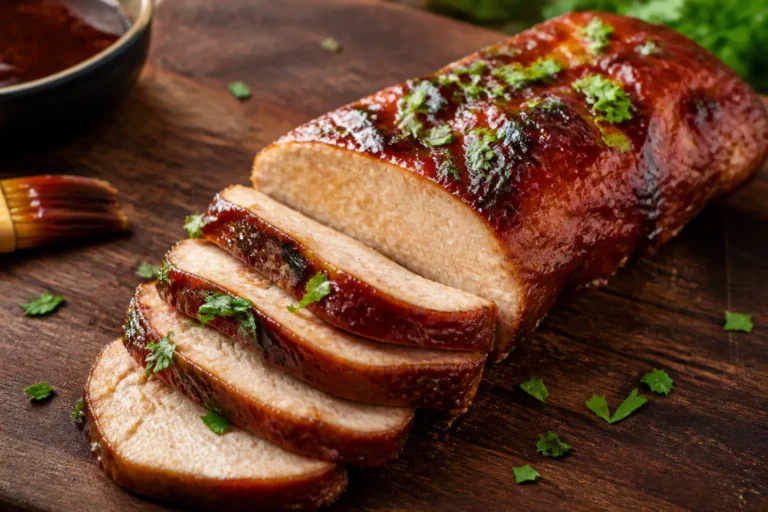
Parmesan Garlic Pork Tenderloin Roast – Simple, Juicy, Crowd-Pleasing
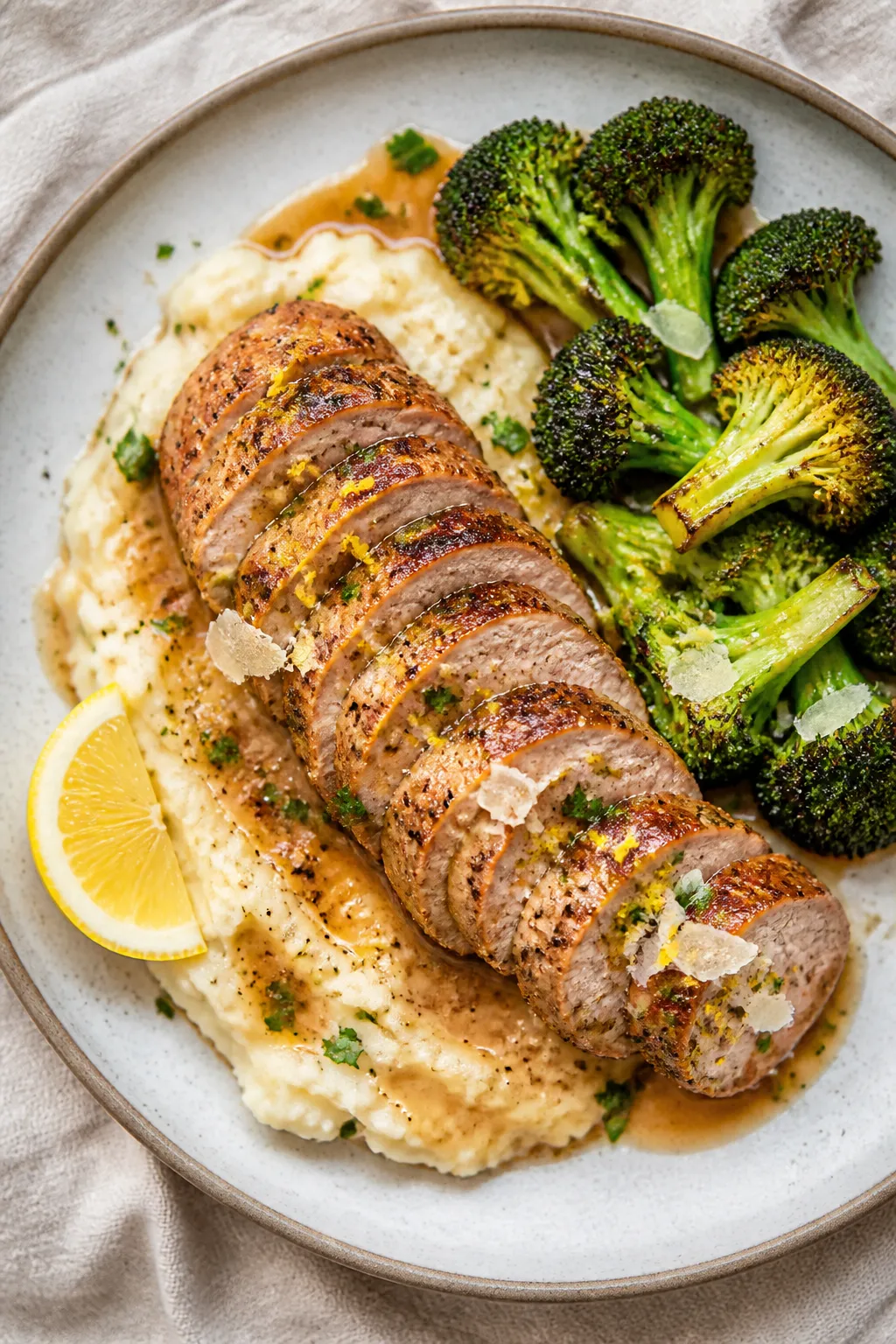
Pork tenderloin doesn’t need much to taste great, and this version proves it. A crisp Parmesan crust, lots of garlic, and a splash of lemon turn a lean cut into something special. It cooks fast, slices beautifully, and works for weeknights or dinner with friends.
FREE 7-Day Easy Dinner Reset
Save time, eat healthier, and take the stress out of dinner. Get a full week of easy healthy dinners delivered straight to your inbox.
Serve it with roasted veggies, a green salad, or buttery mashed potatoes. You’ll get big flavor with very little effort.
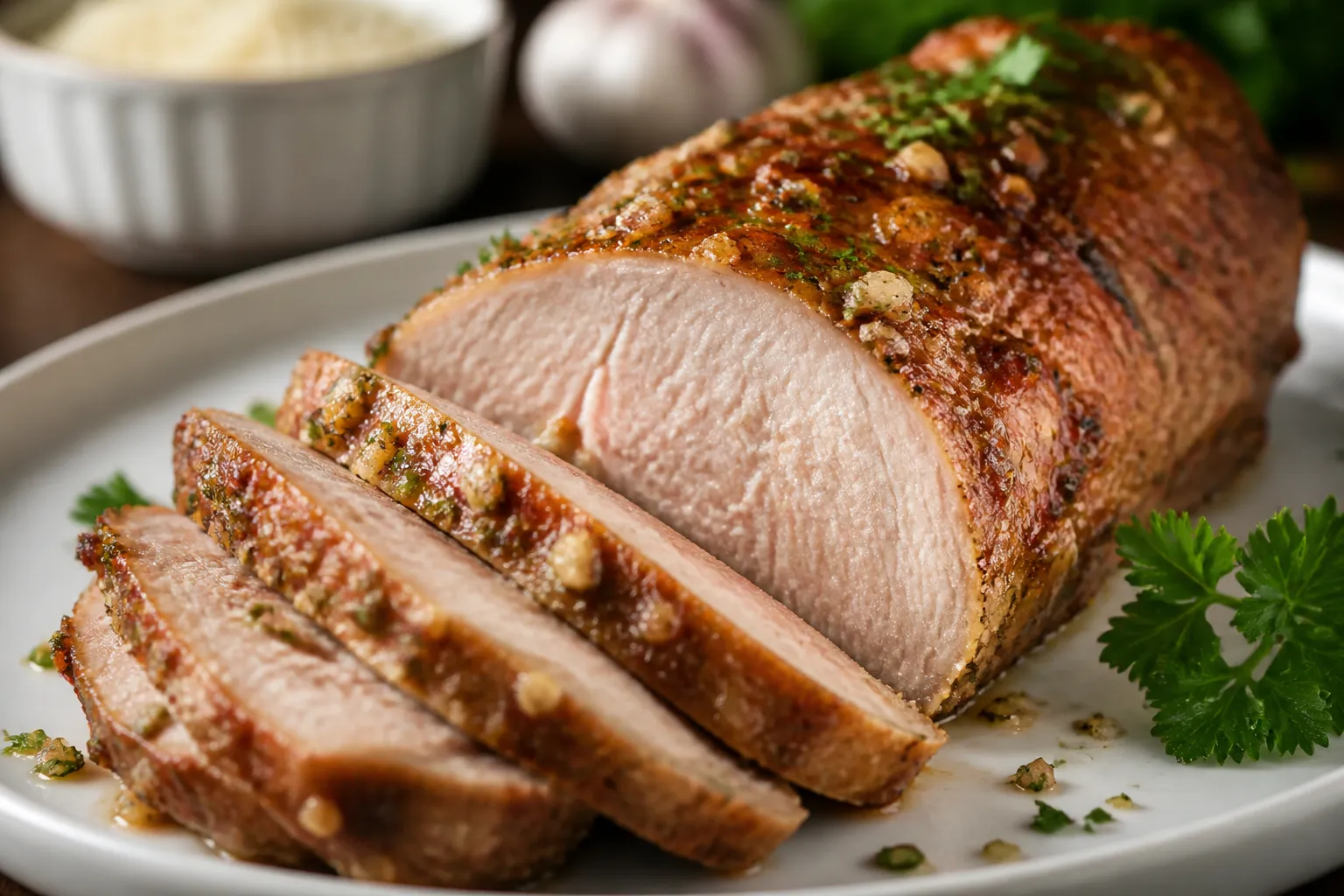
Ingredients
Method
- Preheat and prep: Heat the oven to 400°F (205°C). Pat the pork dry with paper towels. Dry meat sears better and builds a flavorful crust.
- Make the garlic-Parmesan paste: In a bowl, mix garlic, Parmesan, 2 tablespoons olive oil, lemon zest, Italian seasoning, smoked paprika, red pepper flakes, 1 teaspoon kosher salt, and 1/2 teaspoon black pepper. It should be a thick, spreadable paste.
- Season the tenderloin: Lightly salt and pepper the pork. Rub the garlic-Parmesan paste all over, pressing it in so it adheres.
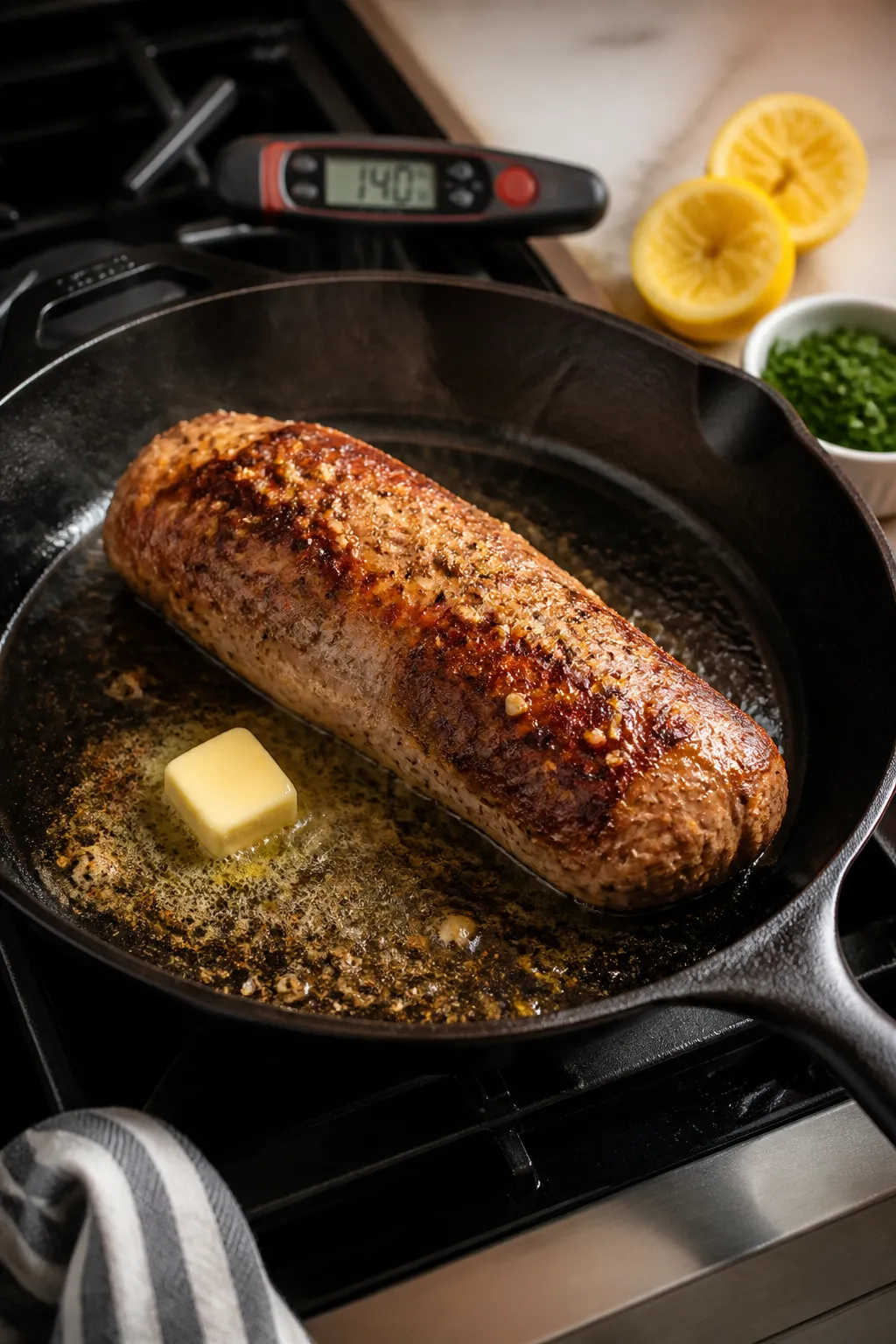
- Sear for crust: Heat a large oven-safe skillet over medium-high. Add 1 tablespoon olive oil (and butter if using). Sear the pork 1–2 minutes per side until lightly golden. Don’t move it too much; let the crust form.
- Roast to temp: Transfer the skillet to the oven. Roast 12–18 minutes, depending on thickness, until the internal temperature reaches 140–145°F in the thickest part.
- Rest and finish: Move the pork to a cutting board. Rest 5–8 minutes. Squeeze a little lemon juice over the top and sprinkle with chopped parsley and extra Parmesan.
- Slice and serve: Slice into 1/2-inch rounds. Spoon any pan juices over the slices. Serve with roasted broccoli, green beans, or a simple salad.
What Makes This Recipe So Good
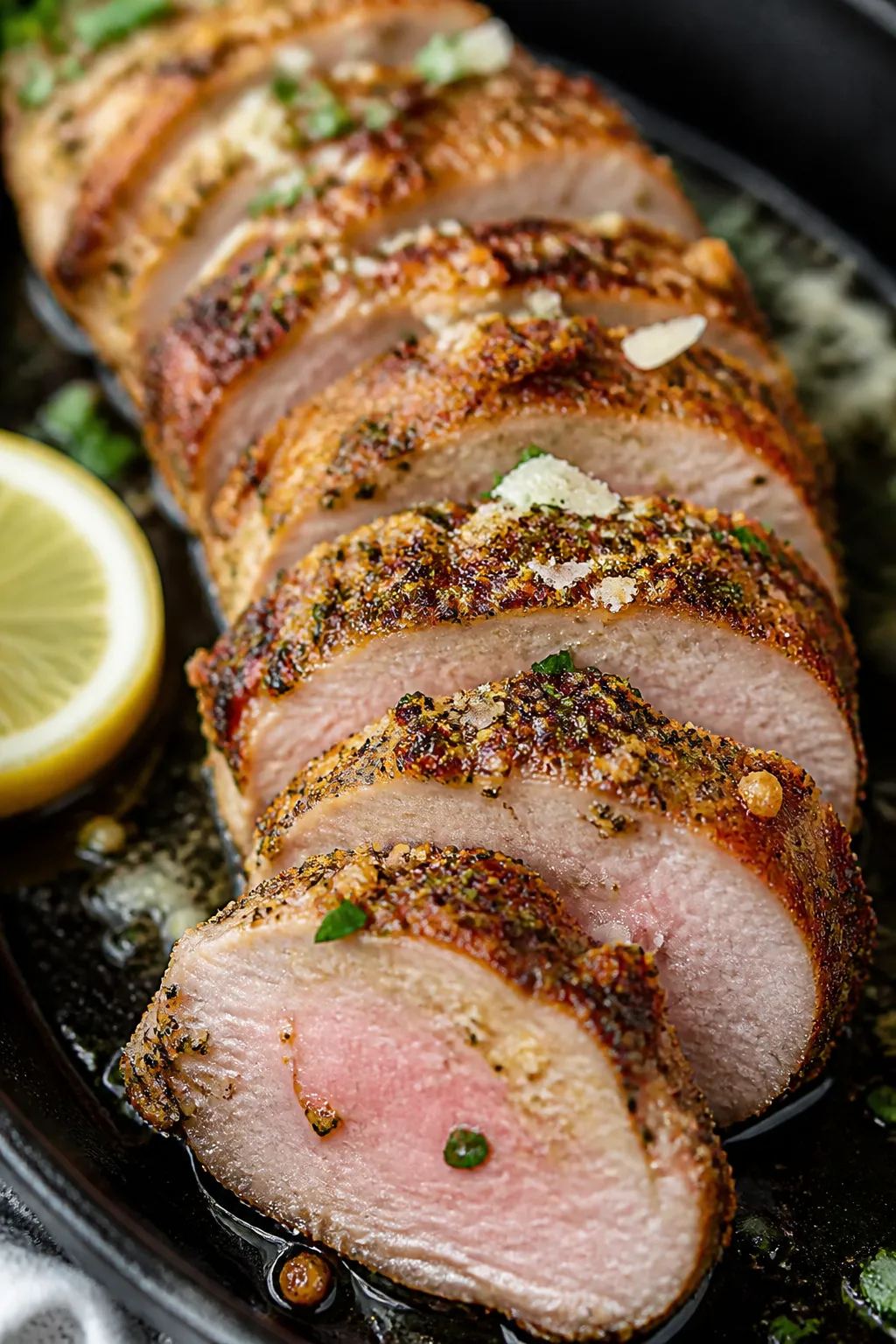
- Fast but impressive: Tenderloin cooks quickly yet feels like a centerpiece dish.
- Bold flavor, simple method: Parmesan, garlic, and herbs create a savory crust without complicated steps.
- Juicy every time: A quick sear and oven finish keep the meat tender and moist.
- Versatile: Works with many sides and fits most diets that favor high-protein, lower-carb meals.
- Make-ahead friendly: The rub can be prepped in advance, and leftovers reheat well.
Shopping List
- 1–2 pork tenderloins (about 1 to 1.25 pounds each), silver skin trimmed
- Fresh garlic (6–8 cloves), minced
- Freshly grated Parmesan cheese (about 3/4 cup), plus extra for serving
- Olive oil (2–3 tablespoons)
- Unsalted butter (1 tablespoon, optional for searing)
- Lemon (1), for zest and juice
- Fresh parsley (a small handful), chopped
- Dried Italian seasoning (1 teaspoon) or a mix of dried oregano, basil, and thyme
- Smoked paprika (1/2 teaspoon)
- Crushed red pepper flakes (a pinch, optional)
- Kosher salt and freshly ground black pepper
How to Make It
- Preheat and prep: Heat the oven to 400°F (205°C). Pat the pork dry with paper towels.
Dry meat sears better and builds a flavorful crust.
- Make the garlic-Parmesan paste: In a bowl, mix garlic, Parmesan, 2 tablespoons olive oil, lemon zest, Italian seasoning, smoked paprika, red pepper flakes, 1 teaspoon kosher salt, and 1/2 teaspoon black pepper. It should be a thick, spreadable paste.
- Season the tenderloin: Lightly salt and pepper the pork. Rub the garlic-Parmesan paste all over, pressing it in so it adheres.
- Sear for crust: Heat a large oven-safe skillet over medium-high.
Add 1 tablespoon olive oil (and butter if using). Sear the pork 1–2 minutes per side until lightly golden. Don’t move it too much; let the crust form.
- Roast to temp: Transfer the skillet to the oven.
Roast 12–18 minutes, depending on thickness, until the internal temperature reaches 140–145°F in the thickest part.
- Rest and finish: Move the pork to a cutting board. Rest 5–8 minutes. Squeeze a little lemon juice over the top and sprinkle with chopped parsley and extra Parmesan.
- Slice and serve: Slice into 1/2-inch rounds.
Spoon any pan juices over the slices. Serve with roasted broccoli, green beans, or a simple salad.
Keeping It Fresh
- Storing: Cool completely, then refrigerate slices in an airtight container for up to 3–4 days.
- Reheating: Warm gently in a 300°F oven, covered, for 8–10 minutes or in a skillet over low heat with a splash of broth. Avoid microwaving on high—it dries out.
- Freezing: Freeze slices in a freezer bag with a bit of pan juice for up to 2 months.
Thaw in the fridge overnight before reheating.
- Meal prep tip: Keep the lemon and extra Parmesan for the moment you reheat. A fresh squeeze and sprinkle brighten leftovers.
Health Benefits
- Lean protein: Pork tenderloin is one of the leanest cuts, supporting muscle repair and satiety without heavy calories.
- Calcium and umami: Parmesan adds calcium and savory depth, helping you use less salt overall.
- Antioxidants: Garlic and lemon bring antioxidants and flavor with minimal added fat.
- Lower carb friendly: The coating relies on cheese and herbs instead of breadcrumbs, keeping carbs in check.
What Not to Do
- Don’t overcook: Going past 145°F dries out this lean cut. Use an instant-read thermometer.
- Don’t skip the rest: Cutting too soon lets juices spill out.
Resting keeps it tender.
- Don’t use pre-grated powdery cheese: Freshly grated Parmesan melts and browns better, creating a real crust.
- Don’t overcrowd the pan: If cooking two tenderloins, sear in batches so they brown instead of steam.
- Don’t forget to dry the meat: Moisture on the surface prevents a good sear and crust.
Variations You Can Try
- Herb-forward: Add chopped fresh rosemary and thyme to the paste for a woodsy, aromatic twist.
- Mustard kick: Whisk 1 teaspoon Dijon into the paste for tang and extra browning.
- Zesty lemon-pepper: Double the lemon zest and add cracked black pepper, then serve with lemon wedges.
- Smoky chipotle: Swap smoked paprika for chipotle powder and finish with cilantro and lime.
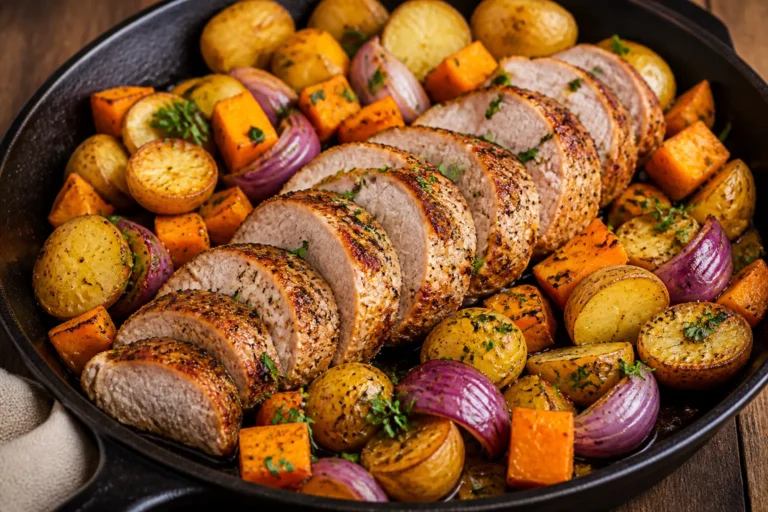
- Sheet pan dinner: Roast alongside halved baby potatoes and carrots. Toss veggies with olive oil, salt, and pepper, and start them 10 minutes before adding the pork.
- Air fryer: Air fry at 400°F for 14–18 minutes, turning halfway, until 140–145°F. Rest before slicing.
FAQ
Can I use pork loin instead of tenderloin?
Need More Easy Dinner Ideas?
Get my FREE 7-Day Easy Dinner Reset and enjoy a full week of healthy dinners without the meal-planning stress.
Pork loin is thicker and takes longer to cook.
You can use it, but adjust the cook time significantly and consider starting at a lower oven temp (350°F) after searing. Aim for 140–145°F internal and rest well.
Do I need to remove the silver skin?
Yes. Silver skin doesn’t break down and can make the meat chewy.
Use a sharp knife to slide under the membrane and trim it off before seasoning.
How do I keep the Parmesan crust from burning?
Sear quickly over medium-high heat and finish in the oven. If the crust browns too fast, tent loosely with foil for the last few minutes.
Can I marinate the pork overnight?
Yes, but skip the Parmesan in a long marinade. Combine garlic, oil, lemon zest, and herbs overnight.
Pat dry, then add Parmesan right before searing and roasting.
What internal temperature should I aim for?
Pull the pork at 140–145°F. It will rise a couple of degrees as it rests. This range keeps the meat juicy and safe to eat.
What sides pair best?
Roasted asparagus, sautéed green beans, lemony arugula salad, garlic mashed potatoes, or creamy polenta all work well.
Keep sides simple to let the crust shine.
Can I make a quick pan sauce?
Yes. After roasting, place the skillet over medium heat. Add a splash of chicken broth and a squeeze of lemon, scrape up browned bits, and whisk in a teaspoon of butter.
Spoon over slices.
Final Thoughts
This Parmesan Garlic Pork Tenderloin Roast is the kind of recipe that earns a spot in your regular rotation. It’s simple, fast, and packed with flavor from everyday ingredients. With a crisp, garlicky crust and juicy center, it delivers restaurant-level results without fuss.
Keep a tenderloin in the freezer, grab a lemon and some Parmesan, and you’re halfway to dinner.
Printable Recipe Card
Want just the essential recipe details without scrolling through the article? Get our printable recipe card with just the ingredients and instructions.
Loved This Recipe?
If you're looking for more simple, healthy dinners your family will actually eat, grab my FREE 7-Day Easy Dinner Reset. You'll get 7 easy dinner recipes, simple grocery lists, and a done-for-you plan that takes the stress out of mealtime.