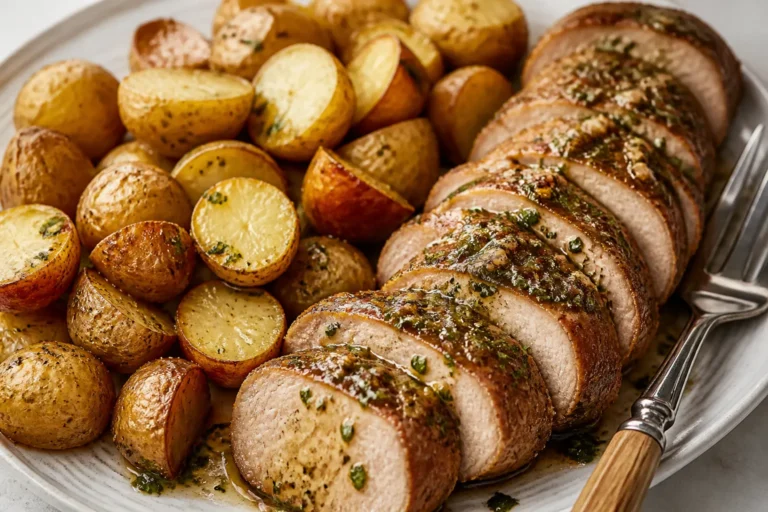
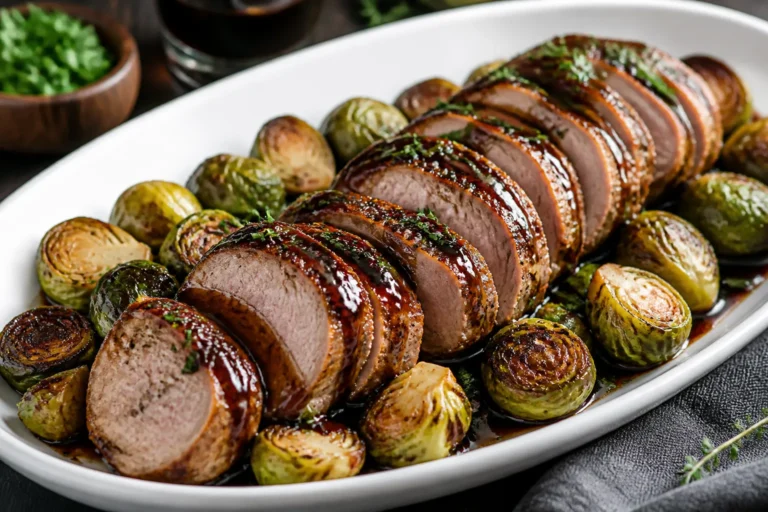
Garlic Brown Sugar Pork Tenderloin – Sweet, Savory, and Weeknight-Friendly
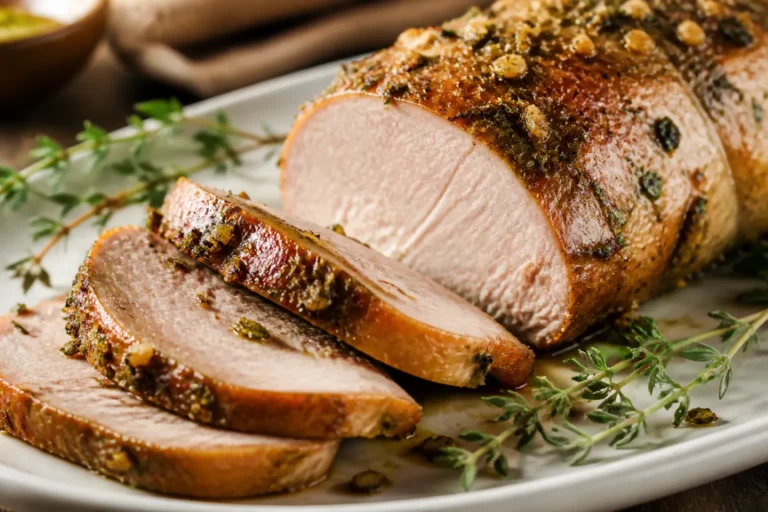
Pork tenderloin doesn’t need to be fussy to be great. This version uses pantry staples—garlic, brown sugar, and a few smart seasonings—to create a glossy, caramelized crust and juicy, tender slices. It’s simple enough for a weeknight and polished enough for guests.
FREE 7-Day Easy Dinner Reset
Save time, eat healthier, and take the stress out of dinner. Get a full week of easy healthy dinners delivered straight to your inbox.
The flavor hits all the right notes: sweet, savory, garlicky, and a little smoky. Serve it with roasted vegetables, mashed potatoes, or a crisp salad, and dinner is done.
Ingredients
Method
- Preheat and prep: Heat the oven to 400°F (205°C). Pat the pork dry with paper towels. Trim off any silver skin so the seasoning penetrates evenly and the meat stays tender.
- Mix the glaze: In a small bowl, combine brown sugar, minced garlic, Dijon, soy sauce, smoked paprika, salt, pepper, and red pepper flakes. Stir until it forms a thick paste. If it feels too dry, add 1 teaspoon of olive oil.
- Season the pork: Rub 1 tablespoon of olive oil over the tenderloins. Spread the garlic brown sugar paste all over, coating the tops and sides. Let it rest 10 minutes while you heat the pan to help the flavors stick.
- Sear for color: Heat a large oven-safe skillet over medium-high heat and add the remaining 1 tablespoon olive oil. When shimmering, sear the tenderloins 1 to 2 minutes per side until lightly browned. Don’t worry if some glaze caramelizes in the pan—that’s flavor.
- Roast to temp: Transfer the skillet to the oven. Roast 12 to 16 minutes, depending on thickness, until an instant-read thermometer reads 140–145°F (60–63°C) at the thickest part. If using, dot the butter on top during the last 5 minutes.
- Deglaze and brighten: Remove the pork to a cutting board and rest for 5 to 8 minutes. While it rests, set the skillet over low heat and add the apple cider vinegar or lemon juice, scraping up browned bits into a glossy sauce. If it’s too thick, splash in a tablespoon of water.
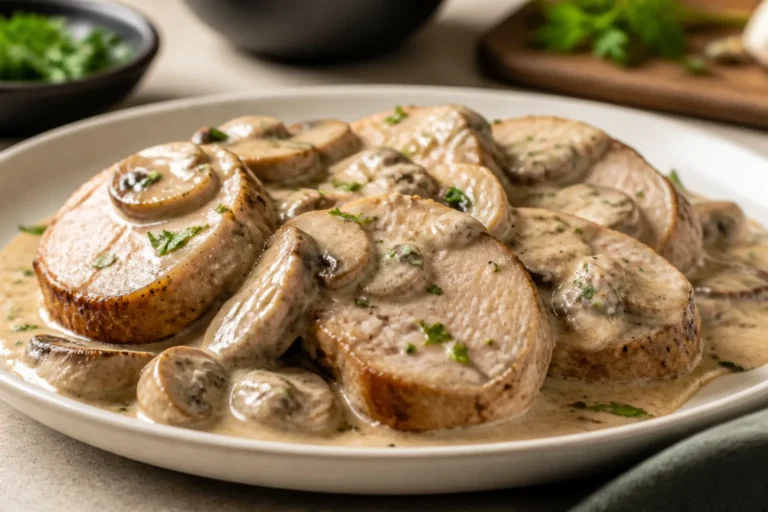
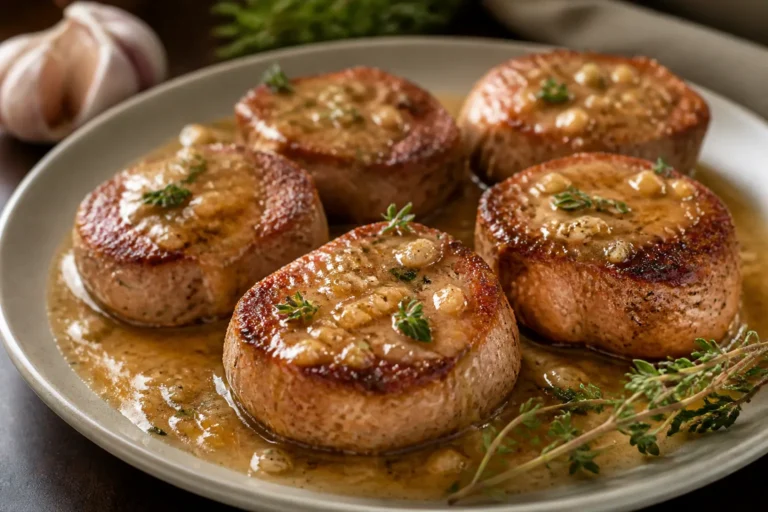
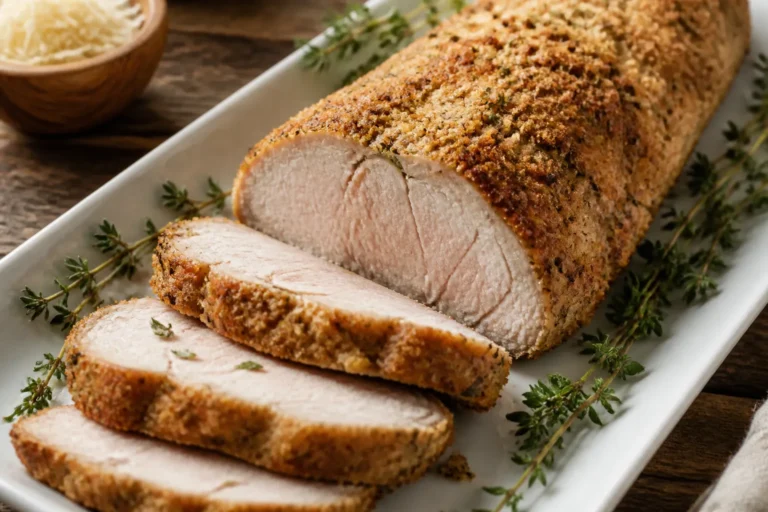
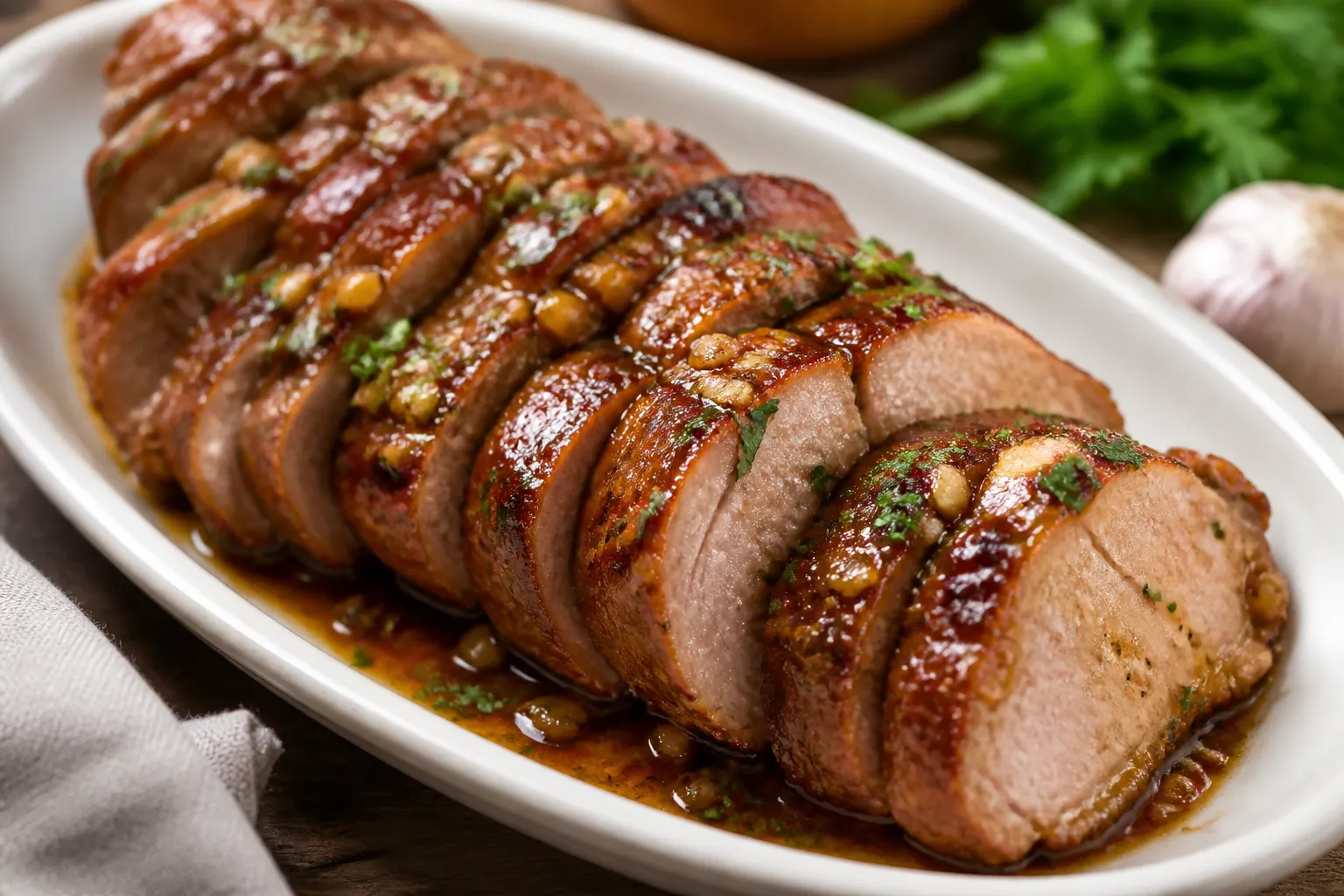
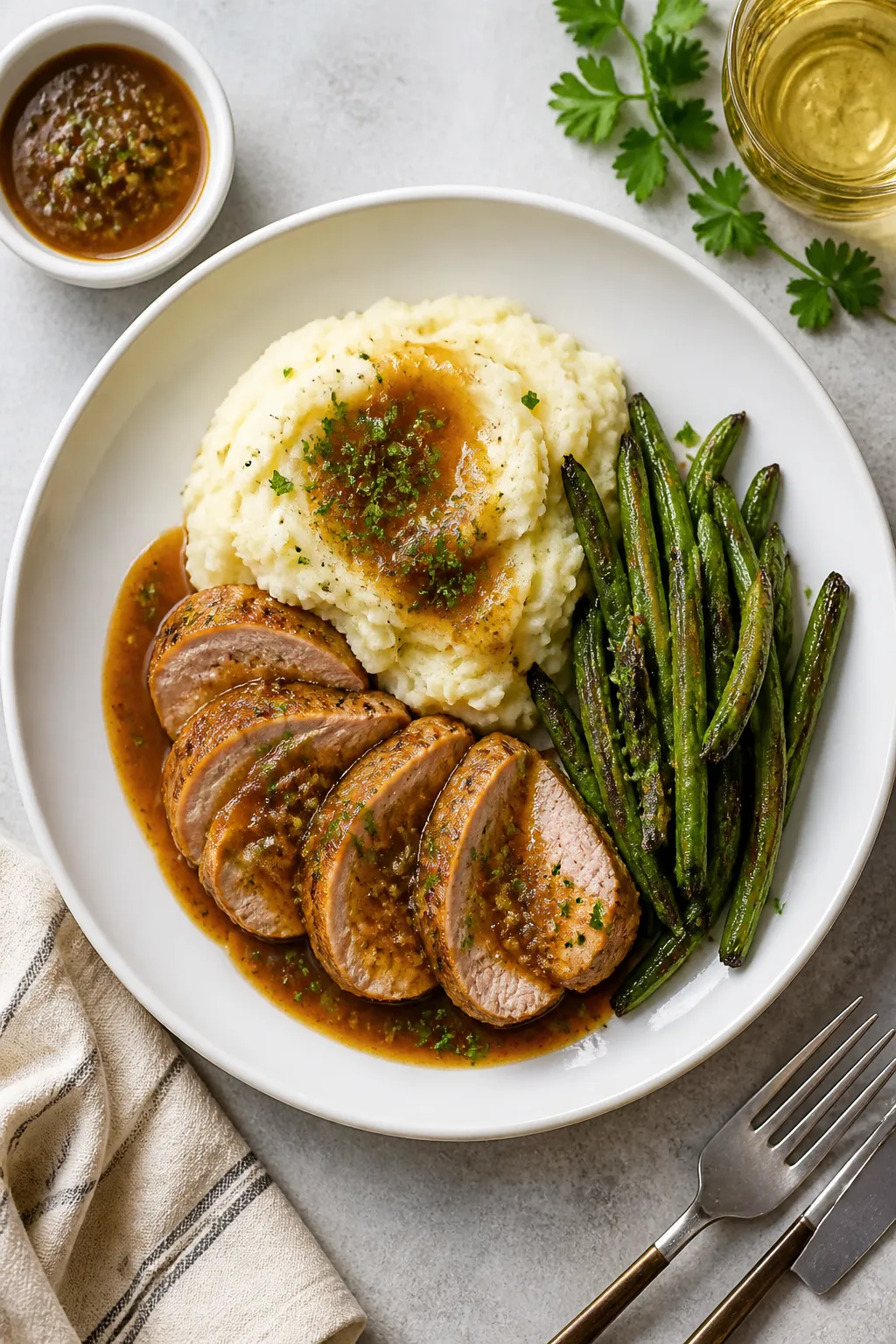
- Slice and serve: Slice the tenderloin into 1/2-inch medallions. Spoon the pan sauce over the top and garnish with parsley. Taste and finish with a pinch of salt if needed.
What Makes This Special
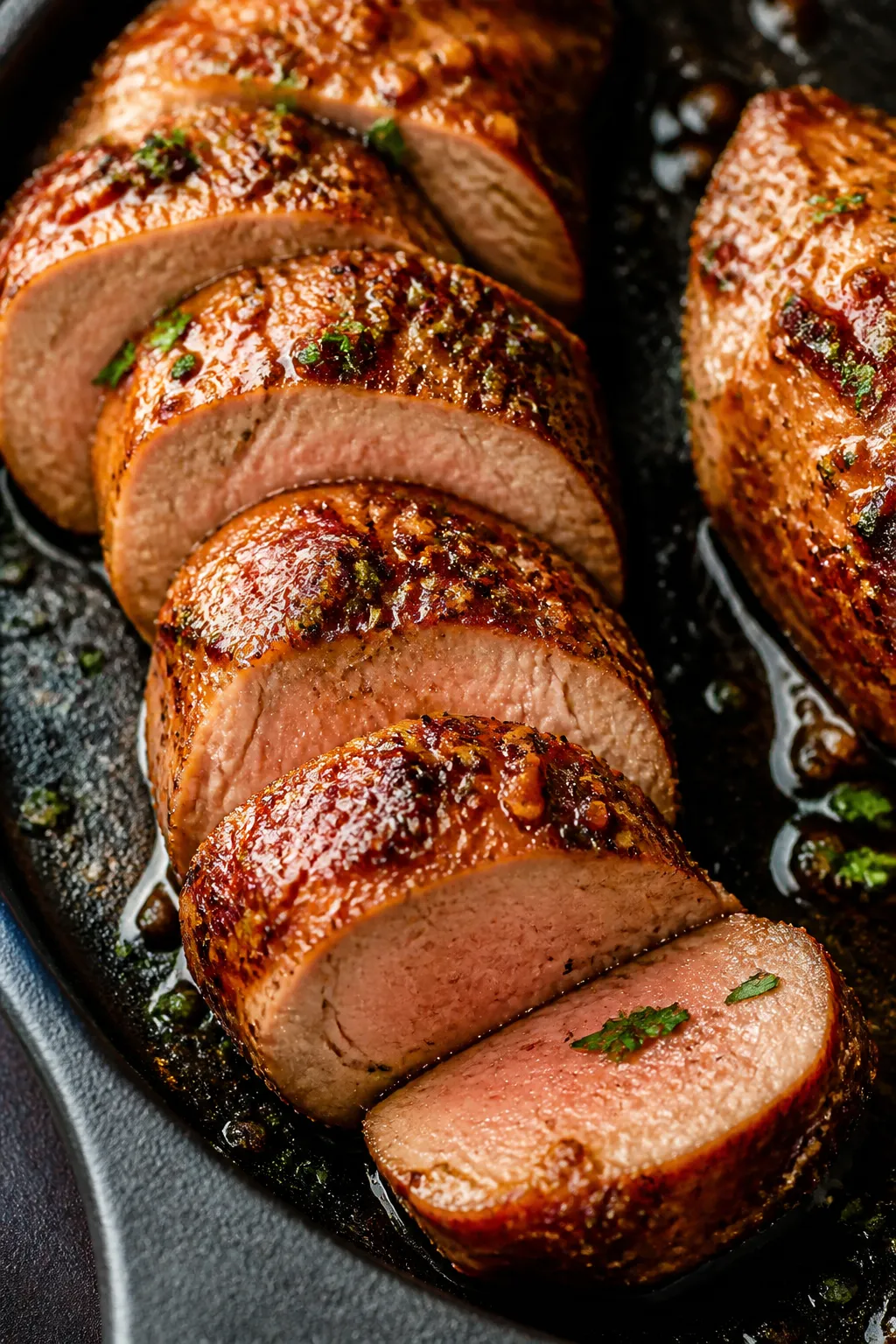
This dish balances flavor and simplicity. The brown sugar forms a caramelized crust that locks in moisture, while garlic and spices build depth without extra fuss.
A quick sear followed by a short roast keeps the tenderloin incredibly tender.
It’s forgiving, too. Pork tenderloin cooks fast, and the glaze helps prevent dryness as long as you don’t overcook. The sauce that forms in the pan is a built-in finishing touch—no extra gravy required.
Ingredients
- 2 pork tenderloins (about 1 to 1.25 pounds each), silver skin trimmed
- 3 tablespoons brown sugar (light or dark)
- 4 cloves garlic, finely minced
- 1 tablespoon Dijon mustard
- 2 teaspoons soy sauce
- 1 teaspoon smoked paprika (regular paprika works too)
- 1 teaspoon kosher salt, plus more to taste
- 1/2 teaspoon black pepper
- 1/4 teaspoon crushed red pepper flakes (optional, for mild heat)
- 2 tablespoons olive oil (divided)
- 1 tablespoon butter (optional, for basting)
- 1 tablespoon apple cider vinegar or lemon juice (to brighten the glaze)
- Fresh parsley, chopped, for garnish (optional)
How to Make It
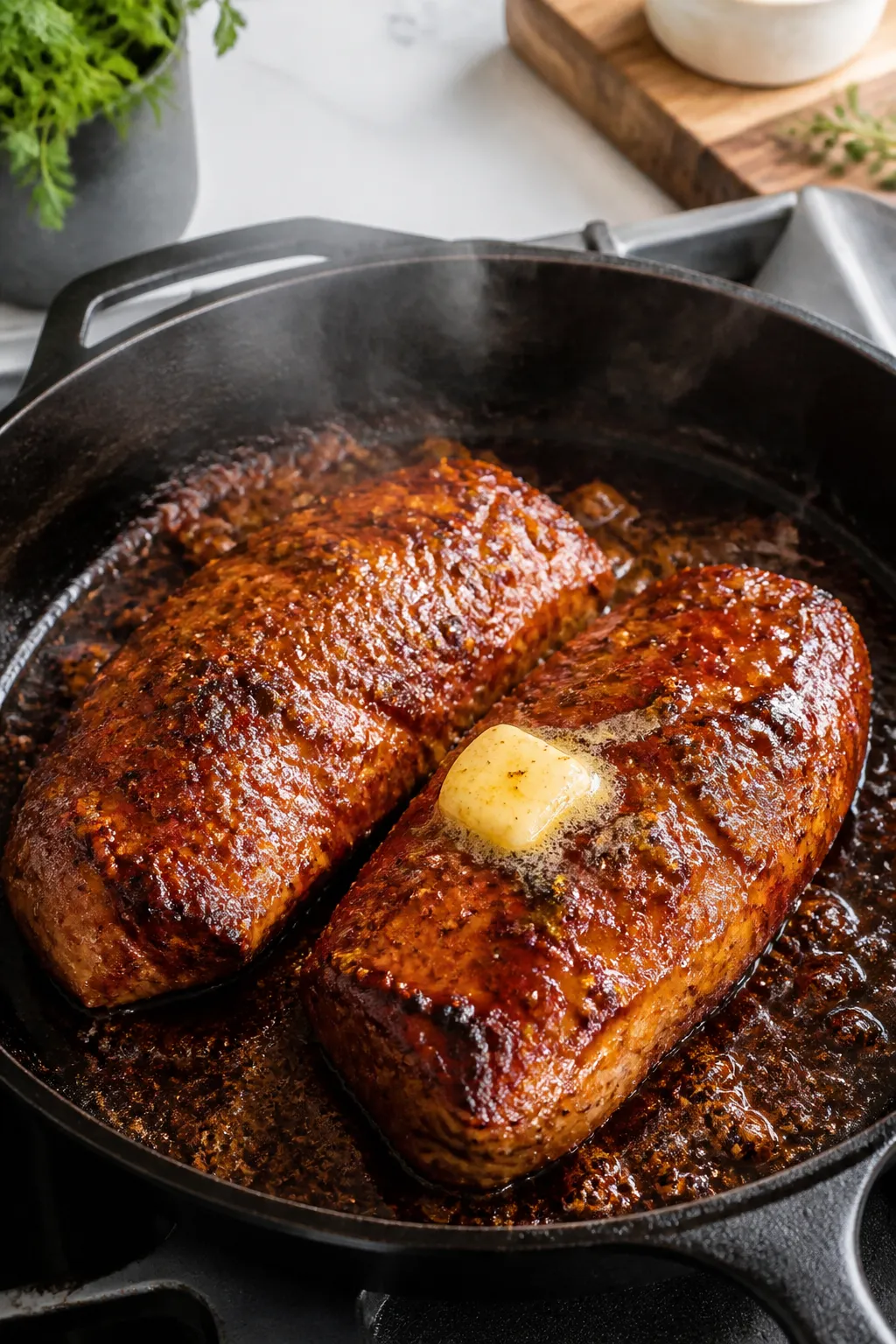
- Preheat and prep: Heat the oven to 400°F (205°C).
Pat the pork dry with paper towels. Trim off any silver skin so the seasoning penetrates evenly and the meat stays tender.
- Mix the glaze: In a small bowl, combine brown sugar, minced garlic, Dijon, soy sauce, smoked paprika, salt, pepper, and red pepper flakes. Stir until it forms a thick paste.
If it feels too dry, add 1 teaspoon of olive oil.
- Season the pork: Rub 1 tablespoon of olive oil over the tenderloins. Spread the garlic brown sugar paste all over, coating the tops and sides. Let it rest 10 minutes while you heat the pan to help the flavors stick.
- Sear for color: Heat a large oven-safe skillet over medium-high heat and add the remaining 1 tablespoon olive oil.
When shimmering, sear the tenderloins 1 to 2 minutes per side until lightly browned. Don’t worry if some glaze caramelizes in the pan—that’s flavor.
- Roast to temp: Transfer the skillet to the oven. Roast 12 to 16 minutes, depending on thickness, until an instant-read thermometer reads 140–145°F (60–63°C) at the thickest part.
If using, dot the butter on top during the last 5 minutes.
- Deglaze and brighten: Remove the pork to a cutting board and rest for 5 to 8 minutes. While it rests, set the skillet over low heat and add the apple cider vinegar or lemon juice, scraping up browned bits into a glossy sauce. If it’s too thick, splash in a tablespoon of water.
- Slice and serve: Slice the tenderloin into 1/2-inch medallions.
Spoon the pan sauce over the top and garnish with parsley. Taste and finish with a pinch of salt if needed.
How to Store
- Refrigerate: Store leftovers in an airtight container for 3 to 4 days. Keep the sauce with the pork to maintain moisture.
- Freeze: Slice and freeze in a freezer-safe bag with extra sauce for up to 2 months.
Press out the air to prevent freezer burn.
- Reheat: Warm gently in a covered skillet over low heat with a splash of water or broth until heated through. Avoid microwaving on high, which can toughen the meat.
Health Benefits
Pork tenderloin is a lean cut, comparable to chicken breast in fat content, making it a smart protein choice. It provides high-quality protein to support muscle repair and satiety.
You’ll also get B vitamins like thiamin and niacin, which help convert food into energy.
The garlic adds antioxidants and potential heart-friendly benefits. While there’s added sugar in the glaze, the amount per serving is modest, and you can easily reduce it if you prefer. Balance the plate with vegetables and a whole-grain side for a well-rounded meal.
Pitfalls to Watch Out For
- Overcooking: Pork tenderloin dries out quickly.
Use a thermometer and pull it at 140–145°F. Remember, it will rise a few degrees as it rests.
- Skipping the rest: Resting allows juices to redistribute. Slice too soon and you’ll lose moisture on the board.
- Too much heat in the sear: A scorching-hot pan can burn the sugar.
Aim for medium-high and keep an eye on the color.
- Uneven thickness: If one end is much thinner, fold the tip under or tuck it toward the center so it cooks evenly.
- Under-seasoning: The glaze is sweet and savory, but salt matters. Taste the pan sauce and adjust before serving.
Alternatives
- Flavor swaps: Replace Dijon with whole-grain mustard, soy with coconut aminos, and smoked paprika with chili powder for a southwest angle. Add orange zest for a citrus twist.
- Lower sugar: Use 1 to 2 tablespoons brown sugar and add 1 teaspoon honey or maple for balance.
Or lean on extra paprika and mustard for more savory bite.
- No skillet: Roast on a sheet pan at 425°F (220°C) for 18–22 minutes, flipping once. You won’t get as deep a sear, but it still works well.
- Grill option: Sear over direct medium-high heat 2 minutes per side, then move to indirect heat and cook, covered, until 140–145°F. Brush with extra glaze during the last few minutes.
- Make it a meal: Pair with garlicky green beans, roasted sweet potatoes, or a crunchy apple slaw to echo the sweet-savory profile.
FAQ
Need More Easy Dinner Ideas?
Get my FREE 7-Day Easy Dinner Reset and enjoy a full week of healthy dinners without the meal-planning stress.
Can I use pork loin instead of tenderloin?
Yes, but adjust time.
Pork loin is thicker and takes longer. Roast at 350°F (175°C) until it reaches 145°F internally, 45–60 minutes depending on size. Baste with the glaze a couple of times to build flavor.
How do I know the pork is done without a thermometer?
A thermometer is the most reliable tool.
If you don’t have one, look for slightly rosy, juicy slices and clear running juices. Still, investing in an instant-read thermometer removes the guesswork and prevents overcooking.
Is it safe if the pork is a little pink?
Yes. Pork is safe at 145°F with a 3-minute rest, and a light pink center is normal at this temperature.
It will be tender and juicy, not undercooked.
Can I marinate this ahead of time?
Absolutely. Coat the tenderloins in the glaze, cover, and refrigerate up to 12 hours. Let them sit at room temperature for 20 to 30 minutes before cooking for even results.
What can I use instead of soy sauce?
Coconut aminos or tamari both work.
If you skip them entirely, add a pinch more salt and a small splash of Worcestershire for depth.
Why did my glaze burn?
Heat may have been too high during the sear, or there wasn’t enough oil in the pan. Keep the heat at medium-high, sear briefly, and move to the oven. If the skillet looks too dry, add a teaspoon of oil and reduce the heat.
How thick should I slice the pork?
About 1/2 inch is ideal.
Thinner slices cool quickly and can dry out, while thicker slices may feel less tender. Aim for even, clean cuts across the grain.
Can I make this recipe without butter?
Yes. The butter adds richness and helps the glaze gloss up, but it’s optional.
The sauce will still be flavorful using just olive oil and vinegar or lemon juice.
Final Thoughts
Garlic Brown Sugar Pork Tenderloin is proof that simple ingredients can deliver big flavor. With a quick sear, a short roast, and a bright pan sauce, you get a tender main dish that feels special with very little effort. Keep a tenderloin in the freezer and the pantry staples on hand, and you’ll always have a crowd-pleasing dinner within reach.
Printable Recipe Card
Want just the essential recipe details without scrolling through the article? Get our printable recipe card with just the ingredients and instructions.
Loved This Recipe?
If you're looking for more simple, healthy dinners your family will actually eat, grab my FREE 7-Day Easy Dinner Reset. You'll get 7 easy dinner recipes, simple grocery lists, and a done-for-you plan that takes the stress out of mealtime.