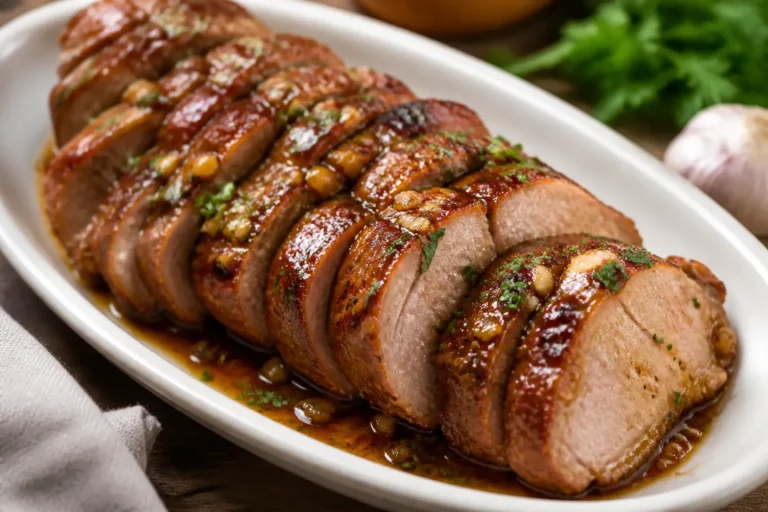
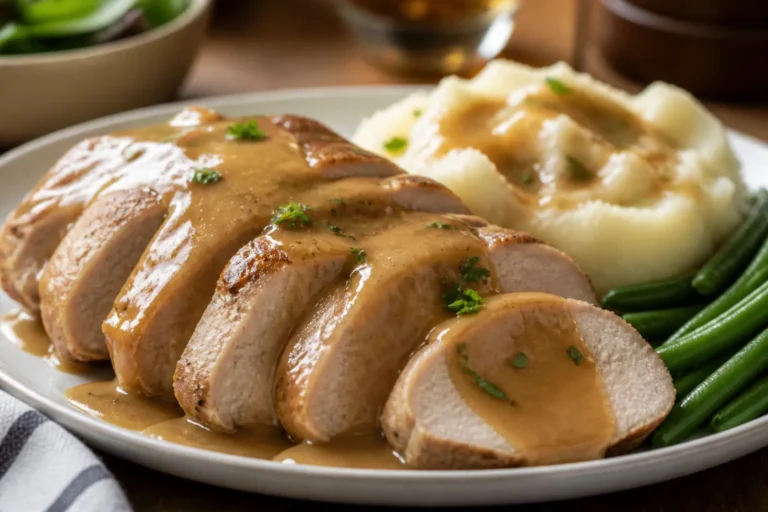
Garlic Parmesan Pork Tenderloin – Juicy, Flavorful, and Weeknight-Friendly
Pork tenderloin is one of those cuts that looks impressive but cooks in under 30 minutes. This version leans into classic flavors—garlic, Parmesan, and herbs—to create a crust that’s deeply savory and golden. It’s the kind of dish that makes the kitchen smell amazing and gets everyone to the table fast.
FREE 7-Day Easy Dinner Reset
Save time, eat healthier, and take the stress out of dinner. Get a full week of easy healthy dinners delivered straight to your inbox.
Pair it with roasted vegetables, a simple salad, or creamy mashed potatoes, and you’ve got a meal that works for a cozy weeknight or an easy dinner with friends.
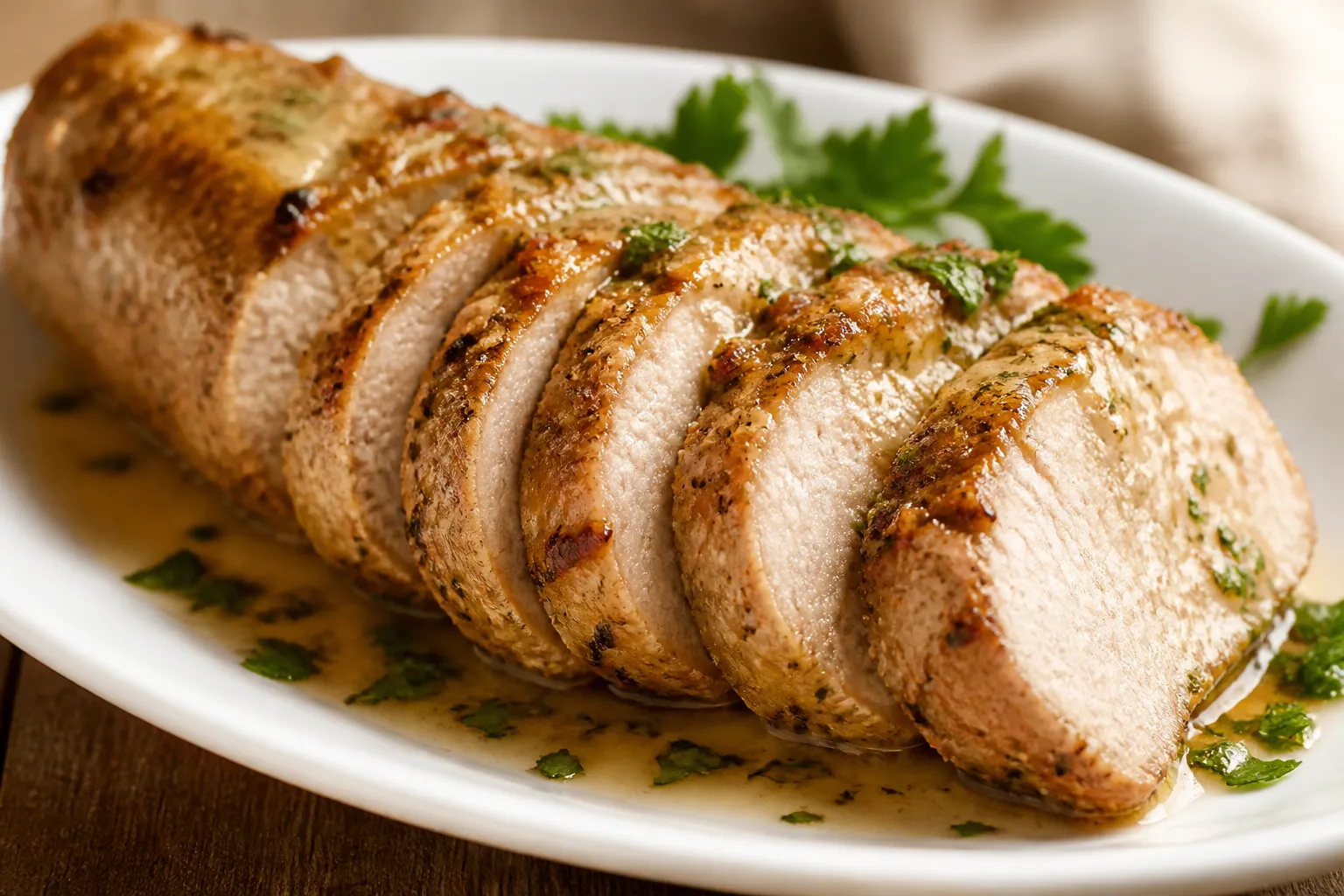
Ingredients
Method
- Preheat and prep: Heat the oven to 400°F (200°C). Pat the pork tenderloin dry with paper towels. Trim any silver skin so the crust adheres well.
- Mix the garlic-Parmesan paste: In a small bowl, combine Parmesan, minced garlic, olive oil, Dijon mustard, salt, pepper, Italian seasoning, smoked paprika (if using), lemon zest, and parsley. Stir into a thick, spreadable paste.
- Season the pork: Lightly season the tenderloin with a pinch of salt and pepper. This base layer helps keep the flavor balanced.
- Sear for color: Heat a large oven-safe skillet over medium-high. Add a thin film of olive oil. Sear the pork on all sides until lightly browned, about 1–2 minutes per side. Turn off the heat.
- Coat with the crust: Using a spatula or the back of a spoon, spread the garlic-Parmesan paste over the top and sides of the seared tenderloin. Press gently so it adheres.
- Roast: Transfer the skillet to the oven. Roast for 12–18 minutes, depending on thickness, until the internal temperature reaches 140–145°F (60–63°C) at the thickest part.
- Optional butter baste: Dot the top with butter during the last 3 minutes for extra gloss and richness.
- Rest: Remove from the oven and let the pork rest on a cutting board for 5–8 minutes. This keeps it juicy.
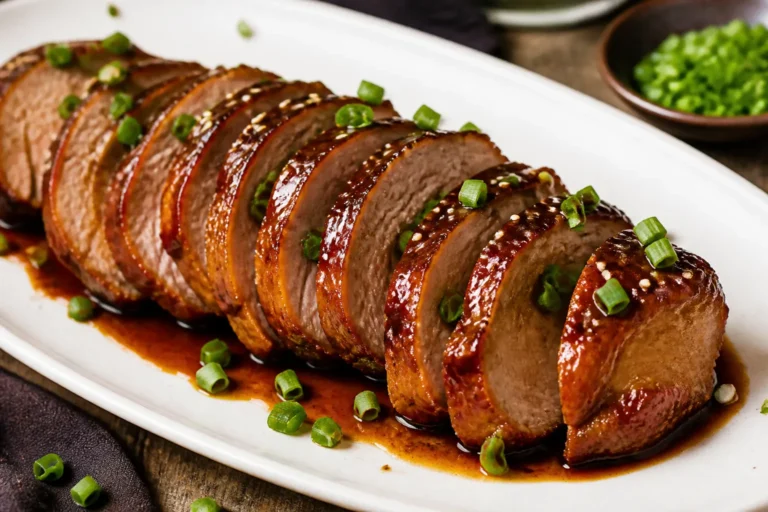
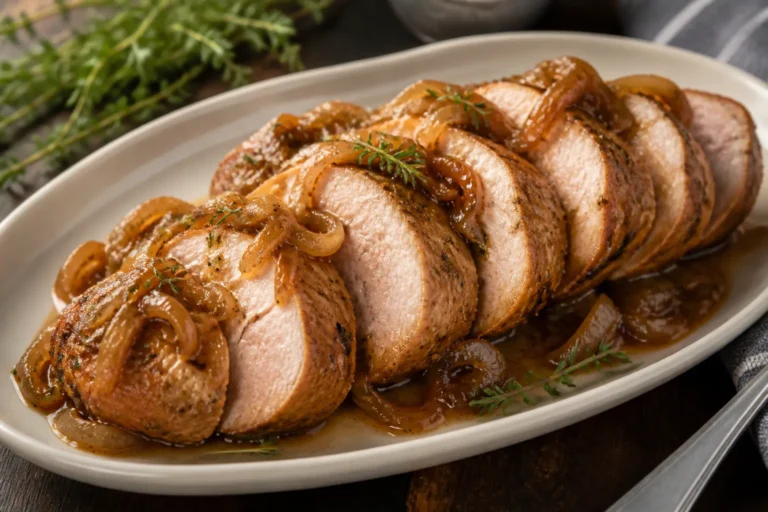
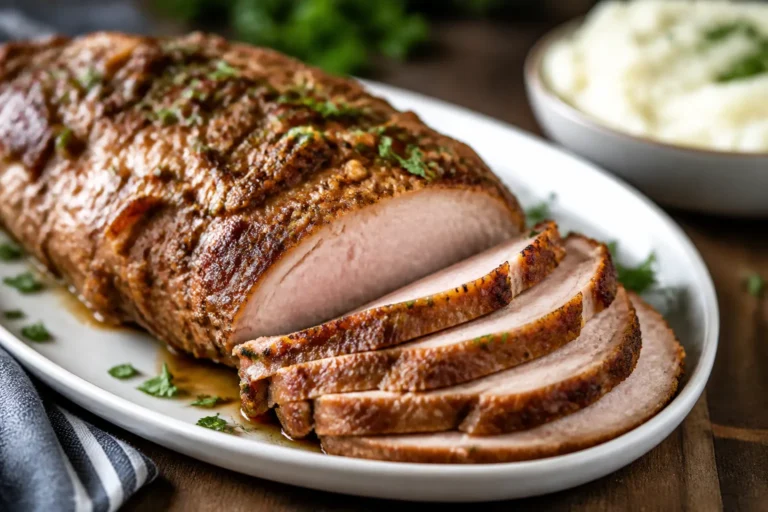
- Slice and serve: Cut into 1/2-inch medallions. Spoon any pan juices over the top. Finish with a sprinkle of parsley and a squeeze of lemon.
What Makes This Special
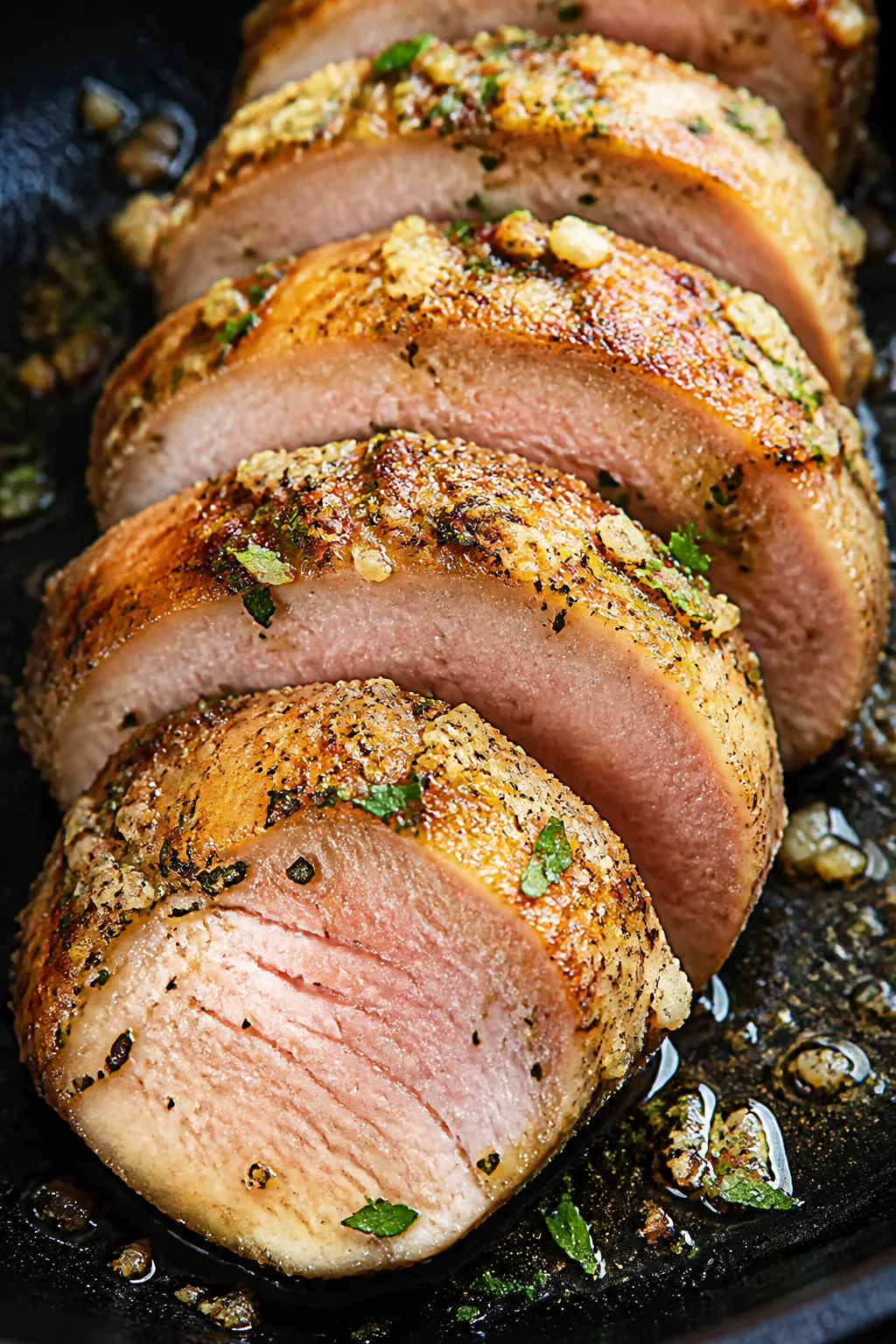
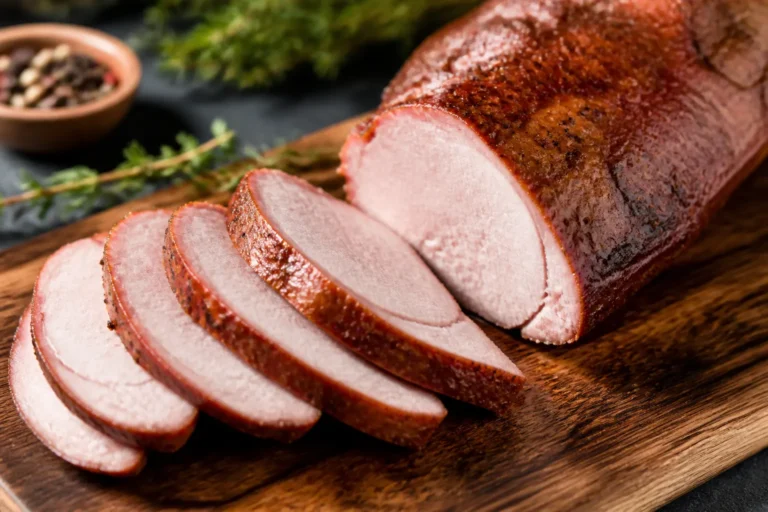
This recipe hits the sweet spot between simple and memorable. The garlic-Parmesan crust forms a crisp, cheesy layer that contrasts beautifully with the tender, juicy pork inside. A quick pan-sear and oven finish keep the meat moist and flavorful without fuss.
Fresh herbs add a bright, fragrant note, while a touch of lemon zest keeps it lively. Best of all, it takes less than an hour from start to finish, with most of that hands-off.
What You’ll Need
- 1–1.5 lb pork tenderloin, silver skin trimmed
- 1/2 cup finely grated Parmesan cheese (preferably freshly grated)
- 4 cloves garlic, minced
- 2 tablespoons olive oil, plus more for searing
- 1 tablespoon Dijon mustard
- 1 teaspoon kosher salt (plus more to taste)
- 1/2 teaspoon black pepper
- 1 teaspoon Italian seasoning or a mix of dried thyme, oregano, and basil
- 1/2 teaspoon smoked paprika (optional, for warmth and color)
- 1 teaspoon lemon zest
- 2 tablespoons fresh parsley, finely chopped (plus extra for garnish)
- 1 tablespoon butter (optional, for finishing)
- Lemon wedges, for serving
Instructions
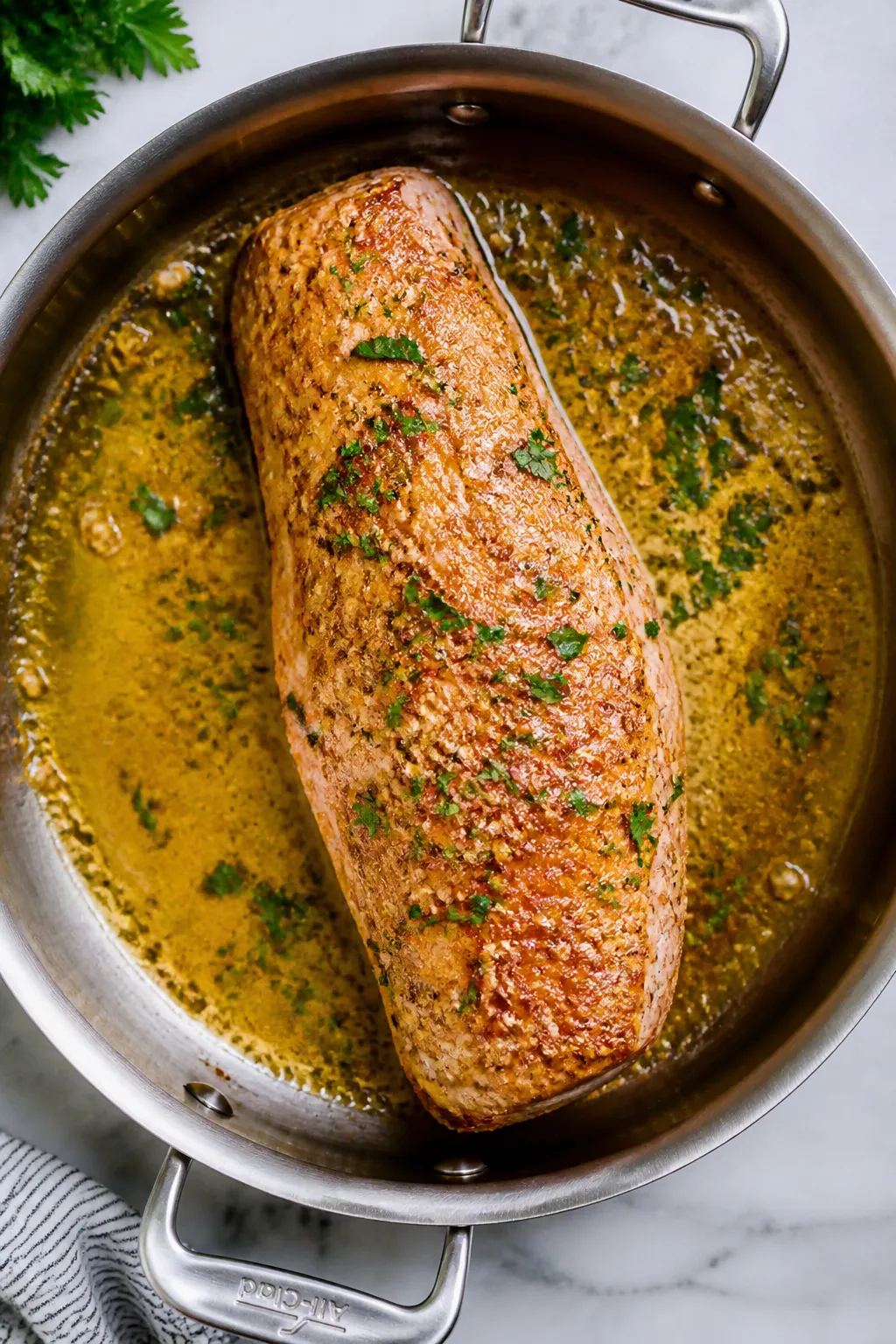
- Preheat and prep: Heat the oven to 400°F (200°C). Pat the pork tenderloin dry with paper towels.
Trim any silver skin so the crust adheres well.
- Mix the garlic-Parmesan paste: In a small bowl, combine Parmesan, minced garlic, olive oil, Dijon mustard, salt, pepper, Italian seasoning, smoked paprika (if using), lemon zest, and parsley. Stir into a thick, spreadable paste.
- Season the pork: Lightly season the tenderloin with a pinch of salt and pepper. This base layer helps keep the flavor balanced.
- Sear for color: Heat a large oven-safe skillet over medium-high.
Add a thin film of olive oil. Sear the pork on all sides until lightly browned, about 1–2 minutes per side. Turn off the heat.
- Coat with the crust: Using a spatula or the back of a spoon, spread the garlic-Parmesan paste over the top and sides of the seared tenderloin.
Press gently so it adheres.
- Roast: Transfer the skillet to the oven. Roast for 12–18 minutes, depending on thickness, until the internal temperature reaches 140–145°F (60–63°C) at the thickest part.
- Optional butter baste: Dot the top with butter during the last 3 minutes for extra gloss and richness.
- Rest: Remove from the oven and let the pork rest on a cutting board for 5–8 minutes. This keeps it juicy.
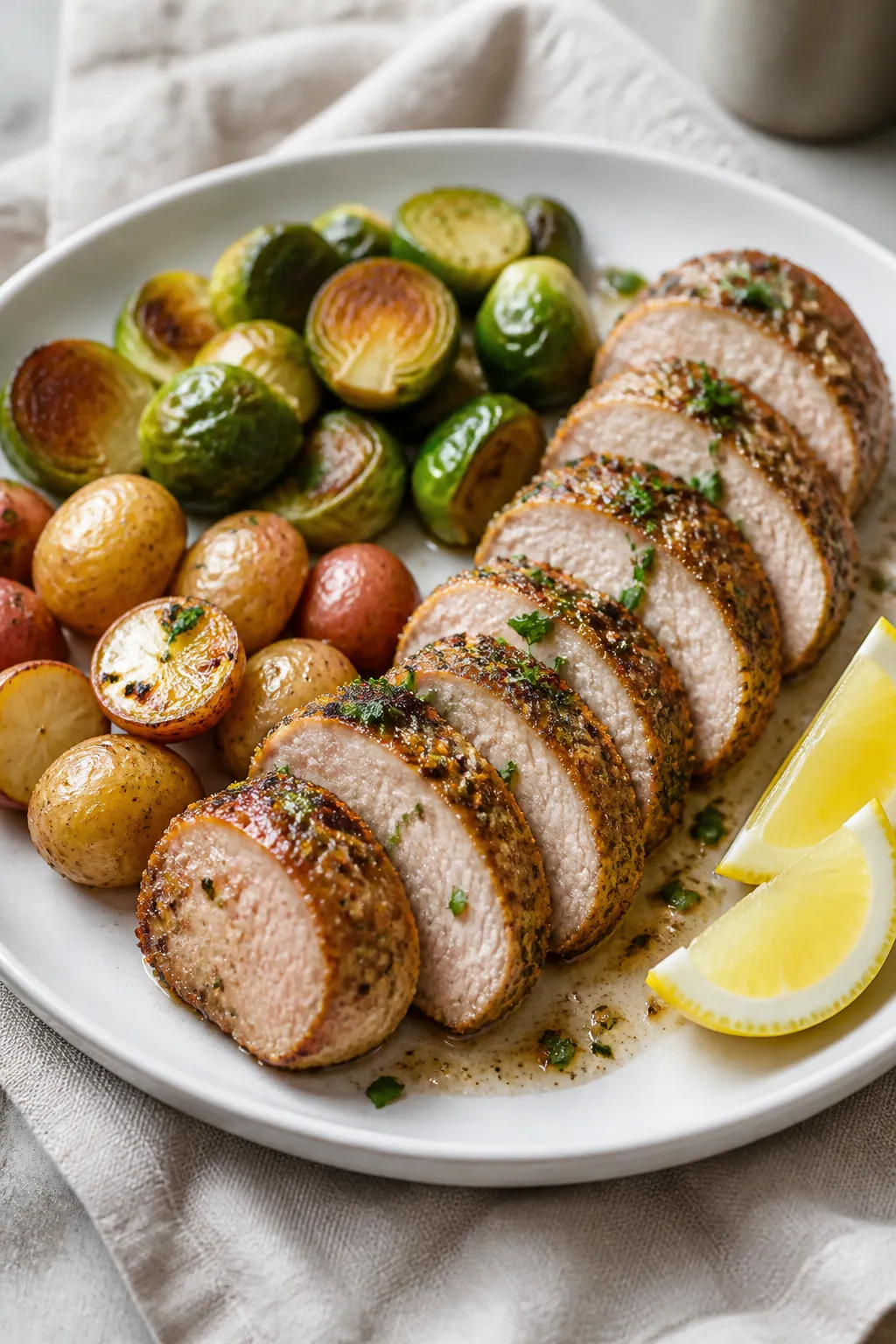
- Slice and serve: Cut into 1/2-inch medallions.
Spoon any pan juices over the top. Finish with a sprinkle of parsley and a squeeze of lemon.
Keeping It Fresh
Leftovers keep well for 3–4 days in an airtight container in the fridge. To reheat, warm slices gently in a covered skillet over low heat with a splash of broth or water until just heated through.
Avoid blasting it in the microwave, which can dry it out. You can also enjoy it cold, sliced thin over salads or tucked into a sandwich with arugula and a swipe of Dijon.
Why This is Good for You
- Lean protein: Pork tenderloin is a lean cut that supports muscle health without a lot of saturated fat.
- Flavor without heaviness: Parmesan adds umami and richness, so you need less oil overall.
- Herbs and garlic: Fresh herbs and garlic bring antioxidants and bold flavor that lets you keep seasoning simple.
- Smart portioning: Slicing into medallions makes it easy to serve reasonable portions and build a balanced plate.
Common Mistakes to Avoid
- Skipping the trim: Leaving the silver skin on can cause the pork to curl and makes it chewy. A quick trim is worth it.
- Overcooking: Pork tenderloin is very lean.
Pull it at 140–145°F and let it rest. It will finish cooking gently off the heat.
- Not drying the meat: Moisture on the surface prevents good searing and can make the crust slip. Pat it dry first.
- Too thick a crust layer: A thin, even coating crisps nicely.
A thick slab can get gummy. Spread, press, and smooth.
- Cold-from-the-fridge: If you can, take the pork out 15–20 minutes before cooking. Slightly closer to room temp cooks more evenly.
Variations You Can Try
- Herb swap: Use fresh rosemary and thyme instead of dried Italian seasoning for a woodsy aroma.
- Spicy kick: Add red pepper flakes or a pinch of cayenne to the paste.
- Panko crunch: Mix 1/4 cup fine panko with the Parmesan for a crispier crust.
Press it on well after searing.
- Citrus twist: Replace lemon zest with orange zest and finish with a squeeze of orange for a rounder, sweeter note.
- Sheet-pan dinner: Roast the tenderloin on a sheet pan with halved Brussels sprouts and baby potatoes tossed in olive oil, salt, and pepper for a one-pan meal.
- Grill option: Sear over medium-high direct heat, then move to indirect heat, cover, and cook until 140–145°F. Add the Parmesan paste after the first flip so it doesn’t burn.
FAQ
Need More Easy Dinner Ideas?
Get my FREE 7-Day Easy Dinner Reset and enjoy a full week of healthy dinners without the meal-planning stress.
Can I use pork loin instead of tenderloin?
You can, but pork loin is larger and takes longer to cook. If substituting, roast at 350°F (175°C) and plan for 45–60 minutes, depending on size.
Use the same crust and cook to the same internal temperature, checking with a thermometer.
Do I have to sear before roasting?
Searing isn’t mandatory, but it improves flavor and texture. The quick browning adds a savory base and helps the crust set. If you skip it, expect a slightly softer exterior.
What if I don’t have Dijon mustard?
Use regular yellow mustard or 1 teaspoon mayonnaise.
The goal is a sticky binder that helps the Parmesan and garlic adhere to the pork.
How do I know when it’s done without a thermometer?
A thermometer is best, but look for a firm, springy feel and slightly rosy juices. Slice into the thickest part—faint blush is fine. If it’s pale and dry at the edges, you likely went too far.
Can I make it ahead?
Yes.
You can mix the paste up to 2 days in advance and store it covered in the fridge. For best crust texture, sear and roast right before serving rather than fully cooking ahead.
What sides go well with this?
Roasted asparagus, garlicky green beans, lemony arugula salad, creamy polenta, or mashed potatoes are all great. The bright, savory flavors of the pork pair well with simple, fresh sides.
Is Parmesan safe for gluten-free diets?
Parmesan itself is gluten-free.
Just make sure any added seasoning blends are certified gluten-free, and skip panko if you’re avoiding gluten.
Can I use pre-grated Parmesan?
Yes, but freshly grated melts and browns better. Pre-grated can be drier and less flavorful. If using pre-grated, add an extra teaspoon of olive oil to help it bind.
In Conclusion
This Garlic Parmesan Pork Tenderloin is weeknight-easy and company-worthy.
With a crisp, cheesy crust and juicy center, it turns a simple cut into something special without a lot of effort. Keep a thermometer handy, rest the meat, and finish with lemon for brightness. Once you make it, you’ll want it in your regular rotation.
Printable Recipe Card
Want just the essential recipe details without scrolling through the article? Get our printable recipe card with just the ingredients and instructions.
Loved This Recipe?
If you're looking for more simple, healthy dinners your family will actually eat, grab my FREE 7-Day Easy Dinner Reset. You'll get 7 easy dinner recipes, simple grocery lists, and a done-for-you plan that takes the stress out of mealtime.