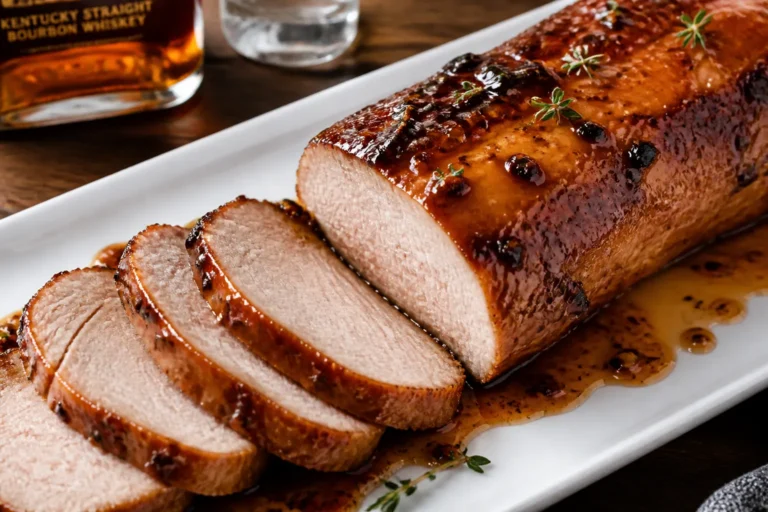
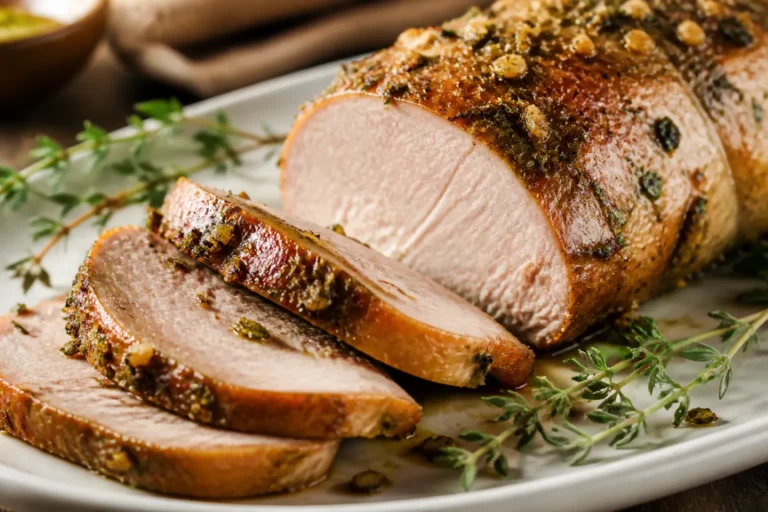
Brown Sugar Garlic Pork Tenderloin – Sweet, Savory, and Weeknight Friendly
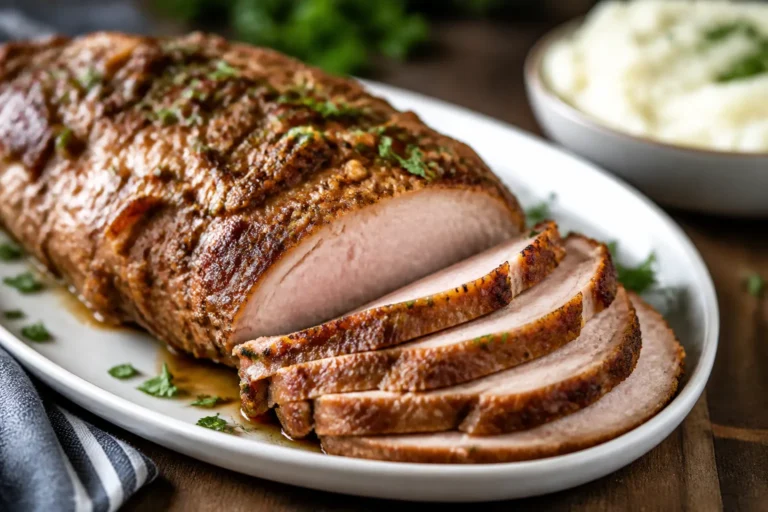
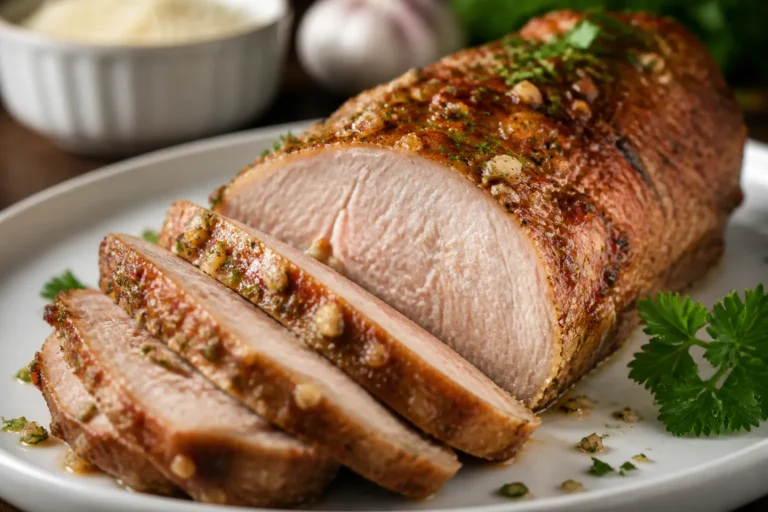
Pork tenderloin is one of those cuts that feels special but cooks fast, and this version proves it. Brown sugar and garlic team up to make a caramelized crust that’s sweet, salty, and a little sticky—in the best way. The inside stays tender and juicy, and the whole thing comes together with pantry staples.
FREE 7-Day Easy Dinner Reset
Save time, eat healthier, and take the stress out of dinner. Get a full week of easy healthy dinners delivered straight to your inbox.
You’ll get big flavor without a lot of effort, and the leftovers are gold for sandwiches or salads.
Ingredients
Method
- Preheat and prep: Heat your oven to 400°F (205°C). Pat the pork dry with paper towels so it sears instead of steams.
- Mix the rub: In a small bowl, combine brown sugar, salt, pepper, smoked paprika, onion powder, red pepper flakes (if using), and Dijon mustard. Stir in 1 tablespoon olive oil to make a paste. Fold in the minced garlic last so it stays chunky and aromatic.
- Season the pork: Rub the paste all over the tenderloins, pressing it in so it adheres. Let them sit at room temperature for 10–15 minutes while you heat the pan. This takes off the chill and promotes even cooking.
- Heat the skillet: Place a large oven-safe skillet (cast iron is ideal) over medium-high heat. Add the remaining 1 tablespoon olive oil and swirl to coat.
- Sear: Add the pork and sear for 2–3 minutes per side until nicely browned, about 6–8 minutes total. Don’t move the meat too much—let it develop color before turning.
- Deglaze: Pour in the chicken broth and apple cider vinegar. Scrape up the browned bits with a wooden spoon. Those bits are pure flavor and help form the glaze.
- Roast: Transfer the skillet to the oven. Roast for 10–15 minutes, or until the thickest part reaches 140–145°F (60–63°C) with an instant-read thermometer. Time varies by size and your oven, so check early.
- Rest: Move the pork to a cutting board and tent loosely with foil. Rest for 5–10 minutes. Carryover heat will finish the cook, and the juices will settle back into the meat.
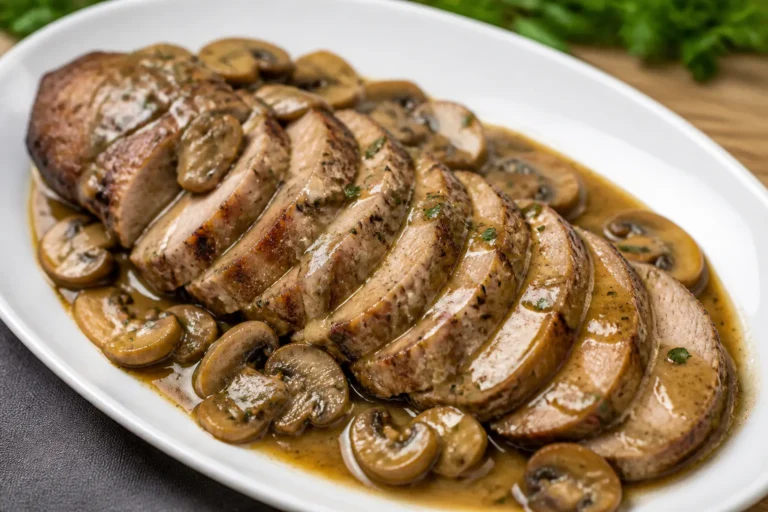
- Finish the glaze: While the pork rests, place the skillet back on medium heat. Simmer the pan juices for 2–3 minutes until glossy and slightly thickened. Whisk in the butter at the end for a silky finish. Taste and adjust salt or vinegar as needed.
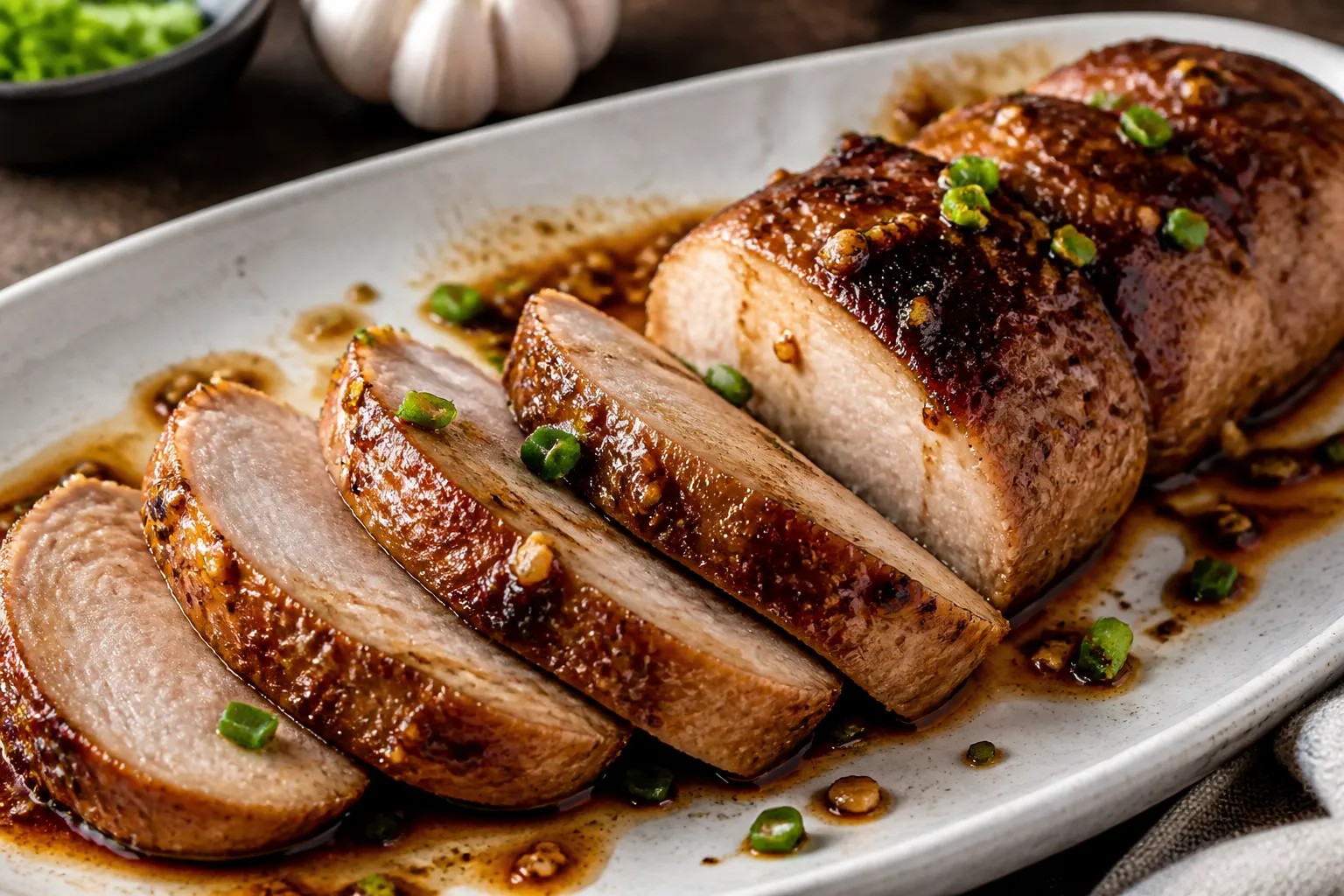
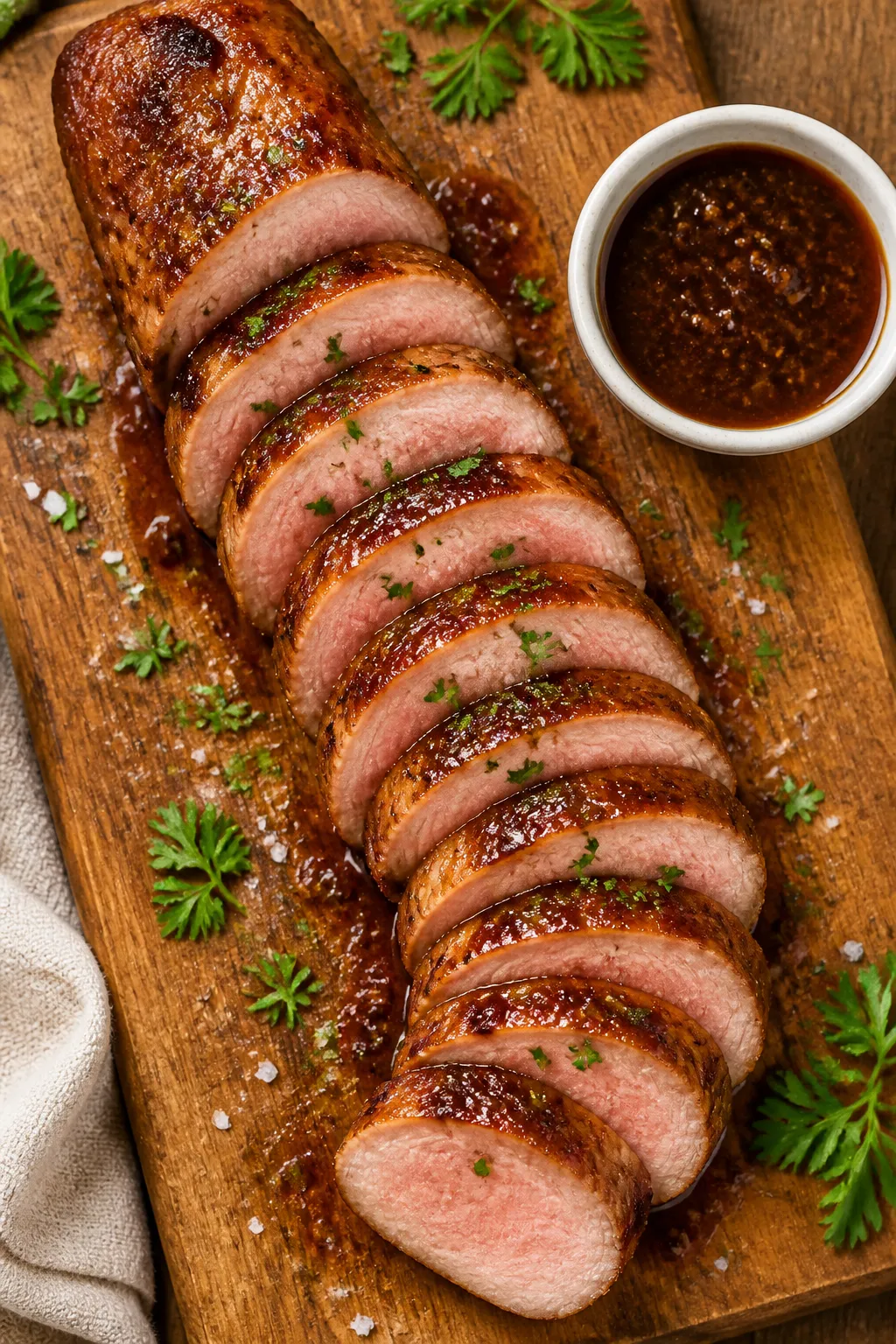
- Slice and serve: Slice the pork into 1/2-inch medallions, spoon the glaze over the top, and garnish with parsley if you like. Serve with roasted vegetables, mashed potatoes, rice, or a simple salad.
Why This Recipe Works
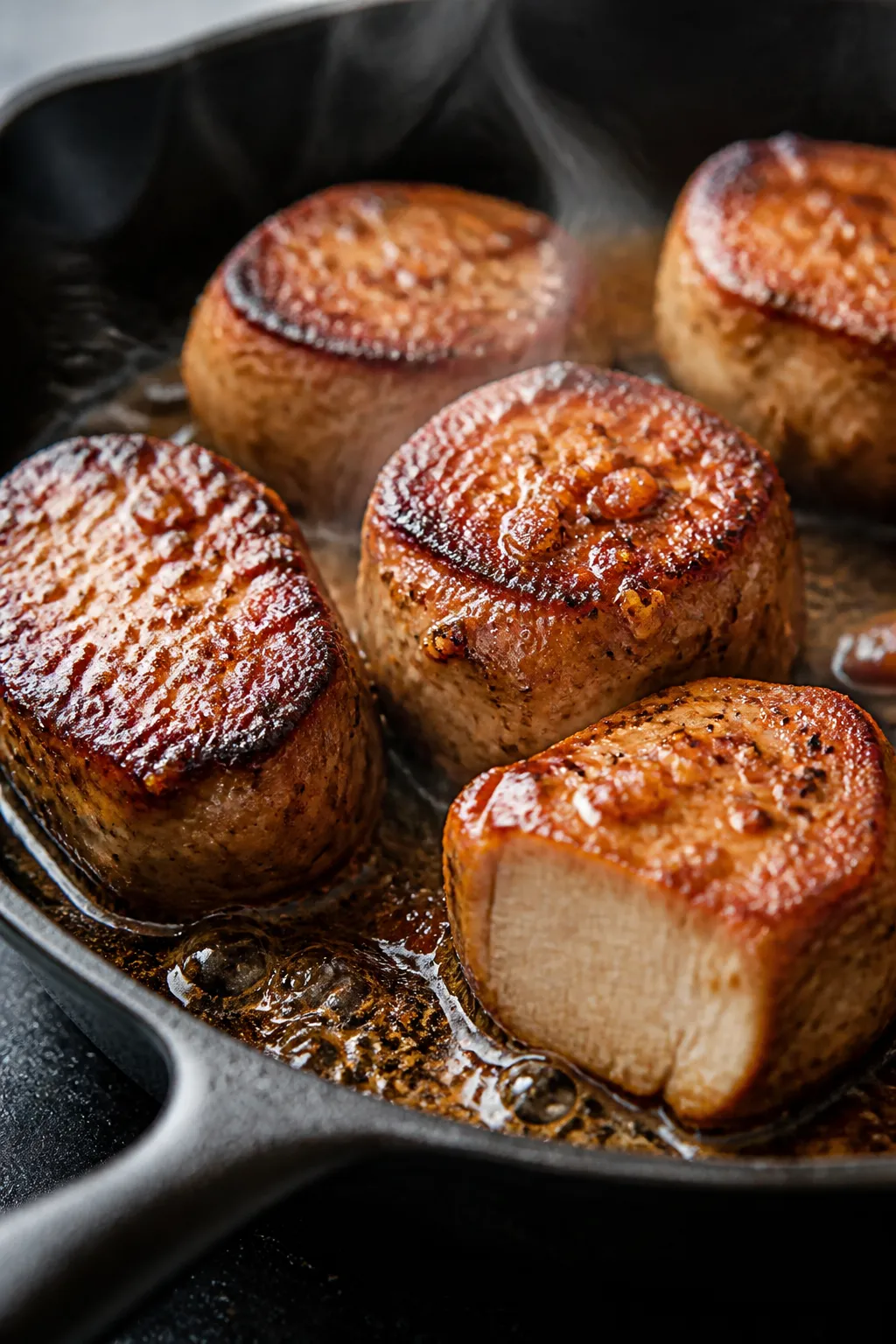
This recipe leans on a simple, classic combo: brown sugar, garlic, and a splash of acid. The sugar helps the outside brown beautifully, while the garlic and spices bring depth. A quick sear builds a flavorful crust, and finishing in the oven keeps the meat juicy.
A small amount of broth or vinegar in the pan helps create a glossy glaze that clings to each slice. It’s straightforward, forgiving, and fast—perfect for a busy night.
What You’ll Need
- 2 pork tenderloins (about 1 to 1.25 pounds each), silver skin trimmed
- 3 tablespoons brown sugar (light or dark)
- 4 cloves garlic, finely minced
- 2 teaspoons kosher salt (use 1.5 teaspoons if using table salt)
- 1 teaspoon black pepper
- 1 teaspoon smoked paprika (or sweet paprika)
- 1/2 teaspoon onion powder
- 1/4 teaspoon red pepper flakes (optional, for a little heat)
- 1 tablespoon Dijon mustard
- 2 tablespoons olive oil, divided
- 1/4 cup low-sodium chicken broth (or water)
- 1 tablespoon apple cider vinegar (or lemon juice)
- 1 tablespoon butter (optional, for finishing the glaze)
- Fresh parsley, chopped, for garnish (optional)
Step-by-Step Instructions
- Preheat and prep: Heat your oven to 400°F (205°C). Pat the pork dry with paper towels so it sears instead of steams.
- Mix the rub: In a small bowl, combine brown sugar, salt, pepper, smoked paprika, onion powder, red pepper flakes (if using), and Dijon mustard.
Stir in 1 tablespoon olive oil to make a paste. Fold in the minced garlic last so it stays chunky and aromatic.
- Season the pork: Rub the paste all over the tenderloins, pressing it in so it adheres. Let them sit at room temperature for 10–15 minutes while you heat the pan.
This takes off the chill and promotes even cooking.
- Heat the skillet: Place a large oven-safe skillet (cast iron is ideal) over medium-high heat. Add the remaining 1 tablespoon olive oil and swirl to coat.
- Sear: Add the pork and sear for 2–3 minutes per side until nicely browned, about 6–8 minutes total. Don’t move the meat too much—let it develop color before turning.
- Deglaze: Pour in the chicken broth and apple cider vinegar.
Scrape up the browned bits with a wooden spoon. Those bits are pure flavor and help form the glaze.
- Roast: Transfer the skillet to the oven. Roast for 10–15 minutes, or until the thickest part reaches 140–145°F (60–63°C) with an instant-read thermometer.
Time varies by size and your oven, so check early.
- Rest: Move the pork to a cutting board and tent loosely with foil. Rest for 5–10 minutes. Carryover heat will finish the cook, and the juices will settle back into the meat.
- Finish the glaze: While the pork rests, place the skillet back on medium heat.
Simmer the pan juices for 2–3 minutes until glossy and slightly thickened. Whisk in the butter at the end for a silky finish. Taste and adjust salt or vinegar as needed.
- Slice and serve: Slice the pork into 1/2-inch medallions, spoon the glaze over the top, and garnish with parsley if you like.
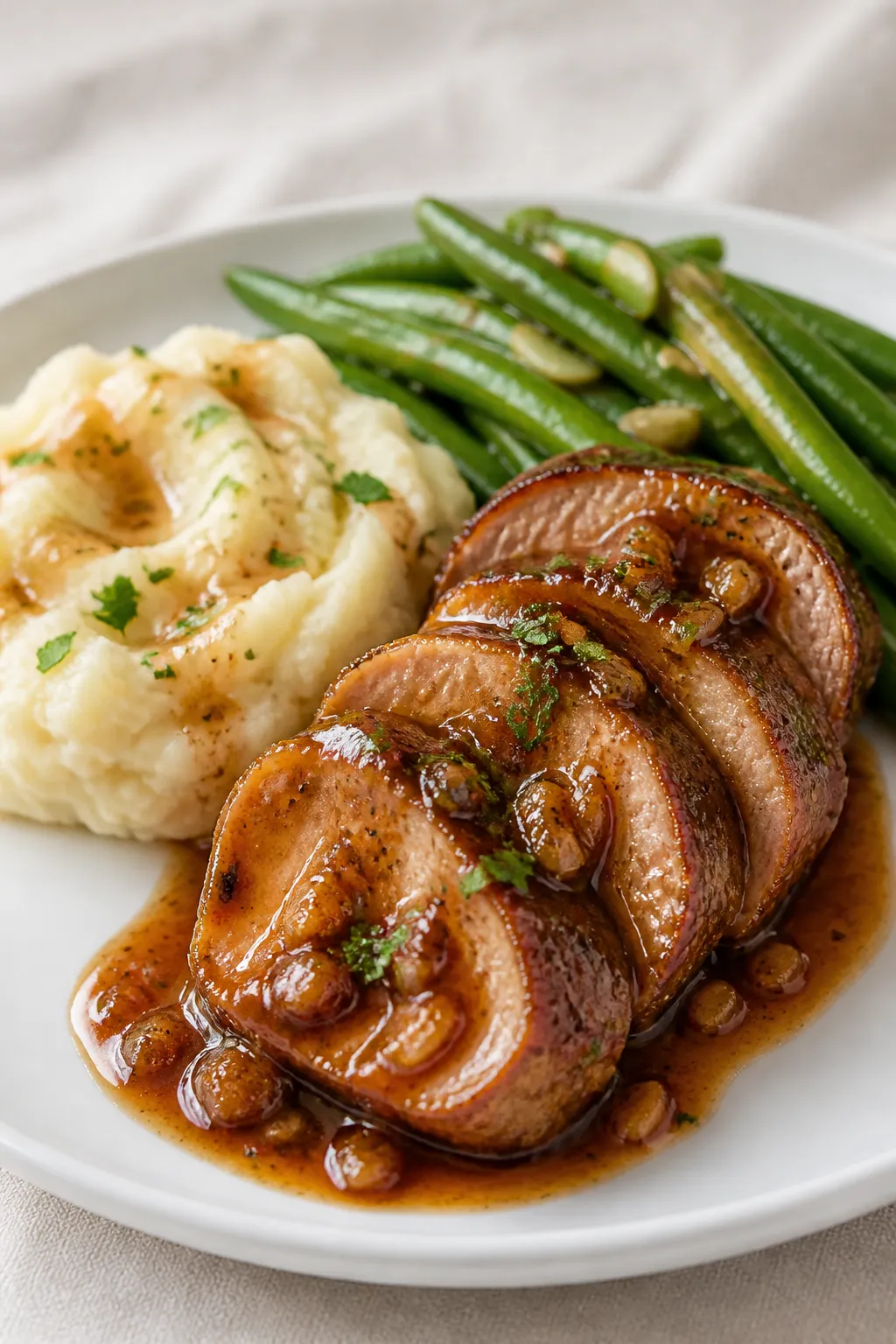
Serve with roasted vegetables, mashed potatoes, rice, or a simple salad.
Storage Instructions
- Refrigerator: Store cooled leftovers in an airtight container for up to 3–4 days. Keep the glaze separate if possible and warm it gently before serving.
- Freezer: Freeze sliced pork in a freezer-safe bag or container for up to 2 months. Add a little extra sauce to prevent dryness.
- Reheating: Reheat gently in a covered skillet over low heat with a splash of water or broth until warmed through.
Avoid microwaving on high—it can make the pork tough.
Why This is Good for You
Pork tenderloin is a lean protein with relatively low fat compared to many other cuts. You get steady energy and satiety without heavy calories. Garlic brings antioxidants and a big flavor punch, so you don’t need a lot of added fat to make it taste great.
The glaze is balanced—just enough brown sugar for caramelization without turning it into dessert.
Pitfalls to Watch Out For
- Overcooking: Tenderloin is lean and can dry out quickly. Use a thermometer and pull it at 140–145°F.
- Skipping the rest: Cutting too soon lets the juices run out. Rest at least 5 minutes.
- Pan too cool: A weak sear means less flavor and texture.
Preheat the skillet until the oil shimmers.
- Too much sugar on high heat: Sugar can burn if the pan is smoking hot. Sear over medium-high, not full blast, and watch closely.
- Not trimming silver skin: That tough membrane shrinks and makes the pork curl. Trim it off for even cooking and tenderness.
Recipe Variations
- Sheet Pan Version: Skip the stovetop.
Toss pork with the rub, lay on a sheet pan with green beans or broccoli, and roast at 425°F. Add a quick splash of broth and vinegar halfway to form a light pan sauce.
- Spicy Honey Garlic: Swap brown sugar for honey and bump the red pepper flakes. Add a dash of soy sauce for depth.
- Maple Mustard: Replace brown sugar with maple syrup and use whole-grain mustard instead of Dijon.
Finish with a squeeze of lemon.
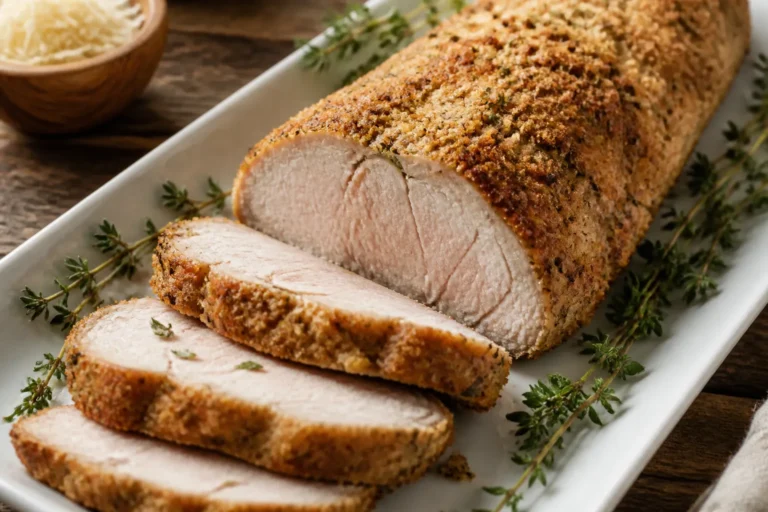
- Herb-Crusted: Add chopped fresh rosemary or thyme to the rub. The herbs perfume the pork and balance the sweetness.
- Grill It: Sear over direct heat for 2–3 minutes per side, then move to indirect heat and cover until it reaches temp. Brush with the glaze during the last few minutes.
- Slow Cooker Shortcut: Rub the pork and sear if you have time, then cook on low with 1/2 cup broth for 2.5–3.5 hours, adding the brown sugar and garlic closer to the end to avoid burning.
Reduce the juices on the stove to glaze.
Need More Easy Dinner Ideas?
Get my FREE 7-Day Easy Dinner Reset and enjoy a full week of healthy dinners without the meal-planning stress.
FAQ
Can I use pork loin instead of tenderloin?
Yes, but note that pork loin is larger and thicker, so it takes longer and cooks differently. Sear the loin and roast at 350°F until it reaches 145°F internally. Plan on significantly more time and consider basting during roasting.
What if I don’t have an oven-safe skillet?
Sear in a regular skillet, then transfer the pork to a preheated baking dish to finish in the oven.
Pour the skillet juices into the baking dish so you don’t lose flavor, and make the glaze in the skillet after roasting.
How do I keep the brown sugar from burning?
Use medium-high heat for searing, not maximum heat. Keep the pork moving just enough to prevent hot spots, and deglaze with broth and vinegar as soon as you’re done searing. The moisture will protect the sugars and create a sauce.
Can I make it ahead?
You can season the pork up to 12 hours in advance and refrigerate it uncovered for better browning.
Cook just before serving, then rewarm slices gently in the glaze if needed. Avoid cooking the whole thing far ahead, as reheating can dry it out.
What sides go best with this?
Roasted carrots, mashed or roasted potatoes, garlicky green beans, sautéed spinach, or a simple arugula salad pair well. Rice or quinoa works nicely to soak up the glaze.
A tart apple slaw also balances the sweetness.
Do I need to brine the tenderloin?
Not necessary for this recipe. The quick sear, proper roasting temp, and resting time keep it juicy. If you like, a short dry brine with salt for 2–4 hours adds insurance, but reduce the salt in the rub.
Is dark brown sugar better than light?
Either works.
Dark brown sugar has more molasses, so it brings a deeper caramel note and a slightly stickier glaze. Light brown sugar tastes a bit cleaner and lets the garlic shine more.
Wrapping Up
Brown Sugar Garlic Pork Tenderloin is the kind of weeknight dinner that tastes like you tried hard, even when you didn’t. With a smart rub, a good sear, and a quick roast, you get tender slices and a glossy, flavorful glaze.
Keep a thermometer handy, let it rest, and you’ll nail it every time. Serve it with your favorite sides, and count on no leftovers—or plan for excellent sandwiches tomorrow.
Printable Recipe Card
Want just the essential recipe details without scrolling through the article? Get our printable recipe card with just the ingredients and instructions.
Loved This Recipe?
If you're looking for more simple, healthy dinners your family will actually eat, grab my FREE 7-Day Easy Dinner Reset. You'll get 7 easy dinner recipes, simple grocery lists, and a done-for-you plan that takes the stress out of mealtime.