Vietnamese Caramelized Pork – Sweet, Savory, and Comforting
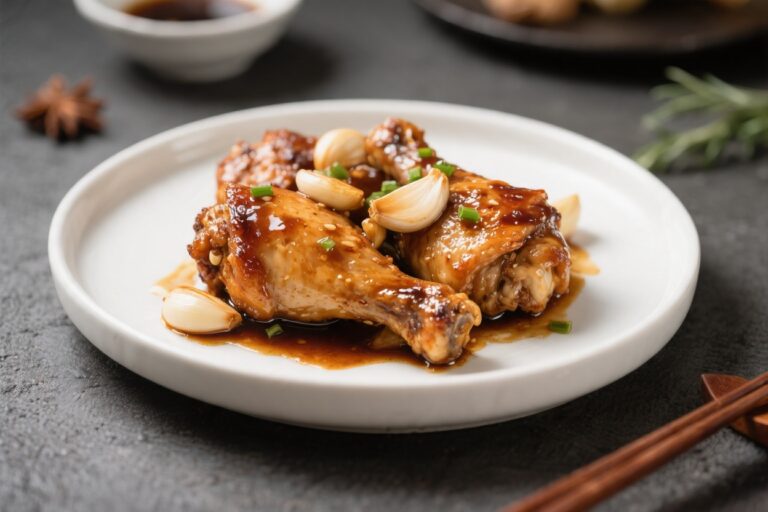
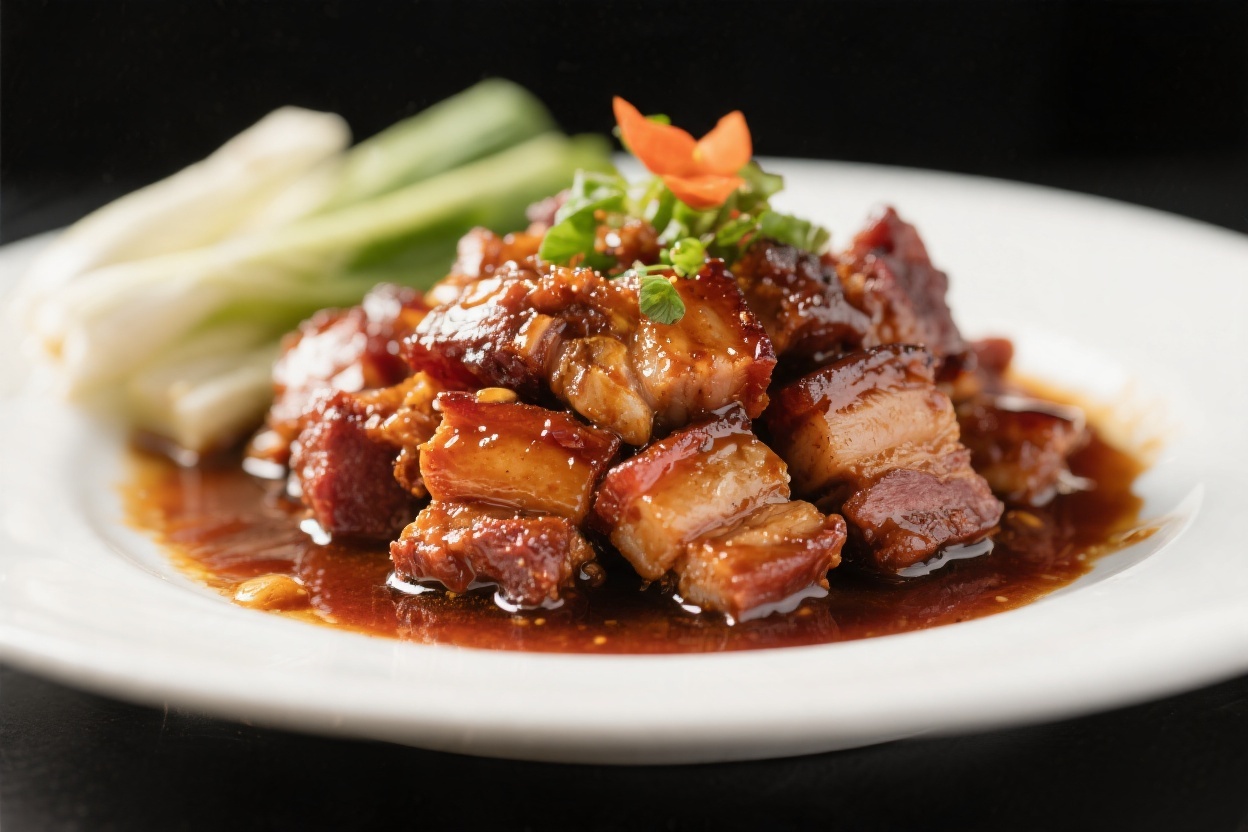
Vietnamese Caramelized Pork is one of those dishes that feels both familiar and exciting. It’s rich, glossy, and unapologetically savory, with just the right hint of sweetness. The sauce clings to tender pork, and every bite has depth from fish sauce, sugar, and aromatics.
FREE 7-Day Easy Dinner Reset
Save time, eat healthier, and take the stress out of dinner. Get a full week of easy healthy dinners delivered straight to your inbox.
It’s easy enough for a weeknight but impressive enough for guests. Serve it with hot jasmine rice, and you’ll understand why it’s a staple in many Vietnamese homes.
Ingredients
Method
- Prep the pork: Pat the pork dry and cut it into even chunks. This helps it brown better and cook evenly.
- Make the dry caramel: In a heavy pan or pot, add the sugar in an even layer. Heat over medium without stirring until it melts and turns a deep amber. If it darkens too fast, lower the heat. Avoid burning—it should be deep amber, not black.
- Quench with water: Carefully add 1/2 cup water to the caramel. It will sputter. Stir until smooth. If the caramel seizes, keep stirring over low heat until it dissolves.
- Sauté aromatics: In the same pot, add a tablespoon of oil if using. Add shallots and garlic. Cook 30–60 seconds until fragrant but not browned.
- Add pork and sear: Add the pork pieces. Toss to coat with the caramel mixture. Let them sear for 3–4 minutes, turning once or twice for some color.
- Season: Pour in fish sauce and add black pepper. For extra depth, swap some of the water with coconut water. If using chilies, add them now.
- Simmer: Reduce heat to low, cover partially, and simmer for 30–40 minutes, stirring occasionally. Add small splashes of water if the sauce reduces too quickly.
- Optional eggs: Nestle hard-boiled eggs into the pot for the last 10–15 minutes so they absorb the sauce and take on color.
- Reduce the sauce: Uncover and let the sauce thicken to a glossy, syrupy consistency that coats the pork. Taste and adjust with more fish sauce for saltiness or sugar for sweetness.
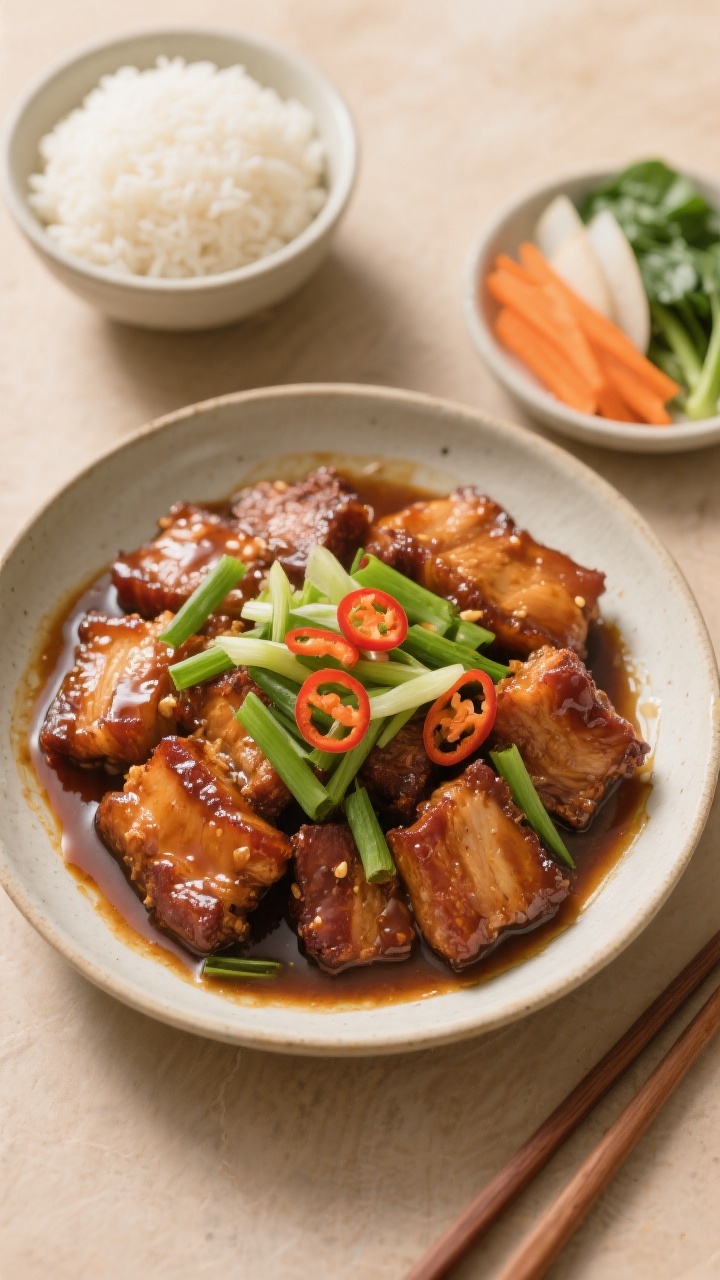
- Finish and serve: Turn off the heat. Sprinkle with sliced green onions. Serve hot over jasmine rice with a side of steamed greens or pickled vegetables.
What Makes This Special
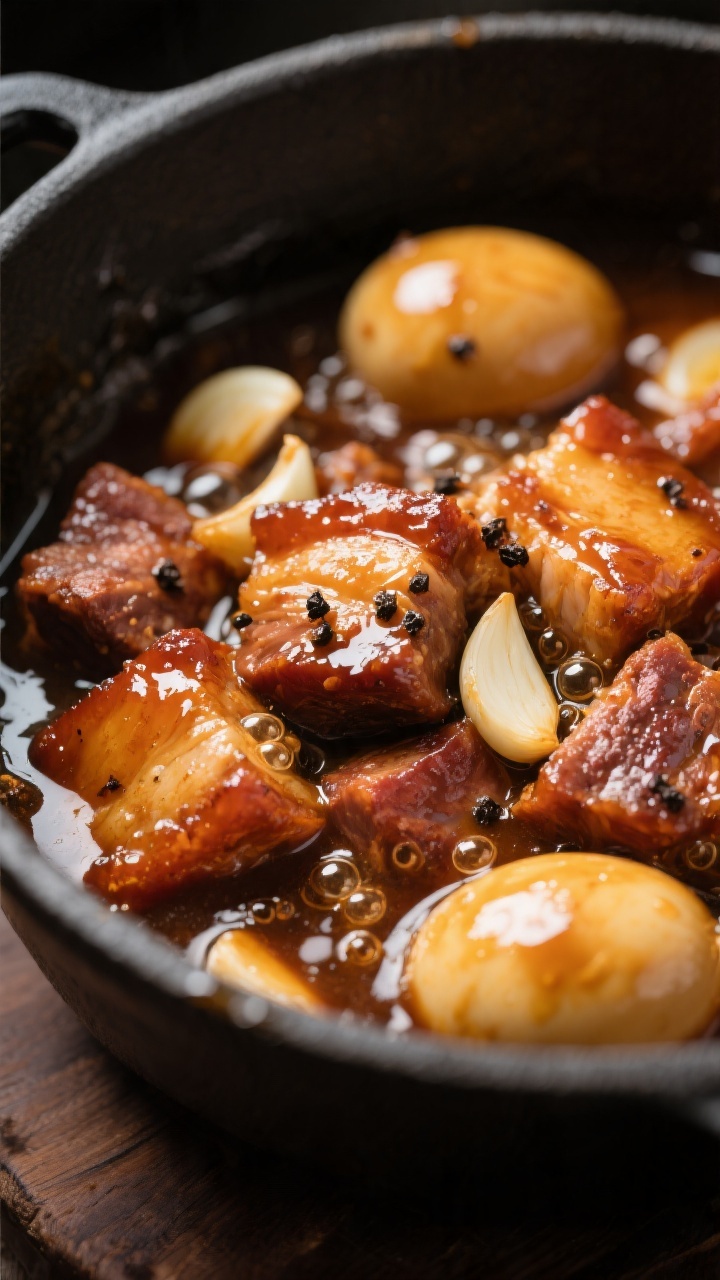
Vietnamese Caramelized Pork (often called Thịt Kho) balances sweet, salty, and umami flavors in a way that’s simple yet memorable. The caramel isn’t like dessert caramel—it’s a quick sugar-based sauce that brings color and complexity.
Fish sauce adds savory depth, garlic and shallots add aroma, and a touch of black pepper brings warmth. The result is pork that’s tender, glossy, and deeply flavored without being heavy.
The dish is also versatile. Some versions include hard-boiled eggs, some lean more sweet, others more peppery.
You can make it on the stovetop in under an hour, or let it simmer a bit longer for extra tenderness. Either way, it’s a crowd-pleaser and a great intro to Vietnamese home cooking.
What You’ll Need
- Pork: 1.5 pounds pork shoulder or pork belly, cut into 1 to 1.5-inch pieces
- Sugar: 1/3 cup white sugar (or use palm sugar for a deeper flavor)
- Water: 1/2 cup for the caramel, plus more as needed
- Fish Sauce: 1/4 cup, good quality
- Garlic: 4 cloves, minced
- Shallots: 2 medium, thinly sliced
- Black Pepper: 1 teaspoon freshly ground (adjust to taste)
- Chili: 1–2 Thai chilies or 1/2 teaspoon chili flakes (optional)
- Coconut Water (optional but traditional): 1 cup, unsweetened
- Neutral Oil: 1 tablespoon (can be omitted if using pork belly)
- Hard-Boiled Eggs (optional): 4, peeled
- Green Onions: 2 stalks, sliced for garnish
- Steamed Jasmine Rice: for serving
How to Make It
- Prep the pork: Pat the pork dry and cut it into even chunks. This helps it brown better and cook evenly.
- Make the dry caramel: In a heavy pan or pot, add the sugar in an even layer.
Heat over medium without stirring until it melts and turns a deep amber. If it darkens too fast, lower the heat. Avoid burning—it should be deep amber, not black.
- Quench with water: Carefully add 1/2 cup water to the caramel.
It will sputter. Stir until smooth. If the caramel seizes, keep stirring over low heat until it dissolves.
- Sauté aromatics: In the same pot, add a tablespoon of oil if using.
Add shallots and garlic. Cook 30–60 seconds until fragrant but not browned.
- Add pork and sear: Add the pork pieces. Toss to coat with the caramel mixture.
Let them sear for 3–4 minutes, turning once or twice for some color.
- Season: Pour in fish sauce and add black pepper. For extra depth, swap some of the water with coconut water. If using chilies, add them now.
- Simmer: Reduce heat to low, cover partially, and simmer for 30–40 minutes, stirring occasionally.
Add small splashes of water if the sauce reduces too quickly.
- Optional eggs: Nestle hard-boiled eggs into the pot for the last 10–15 minutes so they absorb the sauce and take on color.
- Reduce the sauce: Uncover and let the sauce thicken to a glossy, syrupy consistency that coats the pork. Taste and adjust with more fish sauce for saltiness or sugar for sweetness.
- Finish and serve: Turn off the heat. Sprinkle with sliced green onions.
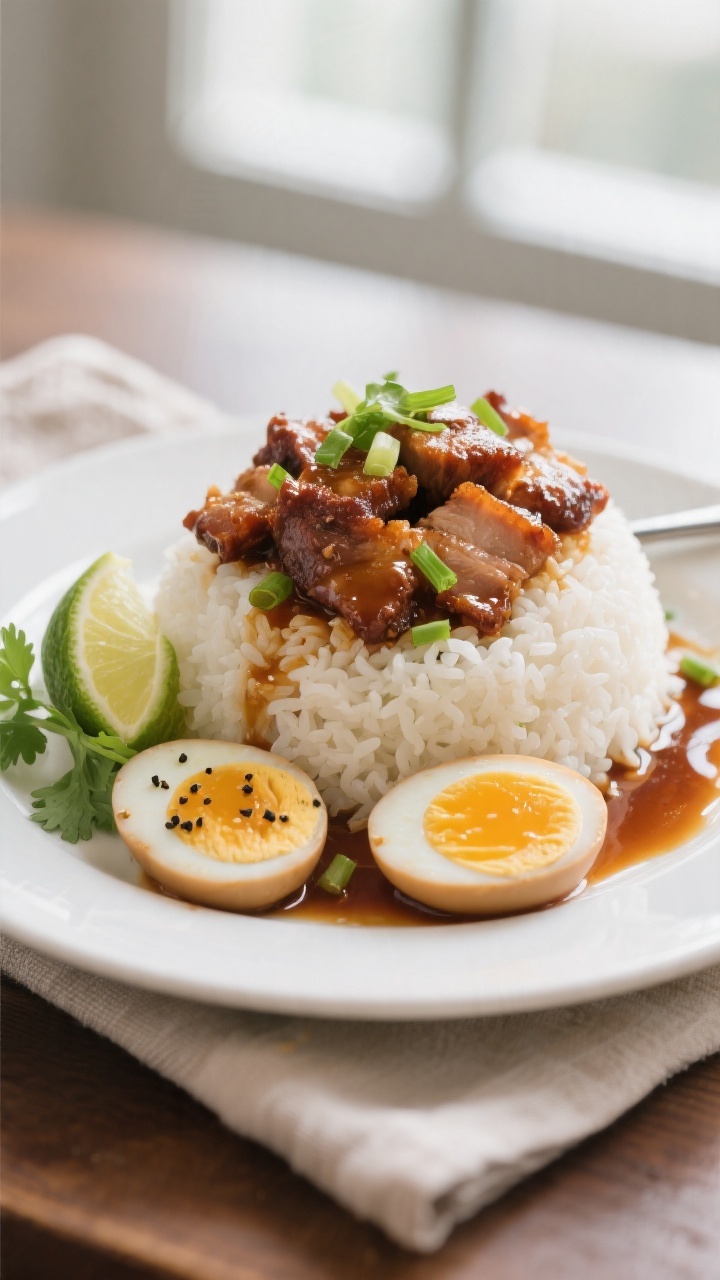
Serve hot over jasmine rice with a side of steamed greens or pickled vegetables.
Storage Instructions
- Refrigerator: Store in an airtight container for up to 4 days. The flavors deepen over time.
- Freezer: Freeze for up to 2 months. Thaw overnight in the fridge and reheat gently on the stove with a splash of water.
- Reheating: Warm over low heat until the sauce loosens.
Avoid high heat to prevent the sugars from burning.
Health Benefits
This dish offers a mix of protein and energy-dense calories, which can be helpful for active days. Using pork shoulder provides a balance of fat and tenderness, while pork belly offers richer flavor with more fat. If you aim for lighter fare, choose pork shoulder, trim visible fat, and spoon off excess fat before serving.
Garlic and shallots bring antioxidants and natural compounds that support heart and immune health.
If you serve the dish with steamed vegetables and plenty of greens, you’ll add fiber and micronutrients. Pairing with jasmine or brown rice helps round out the meal with carbohydrates for steady energy.
Common Mistakes to Avoid
- Burning the caramel: Caramel can go from perfect to bitter in seconds. Watch closely and aim for deep amber, not black.
- Skipping aromatics: Garlic and shallots aren’t optional.
They’re key to that “home-cooked” depth.
- Overcrowding the pan: If you double the recipe, use a wider pot so the pork can sear rather than steam.
- Not reducing the sauce: The final sauce should be glossy and clingy. If it’s watery, simmer uncovered a bit longer.
- Under-seasoning: Taste at the end. Add a touch more fish sauce or sugar to balance salt and sweetness.
Recipe Variations
- Classic Thịt Kho Trứng: Add hard-boiled eggs and use coconut water for the braising liquid.
Let the eggs stain golden-brown in the sauce.
- Lean and Light: Use pork loin or trimmed shoulder, shorten simmer time to avoid drying out, and skim off fat.
- Spicy Kick: Add more Thai chilies, chili flakes, or a small spoon of chili crisp at the end.
- Citrus Twist: Finish with a squeeze of lime and a pinch of zest for brightness. Not traditional but refreshing.
- Herbal Lift: Top with fresh cilantro and extra green onions. Serve with pickled carrots and daikon for contrast.
- No Fish Sauce: Substitute soy sauce plus a splash of Worcestershire for umami.
Flavor will differ but still tasty.
FAQ
Can I use chicken instead of pork?
Need More Easy Dinner Ideas?
Get my FREE 7-Day Easy Dinner Reset and enjoy a full week of healthy dinners without the meal-planning stress.
Yes. Thighs work best. Brown them well, then simmer for 20–25 minutes.
The flavor will be lighter but still delicious.
What if my caramel crystallizes?
Keep it over low heat and stir gently until it melts again. Adding the water slowly and evenly helps prevent seizing.
Is fish sauce necessary?
It’s traditional and adds signature flavor. If you must skip it, use soy sauce with a bit of anchovy paste or Worcestershire to mimic umami.
How sweet should it be?
It should be balanced—sweet enough to round out the saltiness and bring shine.
Start with the listed sugar, then adjust to your taste at the end.
Can I make it in an Instant Pot?
Yes. Sauté aromatics and pork on sauté mode, add liquids, then cook on high pressure for 15 minutes with a natural release. Reduce the sauce on sauté afterward until glossy.
What side dishes go well?
Steamed jasmine rice is classic.
Add blanched bok choy, sautéed water spinach, or a quick cucumber salad for crunch and freshness.
Why use coconut water?
It adds subtle sweetness and a rounder flavor. It’s not sugary like soda, and it helps the sauce develop a gentle, caramel-like complexity.
How do I keep the pork tender?
Use a cut with some fat, like shoulder or belly, and simmer low and slow. If the heat is too high, the meat can tighten and turn tough.
Can I make it ahead?
Absolutely.
The flavors improve overnight. Reheat gently and add a splash of water to loosen the sauce.
How do I fix an overly salty sauce?
Add a bit more sugar, a splash of water, and a few extra minutes of simmering. Serving with unsalted rice and plain vegetables also helps balance it.
Final Thoughts
Vietnamese Caramelized Pork is comfort food with personality—simple ingredients, bold flavors, and a sauce that begs for rice.
Once you master the caramel and the balance of sweet and salty, the rest is easy. Adjust it to your taste, make it spicy or classic, and don’t forget the green onions on top. It’s the kind of dish you’ll make once and keep in your back pocket for years.
Printable Recipe Card
Want just the essential recipe details without scrolling through the article? Get our printable recipe card with just the ingredients and instructions.
Loved This Recipe?
If you're looking for more simple, healthy dinners your family will actually eat, grab my FREE 7-Day Easy Dinner Reset. You'll get 7 easy dinner recipes, simple grocery lists, and a done-for-you plan that takes the stress out of mealtime.