Honey Soy Glazed Salmon Bowls – A Simple, Flavor-Packed Weeknight Favorite
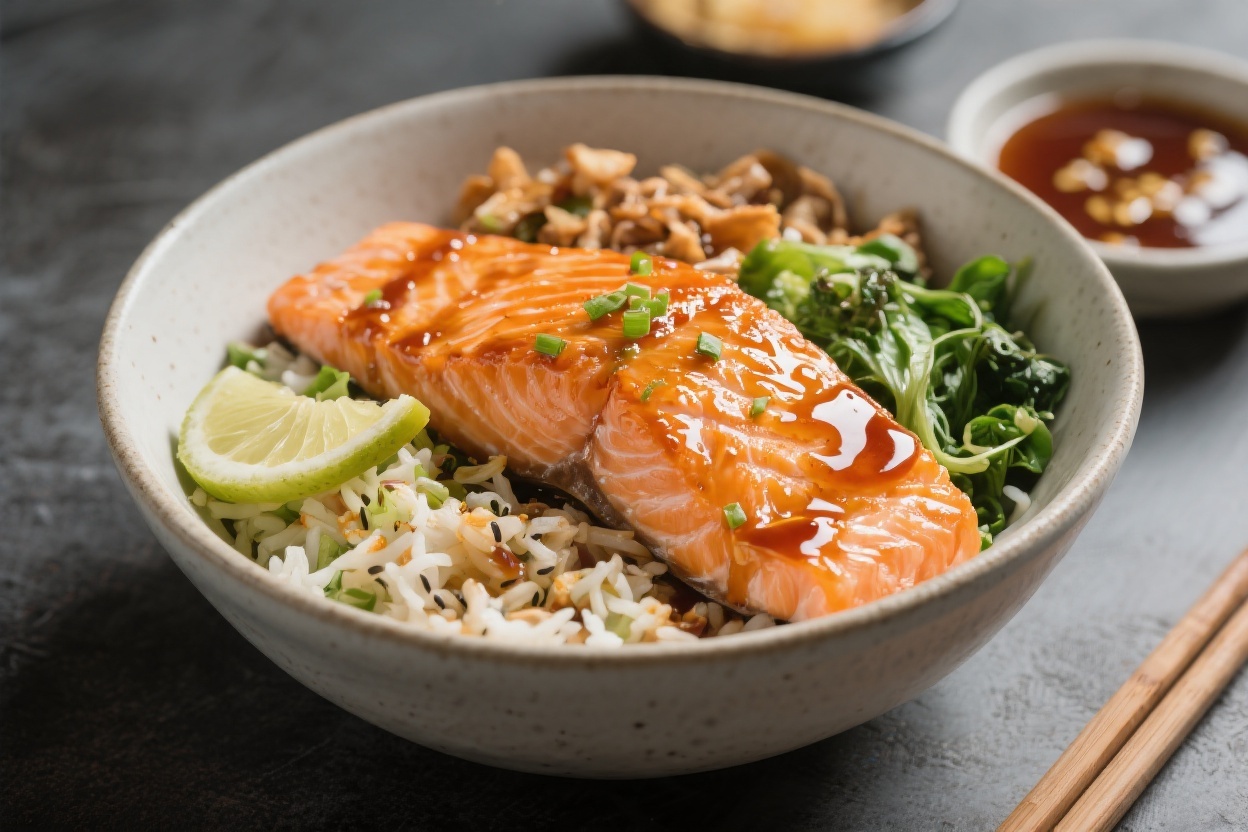
If you love a meal that’s fast, satisfying, and big on flavor, these Honey Soy Glazed Salmon Bowls are for you. The salmon cooks up tender with a glossy, sticky glaze that hits sweet, salty, and a little tangy all at once. Pair it with warm rice, crisp veggies, and a drizzle of extra sauce, and you’ve got a balanced bowl that feels special without any fuss.
FREE 7-Day Easy Dinner Reset
Save time, eat healthier, and take the stress out of dinner. Get a full week of easy healthy dinners delivered straight to your inbox.
This is the kind of dinner that works on a busy Tuesday but still feels worthy of a weekend. Plus, cleanup is easy and the leftovers are just as tasty the next day.
Ingredients
Method
- Make the glaze: In a small bowl, whisk soy sauce, honey, rice vinegar, sesame oil, ginger, garlic, and sriracha (if using). Taste and adjust sweetness or salt. Set aside.
- Pat the salmon dry: Use paper towels to dry the fillets so they sear well. Season lightly with salt and pepper. Don’t over-salt; the soy sauce is already salty.
- Cook your base: Warm your cooked rice. If you’re making it fresh, start it first so it’s ready when the salmon is done.
- Prep the veggies: Slice cucumbers, shred carrots, steam or sauté broccoli, and slice green onions. Keep avocado for last to avoid browning.
- Sear the salmon: Heat neutral oil in a large skillet over medium-high heat. Place salmon skin-side up and sear 2–3 minutes until golden. Flip and cook another 2–3 minutes. Reduce heat to medium.
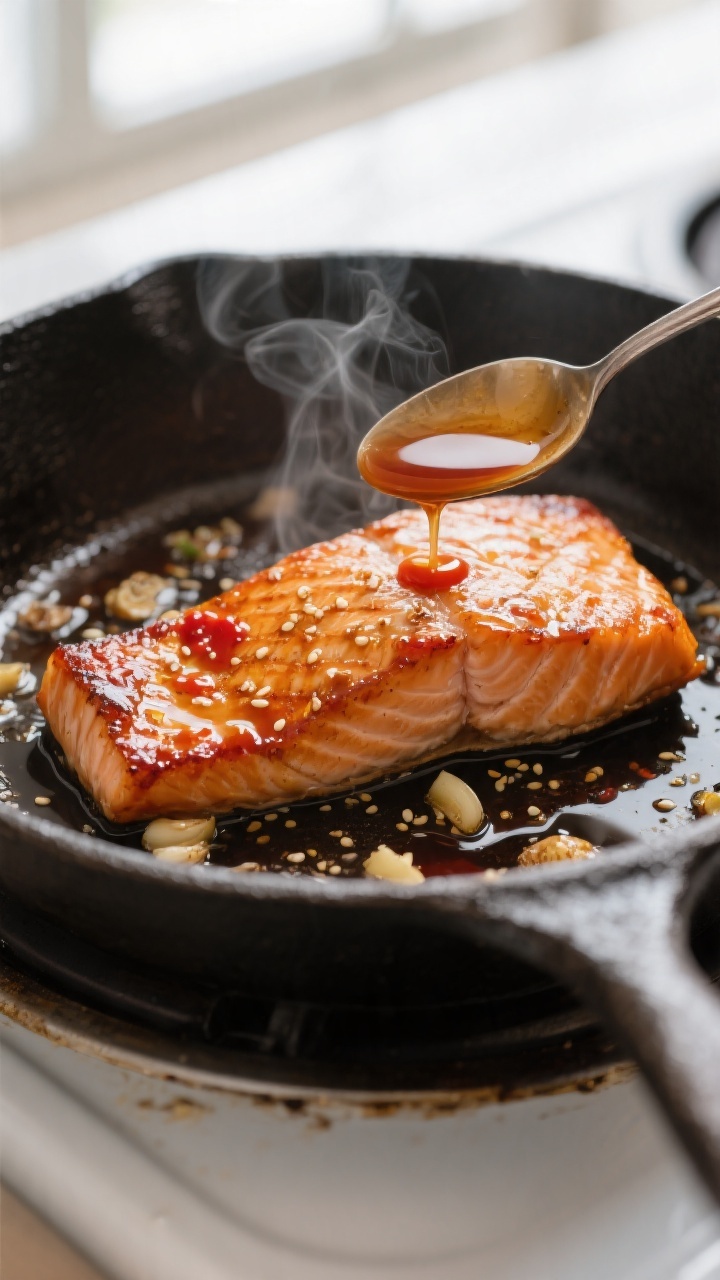
- Glaze in the pan: Pour the honey soy mixture around the salmon. Spoon glaze over the fillets as it simmers. If you prefer a thicker glaze, stir in the cornstarch slurry and cook 30–60 seconds more until glossy.
- Finish to your liking: Cook until salmon is just opaque and flakes easily, about 125–130°F in the thickest part for medium. Remove from heat so it doesn’t overcook.
- Assemble the bowls: Add rice to each bowl. Top with salmon, then arrange carrots, cucumber, and broccoli around it. Spoon extra glaze over everything.
- Garnish and serve: Add avocado slices, green onions, and sesame seeds. Finish with a squeeze of lime for brightness. Serve immediately.
What Makes This Special
- Bold flavor, minimal effort: A short list of pantry staples creates a restaurant-style glaze in minutes.
- Quick cook time: Salmon cooks fast, so you can have dinner ready in about 25–30 minutes.
- Customizable bowls: Swap veggies, grains, or toppings to match your taste or what you have.
- Balanced and nourishing: Protein-rich salmon, fiber-filled grains, and colorful veggies in one bowl.
- Works for meal prep: Make components ahead, then assemble for fresh, no-stress meals.
Ingredients
- For the salmon and glaze:
- 4 salmon fillets (about 5–6 ounces each), skin on or off
- 3 tablespoons low-sodium soy sauce (or tamari for gluten-free)
- 2 tablespoons honey
- 1 tablespoon rice vinegar (or lime juice)
- 1 tablespoon toasted sesame oil
- 2 teaspoons fresh grated ginger (or 1/2 teaspoon ground ginger)
- 2 cloves garlic, minced
- 1–2 teaspoons sriracha or chili-garlic sauce (optional, for heat)
- 1 teaspoon cornstarch mixed with 1 teaspoon water (slurry, optional for a thicker glaze)
- 1 tablespoon neutral oil (avocado, canola) for searing
- Salt and black pepper, to taste
- For the bowls:
- 3 cups cooked rice (jasmine, brown, or sushi rice)
- 1 cup shredded carrots
- 1 cup thinly sliced cucumber
- 1 cup steamed or sautéed broccoli or green beans
- 1 small avocado, sliced
- 2 green onions, thinly sliced
- 2 teaspoons sesame seeds
- Lime wedges, for serving
How to Make It
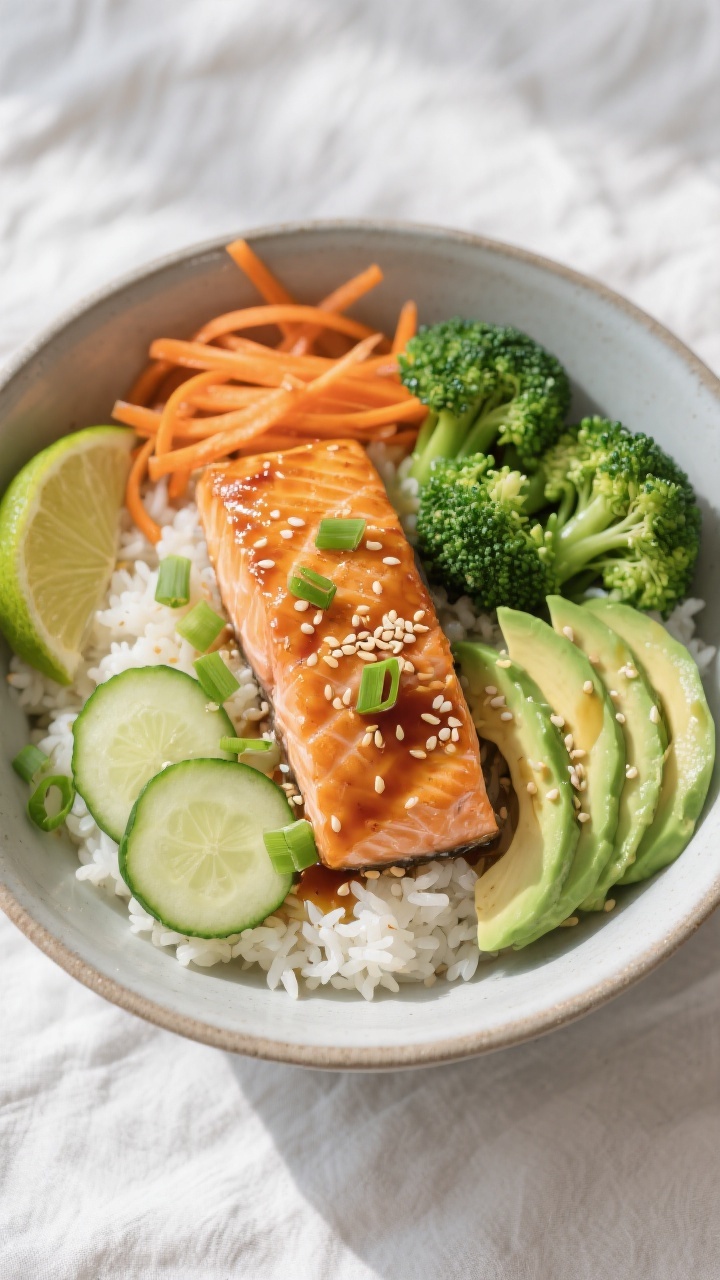
- Make the glaze: In a small bowl, whisk soy sauce, honey, rice vinegar, sesame oil, ginger, garlic, and sriracha (if using). Taste and adjust sweetness or salt.
Set aside.
- Pat the salmon dry: Use paper towels to dry the fillets so they sear well. Season lightly with salt and pepper. Don’t over-salt; the soy sauce is already salty.
- Cook your base: Warm your cooked rice.
If you’re making it fresh, start it first so it’s ready when the salmon is done.
- Prep the veggies: Slice cucumbers, shred carrots, steam or sauté broccoli, and slice green onions. Keep avocado for last to avoid browning.
- Sear the salmon: Heat neutral oil in a large skillet over medium-high heat. Place salmon skin-side up and sear 2–3 minutes until golden.
Flip and cook another 2–3 minutes. Reduce heat to medium.
- Glaze in the pan: Pour the honey soy mixture around the salmon. Spoon glaze over the fillets as it simmers.
If you prefer a thicker glaze, stir in the cornstarch slurry and cook 30–60 seconds more until glossy.
- Finish to your liking: Cook until salmon is just opaque and flakes easily, about 125–130°F in the thickest part for medium. Remove from heat so it doesn’t overcook.
- Assemble the bowls: Add rice to each bowl. Top with salmon, then arrange carrots, cucumber, and broccoli around it.
Spoon extra glaze over everything.
- Garnish and serve: Add avocado slices, green onions, and sesame seeds. Finish with a squeeze of lime for brightness. Serve immediately.
Keeping It Fresh
- Storage: Keep components separate when possible.
Store salmon and rice in airtight containers for up to 3 days. Veggies and garnishes last 2–3 days.
- Reheating: Warm salmon gently in a skillet over low heat with a splash of water to loosen the glaze, or microwave at 50–60% power in short bursts. Avoid overcooking.
- Make-ahead tips: Mix the glaze up to 4 days ahead.
Pre-cook rice and portion it. Cut sturdy veggies (carrots, broccoli) in advance; slice avocado fresh.
- Freezer-friendly: Cooked salmon can be frozen up to 2 months, but texture is best fresh. Freeze without avocado or cucumber.
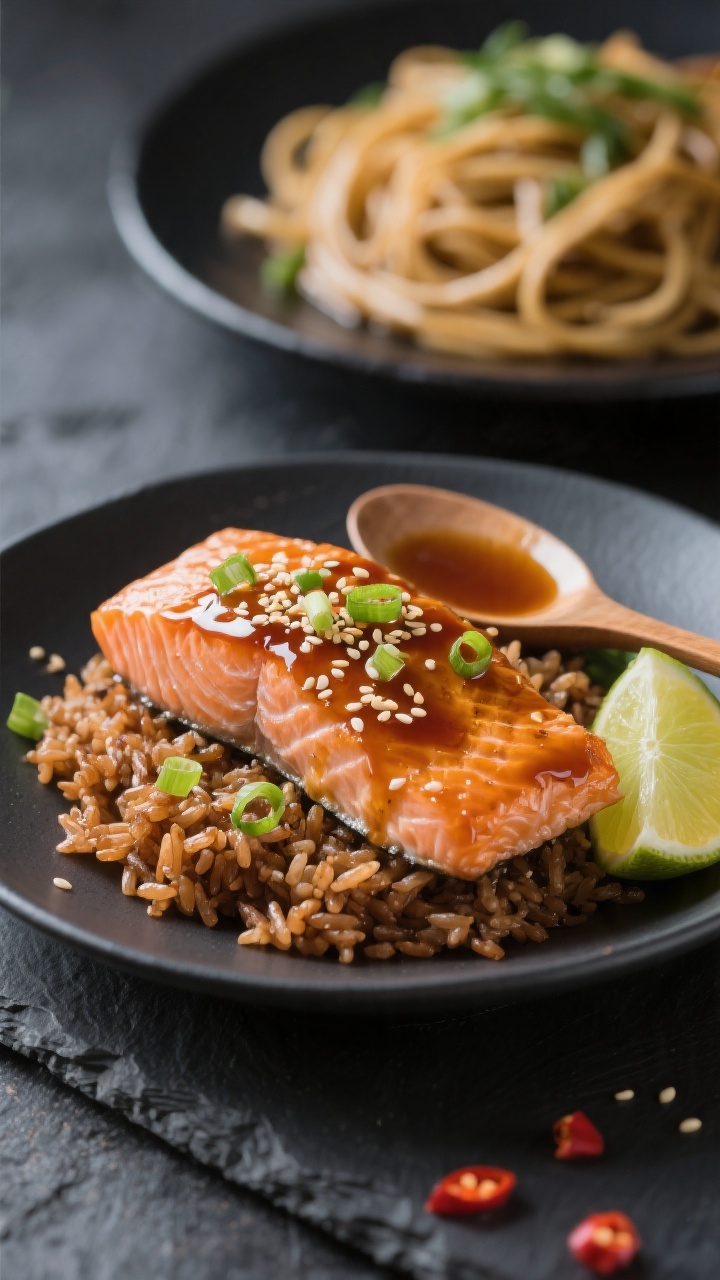
Why This is Good for You
- Omega-3 fats: Salmon is rich in EPA and DHA, which support heart and brain health.
- Quality protein: Each bowl delivers satisfying protein that helps with fullness and recovery.
- Balanced carbs: Rice offers steady energy; choose brown rice for extra fiber.
- Colorful veggies: Carrots, cucumber, and broccoli bring vitamins, minerals, and crunch.
- Smart sweetness: Honey adds flavor so you can use less overall sauce while still getting a big payoff.
Common Mistakes to Avoid
- Overcooking the salmon: Salmon goes from perfect to dry quickly.
Pull it off the heat when it reaches 125–130°F or flakes easily.
- Skipping the pat-dry step: Wet fish won’t sear. Dry fillets mean better browning and flavor.
- Letting the glaze burn: Honey can scorch on high heat. Lower the heat when you add the glaze and keep it moving.
- Over-salting: Remember the soy sauce is salty.
Season the salmon lightly at the start and taste the glaze before adding more salt.
- Crowding the pan: If fillets are crammed in, they steam instead of sear. Cook in batches if needed.
Recipe Variations
- Citrus twist: Swap rice vinegar for fresh orange juice and add orange zest to the glaze.
- Ginger-scallion punch: Double the ginger and stir in extra sliced green onions at the end.
- Spicy gochujang: Replace sriracha with 1 teaspoon gochujang for deeper heat and umami.
- Low-carb bowl: Use cauliflower rice or shredded cabbage as the base.
- Grain swap: Try quinoa, farro, or soba noodles instead of rice.
- Veg-forward: Add edamame, radishes, or snap peas for more crunch and color.
- Air fryer method: Air fry salmon at 390°F for 7–9 minutes, brushing with glaze halfway and at the end.
- Gluten-free: Use tamari or coconut aminos in place of soy sauce.
FAQ
Can I use frozen salmon?
Yes. Thaw it overnight in the fridge or under cold running water in its packaging.
Pat very dry before cooking to get a good sear and prevent excess moisture in the pan.
Need More Easy Dinner Ideas?
Get my FREE 7-Day Easy Dinner Reset and enjoy a full week of healthy dinners without the meal-planning stress.
What if I don’t have rice vinegar?
Use lime juice, lemon juice, or apple cider vinegar. Start with a little less, then taste and adjust so the glaze stays balanced.
How do I know when the salmon is done?
Look for the flesh to turn opaque and flake easily with a fork. If you use a thermometer, aim for 125–130°F for medium.
It will continue to cook slightly off the heat.
Can I bake the salmon instead of searing?
Absolutely. Bake at 400°F for 10–12 minutes, brushing with glaze halfway and again at the end. For a sticky finish, broil for 1–2 minutes, watching closely.
Is there a substitute for honey?
Maple syrup works well and gives a deeper flavor.
Brown sugar also works; dissolve it thoroughly in the sauce before adding to the pan.
What vegetables go best in these bowls?
Anything crisp or tender-crisp pairs nicely. Try cucumbers, carrots, edamame, snap peas, radishes, roasted sweet potatoes, or pickled red onions for a bright pop.
Can I make this dairy-free?
Yes, it’s naturally dairy-free as written. No swaps needed unless you change toppings.
How can I make it spicier?
Add more sriracha, a pinch of red pepper flakes, or a spoonful of chili crisp when serving.
Taste as you go so the heat doesn’t overpower the glaze.
What’s the best pan for searing salmon?
A heavy stainless steel or cast-iron skillet gives the best crust. Preheat the pan well and use enough oil so the salmon doesn’t stick.
Can I meal prep these bowls?
Yes. Portion rice and veggies in containers, add salmon on top, and keep the avocado separate.
Reheat gently and add fresh garnishes right before eating.
In Conclusion
Honey Soy Glazed Salmon Bowls bring big flavor with simple steps and everyday ingredients. The glossy glaze, tender salmon, and fresh toppings create a bowl that feels both comforting and bright. Keep the base the same or mix it up with different grains and veggies—this recipe can flex to fit any weeknight.
Once you make it, you’ll want it in your regular rotation. It’s fast, fresh, and consistently delicious.
Printable Recipe Card
Want just the essential recipe details without scrolling through the article? Get our printable recipe card with just the ingredients and instructions.
Loved This Recipe?
If you're looking for more simple, healthy dinners your family will actually eat, grab my FREE 7-Day Easy Dinner Reset. You'll get 7 easy dinner recipes, simple grocery lists, and a done-for-you plan that takes the stress out of mealtime.