Korean BBQ Pork Bowls – A Savory, Satisfying Weeknight Favorite
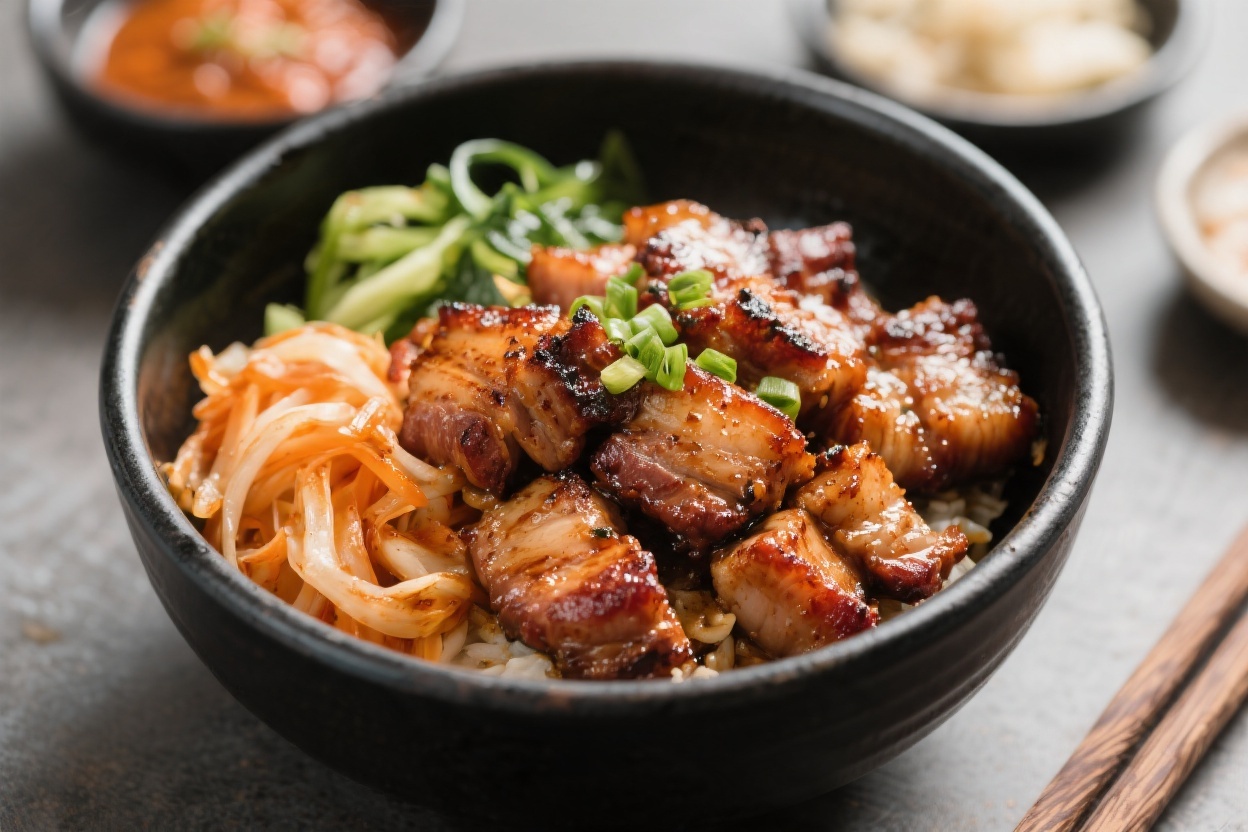
Korean BBQ pork bowls bring big flavor with minimal fuss. Tender, caramelized pork meets fluffy rice, crisp veggies, and a sweet-salty sauce that hits all the right notes. It’s the kind of meal that makes weeknights feel special without demanding hours in the kitchen.
FREE 7-Day Easy Dinner Reset
Save time, eat healthier, and take the stress out of dinner. Get a full week of easy healthy dinners delivered straight to your inbox.
You’ll get heat, sweetness, and umami in every bite, with a freshness that keeps the bowl light. Whether you’re cooking for one or feeding a crowd, this is a fast, flexible recipe that’s easy to love.
Ingredients
Method
- Cook the rice. Rinse until the water runs clear. Cook per package directions. Fluff and keep warm. Rice can be made ahead and reheated.
- Make the sauce. In a bowl, whisk soy sauce, brown sugar, honey, rice vinegar, gochujang (or gochugaru), and 1 teaspoon sesame oil. Taste and adjust heat and sweetness. You want a sweet-salty-spicy balance.
- Prep aromatics and veggies. Mince garlic and ginger. Slice scallions. Shred cabbage, julienne carrots, and slice cucumber thin. If you like pickles, toss carrots with 1 tablespoon rice vinegar, 1/2 teaspoon sugar, and a pinch of salt; let sit.
- Marinate the pork (optional but great). If using thinly sliced pork shoulder, toss with half the sauce and let sit 10–20 minutes. For ground pork, you can skip marinating.
- Heat the pan. Use a large skillet or wok over medium-high heat. Add neutral oil until shimmering.
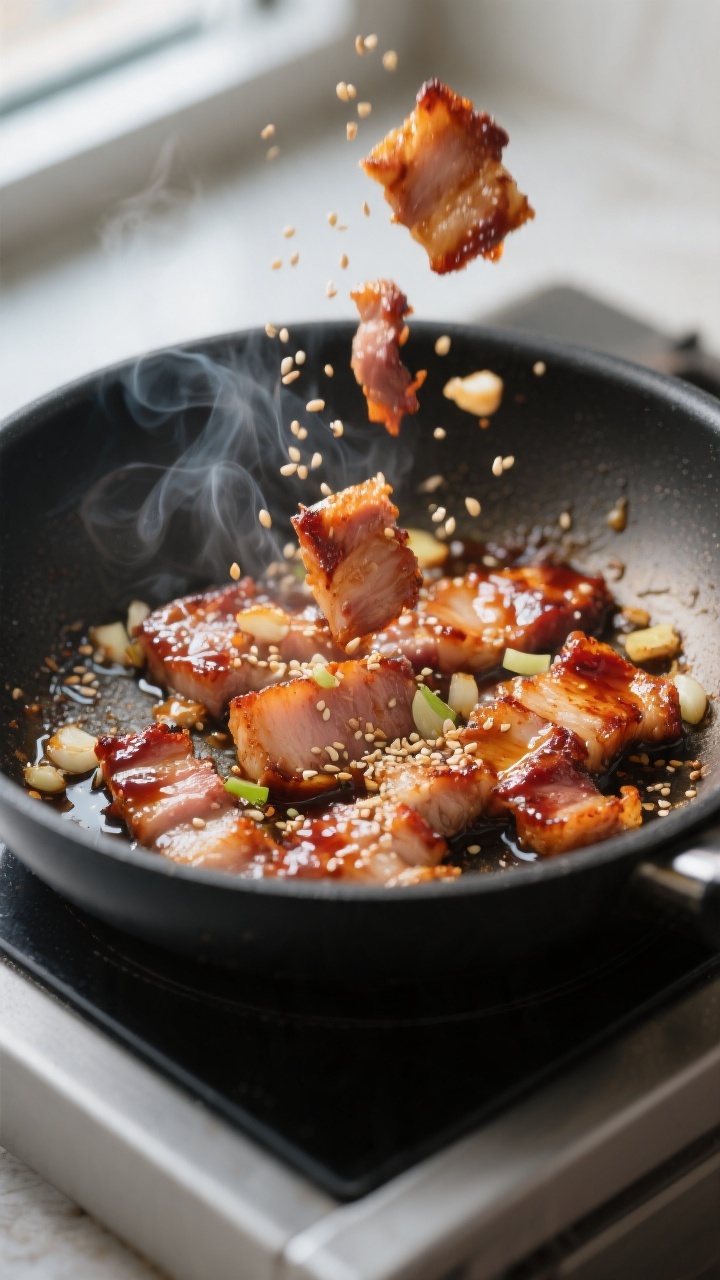
- Cook the pork. Add ground pork, breaking it up, or lay slices in a single layer. Cook until browned and slightly crisp at the edges. For ground pork, let it sear before stirring to build caramelization.
- Add aromatics. Stir in garlic and ginger. Cook 30–60 seconds until fragrant. Avoid burning.
- Sauce it. Pour in the remaining sauce (or the rest if you didn’t marinate). Stir and let it bubble and thicken 1–2 minutes until glossy and lightly caramelized. Finish with a drizzle of sesame oil.
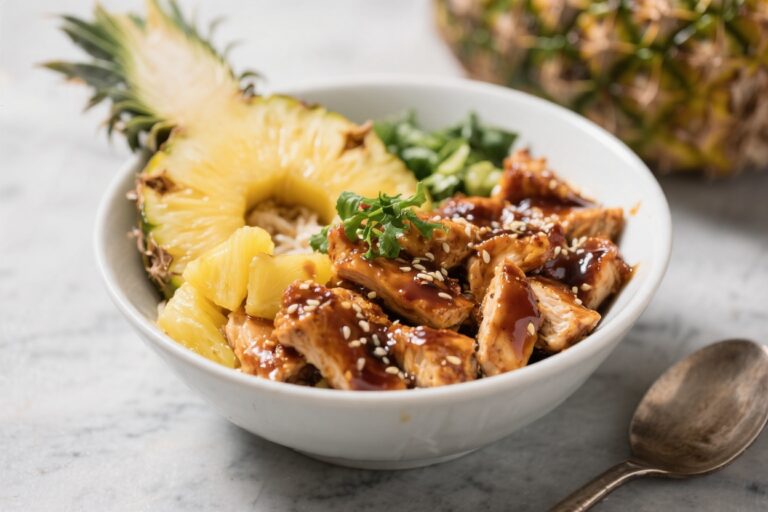
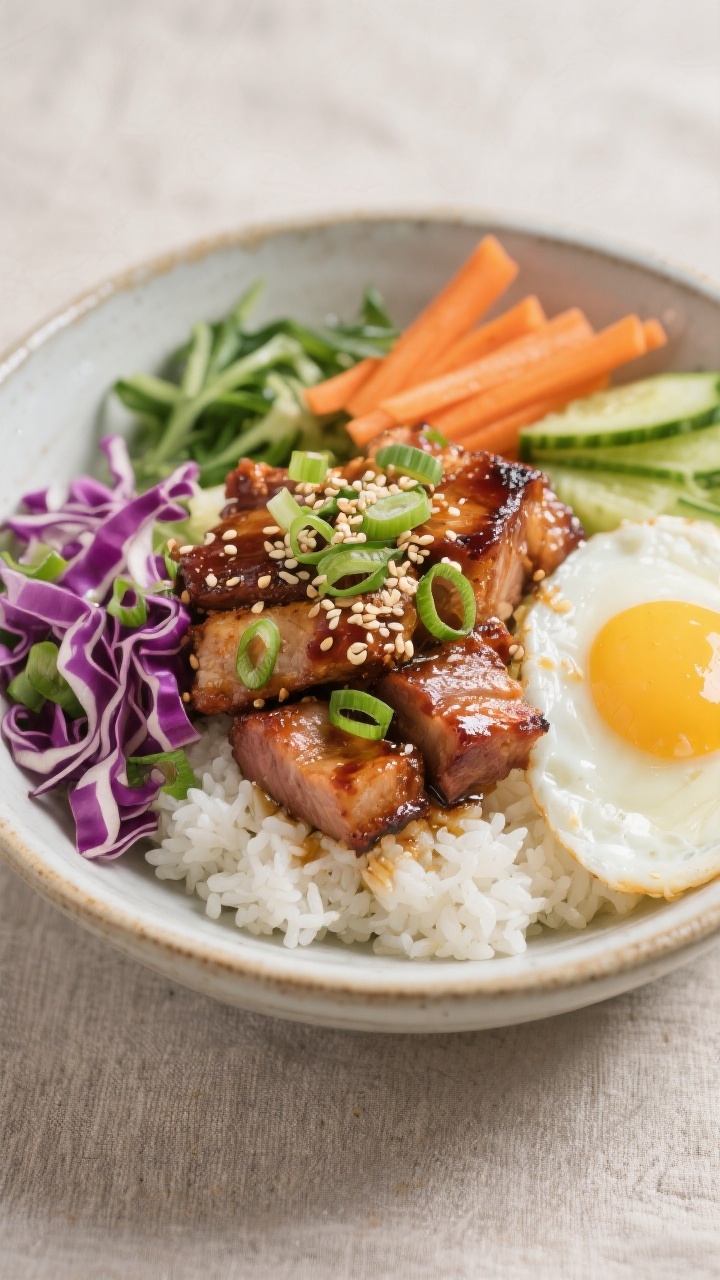
- Assemble bowls. Add warm rice to bowls. Top with pork, cabbage, carrots, cucumber, and scallions. Sprinkle sesame seeds. Add kimchi or a fried egg if you want extra richness.
- Serve. Squeeze a little citrus over the top if using. Taste and add more gochujang or soy at the table if needed.
What Makes This Special
These bowls are all about balance. You get the bold, smoky-sweet flavor of Korean BBQ pork paired with fresh toppings like cucumber, scallions, and quick-pickled carrots.
It’s fast: marinate while you prep, cook in under 15 minutes, and build your bowl. Plus, it’s flexible. Use ground pork or thinly sliced pork shoulder, swap in cauliflower rice, or make it spicy or mild.
The result is a restaurant-style bowl that’s easy enough for a busy weeknight.
Shopping List
- Pork: 1 to 1.25 pounds ground pork or thinly sliced pork shoulder (bulgogi-style)
- Rice: 2 cups cooked jasmine or short-grain white rice (or brown rice/cauliflower rice)
- Vegetables: 2 carrots, 1 small cucumber, 4 scallions, 2 cups shredded cabbage or lettuce
- Aromatics: 4 cloves garlic, 1-inch piece fresh ginger
- Sauce base: 1/4 cup soy sauce (or tamari), 2 tablespoons brown sugar, 1 tablespoon honey
- Acidity: 2 tablespoons rice vinegar
- Heat: 1–2 tablespoons gochujang (Korean red chili paste) or 1 teaspoon gochugaru (chili flakes), to taste
- Toasted sesame oil: 1–2 teaspoons
- Neutral oil: 1–2 tablespoons (canola, avocado, or grapeseed)
- Sesame seeds: 1 tablespoon
- Optional toppings: kimchi, fried egg, lime or lemon wedges, cilantro
- Optional quick pickle: extra rice vinegar, sugar, and a pinch of salt for carrots/cucumber
Step-by-Step Instructions
- Cook the rice. Rinse until the water runs clear. Cook per package directions. Fluff and keep warm.
Rice can be made ahead and reheated.
- Make the sauce. In a bowl, whisk soy sauce, brown sugar, honey, rice vinegar, gochujang (or gochugaru), and 1 teaspoon sesame oil. Taste and adjust heat and sweetness. You want a sweet-salty-spicy balance.
- Prep aromatics and veggies. Mince garlic and ginger.
Slice scallions. Shred cabbage, julienne carrots, and slice cucumber thin. If you like pickles, toss carrots with 1 tablespoon rice vinegar, 1/2 teaspoon sugar, and a pinch of salt; let sit.
- Marinate the pork (optional but great). If using thinly sliced pork shoulder, toss with half the sauce and let sit 10–20 minutes.
For ground pork, you can skip marinating.
- Heat the pan. Use a large skillet or wok over medium-high heat. Add neutral oil until shimmering.
- Cook the pork. Add ground pork, breaking it up, or lay slices in a single layer. Cook until browned and slightly crisp at the edges.
For ground pork, let it sear before stirring to build caramelization.
- Add aromatics. Stir in garlic and ginger. Cook 30–60 seconds until fragrant. Avoid burning.
- Sauce it. Pour in the remaining sauce (or the rest if you didn’t marinate).
Stir and let it bubble and thicken 1–2 minutes until glossy and lightly caramelized. Finish with a drizzle of sesame oil.
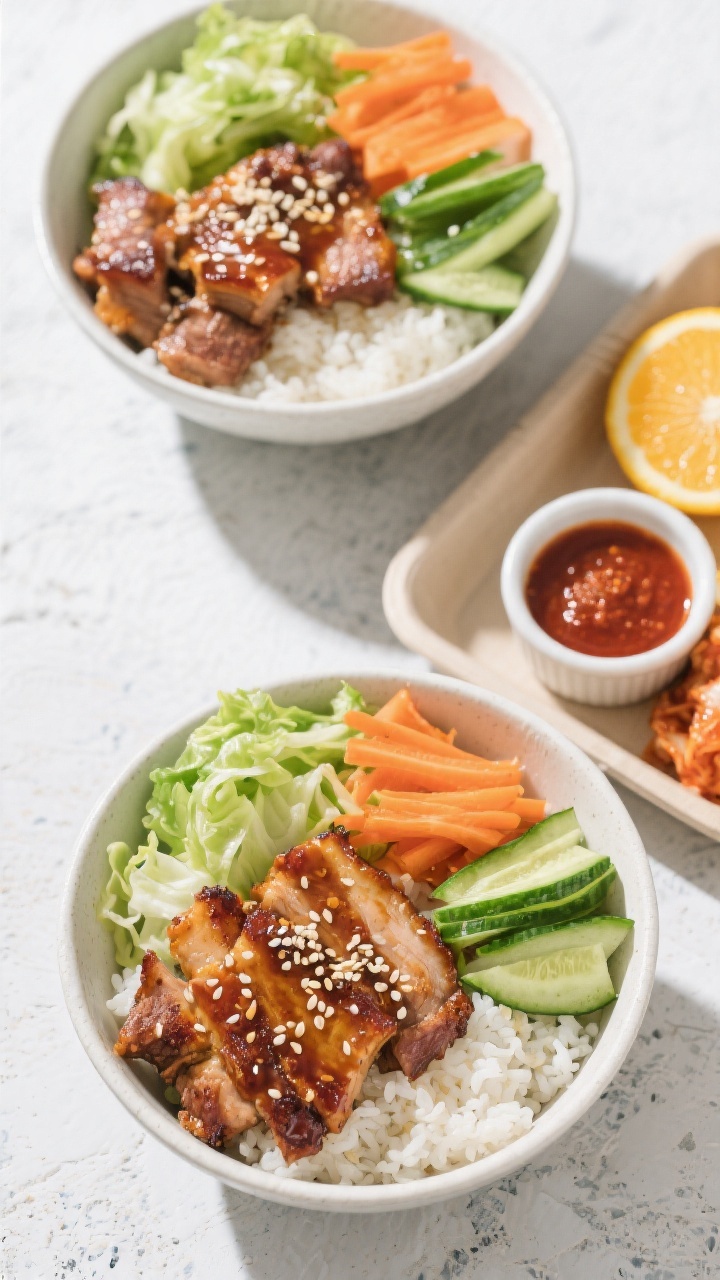
- Assemble bowls. Add warm rice to bowls. Top with pork, cabbage, carrots, cucumber, and scallions.
Sprinkle sesame seeds. Add kimchi or a fried egg if you want extra richness.
- Serve. Squeeze a little citrus over the top if using. Taste and add more gochujang or soy at the table if needed.
How to Store
Store pork and rice in separate airtight containers for up to 4 days in the fridge.
Keep raw veggies and pickles separate so they stay crisp. Reheat pork and rice gently in the microwave with a splash of water, or warm on the stovetop over low heat. Freeze cooked pork for up to 2 months; thaw overnight in the fridge and reheat.
Assemble bowls just before eating to keep textures fresh.
Benefits of This Recipe
- Fast and flexible: Cooks in about 30 minutes and welcomes swaps.
- Balanced flavors: Sweet, savory, spicy, and tangy in one bowl.
- Great for meal prep: Components store well and assemble quickly.
- Protein-packed: Pork provides satisfying protein and iron.
- Customizable heat: Adjust gochujang to suit everyone’s spice tolerance.
Pitfalls to Watch Out For
- Watery pork: Overcrowding the pan steams the meat. Cook in batches for good browning.
- Burnt aromatics: Add garlic and ginger after browning the pork and cook briefly.
- Overly salty sauce: Different soy sauces vary. Taste the sauce and balance with more honey or vinegar if needed.
- Rice clumps: Rinse rice well before cooking and fluff with a fork.
If using day-old rice, sprinkle with water before reheating.
- Too sweet or too spicy: Start conservative with sugar and gochujang; you can always add more.
Alternatives
Need More Easy Dinner Ideas?
Get my FREE 7-Day Easy Dinner Reset and enjoy a full week of healthy dinners without the meal-planning stress.
- Protein swaps: Use ground turkey, chicken, or crumbled tofu. For tofu, press, crumble, and pan-sear before saucing.
- Low-carb base: Serve over cauliflower rice, shredded cabbage, or zucchini noodles.
- No gochujang on hand: Mix chili garlic sauce with a little miso or tomato paste plus honey for a similar sweet heat.
- Gluten-free: Use tamari or coconut aminos and check labels on gochujang (some contain wheat).
- Extra veggies: Add sautéed mushrooms, bell peppers, snap peas, or spinach to boost volume and nutrients.
FAQ
Can I make this without sugar?
Yes. Use a touch of honey or maple syrup, or skip added sweeteners and rely on the natural sweetness from gochujang and onions if you add them.
Keep in mind a little sweetness helps the sauce caramelize and balance salt and heat.
What cut of pork works best?
Ground pork is the easiest and browns beautifully. Thinly sliced pork shoulder or pork butt gives you classic bulgogi-style texture and deeper flavor. Avoid very lean cuts, which can dry out.
How spicy is it?
With 1 tablespoon of gochujang, it’s a gentle medium heat.
Reduce to 1 teaspoon for mild, or add more gochujang and a pinch of gochugaru for extra kick. You can also add heat at the table.
Can I prepare this ahead?
Absolutely. Cook the pork and rice up to 3–4 days in advance.
Store veggies separately. Reheat the pork and rice, then assemble with fresh toppings for best texture.
What’s a good substitute for rice vinegar?
Use apple cider vinegar or a squeeze of lemon or lime. Start with less and taste, since they can be sharper than rice vinegar.
Is there a way to make it lighter?
Serve over cauliflower rice or a bed of shredded cabbage, and use leaner ground pork or ground turkey.
Load up on fresh veggies and skip the fried egg to cut calories while keeping it filling.
How do I get that caramelized edge on the pork?
Use a hot pan, don’t crowd it, and let the meat sear undisturbed for a minute or two before stirring. Add the sauce and cook until it reduces and clings, turning glossy and slightly sticky.
In Conclusion
Korean BBQ pork bowls check all the boxes: quick, flavorful, and endlessly customizable. With a handful of pantry staples and fresh veggies, you can build a bowl that tastes like takeout but feels homemade.
Keep the sauce balanced, don’t rush the sear, and finish with crisp toppings for contrast. Once you make it, you’ll keep it in your weeknight rotation—and your lunch meal prep, too.
Printable Recipe Card
Want just the essential recipe details without scrolling through the article? Get our printable recipe card with just the ingredients and instructions.
Loved This Recipe?
If you're looking for more simple, healthy dinners your family will actually eat, grab my FREE 7-Day Easy Dinner Reset. You'll get 7 easy dinner recipes, simple grocery lists, and a done-for-you plan that takes the stress out of mealtime.