Thai Peanut Shrimp Noodles – Creamy, Spicy, Weeknight-Friendly
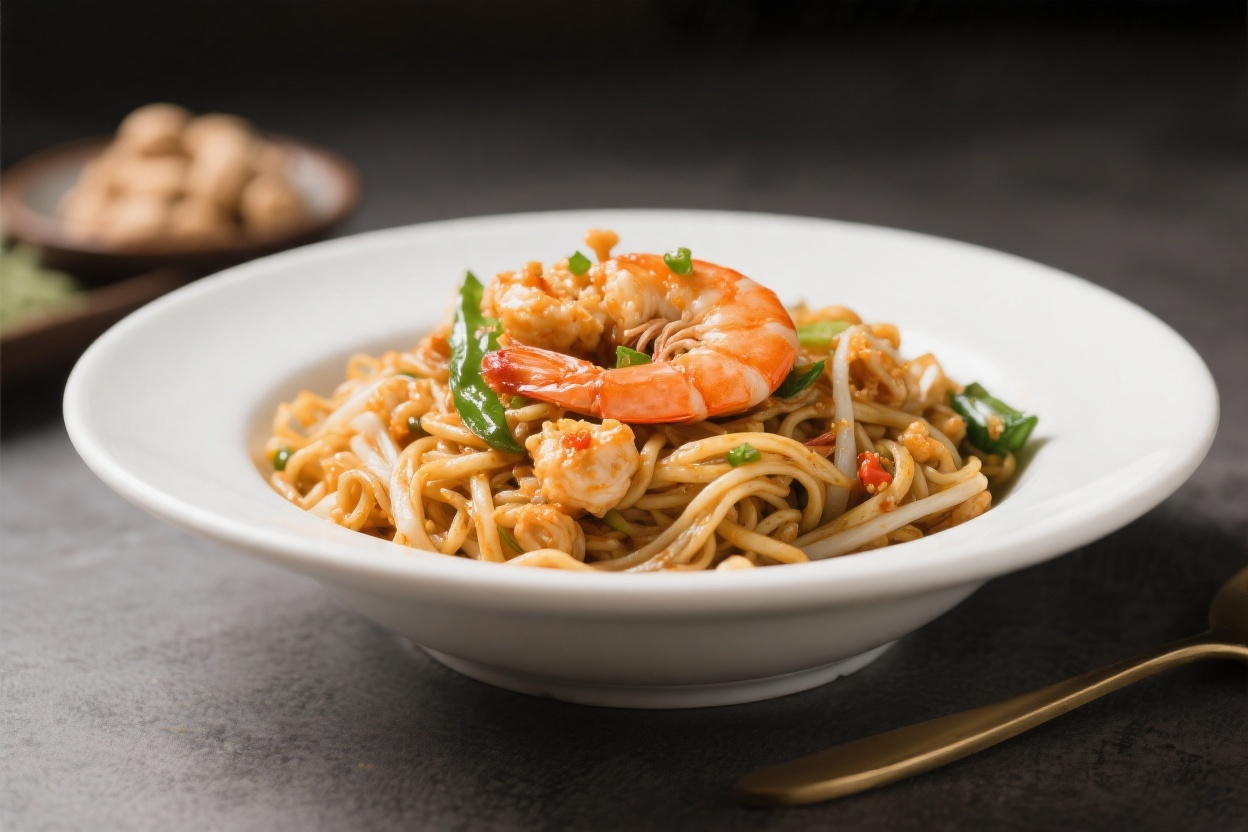
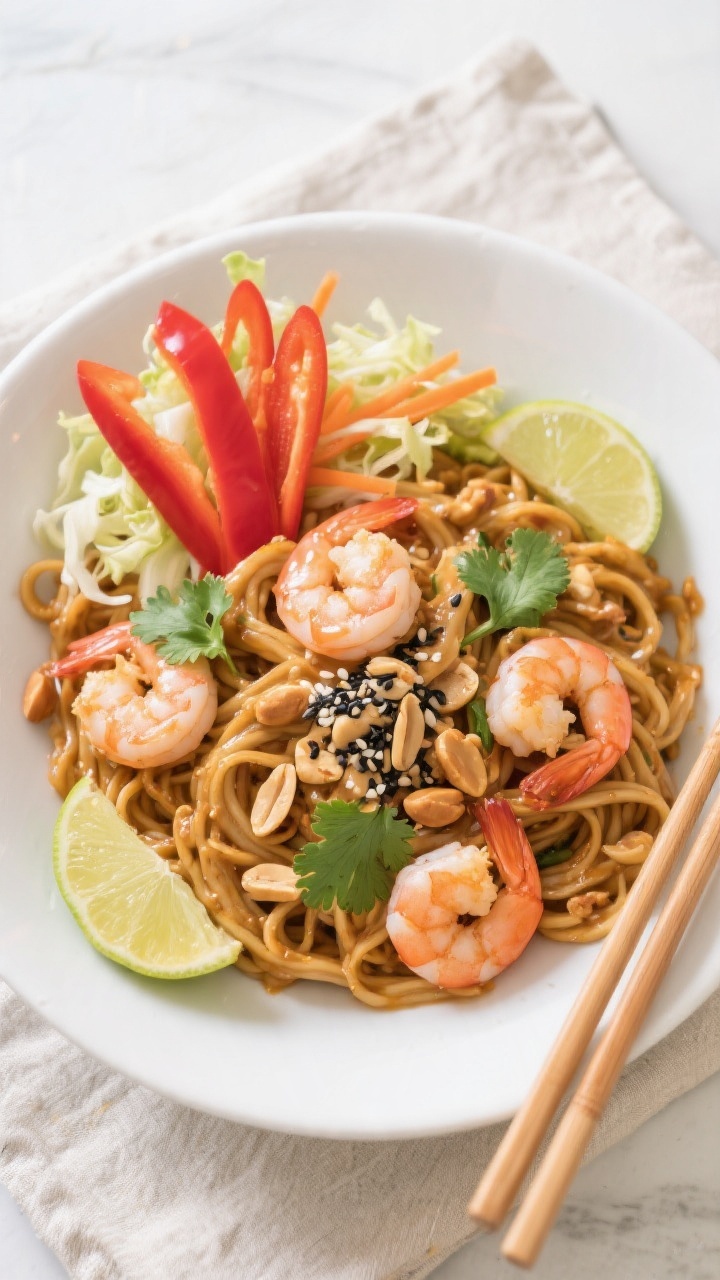
This is the kind of noodle bowl that makes a weeknight feel special. Tender shrimp, bouncy noodles, and a creamy peanut sauce come together in minutes with big flavor and zero fuss. It’s rich without being heavy, gently spicy, and just a little sweet—like your favorite takeout, but fresher.
FREE 7-Day Easy Dinner Reset
Save time, eat healthier, and take the stress out of dinner. Get a full week of easy healthy dinners delivered straight to your inbox.
You’ll get crunch from vegetables, brightness from lime, and a silky sauce that clings to every strand. If you love a fast, satisfying meal with bold taste, this one belongs in your regular rotation.
Ingredients
Method
- Cook the noodles: Boil according to package directions until just tender. Drain and rinse briefly with cool water to stop cooking. Toss with a splash of oil to prevent sticking.
- Whisk the peanut sauce: In a bowl, whisk peanut butter, soy sauce, lime juice, honey, chili-garlic sauce, and sesame oil. Add warm water a little at a time until the sauce is smooth and pourable, like heavy cream. Taste and adjust salt, sweetness, and heat.
- Season the shrimp: Pat shrimp dry. Toss with a pinch of salt and pepper. If you like, add a dash of fish sauce for umami.
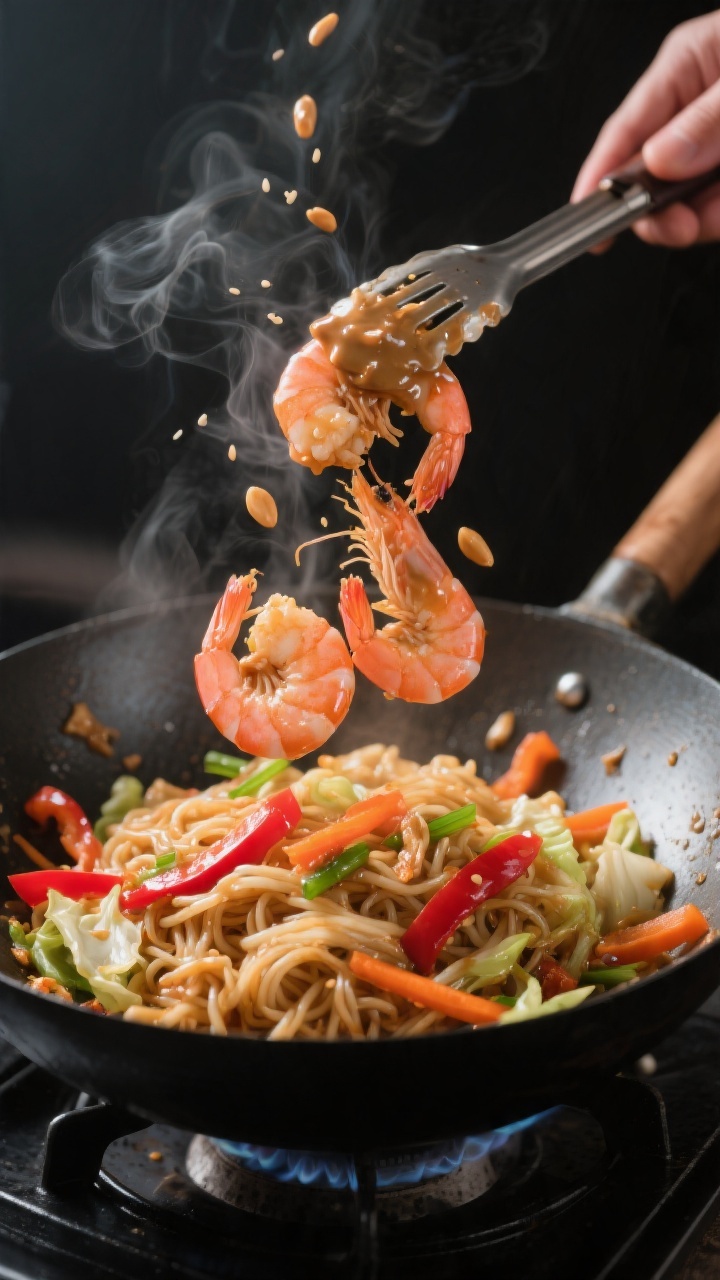
- Stir-fry the shrimp: Heat 1 tbsp oil in a large skillet or wok over medium-high heat. Add shrimp in a single layer and cook 1–2 minutes per side, just until pink and opaque. Transfer to a plate.
- Sauté aromatics: Add the remaining 1 tbsp oil to the pan. Add garlic and ginger. Cook 30 seconds until fragrant, stirring often.
- Add vegetables: Toss in bell pepper, carrots, and cabbage. Stir-fry 2–3 minutes until crisp-tender. Season with a splash of soy sauce if needed.
- Combine noodles and sauce: Add the cooked noodles to the pan. Pour in most of the peanut sauce and toss with tongs until everything is coated. If it looks thick, add a bit more warm water.
- Return the shrimp: Add shrimp back in and toss gently. Warm through for 1 minute. Add more sauce to taste.
- Finish and serve: Turn off heat. Stir in scallions. Plate and top with cilantro, chopped peanuts, and sesame seeds. Serve with lime wedges.
Why This Recipe Works
- Balanced sauce: Peanut butter brings body, soy sauce adds salt and umami, lime juice brightens, and a touch of honey smooths the edges. Chili-garlic paste gives it a warm kick.
- Quick-cooking shrimp: Shrimp cook in a few minutes, so dinner moves fast without drying out the protein.
- High-heat stir-fry: Cooking over medium-high heat keeps vegetables crisp-tender and prevents soggy noodles.
- No special noodles required: Rice noodles feel classic, but spaghetti or linguine work in a pinch.
The sauce is the star.
- Make-ahead friendly: The peanut sauce can be mixed ahead, which makes this meal even faster when you’re hungry.
What You’ll Need
- Noodles: 8–10 oz rice noodles (medium width) or spaghetti/linguine
- Shrimp: 1 lb large shrimp, peeled and deveined
- Vegetables: 1 red bell pepper (thinly sliced), 1 cup shredded carrots, 2 cups shredded cabbage or coleslaw mix, 3 scallions (sliced)
- Aromatics: 3 cloves garlic (minced), 1-inch piece ginger (grated)
- Oil: 2 tbsp neutral oil (canola, avocado, or peanut oil)
- Peanut Sauce:
- 1/3 cup creamy peanut butter
- 3 tbsp low-sodium soy sauce or tamari
- 1–2 tbsp lime juice (to taste)
- 1 tbsp honey or brown sugar
- 1–2 tsp chili-garlic sauce or sriracha (adjust heat)
- 1 tsp toasted sesame oil
- 1/3–1/2 cup warm water (to thin)
- Garnishes: Fresh cilantro, chopped peanuts, extra lime wedges, sesame seeds (optional)
- Seasoning boost (optional): Fish sauce (1 tsp) for deeper umami
How to Make It
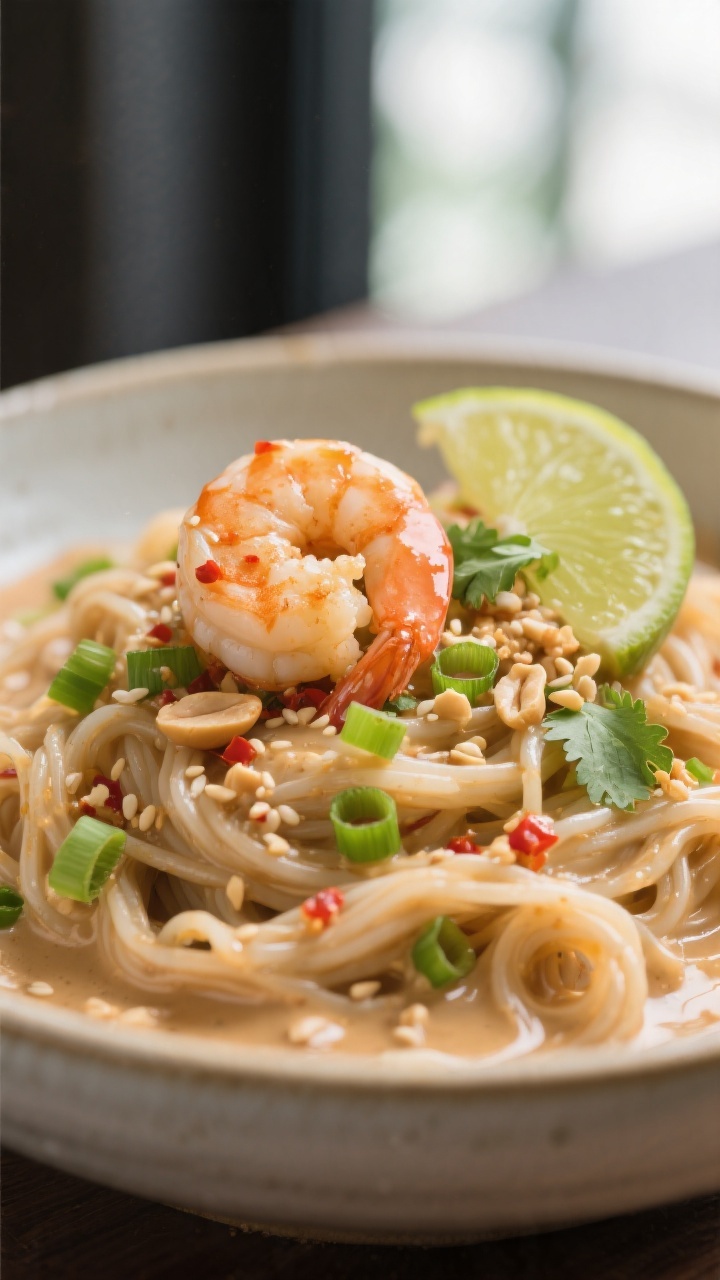
- Cook the noodles: Boil according to package directions until just tender. Drain and rinse briefly with cool water to stop cooking. Toss with a splash of oil to prevent sticking.
- Whisk the peanut sauce: In a bowl, whisk peanut butter, soy sauce, lime juice, honey, chili-garlic sauce, and sesame oil.
Add warm water a little at a time until the sauce is smooth and pourable, like heavy cream. Taste and adjust salt, sweetness, and heat.
- Season the shrimp: Pat shrimp dry. Toss with a pinch of salt and pepper.
If you like, add a dash of fish sauce for umami.
- Stir-fry the shrimp: Heat 1 tbsp oil in a large skillet or wok over medium-high heat. Add shrimp in a single layer and cook 1–2 minutes per side, just until pink and opaque. Transfer to a plate.
- Sauté aromatics: Add the remaining 1 tbsp oil to the pan.
Add garlic and ginger. Cook 30 seconds until fragrant, stirring often.
- Add vegetables: Toss in bell pepper, carrots, and cabbage. Stir-fry 2–3 minutes until crisp-tender.
Season with a splash of soy sauce if needed.
- Combine noodles and sauce: Add the cooked noodles to the pan. Pour in most of the peanut sauce and toss with tongs until everything is coated. If it looks thick, add a bit more warm water.
- Return the shrimp: Add shrimp back in and toss gently.
Warm through for 1 minute. Add more sauce to taste.
- Finish and serve: Turn off heat. Stir in scallions.
Plate and top with cilantro, chopped peanuts, and sesame seeds. Serve with lime wedges.
Keeping It Fresh
- Storage: Refrigerate leftovers in an airtight container for up to 3 days. Keep garnishes separate for best texture.
- Reheating: Warm gently on the stove over low heat with a splash of water to loosen the sauce.
Microwaving in short bursts also works.
- Make-ahead: The peanut sauce can be made 4–5 days ahead and stored in the fridge. Thin with warm water before using.
- Meal prep tip: Cook the noodles slightly under and keep shrimp separate. Combine and heat just before serving for a fresher bite.
Health Benefits
- Lean protein: Shrimp is high in protein and low in fat, helping you feel full with fewer calories.
- Healthy fats: Peanut butter provides monounsaturated fats that support heart health when enjoyed in moderation.
- Fiber and micronutrients: Cabbage, carrots, and peppers add fiber, vitamin C, beta-carotene, and antioxidants.
- Gluten-friendly option: Use tamari and rice noodles to make it naturally gluten-free.
- Sodium control: Low-sodium soy sauce and lime juice keep flavor high without relying on salt.
What Not to Do
- Don’t overcook the shrimp: They turn rubbery fast.
Pull them as soon as they’re just opaque.
- Don’t skip thinning the sauce: Thick peanut butter needs warm water to become silky; otherwise, it will clump.
- Don’t drown the noodles: Add sauce gradually. You can always add more, but you can’t take it back.
- Don’t forget acidity: Lime juice brightens everything. Without it, the dish tastes flat and heavy.
- Don’t overcrowd the pan: Cook shrimp in batches if needed to get a quick sear and better texture.
Recipe Variations
- Swap the protein: Try chicken thighs, tofu, or tempeh.
For tofu, press it well, pan-sear to golden, then toss with sauce.
- Vegetable boost: Add snow peas, broccoli florets, bean sprouts, or spinach. Stir in tender greens at the end so they don’t wilt too much.
- Spice it up: Add Thai bird’s eye chilies or extra chili-garlic sauce. A pinch of red pepper flakes works, too.
- Nut-free: Use sunflower seed butter or tahini.
Adjust sweetness and lime until balanced.
- Creamier finish: Stir in a splash of coconut milk for a richer, slightly sweeter sauce.
- Lower carb: Swap half the noodles for spiralized zucchini or cabbage ribbons to lighten things up.
- Tamarind twist: Add 1–2 tsp tamarind concentrate to the sauce for tangy depth.
Need More Easy Dinner Ideas?
Get my FREE 7-Day Easy Dinner Reset and enjoy a full week of healthy dinners without the meal-planning stress.
FAQ
Can I use frozen shrimp?
Yes. Thaw them overnight in the fridge or under cold running water for 10–15 minutes. Pat dry thoroughly before cooking to avoid steaming in the pan.
What kind of peanut butter works best?
Creamy, no-stir peanut butter gives the smoothest sauce.
Natural peanut butter works too; just whisk longer and adjust sweetness and salt.
Are rice noodles required?
No. Rice noodles offer a classic texture, but spaghetti or linguine are great stand-ins. Cook them al dente so they hold up to the sauce.
How do I make it milder?
Use less chili-garlic sauce and add more honey and lime to keep the balance.
You can also serve chili oil on the side for heat-seekers.
Can I serve this cold?
Absolutely. It makes a tasty cold noodle salad. Rinse noodles well, chill, then toss with extra lime and a splash of water to loosen the sauce before serving.
What if my sauce is too thick or too thin?
If it’s too thick, whisk in warm water a tablespoon at a time.
If too thin, whisk in a bit more peanut butter and simmer briefly with the noodles to tighten it up.
Is fish sauce necessary?
No, but a small amount adds savory depth. If you skip it, consider a pinch more soy sauce or a dash of miso for umami.
Final Thoughts
Thai Peanut Shrimp Noodles deliver big, satisfying flavor with minimal effort. The creamy, tangy, slightly spicy sauce turns simple shrimp and noodles into something that feels restaurant-worthy.
Keep the sauce base in your back pocket, switch up the vegetables or protein, and you’ve got a reliable weeknight winner. Bright lime, crunchy toppings, and a generous handful of herbs seal the deal. Make it once, and it’ll quickly become your go-to noodle fix.
Printable Recipe Card
Want just the essential recipe details without scrolling through the article? Get our printable recipe card with just the ingredients and instructions.
Loved This Recipe?
If you're looking for more simple, healthy dinners your family will actually eat, grab my FREE 7-Day Easy Dinner Reset. You'll get 7 easy dinner recipes, simple grocery lists, and a done-for-you plan that takes the stress out of mealtime.