Sticky Mongolian Beef Lo Mein – Sweet, Savory, and Weeknight Easy
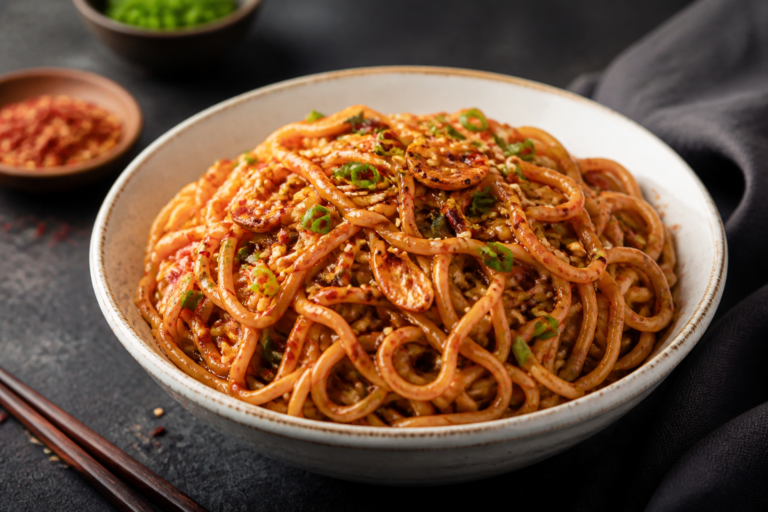
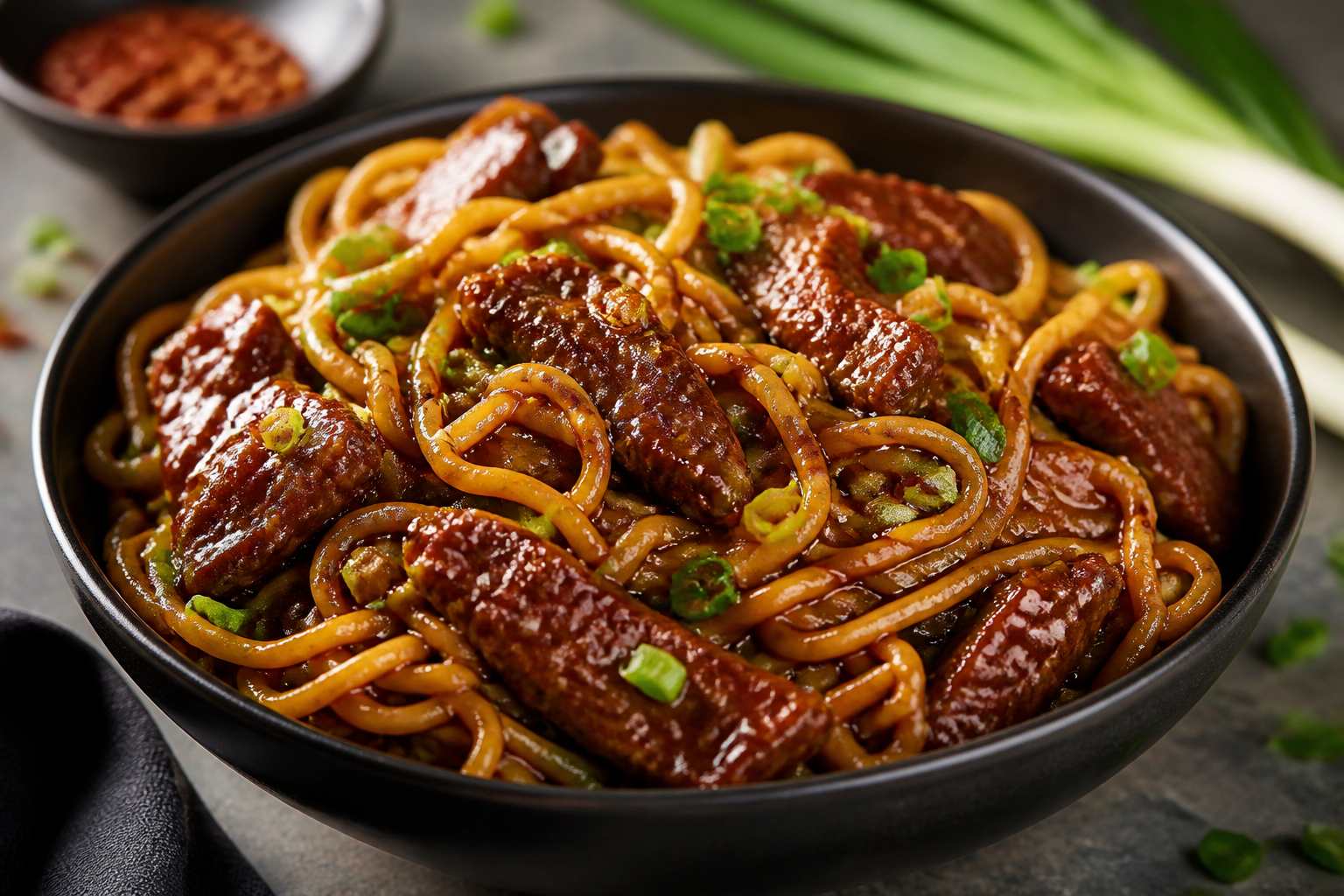
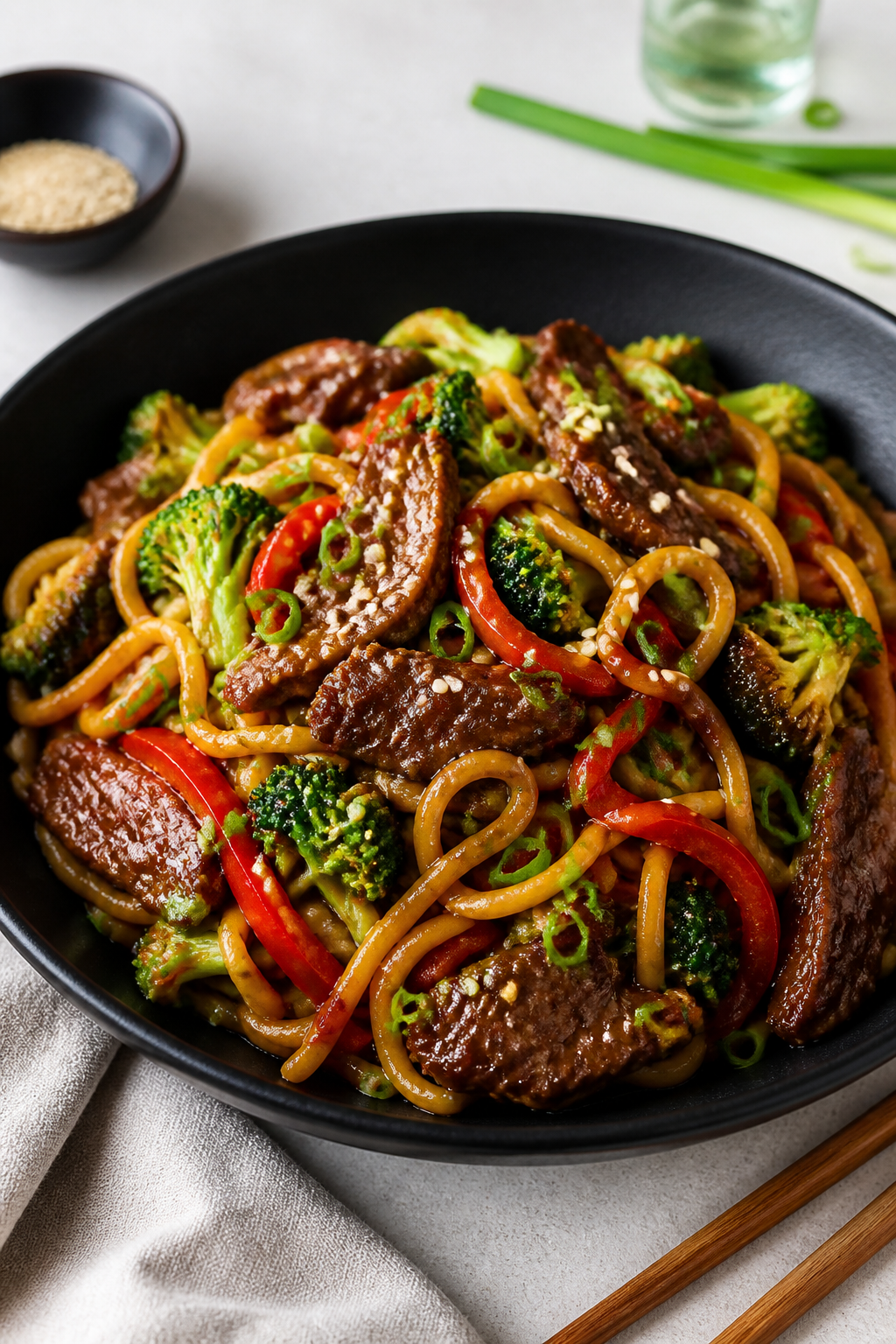
This is the kind of noodle dish you keep thinking about long after dinner. Tender beef, a glossy soy-garlic sauce, and springy lo mein tangle together in one skillet. It’s sweet, salty, a little spicy, and the texture hits all the right notes.
FREE 7-Day Easy Dinner Reset
Save time, eat healthier, and take the stress out of dinner. Get a full week of easy healthy dinners delivered straight to your inbox.
You don’t need a fancy wok, and the ingredients are easy to find. If you love takeout-style Mongolian beef, this homemade version with noodles will absolutely earn a spot in your weeknight rotation.
Ingredients
Method
- Prep the beef. Freeze the steak for 20 minutes to firm it up. Slice thinly against the grain. Toss with 2 tablespoons cornstarch, 1/2 teaspoon black pepper, and a pinch of salt. Set aside while you prep the sauce and vegetables.
- Whisk the sauce. In a bowl, combine soy sauce, dark soy (if using), brown sugar, garlic, ginger, rice vinegar, sesame oil, and broth. Whisk in 1 tablespoon cornstarch until smooth. Adjust heat with red pepper flakes or sambal.
- Cook the noodles. Boil according to package directions until just shy of al dente. Drain and rinse briefly under cool water to stop the cooking. Toss with a teaspoon of oil to prevent sticking and set aside.
- Sear the beef. Heat a large skillet or wok over medium-high until hot. Add 1–2 tablespoons oil. Spread the beef in a single layer and sear undisturbed for 1–2 minutes, then stir-fry another 1–2 minutes until browned but not overcooked. Work in batches if needed. Transfer to a plate.
- Stir-fry the vegetables. Add a splash more oil if the pan is dry. Stir-fry broccoli for 2 minutes, then add bell pepper and carrot. Cook until crisp-tender, about 2–3 more minutes. Add the white/light green parts of the green onions and cook 30 seconds.
- Make it sticky. Pour in the sauce and bring to a simmer. It will start to thicken and turn glossy in about 1–2 minutes. If it gets too thick, add a splash of water or broth.
- Toss it all together. Return the beef to the pan with any juices. Add the noodles and the dark green parts of the green onions. Toss with tongs until everything is coated and heated through, about 1 minute.
- Taste and finish. Adjust salt, soy, or heat as needed. Sprinkle with sesame seeds. Serve hot.
Why This Recipe Works
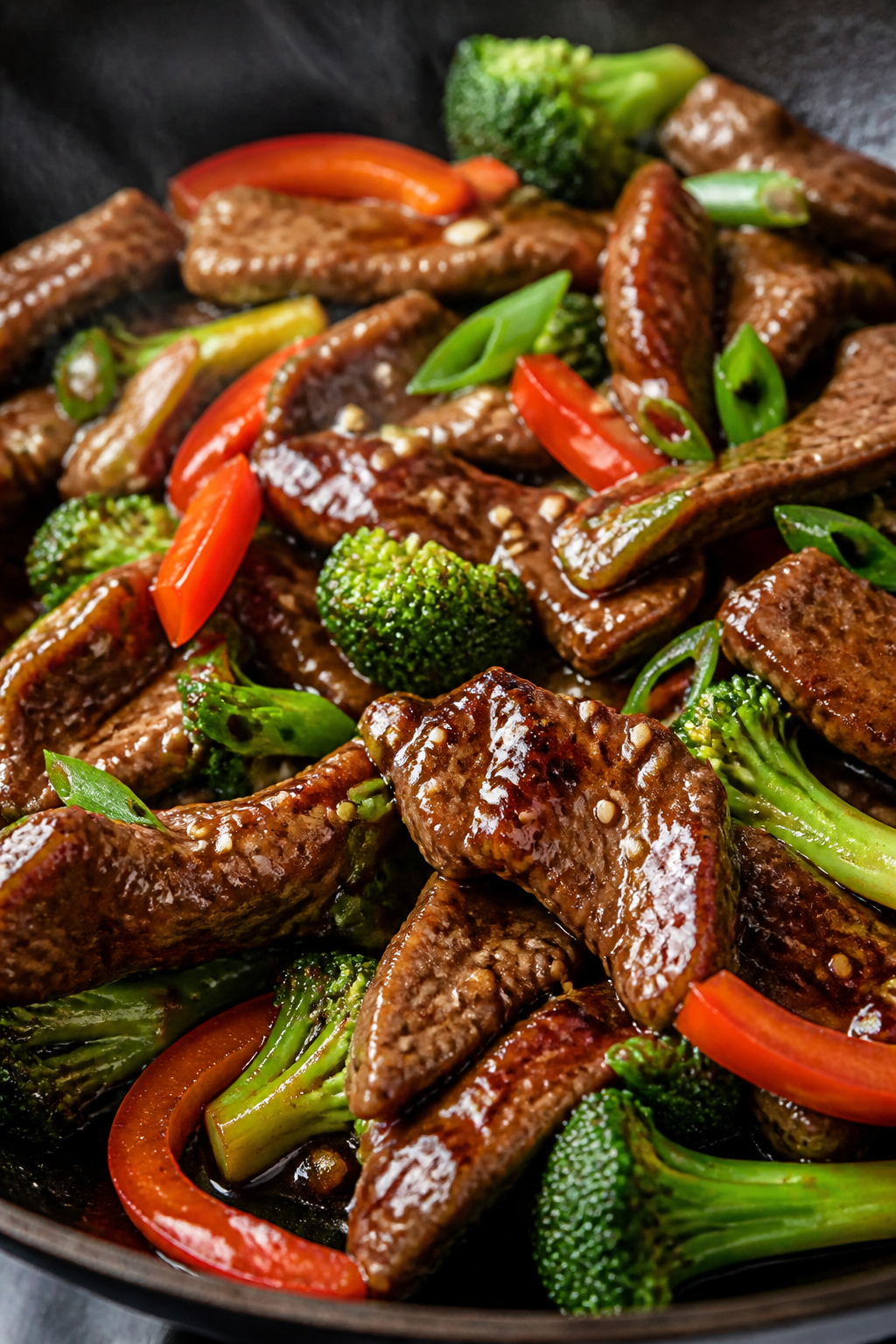
The secret is in the sauce and the sear. A quick cornstarch coating gives the beef a crisp edge and helps thicken the sauce until it’s sticky and glossy.
Brown sugar balances the soy and garlic, while a splash of rice vinegar keeps everything from tasting too heavy. Cooking the noodles separately means you can nail the texture, then toss them with the sauce right at the end so they soak up every drop. Finally, high heat and short cooking time keep the veggies crisp and the beef tender.
What You’ll Need
- Lo mein noodles (10–12 oz), or spaghetti if that’s what you have
- Beef flank steak or sirloin (1 lb), thinly sliced against the grain
- Cornstarch (3 tbsp), divided
- Neutral oil (2–3 tbsp), such as canola or avocado
- Low-sodium soy sauce (1/3 cup)
- Dark soy sauce (1 tbsp), optional for color and depth
- Brown sugar (1/4 cup, packed)
- Garlic (4 cloves), minced
- Fresh ginger (1 tbsp), minced or grated
- Rice vinegar (1 tbsp)
- Sesame oil (1 tsp)
- Red pepper flakes or sambal (to taste)
- Beef or chicken broth (1/2 cup)
- Green onions (1 bunch), cut into 1-inch pieces
- Bell pepper (1 large), thinly sliced
- Carrot (1 medium), julienned or thinly sliced
- Broccoli florets (2 cups), small bite-size pieces
- Sesame seeds, for garnish
- Salt and black pepper, to taste
How to Make It
- Prep the beef. Freeze the steak for 20 minutes to firm it up.
Slice thinly against the grain. Toss with 2 tablespoons cornstarch, 1/2 teaspoon black pepper, and a pinch of salt. Set aside while you prep the sauce and vegetables.
- Whisk the sauce. In a bowl, combine soy sauce, dark soy (if using), brown sugar, garlic, ginger, rice vinegar, sesame oil, and broth.
Whisk in 1 tablespoon cornstarch until smooth. Adjust heat with red pepper flakes or sambal.
- Cook the noodles. Boil according to package directions until just shy of al dente. Drain and rinse briefly under cool water to stop the cooking.
Toss with a teaspoon of oil to prevent sticking and set aside.
- Sear the beef. Heat a large skillet or wok over medium-high until hot. Add 1–2 tablespoons oil. Spread the beef in a single layer and sear undisturbed for 1–2 minutes, then stir-fry another 1–2 minutes until browned but not overcooked.
Work in batches if needed. Transfer to a plate.
- Stir-fry the vegetables. Add a splash more oil if the pan is dry. Stir-fry broccoli for 2 minutes, then add bell pepper and carrot.
Cook until crisp-tender, about 2–3 more minutes. Add the white/light green parts of the green onions and cook 30 seconds.
- Make it sticky. Pour in the sauce and bring to a simmer. It will start to thicken and turn glossy in about 1–2 minutes.
If it gets too thick, add a splash of water or broth.
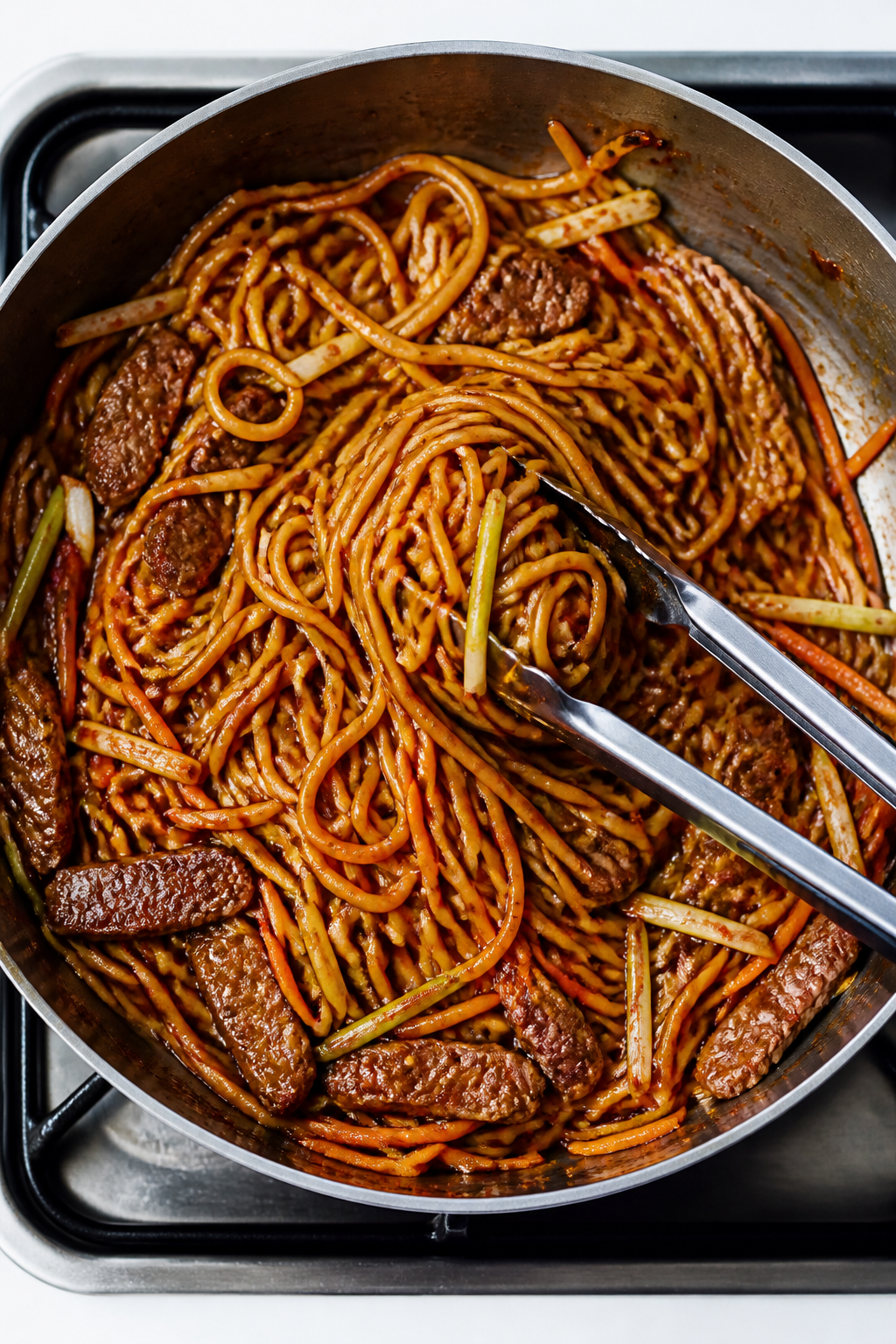
- Toss it all together. Return the beef to the pan with any juices. Add the noodles and the dark green parts of the green onions. Toss with tongs until everything is coated and heated through, about 1 minute.
- Taste and finish. Adjust salt, soy, or heat as needed.
Sprinkle with sesame seeds. Serve hot.
Keeping It Fresh
Store leftovers in an airtight container for up to 4 days. The sauce will continue to cling to the noodles, so add a splash of water when reheating to loosen it up.
Reheat gently on the stovetop over medium heat or in the microwave in 45-second bursts, tossing between intervals. For meal prep, keep the noodles and sauce-beef mixture separate, then combine when reheating for the best texture.
Why This is Good for You
- Protein-rich: Lean cuts like flank or sirloin deliver iron and B vitamins without excessive fat.
- Vegetable variety: Broccoli, peppers, and carrots bring fiber, vitamin C, beta-carotene, and crunch.
- Balanced macros: Carbs from noodles, protein from beef, and a moderate amount of fat help keep you satisfied.
- Lower sodium options: Using low-sodium soy sauce and balancing with vinegar and aromatics keeps flavor high without relying on salt.
What Not to Do
- Don’t skip the cornstarch on the beef. It gives you that signature velvety-crisp bite and helps the sauce cling.
- Don’t crowd the pan. Overcrowding steams the beef and turns it gray. Sear in batches for real browning.
- Don’t overcook the noodles. Slightly underdone noodles hold up better when tossed in hot sauce.
- Don’t add all the vegetables at once. Staggering cook times keeps them crisp and colorful.
- Don’t forget to taste. A final splash of soy, a pinch of sugar, or a dash of vinegar can fix a flat-tasting sauce.
Alternatives
- Protein swaps: Try thin-sliced chicken thighs, pork tenderloin, or pressed extra-firm tofu.
For tofu, toss in cornstarch and pan-fry until golden before adding to the sauce.
- Noodle options: Swap lo mein for udon, ramen, rice noodles, or even whole-wheat spaghetti. Adjust cook times accordingly.
- Veggie mix-ins: Snow peas, mushrooms, baby bok choy, or napa cabbage fit right in. Use what’s fresh and on hand.
- Sweetness level: Prefer less sweet?
Cut the brown sugar to 2 tablespoons. Want more caramel notes? Add a teaspoon of molasses.
- Gluten-free: Use tamari or coconut aminos and choose gluten-free noodles like brown rice or soba made from 100% buckwheat.
- No dark soy? Skip it or add 1/2 teaspoon molasses for color.
It’s optional, not a deal-breaker.
FAQ
Can I make this ahead of time?
Need More Easy Dinner Ideas?
Get my FREE 7-Day Easy Dinner Reset and enjoy a full week of healthy dinners without the meal-planning stress.
You can prep all components in advance: slice and starch the beef, whisk the sauce, chop the vegetables, and cook the noodles. Store them separately. When you’re ready, sear the beef and finish the stir-fry in about 10 minutes for fresh, vibrant results.
What cut of beef works best?
Flank steak is the classic pick because it’s flavorful and tender when sliced thin against the grain.
Sirloin, skirt steak, or even thinly sliced ribeye also work. Avoid stewing cuts like chuck unless you plan to tenderize in advance.
How do I keep the beef tender?
Slice it very thin, against the grain, and cook it quickly over high heat. A light cornstarch coating protects the meat and keeps it juicy.
Don’t cook past just-done—pull it as soon as it browns.
Is a wok necessary?
No. A large, heavy skillet does the job. Heat is more important than shape, so preheat well and don’t overcrowd the pan.
Can I reduce the sugar?
Yes.
The sweetness balances the soy and creates the sticky finish, but you can cut it to 2 tablespoons without losing the essence. If the sauce tastes sharp after reducing sugar, add a touch more vinegar or a dash of mirin for balance.
How spicy is this?
It’s as spicy as you want. Add red pepper flakes, sambal, or sliced fresh chiles to taste.
Keep it mild for family meals or turn it up for heat lovers.
What if my sauce doesn’t thicken?
Simmer for another minute and keep stirring. If it’s still thin, mix 1 teaspoon cornstarch with 1 tablespoon cold water, then add gradually while simmering until glossy. Avoid adding cornstarch directly to hot sauce or it will clump.
Can I make it vegetarian or vegan?
Absolutely.
Use tofu or seitan for protein, swap the broth for vegetable broth, and choose vegan-friendly noodles. Check your soy sauce brand to confirm it meets your dietary needs.
Final Thoughts
Sticky Mongolian Beef Lo Mein delivers big takeout energy with simple, home-kitchen steps. It’s weeknight-friendly, endlessly flexible, and built on a sauce you’ll want to memorize.
Keep the heat high, the noodles bouncy, and the veggies crisp. Once you taste how the glossy sauce coats every strand, you’ll have a new go-to for fast, satisfying comfort food at home.
Printable Recipe Card
Want just the essential recipe details without scrolling through the article? Get our printable recipe card with just the ingredients and instructions.
Loved This Recipe?
If you're looking for more simple, healthy dinners your family will actually eat, grab my FREE 7-Day Easy Dinner Reset. You'll get 7 easy dinner recipes, simple grocery lists, and a done-for-you plan that takes the stress out of mealtime.