Mongolian Beef Ramen – A Fast, Saucy Weeknight Favorite
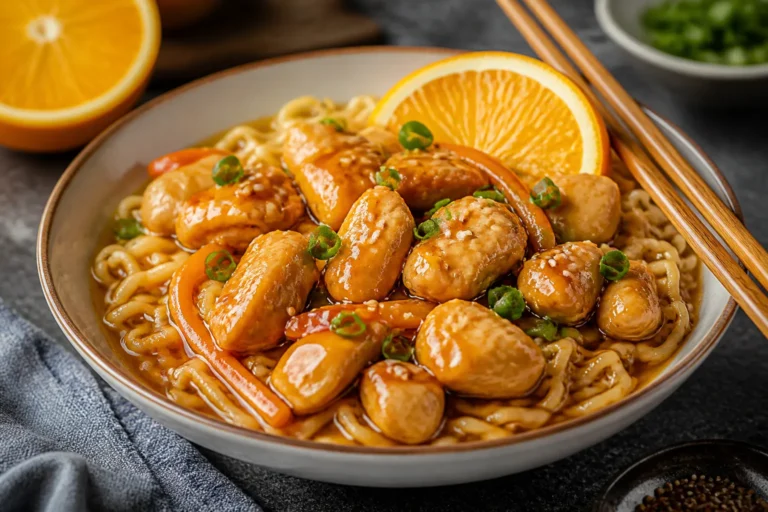
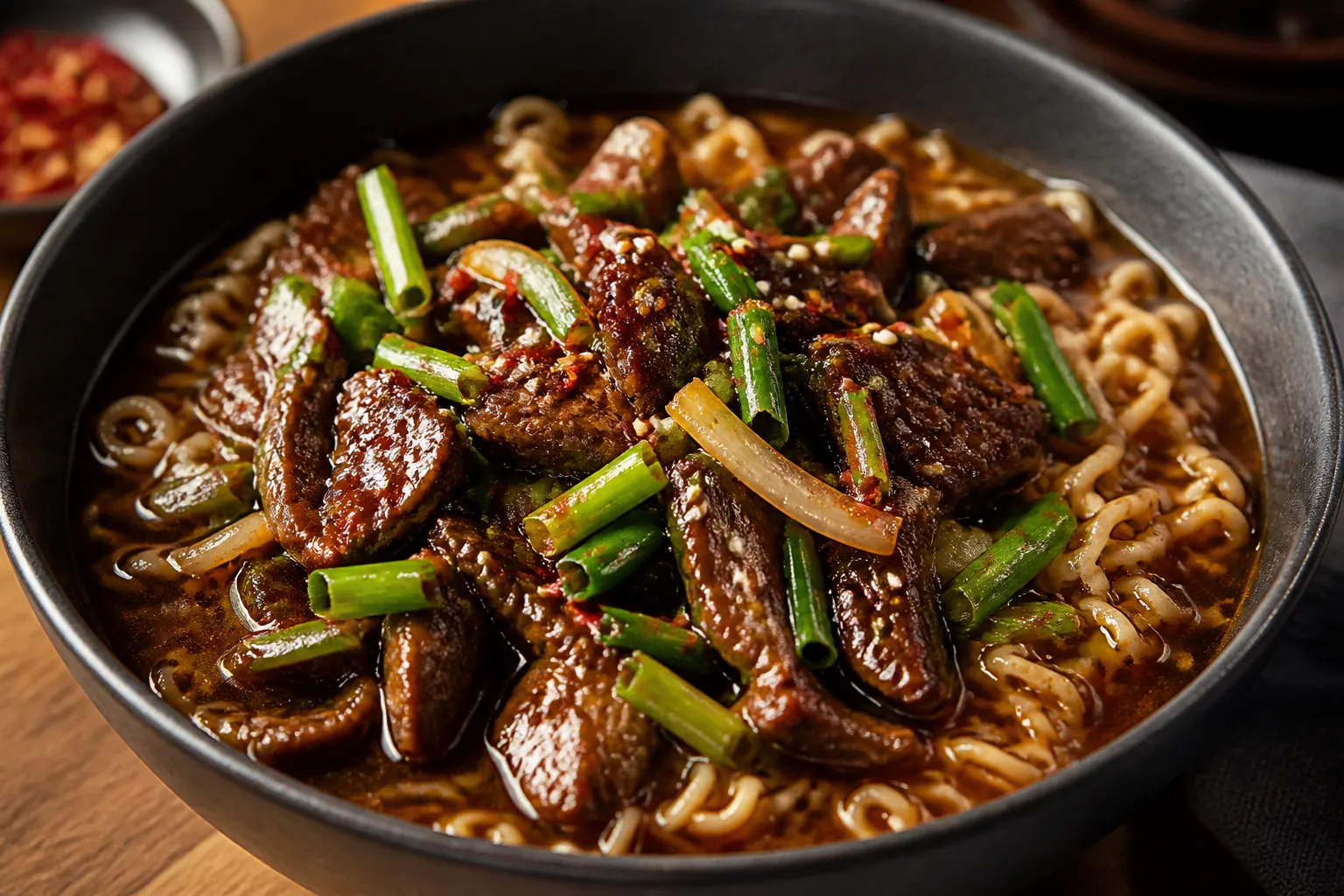
If you love takeout-style Mongolian beef and cozy bowls of ramen, this mash-up brings both to your table in under 40 minutes. Tender slices of beef, a glossy sweet-salty sauce, and springy noodles make it a crowd-pleaser. It’s big on flavor, light on fuss, and uses easy-to-find ingredients.
FREE 7-Day Easy Dinner Reset
Save time, eat healthier, and take the stress out of dinner. Get a full week of easy healthy dinners delivered straight to your inbox.
The sauce clings to the noodles, the scallions stay crisp, and every bite feels satisfying without being heavy.
Ingredients
Method
- Prep the beef: Pat the steak dry. Slice very thinly against the grain. Toss with 2 tablespoons cornstarch, 1/2 teaspoon salt, and a few cracks of pepper until lightly coated. Set aside while you make the sauce.
- Stir the sauce: In a bowl, combine low-sodium soy sauce, dark soy (if using), brown sugar, broth, rice vinegar, and sesame oil. Add a pinch of red pepper flakes if you like heat. In a separate small cup, mix 1 teaspoon cornstarch with 1 teaspoon water to make a slurry. Keep both nearby.
- Cook the noodles: Bring a pot of water to a boil. Cook ramen just shy of package directions (usually 1 minute less). Drain and rinse briefly under hot water to keep them from sticking. Toss with a few drops of oil. Set aside.
- Sear the beef: Heat a large skillet or wok over medium-high until hot. Add 1 to 2 tablespoons oil. Sear beef in an even layer in batches, about 45 to 60 seconds per side, just until browned with a little crust. Don’t overcrowd the pan. Transfer browned beef to a plate.
- Sauté aromatics: Lower heat slightly. Add another splash of oil if needed. Stir in garlic and ginger for 20 to 30 seconds, until fragrant but not browned.
- Build the sauce: Pour in the soy-brown sugar mixture and bring to a lively simmer. Stir in the cornstarch slurry. Simmer 1 to 2 minutes until glossy and slightly thick, like maple syrup. If it seems too thick, add a splash of broth; too thin, simmer 30 seconds more.
- Add veggies (optional): Toss in snap peas, broccoli, or peppers. Simmer 2 to 3 minutes until crisp-tender.
- Combine: Return beef to the pan with any juices. Add scallions. Toss to coat and warm through for 30 to 60 seconds.
- Noodles in: Add ramen and turn with tongs to coat in the sauce. Let the noodles soak up the glaze for 1 minute. Taste and adjust with more soy, vinegar, or red pepper flakes as needed.
- Finish and serve: Top with sesame seeds and extra scallions. Serve hot in bowls with a splash of chili oil if you like.
What Makes This Special
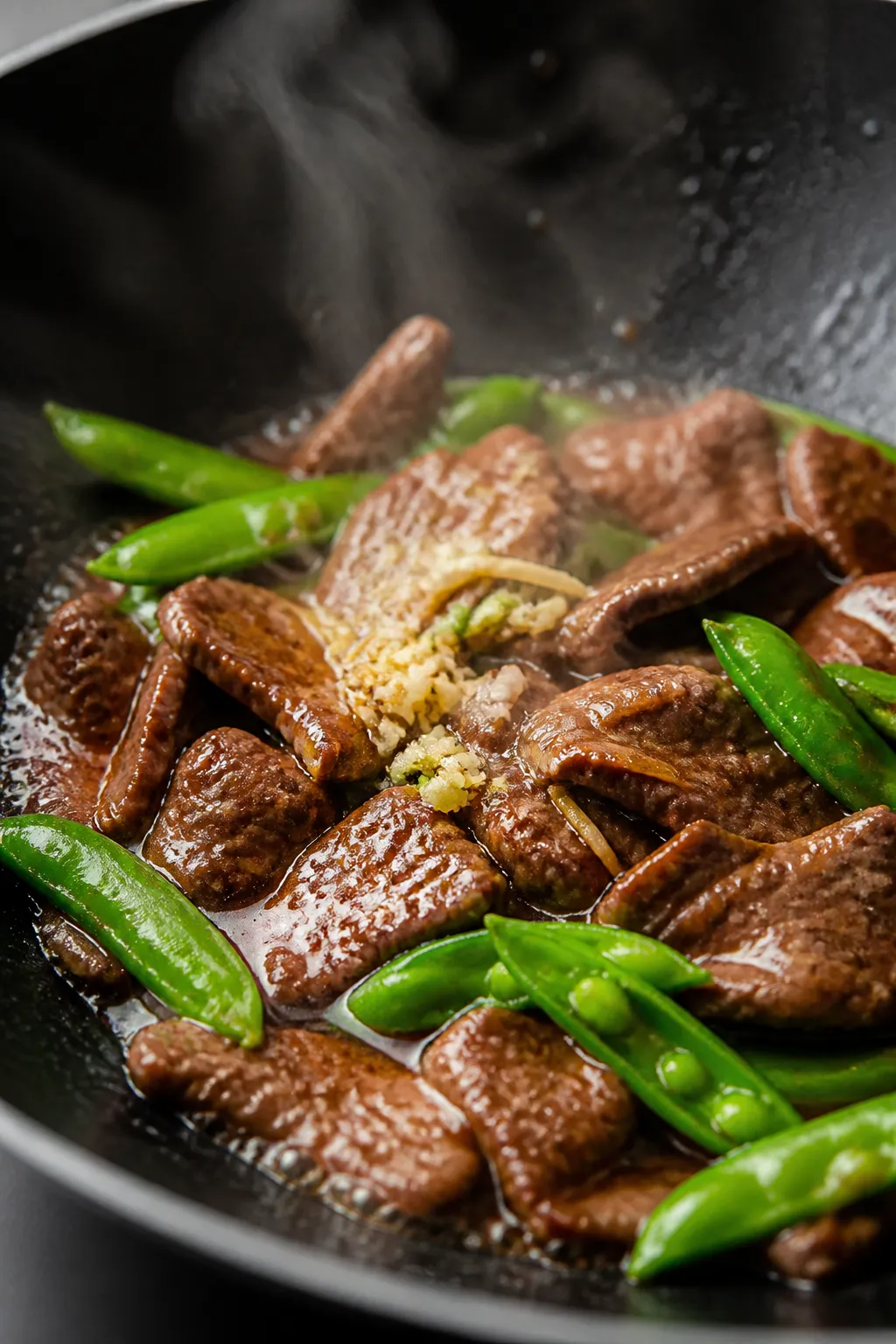
This isn’t just beef tossed on instant noodles. It layers textures and flavors the way great stir-fries do. The beef gets velvet-soft with cornstarch, the sauce balances brown sugar with soy and ginger, and the ramen adds chew and comfort.
You get the best parts of Mongolian beef—caramelized edges and a glossy glaze—without a long marinade or special equipment.
- Fast technique: Thin-slicing and a quick cornstarch coat deliver tenderness in minutes.
- Perfect sauce ratio: Just enough sweetness to balance savory soy and fragrant garlic-ginger.
- Everyday-friendly: Basic pantry items, one pan, and a pot for noodles.
- Flexible: Swap veggies, use different noodles, or adjust heat to taste.
Shopping List
- Beef: 1 pound flank steak or sirloin, thinly sliced against the grain
- Ramen: 10 to 12 ounces ramen noodles (fresh or instant bricks, seasoning packets discarded)
- Cornstarch: 2 tablespoons (plus 1 teaspoon for slurry)
- Neutral oil: 2 to 3 tablespoons (canola, avocado, or peanut)
- Garlic: 4 cloves, minced
- Fresh ginger: 1 tablespoon, finely grated
- Low-sodium soy sauce: 1/3 cup
- Dark soy sauce (optional): 1 tablespoon for color and depth
- Brown sugar: 1/3 cup (light or dark)
- Beef or chicken broth: 3/4 cup
- Rice vinegar: 1 tablespoon
- Toasted sesame oil: 1 teaspoon
- Red pepper flakes or chili-garlic sauce: to taste
- Scallions: 6, cut into 1-inch pieces
- Optional veggies: 1 cup snap peas, broccoli florets, or thin-sliced bell peppers
- Sesame seeds: for garnish
- Salt and pepper: to taste
How to Make It
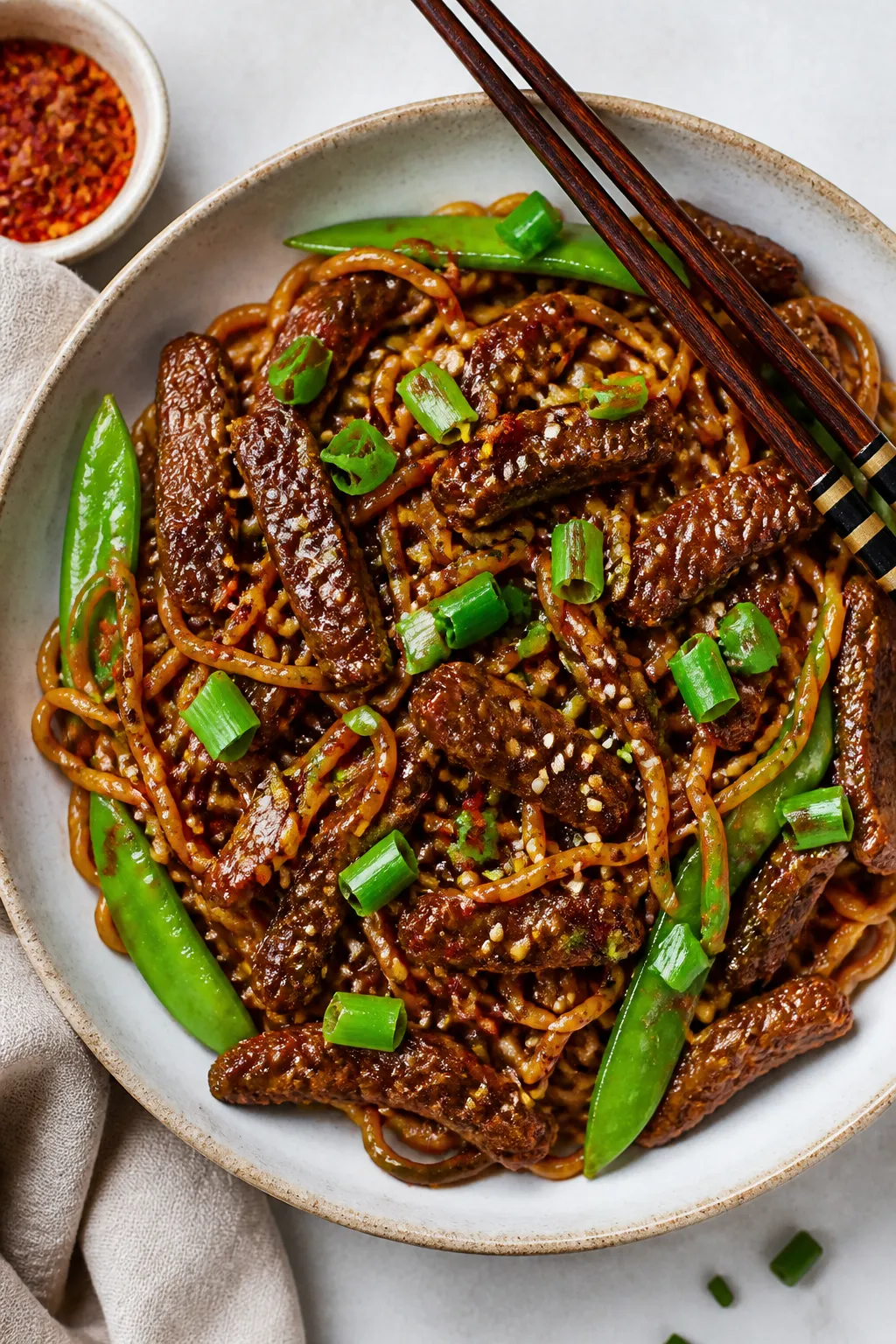
- Prep the beef: Pat the steak dry. Slice very thinly against the grain. Toss with 2 tablespoons cornstarch, 1/2 teaspoon salt, and a few cracks of pepper until lightly coated.
Set aside while you make the sauce.
- Stir the sauce: In a bowl, combine low-sodium soy sauce, dark soy (if using), brown sugar, broth, rice vinegar, and sesame oil. Add a pinch of red pepper flakes if you like heat. In a separate small cup, mix 1 teaspoon cornstarch with 1 teaspoon water to make a slurry.
Keep both nearby.
- Cook the noodles: Bring a pot of water to a boil. Cook ramen just shy of package directions (usually 1 minute less). Drain and rinse briefly under hot water to keep them from sticking.
Toss with a few drops of oil. Set aside.
- Sear the beef: Heat a large skillet or wok over medium-high until hot. Add 1 to 2 tablespoons oil.
Sear beef in an even layer in batches, about 45 to 60 seconds per side, just until browned with a little crust. Don’t overcrowd the pan. Transfer browned beef to a plate.
- Sauté aromatics: Lower heat slightly.
Add another splash of oil if needed. Stir in garlic and ginger for 20 to 30 seconds, until fragrant but not browned.
- Build the sauce: Pour in the soy-brown sugar mixture and bring to a lively simmer. Stir in the cornstarch slurry.
Simmer 1 to 2 minutes until glossy and slightly thick, like maple syrup. If it seems too thick, add a splash of broth; too thin, simmer 30 seconds more.
- Add veggies (optional): Toss in snap peas, broccoli, or peppers. Simmer 2 to 3 minutes until crisp-tender.
- Combine: Return beef to the pan with any juices.
Add scallions. Toss to coat and warm through for 30 to 60 seconds.
- Noodles in: Add ramen and turn with tongs to coat in the sauce. Let the noodles soak up the glaze for 1 minute.
Taste and adjust with more soy, vinegar, or red pepper flakes as needed.
- Finish and serve: Top with sesame seeds and extra scallions. Serve hot in bowls with a splash of chili oil if you like.
Storage Instructions
- Refrigerate: Store leftovers in an airtight container for up to 3 days.
- Reheat: Warm gently in a skillet over medium heat with a splash of water or broth to loosen the sauce. Microwave in short bursts, stirring between each.
- Freeze: Best to freeze the beef and sauce without noodles for up to 2 months.
Cook fresh noodles when reheating to keep texture springy.
Why This is Good for You
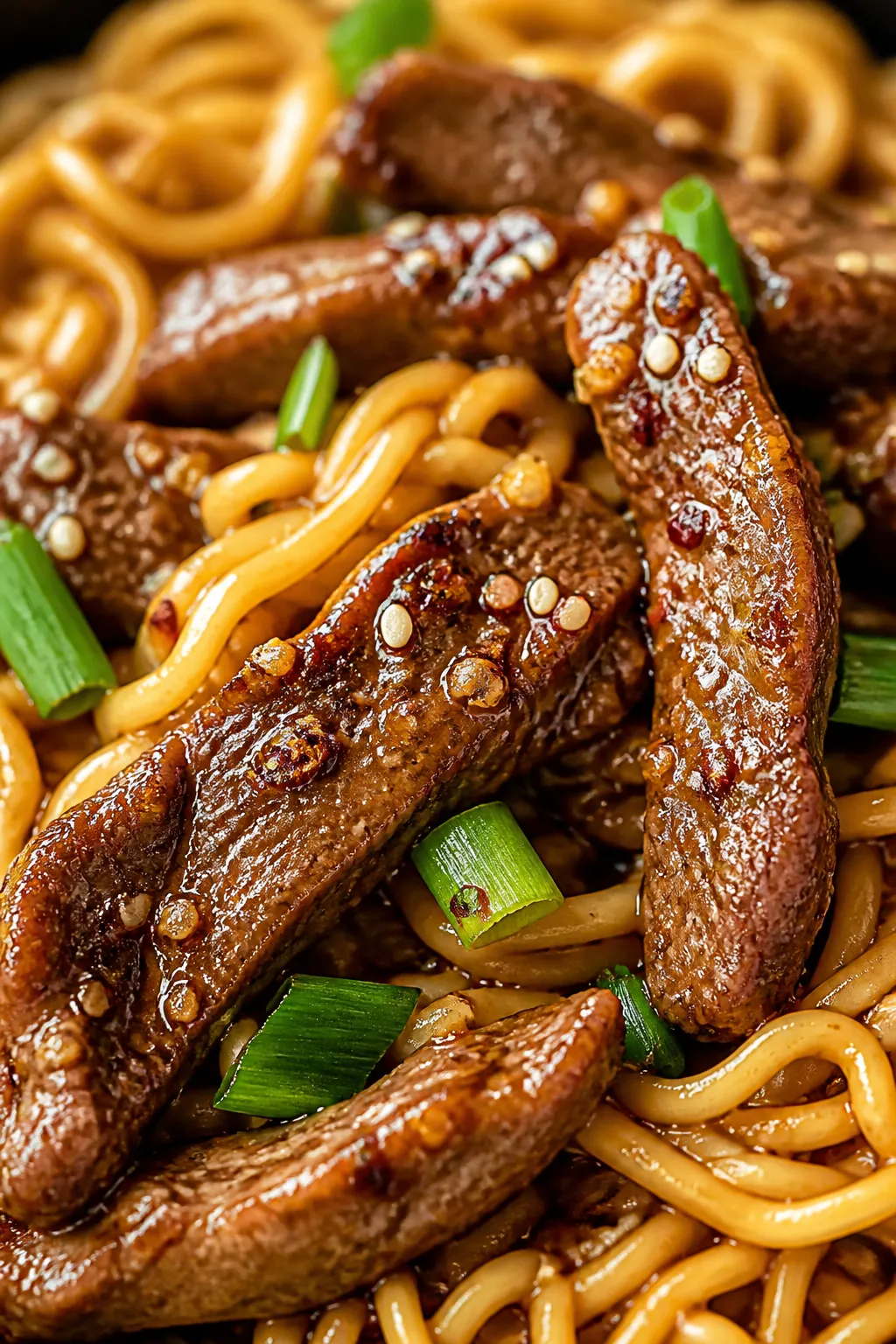
This dish delivers protein from the beef and complex flavors without deep-frying. Scallions and optional veggies add fiber, vitamins, and color. Using low-sodium soy sauce helps manage salt intake, and you can dial back the sugar without losing balance.
Because it’s homemade, you control the oil, heat, and portion size.
What Not to Do
- Don’t overcrowd the pan: Crowding steams the beef and robs you of that tasty sear.
- Don’t overcook the noodles: They should be slightly underdone before they hit the sauce, or they’ll turn mushy.
- Don’t skip drying the beef: Moisture prevents browning and waters down the sauce.
- Don’t burn the garlic: Bitter garlic can take over the entire dish. Keep it moving and watch the heat.
- Don’t add all the beef at once: Sear in batches for better texture and flavor.
Recipe Variations
- Chicken or pork: Use thinly sliced chicken thighs or pork tenderloin. Cook just until no longer pink before adding back to the sauce.
- Ground beef shortcut: Brown 1 pound lean ground beef, drain, and proceed with the sauce.
It’s less traditional but fast and tasty.
- Gluten-free: Swap tamari or coconut aminos for soy sauce and use gluten-free rice ramen.
- Veg-forward: Add mushrooms, baby bok choy, or shredded carrots. Keep the veggies crisp for contrast.
- Spicy version: Stir in chili-garlic sauce, gochujang, or a spoon of sambal with the aromatics.
- Less sweet: Reduce brown sugar to 3 tablespoons and add an extra teaspoon vinegar for brightness.
- Brothier bowl: Add 1 to 1 1/2 cups extra hot broth at the end for a saucier, slurpable ramen.
FAQ
Need More Easy Dinner Ideas?
Get my FREE 7-Day Easy Dinner Reset and enjoy a full week of healthy dinners without the meal-planning stress.
What cut of beef works best?
Flank steak is the classic choice because it’s lean and tender when sliced thin against the grain. Sirloin works well too and is often easier to slice.
If using a fattier cut, trim excess fat and slice extra thin.
How do I slice the beef thinly?
Partially freeze the steak for 20 to 30 minutes so it firms up, then use a sharp knife to slice it against the grain into very thin strips. Aim for pieces about 1/8 inch thick for quick searing and tenderness.
Can I make this without cornstarch?
You can, but cornstarch helps tenderize the beef and gives the sauce a silky cling. If you’re avoiding cornstarch, use arrowroot or potato starch in the same amount.
Skip the dusting on the beef if you must, but keep the slurry to thicken the sauce.
What kind of ramen should I use?
Any plain ramen works, from instant bricks (toss the seasoning packet) to fresh refrigerated noodles. If using instant, cook them a touch al dente so they hold up in the sauce.
How do I keep the sauce from turning too sweet?
Start with the listed amount of sugar, then brighten with a splash more vinegar or a squeeze of lime at the end. Low-sodium soy also helps balance sweetness.
You can reduce the sugar by a tablespoon with no issues.
Can I make it ahead?
Yes. Cook the beef and sauce, cool, and refrigerate. Reheat with a splash of broth, then toss in freshly cooked ramen.
This keeps the noodles from over-softening in storage.
Is this spicy?
Not by default. It’s mild and family-friendly. Add red pepper flakes, chili-garlic sauce, or chili oil to bring heat to your taste.
What if I don’t have dark soy sauce?
Skip it and add a pinch more brown sugar or a teaspoon of molasses for color and richness.
Regular low-sodium soy sauce alone still makes a great sauce.
Final Thoughts
Mongolian Beef Ramen is the kind of weeknight win that feels takeout-special without leaving home. With a quick sear, a balanced sauce, and bouncy noodles, it’s equal parts comfort and zip. Keep this formula handy, tweak it to your taste, and you’ll have a reliable, crowd-pleasing bowl any night of the week.
Add veggies, adjust the heat, and make it yours—fast, flavorful, and satisfying.
Printable Recipe Card
Want just the essential recipe details without scrolling through the article? Get our printable recipe card with just the ingredients and instructions.
Loved This Recipe?
If you're looking for more simple, healthy dinners your family will actually eat, grab my FREE 7-Day Easy Dinner Reset. You'll get 7 easy dinner recipes, simple grocery lists, and a done-for-you plan that takes the stress out of mealtime.