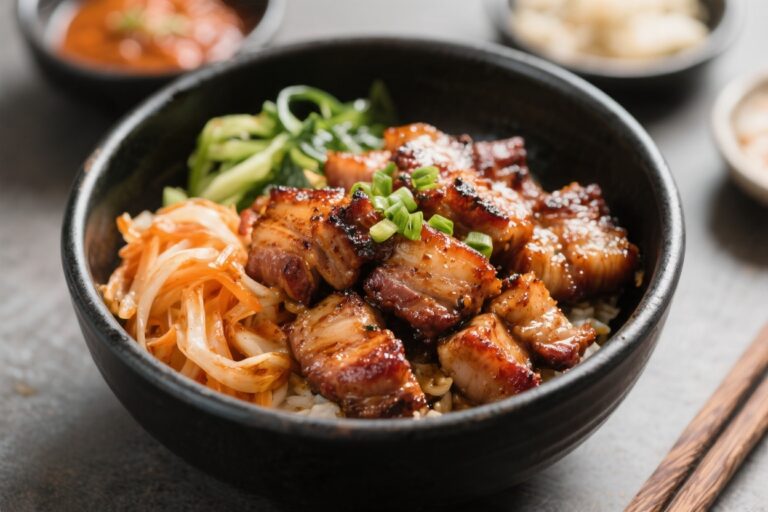
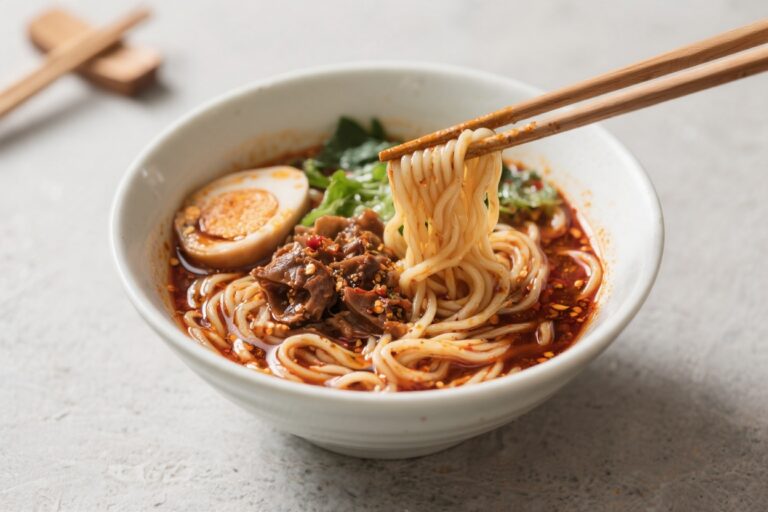
Korean Beef Rice Bowls – Fast, Flavorful, and Satisfying
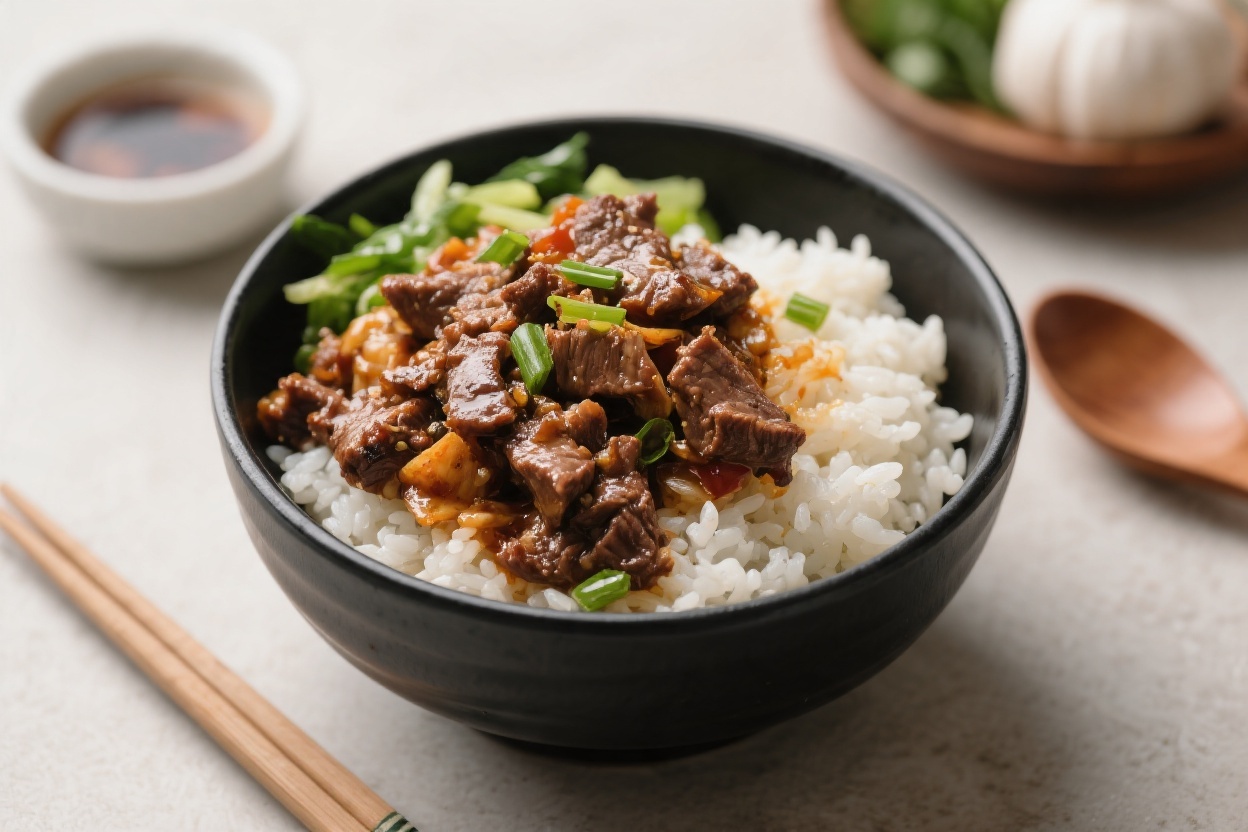
Korean Beef Rice Bowls are the kind of weeknight meal that checks every box: quick, budget-friendly, and packed with bold flavor. Ground beef sizzles with garlic and ginger, then gets glossed in a sweet-savory sauce that clings to every bite. Spoon it over fluffy rice and finish with crisp veggies and a runny egg if you like.
FREE 7-Day Easy Dinner Reset
Save time, eat healthier, and take the stress out of dinner. Get a full week of easy healthy dinners delivered straight to your inbox.
It’s comfort food with a little kick, and it comes together in about 20 minutes. Perfect for busy nights, meal prep, or whenever you want something warm and satisfying without much fuss.
Ingredients
Method
- Cook the rice. Make your rice first so it’s hot and ready. Fluff with a fork and keep covered.
- Prep aromatics and veggies. Mince the garlic and grate the ginger. Slice green onions, cucumbers, and carrots. Set aside for quick assembly.
- Make the sauce. In a small bowl, mix 1/3 cup soy sauce, 2–3 tablespoons brown sugar, 1 teaspoon sesame oil, 1 teaspoon rice vinegar, a pinch of red pepper flakes or gochugaru, and 1–2 teaspoons gochujang if using. Adjust sweetness and heat to taste.
- Brown the beef. Heat 1 tablespoon neutral oil in a large skillet over medium-high. Add the ground beef, breaking it up. Season with a small pinch of salt and pepper. Cook until deeply browned with some crispy bits, about 5–7 minutes. Drain excess fat if needed, leaving a little for flavor.
- Add aromatics. Reduce heat to medium. Stir in garlic and ginger. Cook 30–60 seconds until fragrant—don’t let them burn.
- Sauce it up. Pour in the sauce and stir. Let it simmer 1–2 minutes until slightly thickened and glossy. Taste and adjust: more soy for salt, more sugar for balance, more gochujang or flakes for heat.
- Optional eggs. While the sauce simmers, fry eggs sunny-side up or soft-boil them. The runny yolk adds a silky finish.
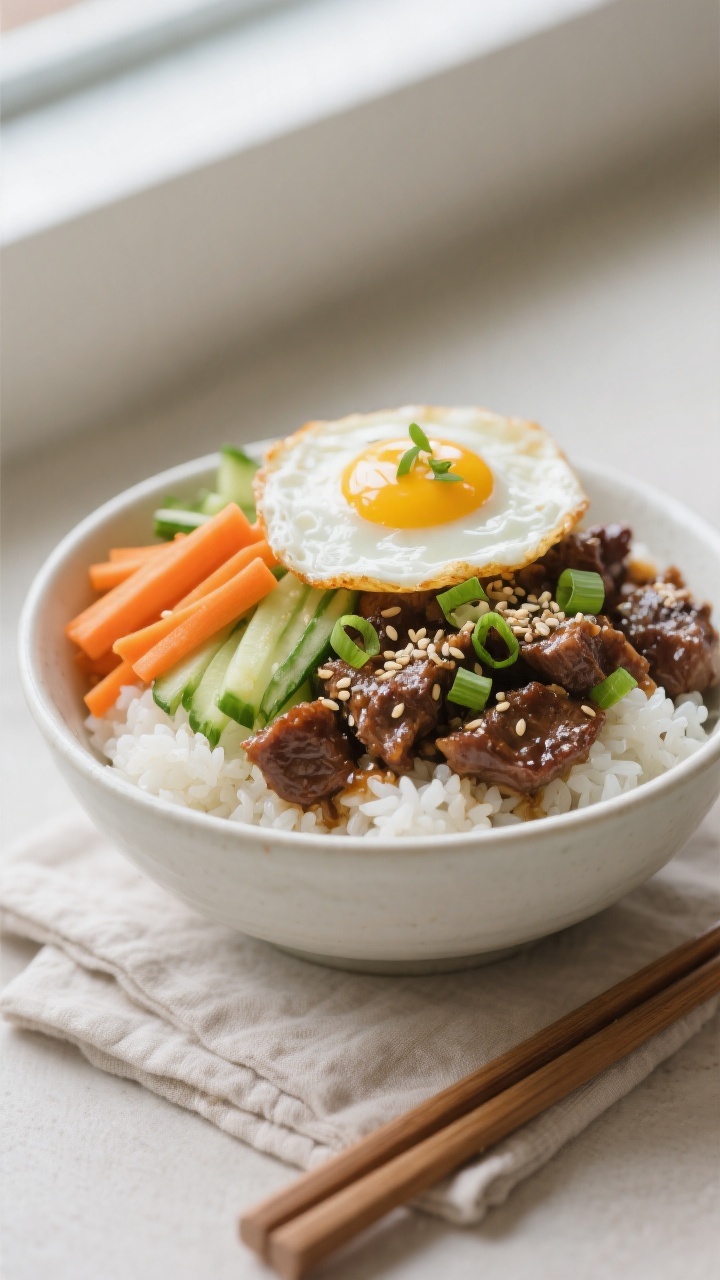
- Assemble the bowls. Add a scoop of hot rice to each bowl. Top with the beef, then carrots, cucumbers, and green onions. Sprinkle sesame seeds and drizzle a few drops of sesame oil if you like. Finish with an egg.
- Serve. Enjoy right away. Add a side of kimchi for extra crunch and tang.
What Makes This Special
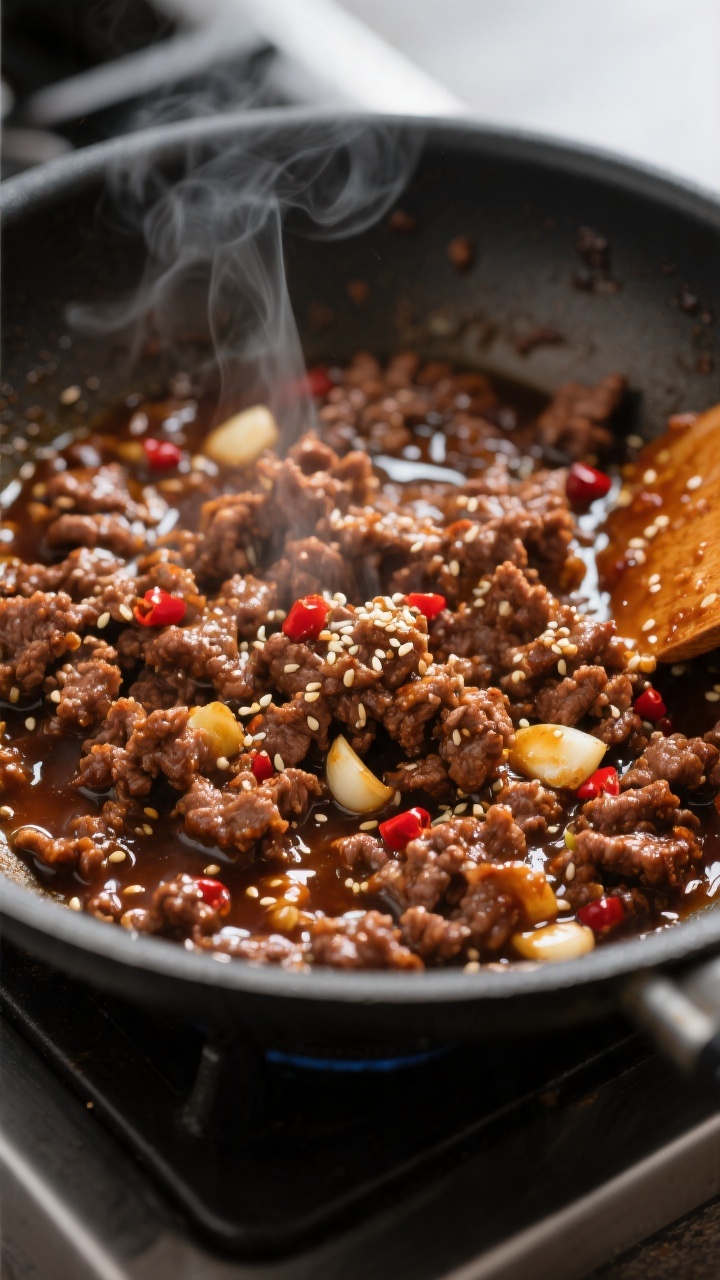
This dish blends classic Korean-inspired flavors—soy, garlic, ginger, and a touch of sesame—with simple pantry staples. It’s fast to cook, easy to scale, and endlessly customizable.
You can keep it mild or bring the heat, add extra veggies, or swap the protein. The sauce is the star: slightly sweet, salty, and savory, with a gentle hint of spice that keeps you coming back for another bite.
Shopping List
- Ground beef (85–90% lean, about 1 lb / 450 g)
- Cooked white rice (jasmine or short grain; brown rice also works)
- Soy sauce (low-sodium preferred)
- Brown sugar (or honey)
- Garlic (3–4 cloves, minced)
- Fresh ginger (1–2 inches, grated) or ginger paste
- Sesame oil
- Neutral oil (canola, avocado, or vegetable)
- Red pepper flakes (or gochugaru for authentic Korean-style heat)
- Rice vinegar (or lime juice)
- Green onions (sliced)
- Carrots (matchsticks) and/or cucumbers (thinly sliced)
- Sesame seeds
- Eggs (optional, for frying or soft-boiling)
- Gochujang (optional, for extra depth and heat)
Step-by-Step Instructions
- Cook the rice. Make your rice first so it’s hot and ready. Fluff with a fork and keep covered.
- Prep aromatics and veggies. Mince the garlic and grate the ginger.
Slice green onions, cucumbers, and carrots. Set aside for quick assembly.
- Make the sauce. In a small bowl, mix 1/3 cup soy sauce, 2–3 tablespoons brown sugar, 1 teaspoon sesame oil, 1 teaspoon rice vinegar, a pinch of red pepper flakes or gochugaru, and 1–2 teaspoons gochujang if using. Adjust sweetness and heat to taste.
- Brown the beef. Heat 1 tablespoon neutral oil in a large skillet over medium-high.
Add the ground beef, breaking it up. Season with a small pinch of salt and pepper. Cook until deeply browned with some crispy bits, about 5–7 minutes.
Drain excess fat if needed, leaving a little for flavor.
- Add aromatics. Reduce heat to medium. Stir in garlic and ginger. Cook 30–60 seconds until fragrant—don’t let them burn.
- Sauce it up. Pour in the sauce and stir.
Let it simmer 1–2 minutes until slightly thickened and glossy. Taste and adjust: more soy for salt, more sugar for balance, more gochujang or flakes for heat.
- Optional eggs. While the sauce simmers, fry eggs sunny-side up or soft-boil them. The runny yolk adds a silky finish.
- Assemble the bowls. Add a scoop of hot rice to each bowl.
Top with the beef, then carrots, cucumbers, and green onions. Sprinkle sesame seeds and drizzle a few drops of sesame oil if you like. Finish with an egg.
- Serve. Enjoy right away.
Add a side of kimchi for extra crunch and tang.
Storage Instructions
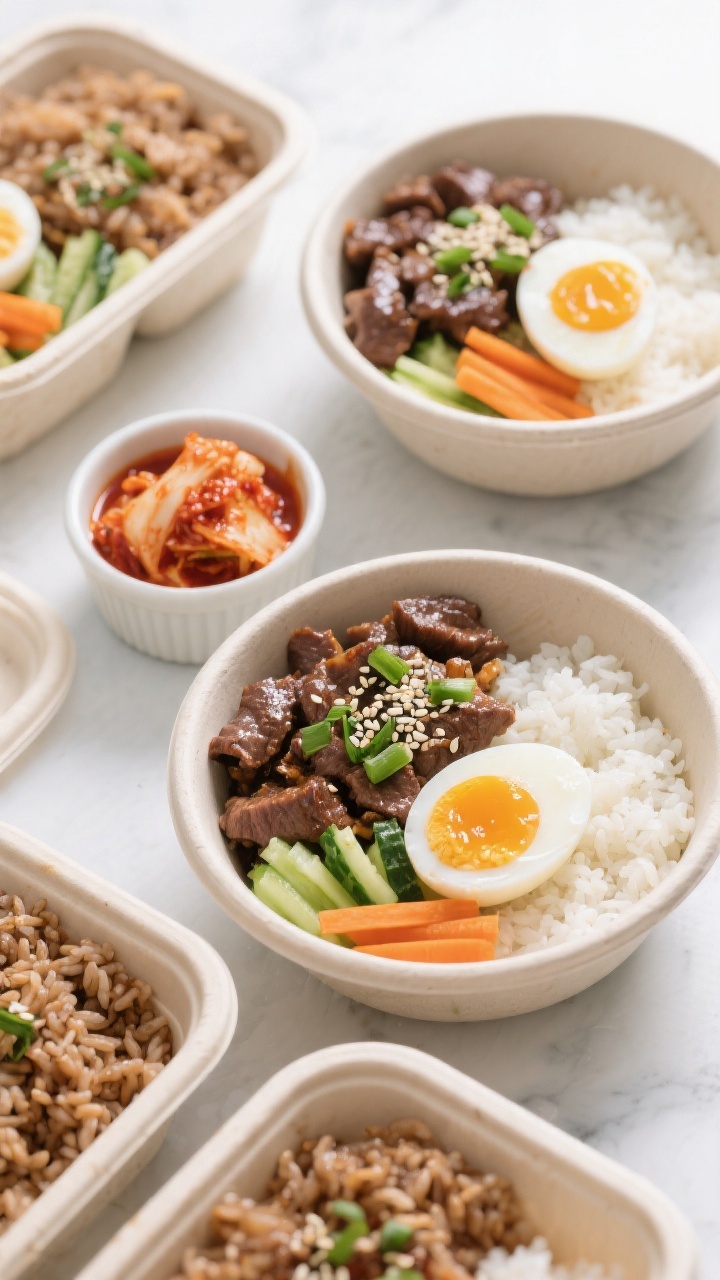
- Refrigerator: Store cooked beef and rice in separate airtight containers for 3–4 days. Keep fresh veggies separate to maintain crunch.
- Freezer: The cooked beef freezes well for up to 2 months. Thaw overnight in the fridge and reheat gently.
- Reheating: Warm beef in a skillet over medium with a splash of water to loosen the sauce.
Rice reheats best with a damp paper towel in the microwave or steamed on the stovetop.
- Meal prep tip: Pack bowls with rice and beef, add sturdy veggies like carrots, and keep cucumbers, green onions, and eggs separate until serving.
Health Benefits
- Protein-rich: Ground beef provides complete protein to keep you full and support muscle repair.
- Balanced macros: Pairing beef with rice and vegetables gives a satisfying mix of carbs, protein, and fats.
- Micronutrients: Garlic and ginger bring antioxidants and anti-inflammatory compounds. Carrots and cucumbers add fiber and vitamins.
- Customizable for goals: Use leaner beef, brown rice, and more veggies for lighter bowls, or add a fried egg and sesame oil for extra calories and richness.
What Not to Do
- Don’t skip browning. Pale beef is bland. Let it sear and develop color for deeper flavor.
- Don’t drown the pan. Too much liquid early on prevents browning.
Add the sauce after the beef is well-caramelized.
- Don’t overdo the sesame oil. It’s potent. A little at the end goes a long way.
- Don’t add cucumbers too early. They’ll get soggy. Keep fresh toppings crisp until serving.
- Don’t forget to taste. Adjust salt, sweetness, and heat at the end.
Your pantry soy and sugar can vary.
Alternatives
- Protein swaps: Use ground turkey, chicken, or pork. Firm tofu crumbled and seared works well for a meat-free option.
- Grain options: Brown rice, quinoa, cauliflower rice, or even noodles are great bases.
- Sauce tweaks: Swap brown sugar for honey or maple. Use tamari or coconut aminos for gluten-free or soy-light versions.
- Veggie add-ins: Sautéed mushrooms, steamed broccoli, spinach, or shredded cabbage boost volume and nutrients.
- Spice level: Keep it mild by skipping gochujang and flakes.
For more heat, add sliced fresh chiles or a drizzle of chili crisp.
FAQ
Can I make this gluten-free?
Yes. Use tamari or certified gluten-free soy sauce, and confirm your gochujang is gluten-free or skip it. Serve over rice or a gluten-free grain.
Need More Easy Dinner Ideas?
Get my FREE 7-Day Easy Dinner Reset and enjoy a full week of healthy dinners without the meal-planning stress.
What if I don’t have fresh ginger?
Use 1/2 teaspoon ground ginger or 1 teaspoon ginger paste.
Fresh has brighter flavor, but the dish will still taste great.
Is this very spicy?
It’s as spicy as you make it. Start with a pinch of red pepper flakes or no gochujang, then add more to taste.
Can I double the recipe?
Absolutely. Brown the beef in batches so it sears instead of steaming.
Combine with sauce at the end.
What rice works best?
Jasmine rice is light and fragrant, while short-grain rice is stickier and comforting. Brown rice adds nuttiness and fiber. Use what you enjoy.
How do I get those crispy beef bits?
Use a hot pan, don’t overcrowd, and let the beef sit undisturbed for a minute or two before stirring.
Render some fat, then let it brown.
Can I make it ahead?
Yes. Cook the beef and rice, store separately, and add fresh toppings when you’re ready to eat. It reheats quickly and keeps flavors bright.
What can I use instead of brown sugar?
Honey or maple syrup work well.
Start with a little less and taste—liquid sweeteners can be slightly more intense.
Do I need gochujang?
No, but it adds a deep, savory heat that’s hard to beat. If you skip it, consider a touch more soy and a pinch of smoked paprika for depth.
How can I make it lighter?
Use 93% lean beef or ground turkey, reduce sugar slightly, serve over cauliflower rice or brown rice, and load up on veggies.
In Conclusion
Korean Beef Rice Bowls deliver big flavor with simple steps and everyday ingredients. The sweet-savory sauce, crisp fresh toppings, and warm rice make a bowl that feels both comforting and lively.
Keep the basics, tweak the details, and make it your own. Whether it’s a fast dinner or your weekly meal prep, this is a reliable, crowd-pleasing staple you’ll come back to again and again.
Printable Recipe Card
Want just the essential recipe details without scrolling through the article? Get our printable recipe card with just the ingredients and instructions.
Loved This Recipe?
If you're looking for more simple, healthy dinners your family will actually eat, grab my FREE 7-Day Easy Dinner Reset. You'll get 7 easy dinner recipes, simple grocery lists, and a done-for-you plan that takes the stress out of mealtime.