Garlic Butter Salmon With Asparagus – A Simple, Flavor-Packed Weeknight Dinner
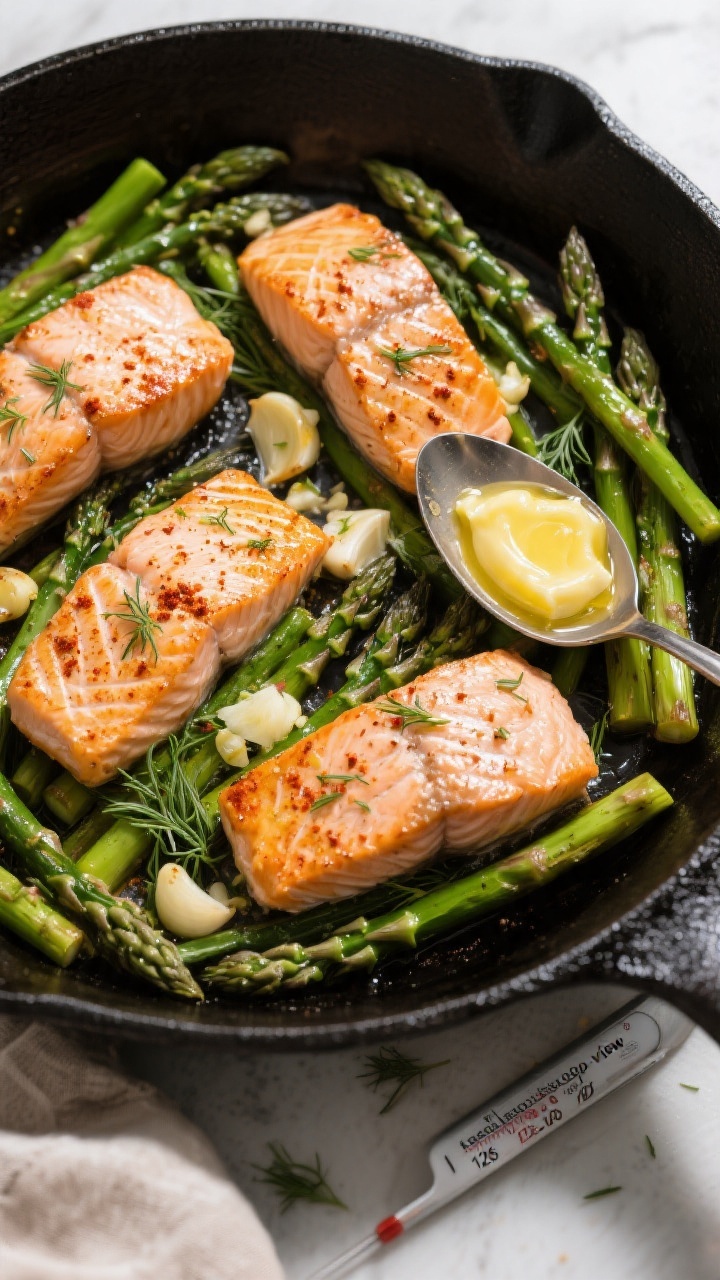
This is the kind of dinner that feels special without making a mess of your kitchen. Salmon cooked in garlicky butter turns tender and silky, and the asparagus soaks up all that flavor on the side. Everything happens in one pan, and it’s on the table in under 30 minutes.
FREE 7-Day Easy Dinner Reset
Save time, eat healthier, and take the stress out of dinner. Get a full week of easy healthy dinners delivered straight to your inbox.
It’s approachable, a little indulgent, and still light enough for a weeknight. If you’re craving something restaurant-worthy with minimal fuss, this is it.
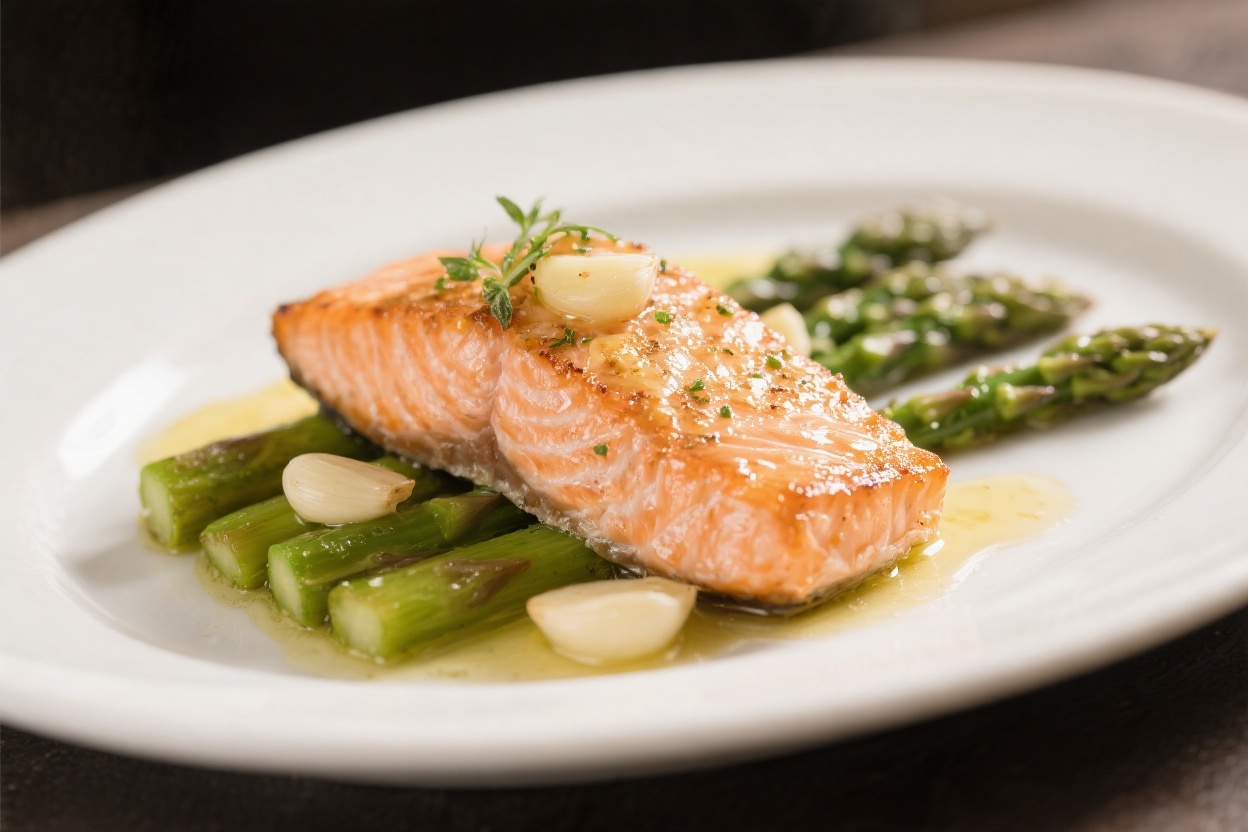
Garlic Butter Salmon With Asparagus - A Simple, Flavor-Packed Weeknight Dinner
Ingredients
Method
- Prep the asparagus. Rinse, pat dry, and snap off the woody ends. Thicker spears are great for pan-cooking, but thin ones work too—just shorten the cook time.
- Pat the salmon dry. This helps it sear instead of steam. Season both sides with salt and pepper. If you like, sprinkle paprika for color and a hint of warmth.
- Heat the pan. Set a large skillet (cast iron or stainless steel) over medium-high heat. Add olive oil and let it shimmer. You want a hot surface for a good sear.
- Sear the salmon skin-side down. Place the fillets in the pan, skin-side down if using skin-on. Press gently with a spatula for the first 20 seconds to prevent curling. Cook without moving for 4–5 minutes, until the skin is crisp and the sides of the salmon are turning opaque about halfway up.
- Add the asparagus. Tuck the spears around the salmon in the same pan. Drizzle a little more olive oil if the pan looks dry. Season the asparagus with salt and pepper.
- Flip and baste. Flip the salmon carefully. Drop in the butter and minced garlic. As the butter melts, tilt the pan and spoon the garlicky butter over the salmon and asparagus for 1–2 minutes. Add lemon zest and a squeeze of lemon juice to the butter to brighten everything.
- Finish to your liking. Cook until the salmon is just opaque and flakes easily with a fork, 2–4 minutes more depending on thickness. For medium, aim for an internal temperature of 125–130°F (52–54°C). For well-done, go to 140°F (60°C), but be careful not to dry it out.
- Add heat if you like. Sprinkle in red pepper flakes to the butter during the last minute if you want a little kick.
- Rest and garnish. Take the pan off the heat and let the salmon rest for 2 minutes. Shower with chopped parsley or dill. Serve with extra lemon wedges and spoon the remaining garlic butter over the top.
What Makes This Special
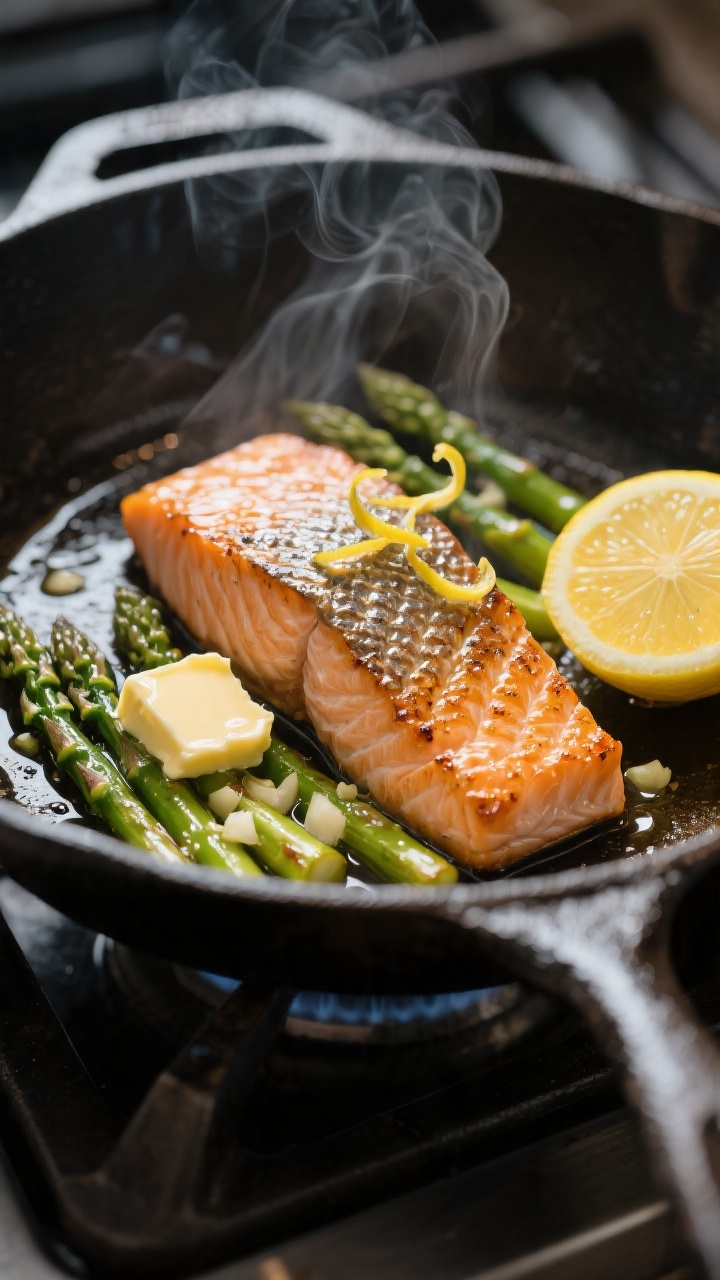
This recipe leans on a few humble ingredients used the right way. Fresh garlic, real butter, and lemon bring out the best in salmon without burying it.
Cooking everything together lets the asparagus catch the pan juices, so nothing goes to waste. And because the technique is simple—sear, baste, finish—you get consistent, reliable results. It’s the kind of meal you’ll make once and then keep in your back pocket for busy days or casual company.
Shopping List
- 4 salmon fillets (about 6 ounces each), skin-on if possible
- 1 large bunch asparagus, trimmed
- 3 tablespoons unsalted butter
- 2 tablespoons olive oil
- 4 garlic cloves, minced
- 1 lemon (zest and juice), plus extra wedges for serving
- Salt and freshly ground black pepper
- 1/2 teaspoon paprika or smoked paprika (optional)
- 1/4 teaspoon red pepper flakes (optional)
- Fresh parsley or dill, chopped (optional garnish)
Step-by-Step Instructions
- Prep the asparagus. Rinse, pat dry, and snap off the woody ends.
Thicker spears are great for pan-cooking, but thin ones work too—just shorten the cook time.
- Pat the salmon dry. This helps it sear instead of steam. Season both sides with salt and pepper. If you like, sprinkle paprika for color and a hint of warmth.
- Heat the pan. Set a large skillet (cast iron or stainless steel) over medium-high heat.
Add olive oil and let it shimmer. You want a hot surface for a good sear.
- Sear the salmon skin-side down. Place the fillets in the pan, skin-side down if using skin-on. Press gently with a spatula for the first 20 seconds to prevent curling.
Cook without moving for 4–5 minutes, until the skin is crisp and the sides of the salmon are turning opaque about halfway up.
- Add the asparagus. Tuck the spears around the salmon in the same pan. Drizzle a little more olive oil if the pan looks dry. Season the asparagus with salt and pepper.
- Flip and baste. Flip the salmon carefully.
Drop in the butter and minced garlic. As the butter melts, tilt the pan and spoon the garlicky butter over the salmon and asparagus for 1–2 minutes. Add lemon zest and a squeeze of lemon juice to the butter to brighten everything.
- Finish to your liking. Cook until the salmon is just opaque and flakes easily with a fork, 2–4 minutes more depending on thickness.
For medium, aim for an internal temperature of 125–130°F (52–54°C). For well-done, go to 140°F (60°C), but be careful not to dry it out.
- Add heat if you like. Sprinkle in red pepper flakes to the butter during the last minute if you want a little kick.
- Rest and garnish. Take the pan off the heat and let the salmon rest for 2 minutes. Shower with chopped parsley or dill.
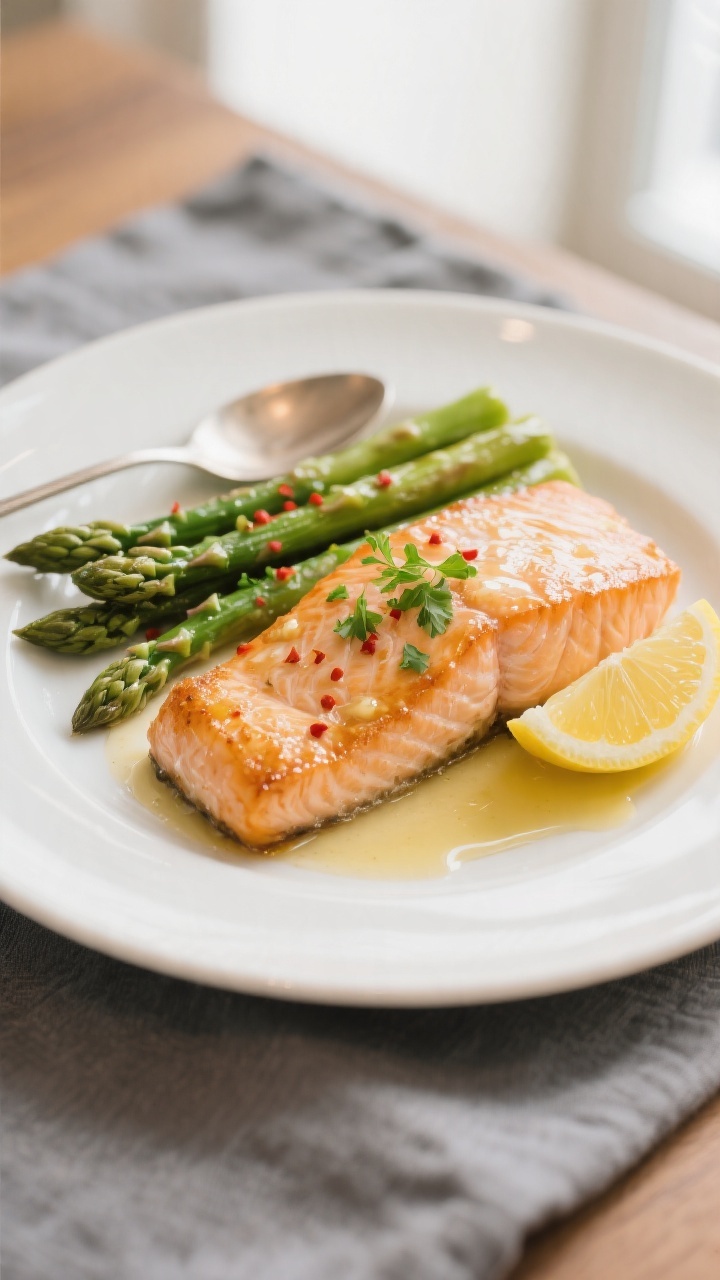
Serve with extra lemon wedges and spoon the remaining garlic butter over the top.
Keeping It Fresh
Fresh salmon makes a big difference. If buying the day before, keep it in the coldest part of your fridge and cook within 24 hours. If your asparagus looks dry at the ends, trim and stand the spears in a jar with an inch of water, then cover loosely and refrigerate.
After cooking, store leftovers in an airtight container for up to 2 days. Reheat gently over low heat or in a 275°F (135°C) oven just until warm to protect the texture.
Health Benefits
- Omega-3 fats: Salmon is rich in EPA and DHA, which support heart, brain, and joint health.
- Lean protein: Each fillet delivers a satisfying amount of protein to keep you full and support muscle repair.
- Vitamins and minerals: Asparagus brings fiber, folate, and vitamins A, C, and K. Salmon adds vitamin D and selenium.
- Balanced plate: Pairing protein with non-starchy veggies helps steady energy levels without feeling heavy.
Pitfalls to Watch Out For
- Overcooking the salmon: This is the most common mistake.
Pull it off the heat when it’s just opaque; it will finish with carryover heat.
- Cold fish in a hot pan: That’s good. But ice-cold fish straight from the fridge can cause the butter to burn before the center cooks. Let the salmon sit at room temperature for 10–15 minutes before cooking.
- Burning the garlic: Add garlic with the butter after flipping, not at the start.
If it browns too fast, lower the heat.
- Crowding the pan: If your pan is small, cook the asparagus in batches or after the salmon. Overcrowding leads to steaming and pale sear.
- Skipping the pat-dry step: Moisture prevents browning. Dry fish equals crisp skin and better flavor.
Recipe Variations
Need More Easy Dinner Ideas?
Get my FREE 7-Day Easy Dinner Reset and enjoy a full week of healthy dinners without the meal-planning stress.
- Sheet pan version: Toss asparagus with olive oil, salt, and pepper on a baking sheet.
Place salmon on top, dot with butter, garlic, and lemon slices. Roast at 425°F (220°C) for 10–14 minutes, depending on thickness.
- Herb-forward: Add chopped chives, tarragon, or basil to the butter off the heat. The residual warmth releases their aroma without dulling their freshness.
- Creamy twist: Stir 2 tablespoons of light cream or crème fraîche into the pan after removing the salmon.
Swirl to create a quick pan sauce with the butter, garlic, and lemon.
- Spice route: Swap paprika for a pinch of cumin and coriander, or use a Cajun seasoning blend. Adjust salt to taste.
- Dairy-free: Replace butter with a high-quality olive oil or a dairy-free butter alternative and proceed as usual.
- Grill it: Brush salmon and asparagus with oil and season well. Grill salmon skin-side down over medium heat for 6–8 minutes total, turning once.
Finish with a quick garlic-lemon butter sauce on the side.
Can I Use Frozen Salmon?
Yes. Thaw it overnight in the fridge or under cold running water (still in its packaging). Pat very dry before seasoning.
Frozen fillets can be slightly wetter, so take extra care to dry them to get a good sear.
How Do I Know When the Salmon Is Done?
Look for flesh that turns from translucent to opaque and flakes when pressed with a fork. An instant-read thermometer is the most reliable guide: 125–130°F (52–54°C) for medium is juicy and tender.
What If I Don’t Like Asparagus?
Broccolini, green beans, or zucchini are great alternatives. Adjust cook time to keep them crisp-tender.
Thinner veggies might need only a couple of minutes in the pan.
Can I Make This Without a Nonstick Pan?
Absolutely. A well-heated stainless steel or cast-iron skillet works beautifully. Make sure the pan is hot and the fish is dry before adding it.
Don’t force it to release—once the skin crisps, it will release naturally.
Is Skin-On or Skinless Better?
Skin-on salmon protects the flesh and crisps up nicely. It also makes flipping easier. If you prefer skinless, reduce the initial sear by a minute to avoid overcooking the underside.
Can I Meal Prep This?
You can, but salmon is best freshly cooked.
If prepping ahead, undercook it slightly and reheat gently. Store the asparagus and salmon separately to keep textures better.
Final Thoughts
Garlic Butter Salmon with Asparagus is simple, fast, and packed with bright, buttery flavor. It’s a one-pan win that feels both comforting and fresh.
Keep the technique in mind—dry fish, hot pan, quick baste—and you’ll nail it every time. With a squeeze of lemon and a handful of herbs, dinner is done and delicious.
Printable Recipe Card
Want just the essential recipe details without scrolling through the article? Get our printable recipe card with just the ingredients and instructions.
Loved This Recipe?
If you're looking for more simple, healthy dinners your family will actually eat, grab my FREE 7-Day Easy Dinner Reset. You'll get 7 easy dinner recipes, simple grocery lists, and a done-for-you plan that takes the stress out of mealtime.