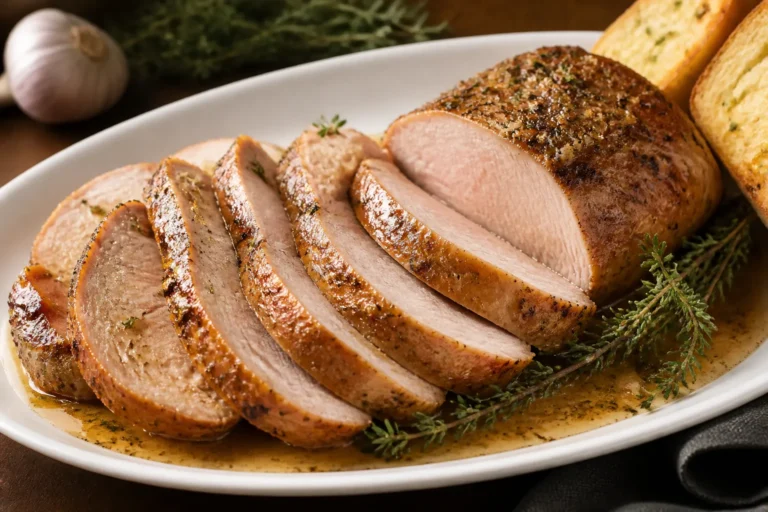
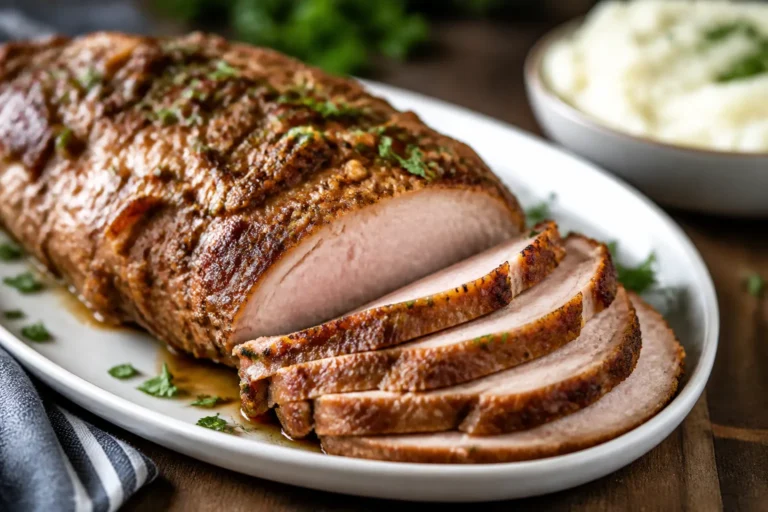
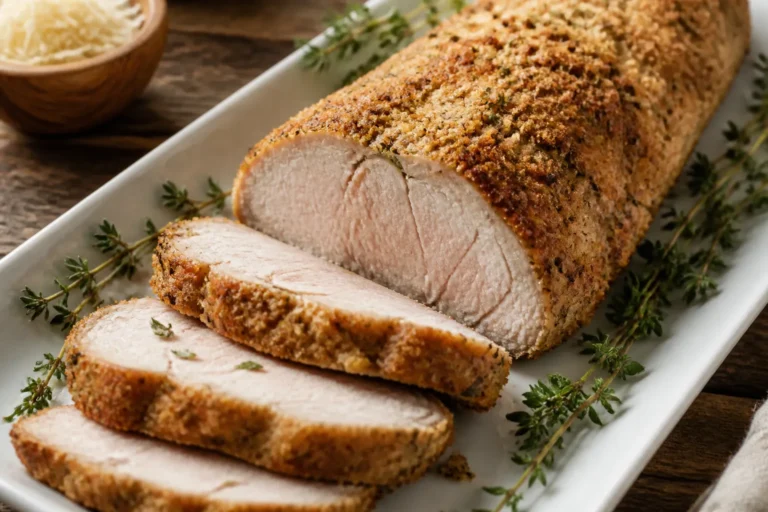
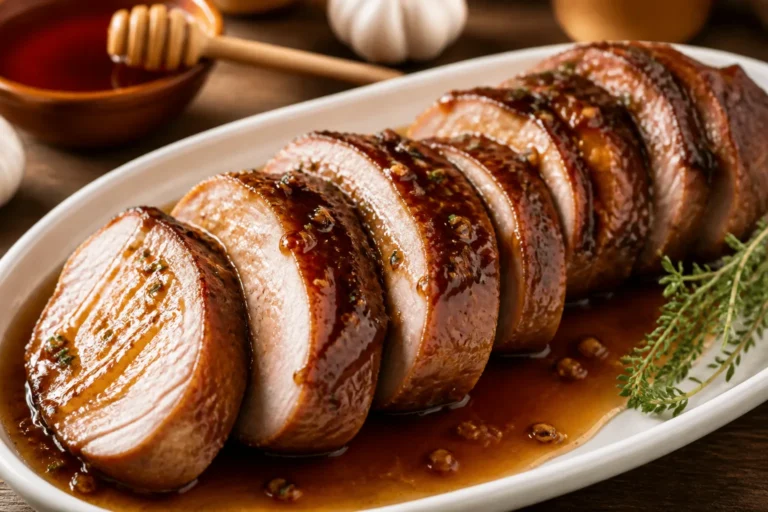
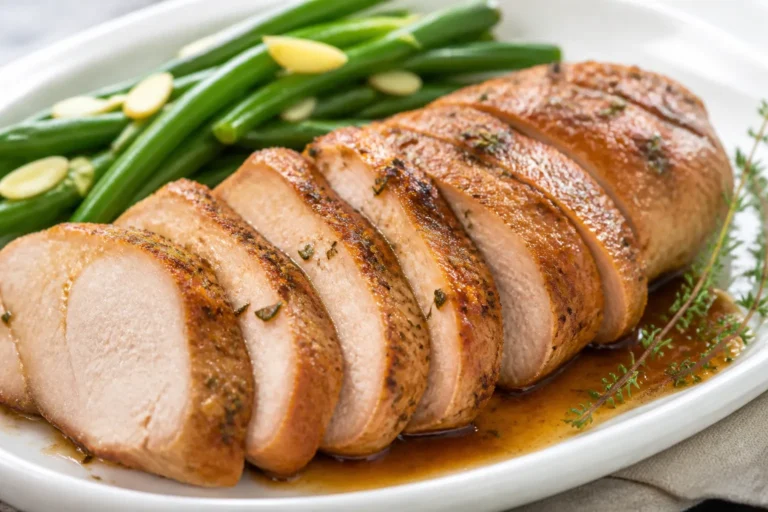
Smoked Pork Tenderloin – Juicy, Flavorful, and Easy
Pork tenderloin doesn’t need much to shine, and smoking it brings out the best in this lean, tender cut. You get a deep, wood-kissed flavor with a rosy center and a juicy bite in every slice. This recipe keeps the process simple, so you can focus on great taste without fuss.
FREE 7-Day Easy Dinner Reset
Save time, eat healthier, and take the stress out of dinner. Get a full week of easy healthy dinners delivered straight to your inbox.
Whether you’re cooking for a weeknight dinner or a backyard gathering, this smoked pork tenderloin hits the sweet spot: fast, reliable, and seriously good.
Ingredients
Method
- Preheat your smoker: Set to 225–250°F. Choose a mild wood like apple or cherry for a slightly sweet smoke. Hickory works if you want a stronger flavor.
- Prep the pork: Pat the tenderloins dry. Trim any silver skin with a sharp knife so the rub penetrates and the meat stays tender.
- Season generously: Rub each tenderloin with oil. In a small bowl, mix salt, pepper, smoked paprika, garlic powder, onion powder, thyme, brown sugar, and ground mustard. Coat the pork evenly on all sides.
- Let it sit: Rest the seasoned pork at room temperature for 15–20 minutes while the smoker stabilizes. This helps even cooking.
- Smoke low and slow: Place the tenderloins on the smoker grates. Close the lid and smoke until the thickest part hits 140–145°F, about 60–90 minutes depending on thickness and smoker temp.
- Optional glaze: In the last 10–15 minutes, brush with barbecue sauce or a quick maple-butter glaze for a glossy finish. Keep it light so you don’t mask the smoke.
- Rest before slicing: Transfer to a cutting board and tent loosely with foil for 5–10 minutes. This keeps the juices in the meat, not on your board.
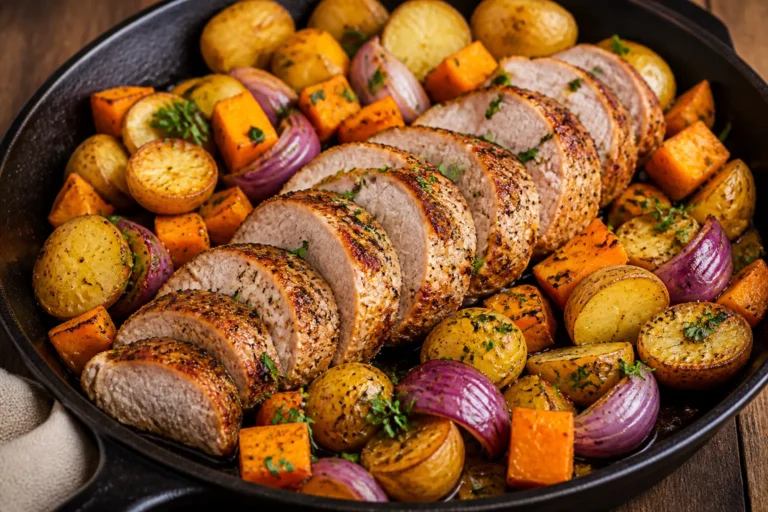
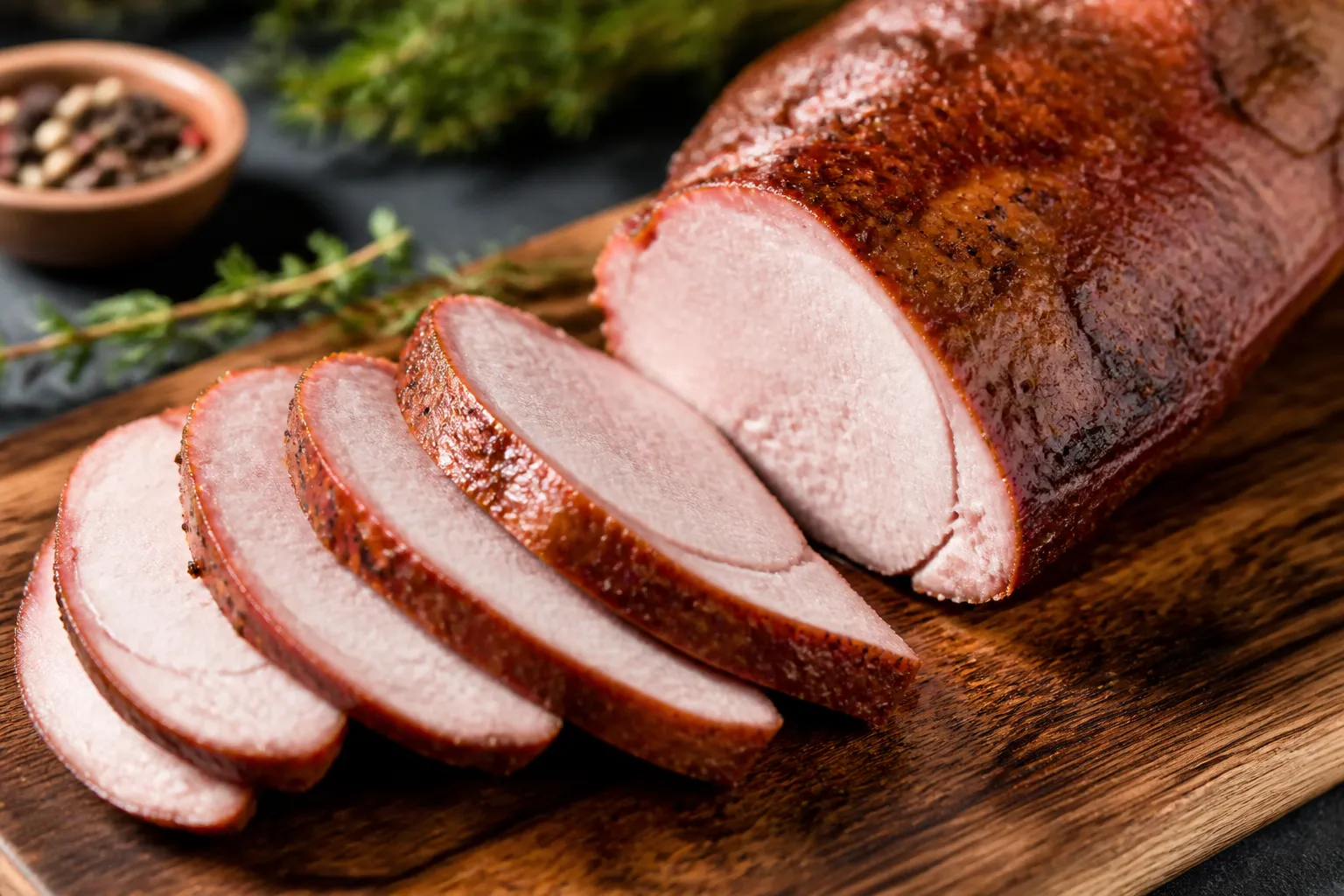
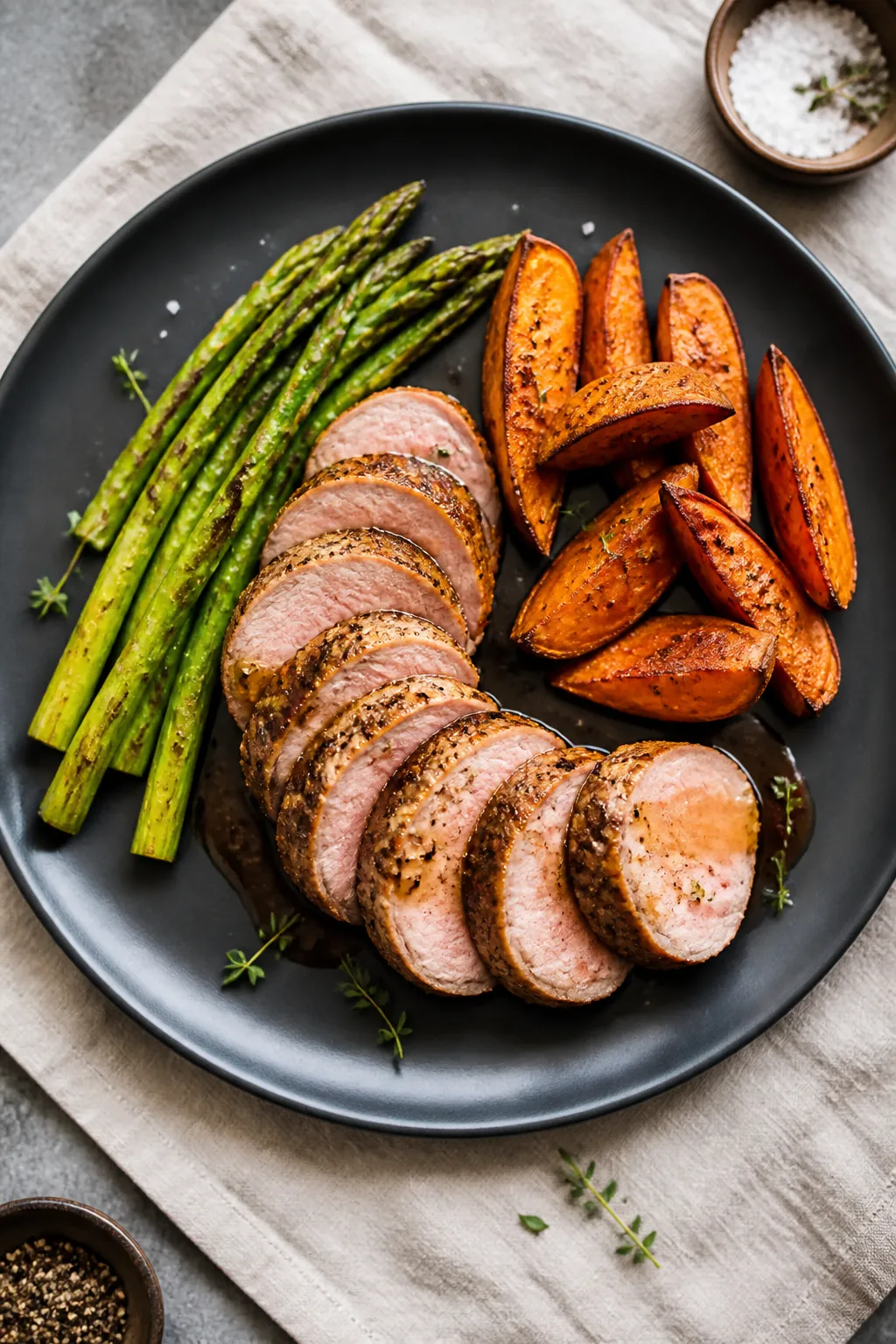
- Slice and serve: Cut into 1/2-inch medallions across the grain. Serve with roasted veggies, coleslaw, or a simple green salad.
What Makes This Recipe So Good
- Quick cook time: Pork tenderloin smokes fast—usually 1 to 1.5 hours—so you’re not babysitting the smoker all day.
- Lean but juicy: Tenderloin is naturally lean, and a gentle smoke keeps it moist while building layers of flavor.
- Balanced seasoning: A simple rub with salt, pepper, garlic, and a touch of sweetness complements the smoke instead of overpowering it.
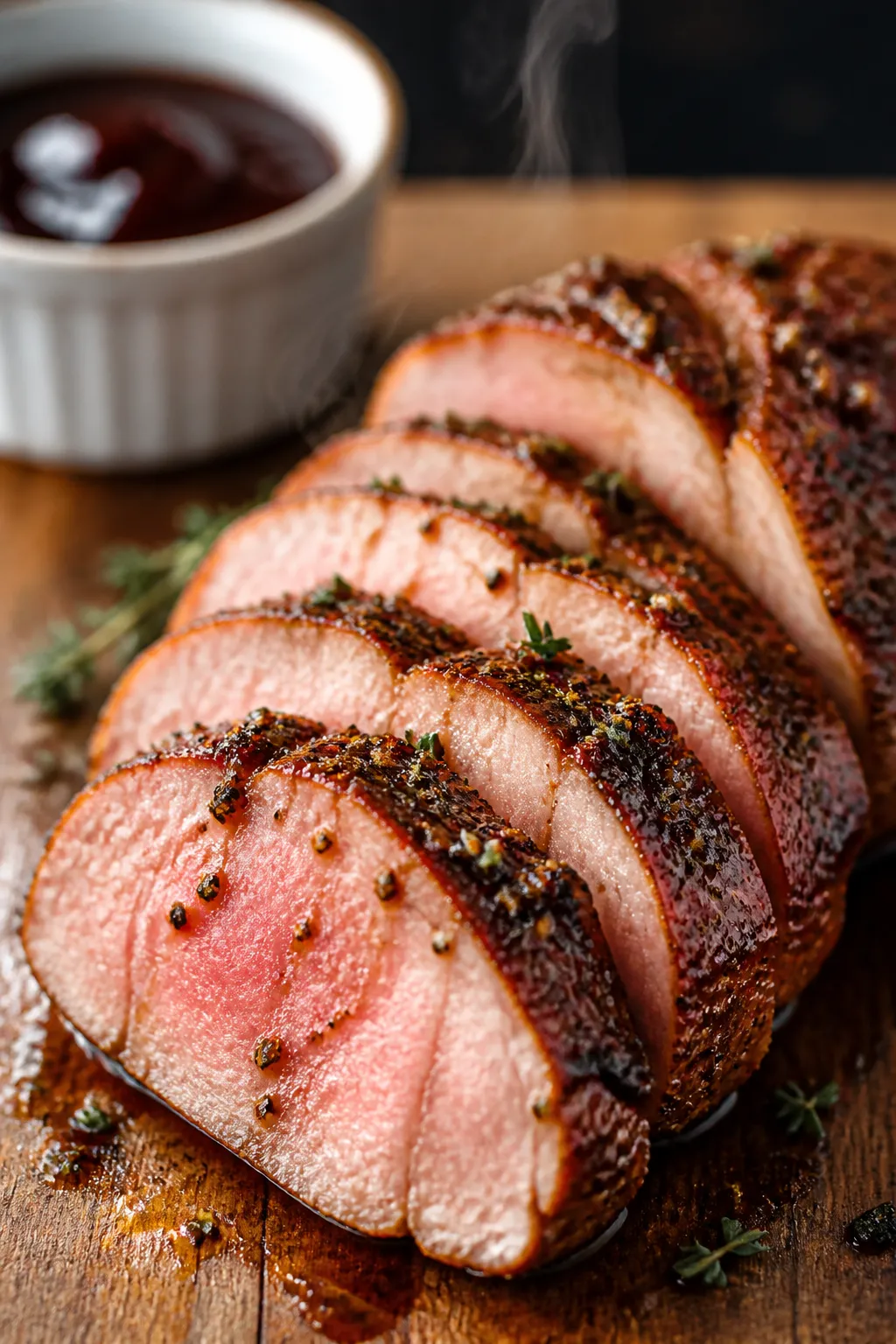
- Foolproof doneness: Pulling at 140–145°F gives you tender slices with a slight blush and no dryness.
- Versatile leftovers: Use extra slices in sandwiches, salads, tacos, or grain bowls.
What You’ll Need
- 2 pork tenderloins (about 1 to 1.25 pounds each), silver skin trimmed
- 2 tablespoons olive oil or neutral oil
- 2 teaspoons kosher salt
- 1.5 teaspoons black pepper
- 2 teaspoons smoked paprika
- 2 teaspoons garlic powder
- 1 teaspoon onion powder
- 1 teaspoon dried thyme or Italian seasoning
- 1–2 tablespoons brown sugar or maple sugar (optional, for caramelization)
- 1 teaspoon ground mustard (optional, for tang)
- Wood for smoking: apple, cherry, or hickory (fruit woods are gentler; hickory is bolder)
- Barbecue sauce or maple glaze (optional for finishing)
Step-by-Step Instructions
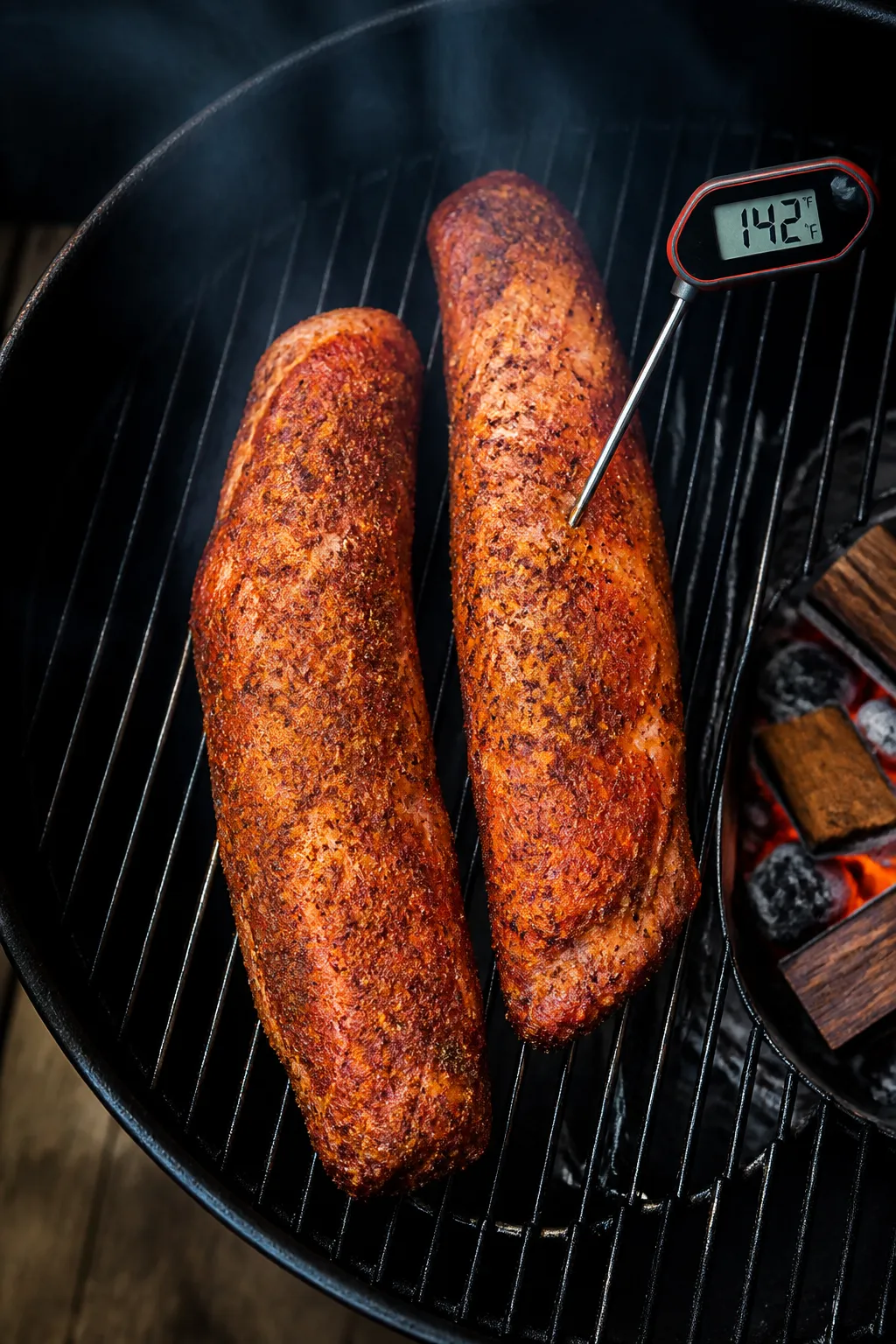
- Preheat your smoker: Set to 225–250°F. Choose a mild wood like apple or cherry for a slightly sweet smoke. Hickory works if you want a stronger flavor.
- Prep the pork: Pat the tenderloins dry.
Trim any silver skin with a sharp knife so the rub penetrates and the meat stays tender.
- Season generously: Rub each tenderloin with oil. In a small bowl, mix salt, pepper, smoked paprika, garlic powder, onion powder, thyme, brown sugar, and ground mustard. Coat the pork evenly on all sides.
- Let it sit: Rest the seasoned pork at room temperature for 15–20 minutes while the smoker stabilizes.
This helps even cooking.
- Smoke low and slow: Place the tenderloins on the smoker grates. Close the lid and smoke until the thickest part hits 140–145°F, about 60–90 minutes depending on thickness and smoker temp.
- Optional glaze: In the last 10–15 minutes, brush with barbecue sauce or a quick maple-butter glaze for a glossy finish. Keep it light so you don’t mask the smoke.
- Rest before slicing: Transfer to a cutting board and tent loosely with foil for 5–10 minutes.
This keeps the juices in the meat, not on your board.
- Slice and serve: Cut into 1/2-inch medallions across the grain. Serve with roasted veggies, coleslaw, or a simple green salad.
Storage Instructions
- Refrigerate: Cool completely, then store slices in an airtight container up to 4 days.
- Freeze: Wrap tightly and freeze up to 2 months. For best texture, slice before freezing and separate layers with parchment.
- Reheat: Warm gently in a covered skillet over low heat with a splash of broth, or wrap in foil and reheat in a 275°F oven until just heated through.
Avoid microwaving on high to prevent dryness.
Why This is Good for You
- Lean protein: Pork tenderloin is one of the leanest cuts of pork, offering high-quality protein with relatively low fat.
- Lower sodium control: Making your own rub means you can keep salt in check compared to many store-bought marinades.
- Rich in B vitamins: You’ll get B6, B12, niacin, and thiamin, which support energy metabolism and the nervous system.
- Smoke without heavy sauces: The smoker adds depth, so you can use less sugar or sauce while still getting big flavor.
What Not to Do
- Don’t overcook: Going past 150°F makes tenderloin dry and stringy. Use a reliable instant-read thermometer.
- Don’t skip the rest: Slicing too soon releases the juices. That short rest is key for tenderness.
- Don’t overload with strong wood: Heavy hickory or mesquite can overpower this delicate cut.
Keep smoke clean and moderate.
- Don’t forget to trim silver skin: It turns tough and prevents seasoning from doing its job.
- Don’t blast it with high heat from the start: A steady 225–250°F gives you even cooking and better smoke absorption.
Variations You Can Try
- Herb and lemon: Skip the sugar. Add lemon zest and extra thyme and rosemary to the rub. Finish with a squeeze of lemon.
- Spicy-sweet: Add cayenne or chipotle powder and swap brown sugar for honey brushed on during the last 10 minutes.
- Asian-inspired: Marinate in soy sauce, ginger, garlic, and a touch of honey for 30–60 minutes, pat dry, then smoke.
Glaze with a splash of hoisin at the end.
- Maple-mustard: Mix Dijon, maple syrup, and a little apple cider vinegar. Brush on during the final 15 minutes for a tangy sheen.
- Reverse sear finish: After smoking to 135–138°F, sear the tenderloin on a hot grill or skillet for 1–2 minutes per side to build a crust, then rest to reach 140–145°F.
FAQ
What internal temperature should pork tenderloin be?
Need More Easy Dinner Ideas?
Get my FREE 7-Day Easy Dinner Reset and enjoy a full week of healthy dinners without the meal-planning stress.
Pork tenderloin is best at 140–145°F measured in the thickest part. It will carry over a few degrees while resting, staying juicy with a slight blush.
How long does it take to smoke pork tenderloin at 225°F?
Most tenderloins take 60–90 minutes at 225–250°F.
Size, smoker accuracy, and outside temperature all matter, so trust your thermometer over the clock.
Do I need to brine or marinate?
You don’t have to, but a short marinade or a light dry brine helps. For dry brine, salt the pork 1–2 hours ahead and refrigerate uncovered. Pat dry, then apply the rub before smoking.
Which wood is best?
Apple and cherry are great for a mellow, slightly sweet smoke.
Hickory adds a stronger, classic barbecue note. Avoid mesquite for this cut—it can turn bitter fast.
Can I make this without a smoker?
Yes. Use a gas or charcoal grill set for indirect heat at 250°F with a small packet of wood chips.
Or cook in the oven at 250°F until 140–145°F, then add a quick sear in a hot skillet for color.
Why is my pork dry?
Overcooking is the usual culprit. Also check that you rested the meat and sliced across the grain. Next time, consider a light glaze or baste during the last 10 minutes to lock in moisture.
Can I cook just one tenderloin?
Absolutely.
Season and smoke as directed. Times may be slightly shorter, so start checking temperature a bit earlier.
What sides go well with smoked pork tenderloin?
Roasted sweet potatoes, grilled asparagus, creamy coleslaw, garlic mashed potatoes, or a crisp apple-cabbage salad all pair beautifully.
Wrapping Up
Smoked pork tenderloin is simple, fast, and full of flavor. With the right rub, steady heat, and a careful eye on temperature, you’ll get tender slices that impress without effort.
Keep the smoke clean, don’t overcook, and give it a short rest. The result is a versatile main you’ll make again and again—weeknight easy, weekend worthy.
Printable Recipe Card
Want just the essential recipe details without scrolling through the article? Get our printable recipe card with just the ingredients and instructions.
Loved This Recipe?
If you're looking for more simple, healthy dinners your family will actually eat, grab my FREE 7-Day Easy Dinner Reset. You'll get 7 easy dinner recipes, simple grocery lists, and a done-for-you plan that takes the stress out of mealtime.