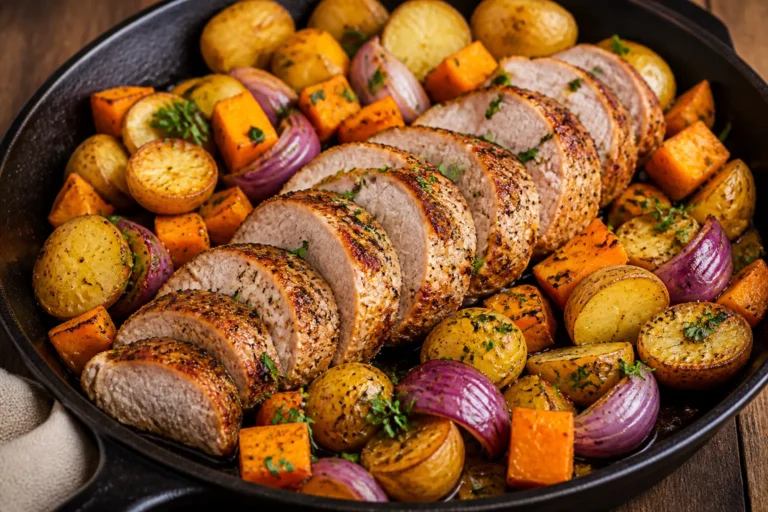
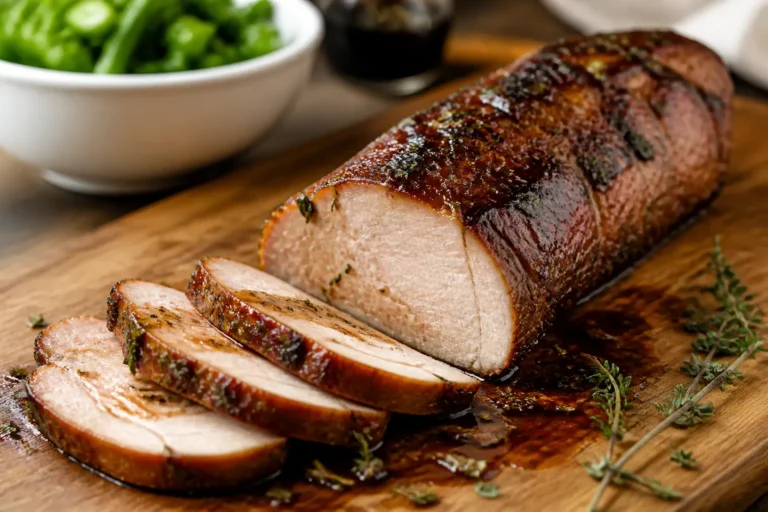
Pork Tenderloin With Caramelized Onions – Simple, Tender, and Packed With Flavor
This is the kind of dinner that feels special but doesn’t take all night. Pork tenderloin cooks quickly, stays juicy, and pairs beautifully with sweet, jammy caramelized onions. You get that restaurant-style balance of savory and sweet without fancy steps or equipment.
FREE 7-Day Easy Dinner Reset
Save time, eat healthier, and take the stress out of dinner. Get a full week of easy healthy dinners delivered straight to your inbox.
With a few pantry staples and a hot skillet, you’ll have a comforting meal that tastes like you planned ahead—even if you didn’t.
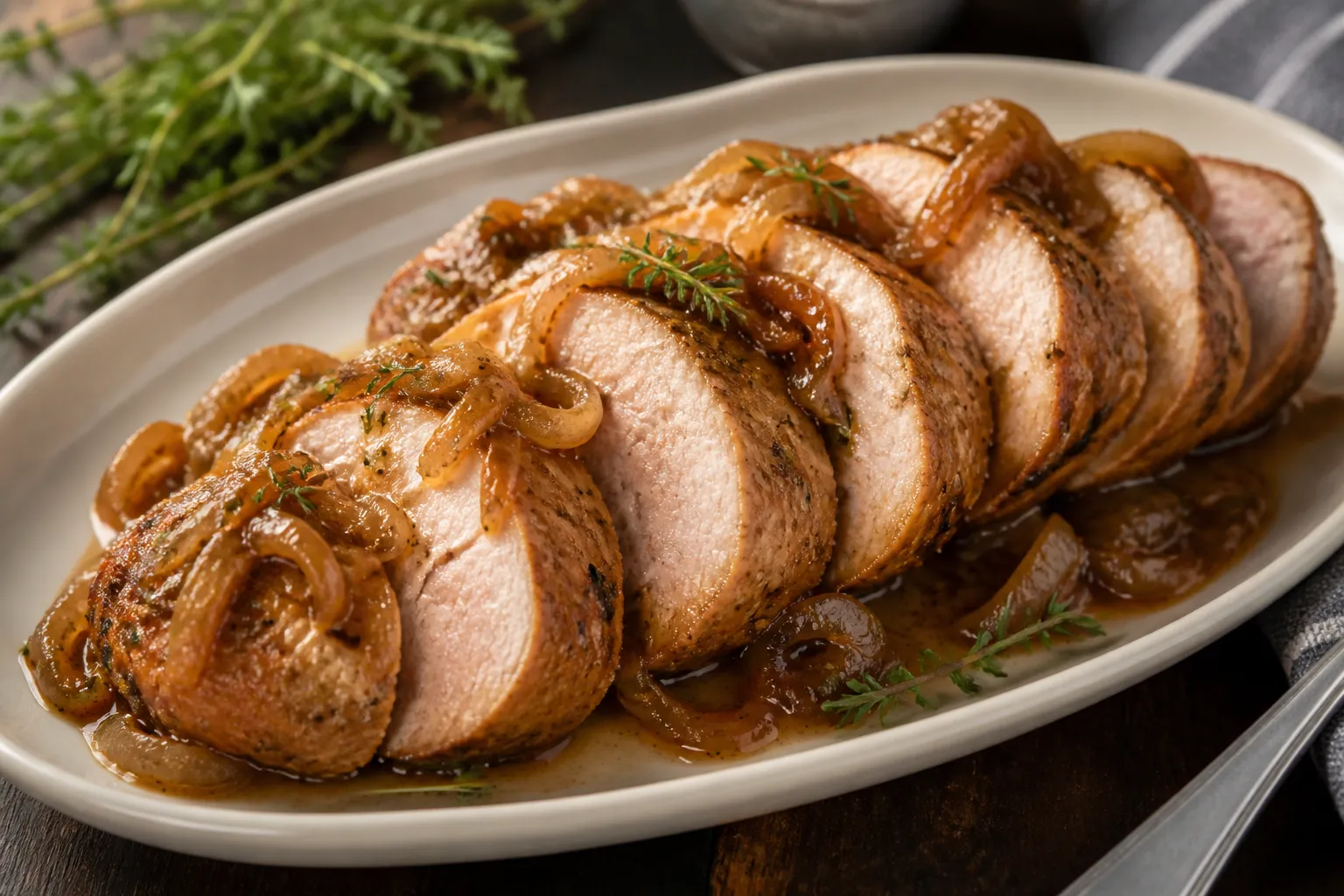
Pork Tenderloin With Caramelized Onions - Simple, Tender, and Packed With Flavor
Ingredients
Method
- Preheat and prep: Heat the oven to 400°F (200°C). Pat the pork tenderloin dry with paper towels. Trim any silvery membrane so seasoning can penetrate and the meat stays tender.
- Season the pork: Rub with 1 tablespoon olive oil. Sprinkle generously with salt, black pepper, and a pinch of smoked paprika or mustard powder if using. Let it sit at room temperature while you start the onions.
- Start the onions: Heat a large oven-safe skillet over medium heat. Add 1 tablespoon olive oil and the butter. Add sliced onions and a pinch of salt. Cook slowly, stirring occasionally, until soft and golden, about 18–25 minutes. If the pan dries out or onions scorch, lower the heat and add a splash of water.
- Flavor boost: Stir in the garlic and thyme during the last minute of cooking. Add the balsamic vinegar to brighten and deepen the onion flavor. Transfer the onions to a plate and keep the skillet on the stove.
- Sear the pork: Increase heat to medium-high. Add another drizzle of oil if needed. Sear the pork on all sides until browned, about 6–8 minutes total. Don’t rush this step—color equals flavor.
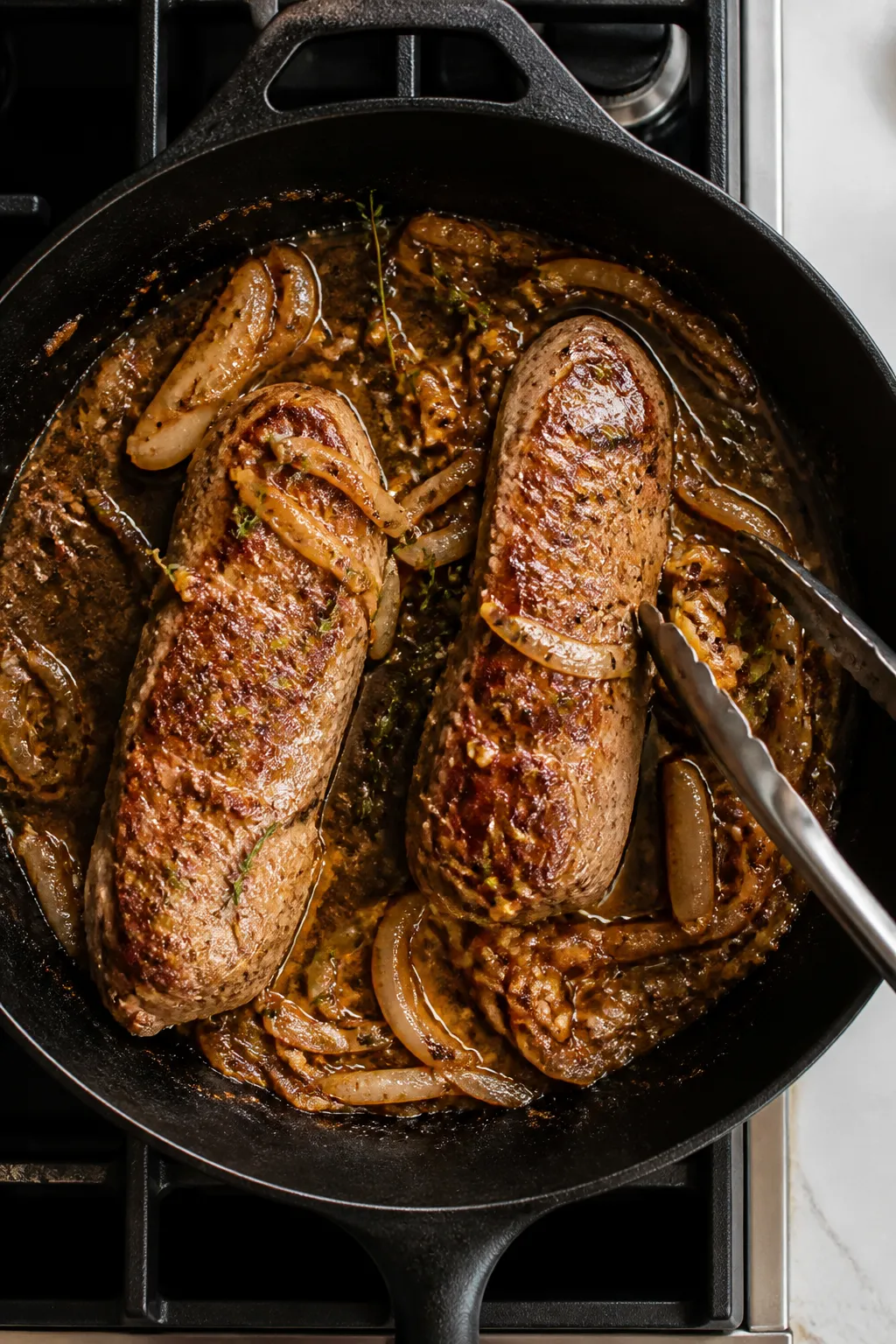
- Deglaze: Pour in the chicken broth or water and scrape up the browned bits. Nestle the caramelized onions around and slightly over the pork.
- Finish in the oven: Transfer the skillet to the oven. Roast 10–15 minutes, or until the thickest part of the tenderloin reaches 140–145°F (60–63°C) on an instant-read thermometer. The exact time depends on size and your oven.
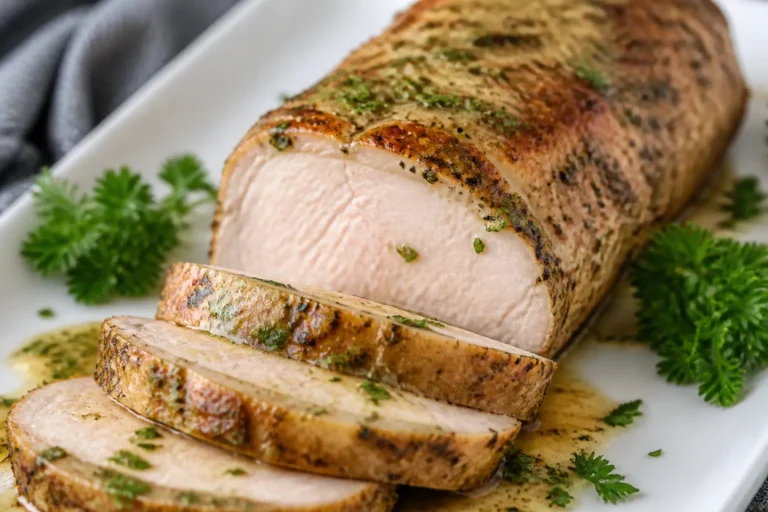
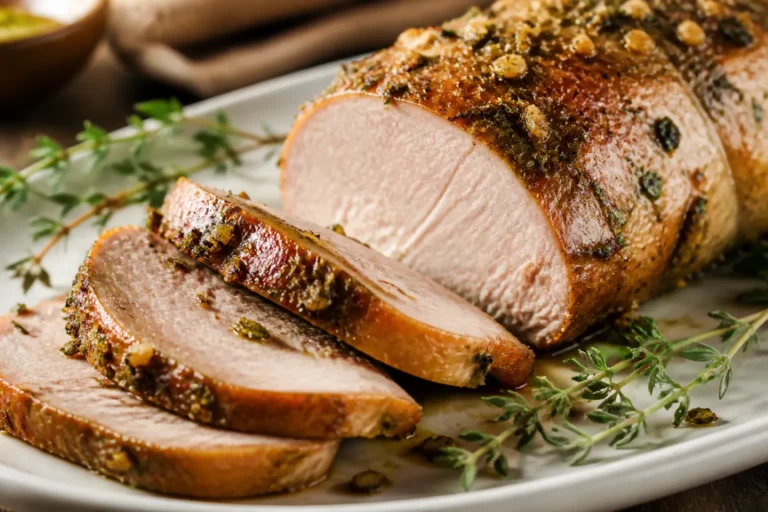
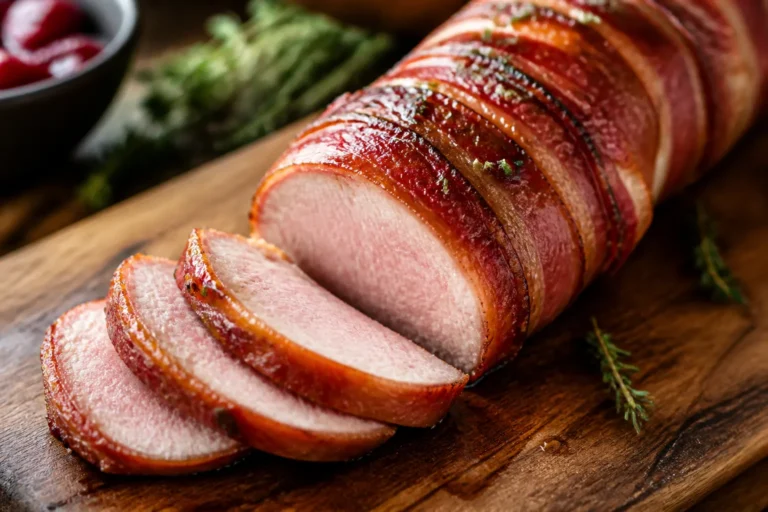
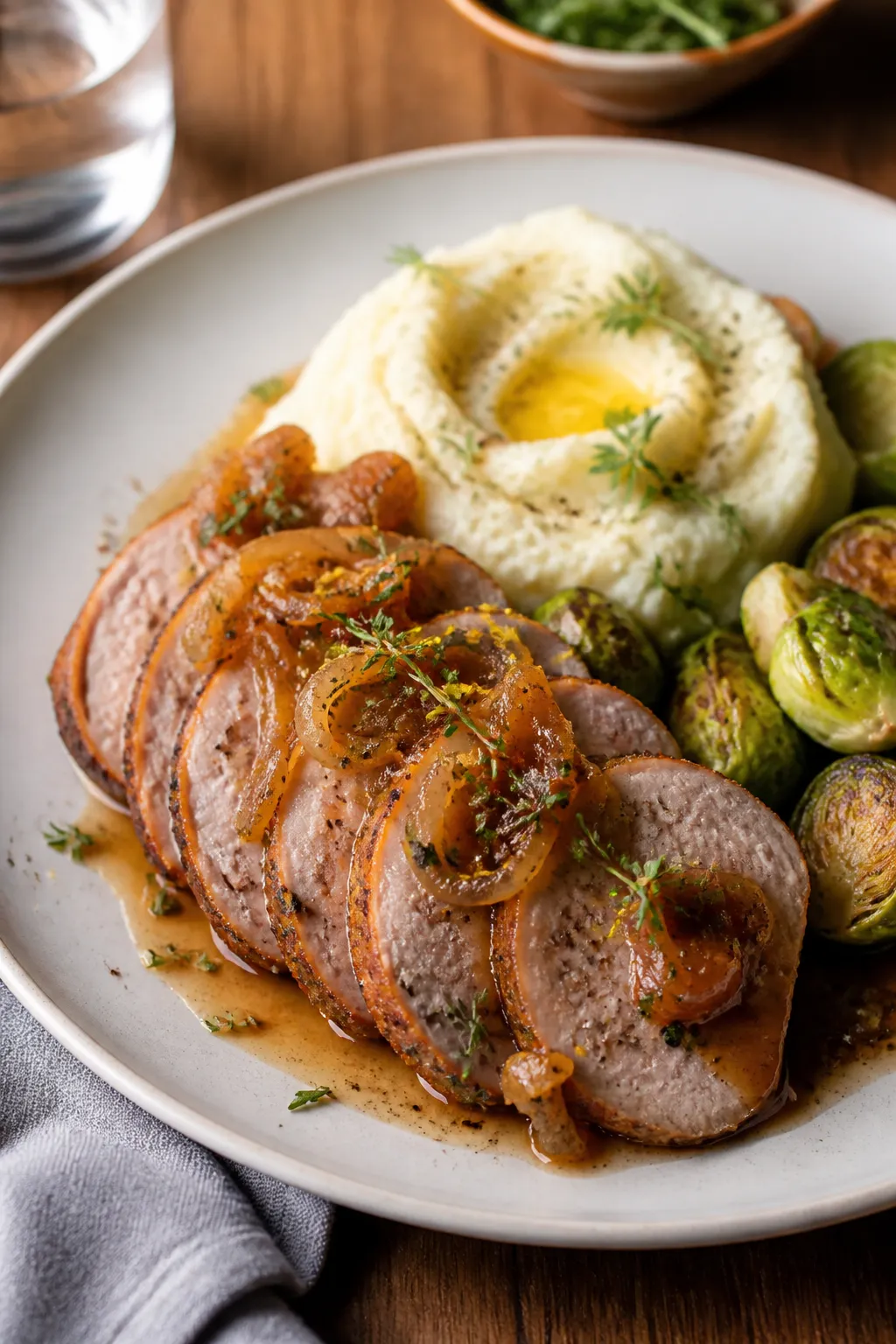
- Rest, then slice: Move the pork to a cutting board and rest 5–10 minutes. This keeps it juicy. Slice into 1/2-inch medallions. Spoon the onions and pan juices over the top.
- Serve: Pair with mashed potatoes, polenta, roasted vegetables, or a crisp green salad. A squeeze of lemon over the onions can brighten the final dish.
What Makes This Recipe So Good
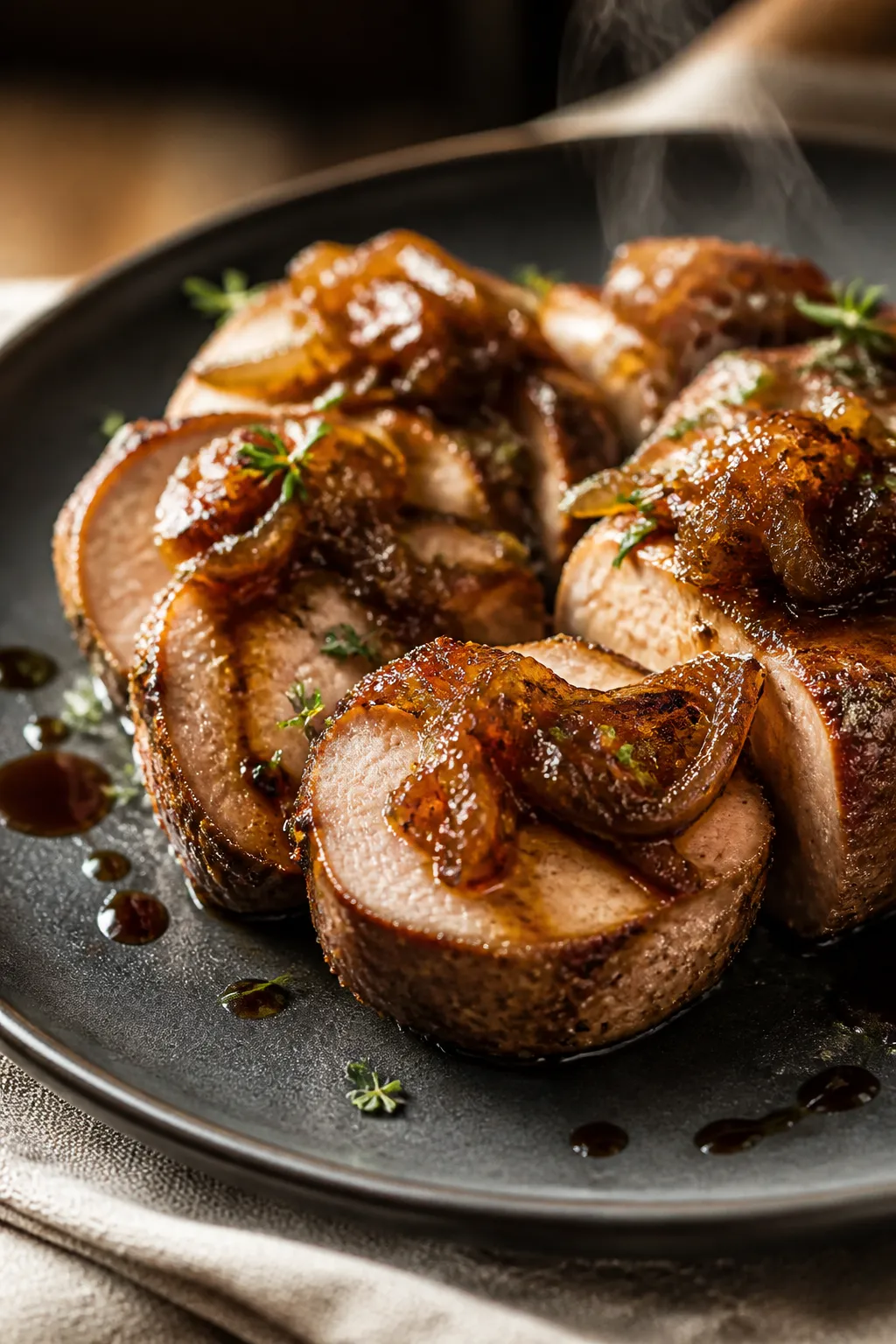
Pork tenderloin is naturally lean and tender, so it cooks fast and takes on flavor easily. The caramelized onions add a rich, slightly sweet layer that makes the dish feel complete without a heavy sauce. A quick sear gives the pork a golden crust, while finishing it in the oven keeps it juicy and evenly cooked.
The ingredients are simple, and the process is straightforward. Yet the final result feels balanced, warm, and a little bit luxurious.
What You’ll Need
- Pork tenderloin: 1 to 1.5 pounds, trimmed of silver skin
- Yellow or sweet onions: 2 large, thinly sliced
- Olive oil: 2–3 tablespoons, divided
- Unsalted butter: 1 tablespoon (optional but great for flavor)
- Salt and black pepper: To taste
- Garlic: 2 cloves, minced
- Fresh thyme or rosemary: 1–2 teaspoons chopped (or 1/2 teaspoon dried)
- Balsamic vinegar: 1–2 teaspoons, for finishing the onions
- Chicken broth or water: 1/4 cup, to deglaze
- Optional spices: Smoked paprika, mustard powder, or a pinch of red pepper flakes
How to Make It
- Preheat and prep: Heat the oven to 400°F (200°C). Pat the pork tenderloin dry with paper towels.
Trim any silvery membrane so seasoning can penetrate and the meat stays tender.
- Season the pork: Rub with 1 tablespoon olive oil. Sprinkle generously with salt, black pepper, and a pinch of smoked paprika or mustard powder if using. Let it sit at room temperature while you start the onions.
- Start the onions: Heat a large oven-safe skillet over medium heat.
Add 1 tablespoon olive oil and the butter. Add sliced onions and a pinch of salt. Cook slowly, stirring occasionally, until soft and golden, about 18–25 minutes.
If the pan dries out or onions scorch, lower the heat and add a splash of water.
- Flavor boost: Stir in the garlic and thyme during the last minute of cooking. Add the balsamic vinegar to brighten and deepen the onion flavor. Transfer the onions to a plate and keep the skillet on the stove.
- Sear the pork: Increase heat to medium-high.
Add another drizzle of oil if needed. Sear the pork on all sides until browned, about 6–8 minutes total. Don’t rush this step—color equals flavor.
- Deglaze: Pour in the chicken broth or water and scrape up the browned bits.
Nestle the caramelized onions around and slightly over the pork.
- Finish in the oven: Transfer the skillet to the oven. Roast 10–15 minutes, or until the thickest part of the tenderloin reaches 140–145°F (60–63°C) on an instant-read thermometer. The exact time depends on size and your oven.
- Rest, then slice: Move the pork to a cutting board and rest 5–10 minutes.
This keeps it juicy. Slice into 1/2-inch medallions. Spoon the onions and pan juices over the top.
- Serve: Pair with mashed potatoes, polenta, roasted vegetables, or a crisp green salad.
A squeeze of lemon over the onions can brighten the final dish.
Keeping It Fresh
Leftovers keep well for 3–4 days in an airtight container in the fridge. Store the pork and onions together so the flavors mingle and the meat stays moist. Reheat gently in a skillet over low heat with a splash of water or broth.
You can also warm it in the microwave at 50% power in short bursts to avoid drying it out. For longer storage, freeze sliced pork and onions for up to 2 months and thaw overnight in the fridge.
Why This is Good for You
Pork tenderloin is a lean protein, so you get plenty of nutrients without a lot of fat. The onions bring natural sweetness along with fiber and antioxidants.
Using olive oil instead of heavy sauces keeps things lighter but still satisfying. Pairing it with vegetables or a whole-grain side gives you a balanced plate that’s wholesome and filling. It’s a smarter comfort meal—big on flavor, not on heaviness.
Pitfalls to Watch Out For
- Overcooking the pork: This cut is lean and can dry out fast.
Use a thermometer and pull it at 140–145°F. Resting is non-negotiable.
- Rushing the onions: True caramelization takes time. If they’re browning too quickly, lower the heat and add a splash of water.
Aim for deep golden, not crispy or burnt.
- Skipping the sear: Browning adds essential flavor and texture. Don’t crowd the pan or you’ll steam the meat.
- Under-seasoning: Pork needs enough salt, pepper, and acid. The balsamic and a squeeze of lemon at the end wake everything up.
- Cold meat in hot pan: If the pork is fridge-cold, the outside can burn while the inside stays underdone.
A short rest at room temp helps.
Alternatives
- Herb swap: Use rosemary, sage, or oregano instead of thyme. Fresh or dried both work; just reduce dried amounts.
- Onion twist: Try red onions for a slightly fruitier note, or add a splash of apple cider instead of balsamic.
- Spice profile: Add cumin and coriander for a warm, earthy edge, or a pinch of red pepper flakes for heat.
- Pan sauce: After roasting, remove pork and onions. Add a splash of white wine to the skillet, reduce by half, then whisk in a teaspoon of mustard and a small pat of butter.
- Sheet-pan version: Sear the pork briefly, then roast it on a sheet pan with onions and sliced apples or carrots for an all-in-one dinner.
- Grill option: Grill the tenderloin over medium heat, turning often, then top with stovetop-caramelized onions.
FAQ
Need More Easy Dinner Ideas?
Get my FREE 7-Day Easy Dinner Reset and enjoy a full week of healthy dinners without the meal-planning stress.
How do I know when the pork is done without overcooking it?
Use an instant-read thermometer in the thickest part.
Pull it at 140–145°F and let it rest for 5–10 minutes. The temperature rises slightly as it rests, and the juices redistribute for a tender result.
Can I make the caramelized onions ahead of time?
Yes. Caramelized onions keep in the fridge for up to a week and freeze well.
Warm them gently in a skillet before adding to the pork, or microwave in short bursts with a splash of water.
What sides go best with this?
Mashed potatoes, creamy polenta, roasted Brussels sprouts, green beans, or a simple arugula salad are great. Rice pilaf or buttered egg noodles also pair nicely with the sweet-savory onions.
Do I need to marinate the pork?
No. A simple seasoning and a good sear are enough.
If you want extra flavor, marinate for 30–60 minutes with olive oil, garlic, herbs, and a little mustard, but it’s optional.
Can I use pork loin instead of tenderloin?
You can, but it’s thicker and takes longer to cook. Sear it, then roast at 350°F until 145°F internal temperature. Plan on more time, and consider slicing it into thick chops for quicker cooking.
What if I don’t have balsamic vinegar?
Use a splash of apple cider vinegar or red wine vinegar with a pinch of sugar or honey.
You want a gentle tang and a hint of sweetness to balance the onions.
How do I keep the onions from burning?
Cook over medium to medium-low heat and stir occasionally. If the pan gets dry or dark spots appear, lower the heat and add a tablespoon of water to deglaze.
Can I make this dairy-free?
Yes. Skip the butter and use all olive oil.
The onions will still caramelize nicely, and the dish remains rich and flavorful.
In Conclusion
Pork Tenderloin with Caramelized Onions is a weeknight-friendly meal that tastes like a treat. With a simple sear, slow-sweet onions, and a short oven finish, you get tender slices and big flavor without fuss. Keep an eye on temperature, give the onions time, and you’ll have a reliable go-to that works for busy nights and dinner guests alike.
It’s satisfying, balanced, and easy to make your own.
Printable Recipe Card
Want just the essential recipe details without scrolling through the article? Get our printable recipe card with just the ingredients and instructions.
Loved This Recipe?
If you're looking for more simple, healthy dinners your family will actually eat, grab my FREE 7-Day Easy Dinner Reset. You'll get 7 easy dinner recipes, simple grocery lists, and a done-for-you plan that takes the stress out of mealtime.