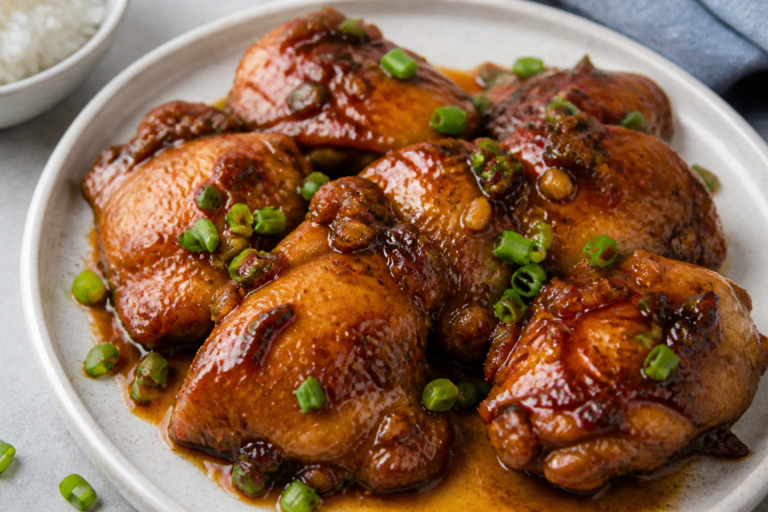
Sweet and Sticky Teriyaki Chicken Thighs – Easy, Saucy, and Crowd-Pleasing
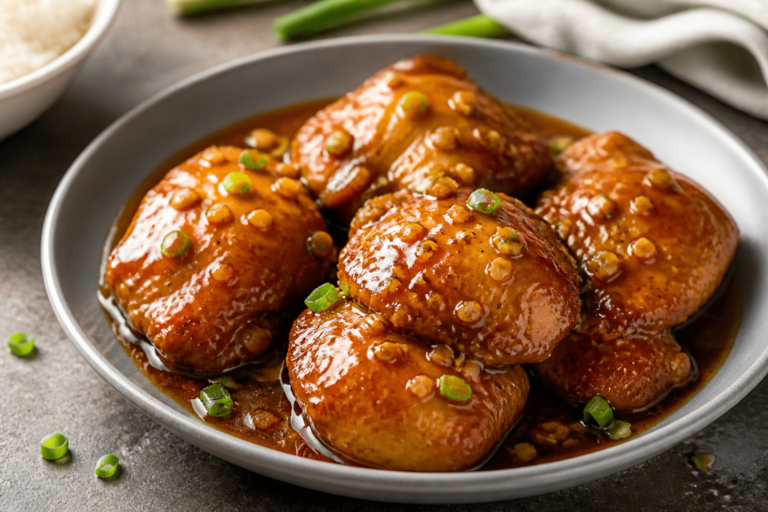
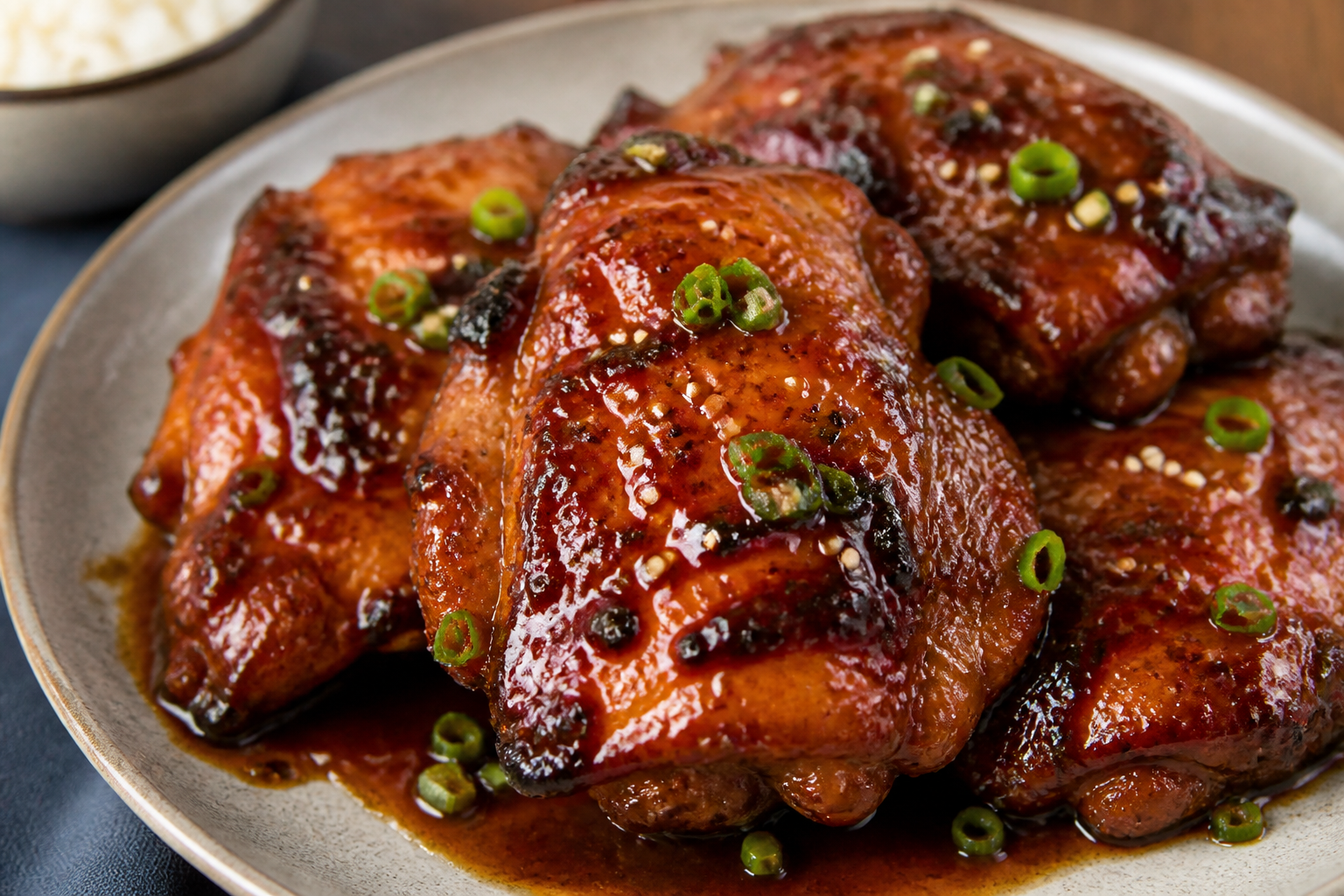
Teriyaki chicken thighs hit that sweet spot between comfort and crave-worthy flavor. You get juicy, tender meat drenched in a glossy sauce that clings to every bite. It’s simple enough for a weeknight but satisfying enough for company.
FREE 7-Day Easy Dinner Reset
Save time, eat healthier, and take the stress out of dinner. Get a full week of easy healthy dinners delivered straight to your inbox.
Serve it with steamed rice and a quick vegetable, and dinner is done. If you love a balance of sweet, salty, garlicky, and a little tang, this recipe will make its way into your regular rotation.
Ingredients
Method
- Prep the chicken: Pat the chicken thighs dry with paper towels and trim excess fat. Cut into large bite-size pieces or leave whole if you prefer. Season lightly with pepper (skip salt for now since soy sauce is salty).
- Make the sauce base: In a bowl, whisk soy sauce, brown sugar, honey, rice vinegar, mirin (if using), minced garlic, grated ginger, and 1/2 cup water. Set aside.
- Heat the pan: Place a large skillet over medium-high heat. Add 1 tablespoon oil. When the oil shimmers, add half the chicken in a single layer. Don’t crowd the pan.
- Brown the chicken: Sear 3–4 minutes per side until nicely browned. Transfer to a plate and repeat with remaining chicken, adding more oil if needed.
- Deglaze and add sauce: Lower heat to medium. Pour the sauce into the pan, scraping up browned bits with a spatula. Return all chicken to the skillet and simmer 4–6 minutes, stirring occasionally.
- Thicken the sauce: Stir cornstarch with 1 tablespoon water to make a slurry. Drizzle into the simmering sauce while stirring. Cook 1–2 more minutes until the sauce turns glossy and coats the chicken. Add sesame oil for aroma.
- Taste and adjust: For more sweetness, add a splash of honey. For more tang, add a bit more vinegar. If too salty, add a tablespoon or two of water and simmer briefly.
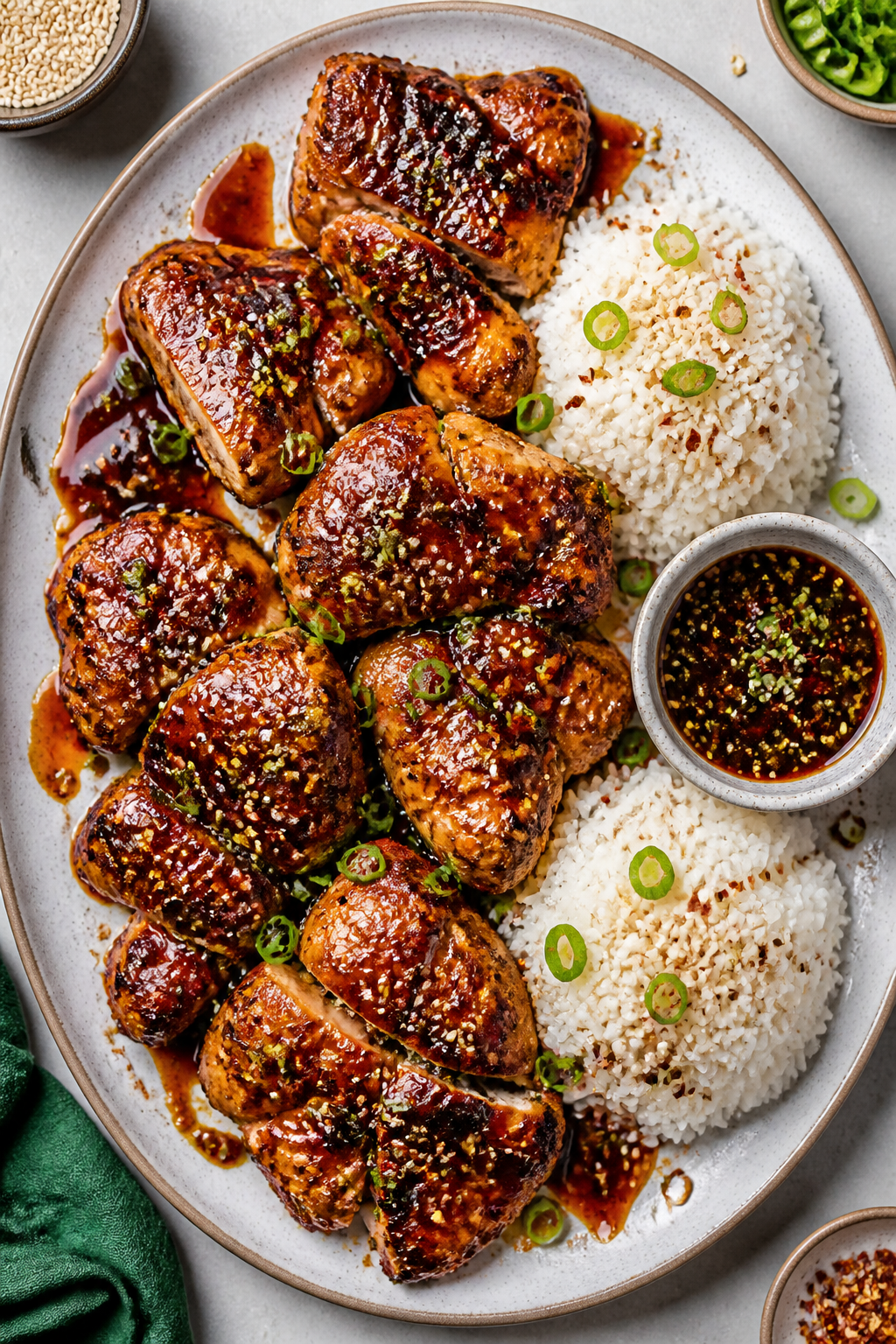
- Garnish and serve: Sprinkle with sesame seeds and scallions. Serve hot over rice with your favorite vegetables. Spoon extra sauce over everything.
Why This Recipe Works
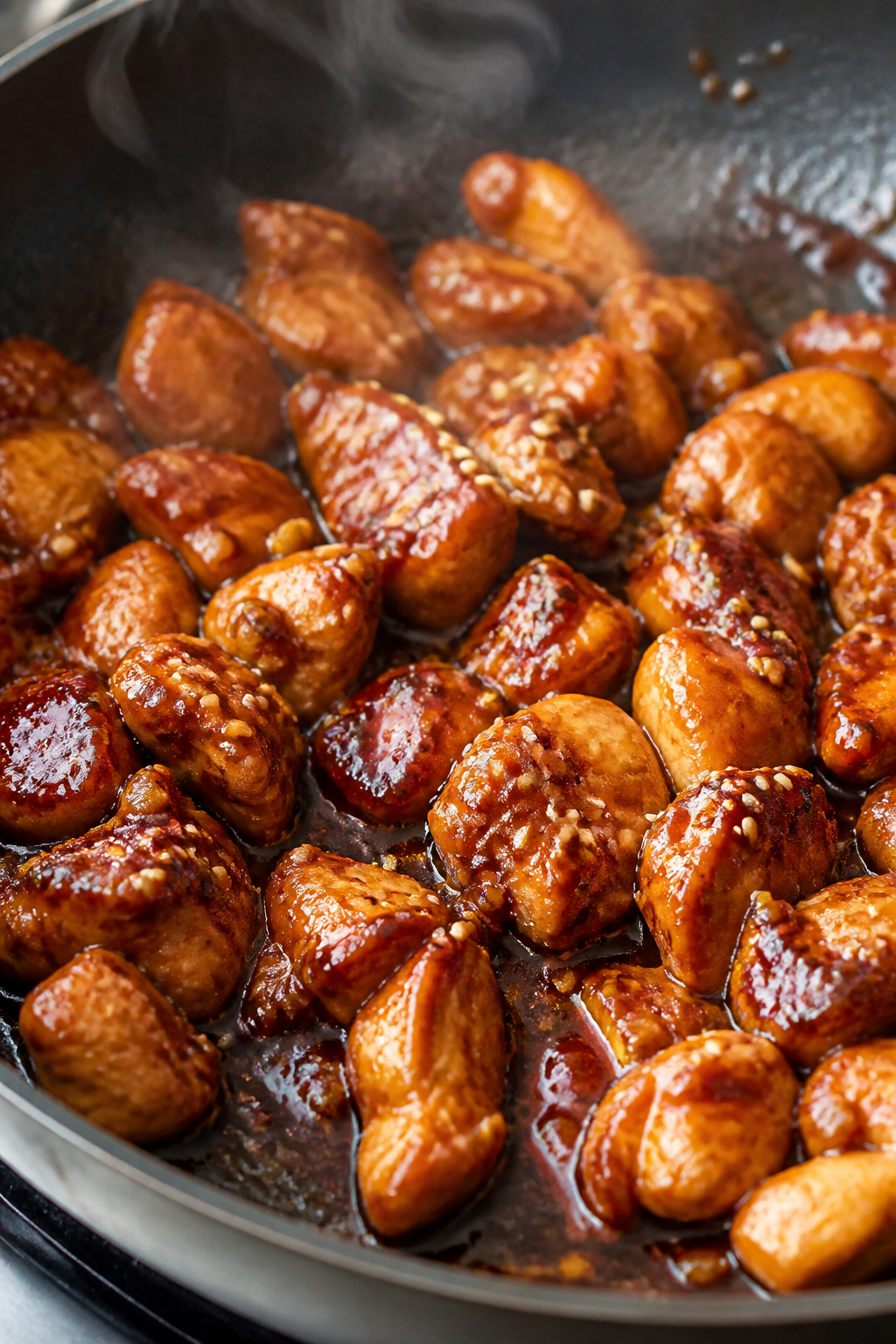
This recipe leans on chicken thighs, which are naturally juicy and hard to overcook, making them ideal for a sticky glaze. The sauce is a classic teriyaki balance: soy sauce for umami, brown sugar and honey for sweetness, rice vinegar for brightness, and ginger and garlic for warmth.
A quick sear creates caramelization and fond (those browned bits) that deepen the sauce’s flavor. Finishing the chicken in the sauce lets it thicken and coat every piece. The result is a glossy, restaurant-style finish without special equipment.
Shopping List
- Boneless, skinless chicken thighs (2 pounds)
- Soy sauce (low-sodium preferred), 1/2 cup
- Brown sugar, 1/3 cup (light or dark)
- Honey, 2 tablespoons
- Rice vinegar, 2 tablespoons (or apple cider vinegar)
- Mirin (optional but great), 2 tablespoons
- Fresh garlic, 3–4 cloves, minced
- Fresh ginger, 1 tablespoon, grated
- Cornstarch, 2 teaspoons (for thickening)
- Water, 1/2 cup, plus 1 tablespoon for slurry
- Neutral oil (canola, avocado, or vegetable), 1–2 tablespoons
- Sesame oil, 1 teaspoon (optional, for aroma)
- Sesame seeds, for garnish
- Scallions, thinly sliced, for garnish
- Cooked white or brown rice, for serving
- Steamed or stir-fried vegetables (broccoli, snap peas, carrots), for serving
Step-by-Step Instructions
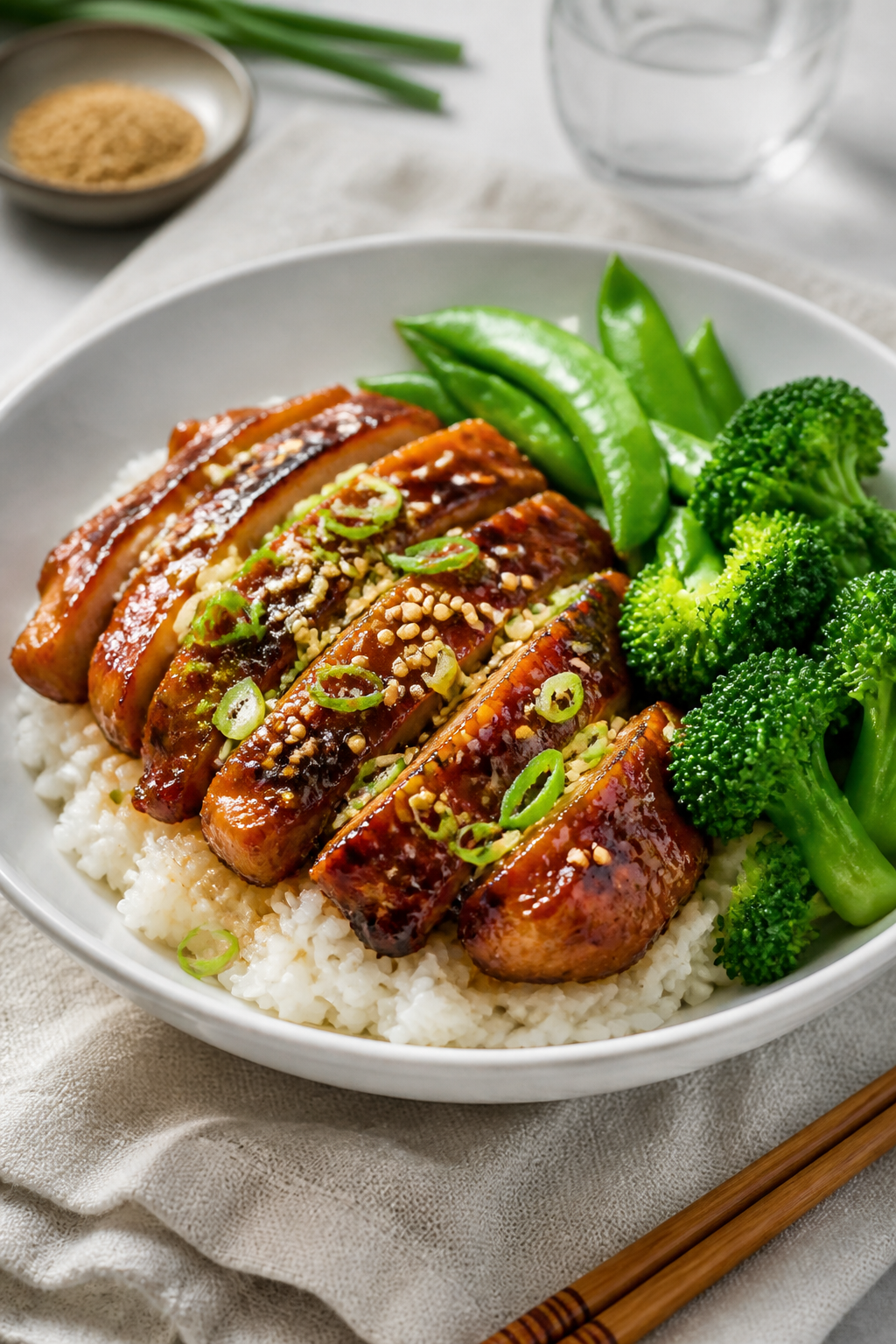
- Prep the chicken: Pat the chicken thighs dry with paper towels and trim excess fat.
Cut into large bite-size pieces or leave whole if you prefer. Season lightly with pepper (skip salt for now since soy sauce is salty).
- Make the sauce base: In a bowl, whisk soy sauce, brown sugar, honey, rice vinegar, mirin (if using), minced garlic, grated ginger, and 1/2 cup water. Set aside.
- Heat the pan: Place a large skillet over medium-high heat.
Add 1 tablespoon oil. When the oil shimmers, add half the chicken in a single layer. Don’t crowd the pan.
- Brown the chicken: Sear 3–4 minutes per side until nicely browned.
Transfer to a plate and repeat with remaining chicken, adding more oil if needed.
- Deglaze and add sauce: Lower heat to medium. Pour the sauce into the pan, scraping up browned bits with a spatula. Return all chicken to the skillet and simmer 4–6 minutes, stirring occasionally.
- Thicken the sauce: Stir cornstarch with 1 tablespoon water to make a slurry.
Drizzle into the simmering sauce while stirring. Cook 1–2 more minutes until the sauce turns glossy and coats the chicken. Add sesame oil for aroma.
- Taste and adjust: For more sweetness, add a splash of honey.
For more tang, add a bit more vinegar. If too salty, add a tablespoon or two of water and simmer briefly.
- Garnish and serve: Sprinkle with sesame seeds and scallions. Serve hot over rice with your favorite vegetables.
Spoon extra sauce over everything.
Storage Instructions
Cool leftovers to room temperature, then store in an airtight container in the fridge for up to 4 days. Reheat gently in a skillet over low heat with a splash of water to loosen the sauce, or microwave in 30-second bursts, stirring in between. For longer storage, freeze in a sealed container or freezer bag for up to 2 months.
Thaw overnight in the fridge before reheating. Cooked rice also freezes well; portion it separately for easy meals.
Why This is Good for You
Chicken thighs offer high-quality protein and iron, keeping you full and energized. Using low-sodium soy sauce and balancing with rice vinegar helps keep the sodium more manageable.
Ginger and garlic bring antioxidants and anti-inflammatory compounds, adding flavor without extra fat. Paired with steamed vegetables and brown rice, this dish becomes a balanced plate with protein, fiber, and complex carbs that support steady energy.
Common Mistakes to Avoid
- Crowding the pan: Overloading the skillet steams the chicken instead of browning it. Cook in batches for the best sear and flavor.
- Skipping the slurry: Adding dry cornstarch to hot liquid causes lumps.
Always mix cornstarch with cold water first, then add slowly while stirring.
- Using high heat after adding sauce: The sugars can burn quickly. Lower the heat to a steady simmer once the sauce is in.
- Over-reducing: If the sauce gets too thick or salty, splash in water and stir to loosen and rebalance.
- Underseasoning at the end: Taste and adjust. A small dash of vinegar or honey at the finish can sharpen the flavor.
Alternatives
- Protein swaps: Use boneless, skinless chicken breasts (cut into chunks), pork tenderloin slices, firm tofu, or shrimp.
For tofu, press and pan-fry until crisp before saucing. For shrimp, cook quickly and add the sauce at the end to avoid overcooking.
- Gluten-free option: Replace soy sauce with tamari or certified gluten-free soy sauce. Check labels on vinegar and other condiments to be sure.
- Lower sugar version: Reduce brown sugar to 2 tablespoons and skip honey, then add a little more mirin or a splash of orange juice for balance.
Simmer slightly longer to concentrate flavors.
- No mirin on hand: Add 1–2 teaspoons extra honey plus 1 teaspoon rice vinegar to mimic the sweet-savory note.
- Spicy kick: Stir in red pepper flakes, a squirt of sriracha, or a teaspoon of gochujang with the sauce.
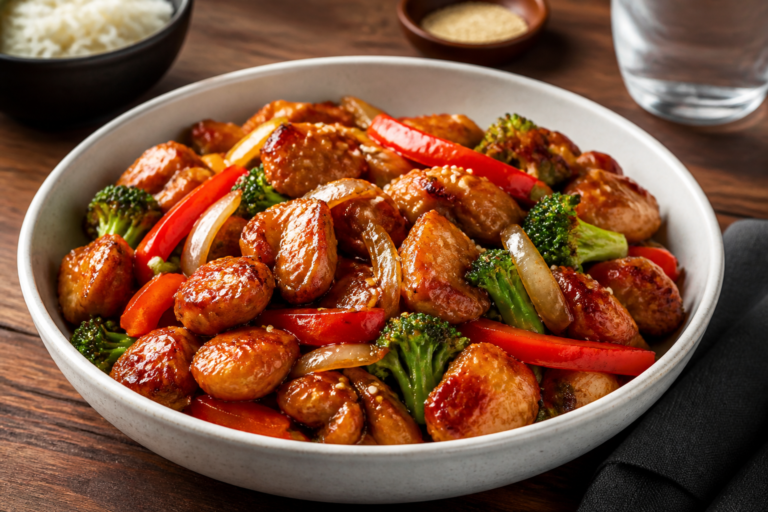
- Vegetable add-ins: Toss in bell peppers, mushrooms, or snap peas during the last few minutes of simmering for extra color and crunch.
Need More Easy Dinner Ideas?
Get my FREE 7-Day Easy Dinner Reset and enjoy a full week of healthy dinners without the meal-planning stress.
FAQ
Can I bake the chicken instead of pan-searing?
Yes. Bake seasoned chicken thighs at 425°F (220°C) for 18–22 minutes until cooked through, then simmer the sauce separately on the stovetop. Toss the baked chicken in the thickened sauce before serving.
You’ll lose some sear but still get great flavor.
How do I know when the chicken is done?
Use an instant-read thermometer. The internal temperature should reach 165°F (74°C). If you cut into a piece, the juices should run clear and the meat should be opaque and tender.
Can I make the sauce ahead?
Absolutely.
Mix the sauce ingredients (without the cornstarch slurry) up to 3 days in advance and keep it chilled. Add the slurry while simmering to thicken just before serving.
What’s the best rice to serve with this?
Short-grain white rice or jasmine rice complements the sticky sauce perfectly. Brown rice or cauliflower rice also work if you want more fiber or fewer carbs.
Warm rice helps soak up the glaze.
Why is my sauce not thickening?
Either the slurry wasn’t added to a gentle simmer, or the ratio was off. Make sure the sauce is bubbling lightly, then add 2 teaspoons cornstarch mixed with 1 tablespoon cold water, stirring constantly. If still thin, add another small slurry and simmer a bit longer.
Can I use frozen chicken?
Yes, but thaw completely in the fridge first for even cooking and proper searing.
Pat dry thoroughly before seasoning to help the chicken brown.
How do I keep the sauce from being too salty?
Start with low-sodium soy sauce and taste as you go. If it leans salty, balance with a touch of honey, a splash of water, or a squeeze of citrus. Serving with plain rice also mellows the overall saltiness.
Wrapping Up
Sweet and Sticky Teriyaki Chicken Thighs deliver big flavor with minimal fuss.
A quick sear, a balanced sauce, and a short simmer produce a glossy, crowd-pleasing dish that works any night of the week. Keep the pantry staples on hand and you’re never far from a satisfying, restaurant-style meal at home. Pair it with rice and veggies, garnish with scallions and sesame seeds, and you’ve got a simple dinner that tastes like a treat.
Printable Recipe Card
Want just the essential recipe details without scrolling through the article? Get our printable recipe card with just the ingredients and instructions.
Loved This Recipe?
If you're looking for more simple, healthy dinners your family will actually eat, grab my FREE 7-Day Easy Dinner Reset. You'll get 7 easy dinner recipes, simple grocery lists, and a done-for-you plan that takes the stress out of mealtime.