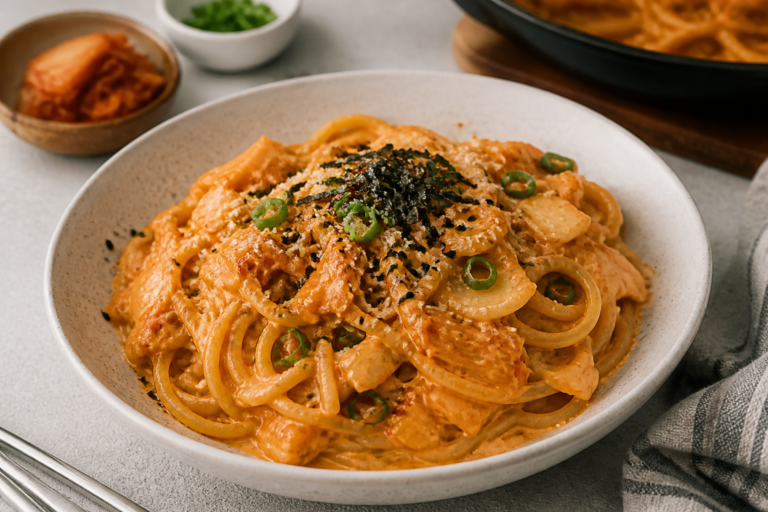
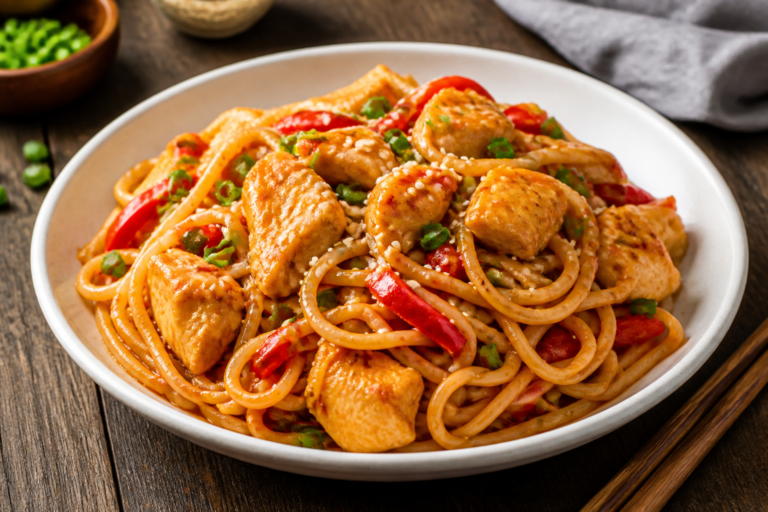
Spicy Korean Beef Glass Noodles – A Bold, Savory Stir-Fry You’ll Crave
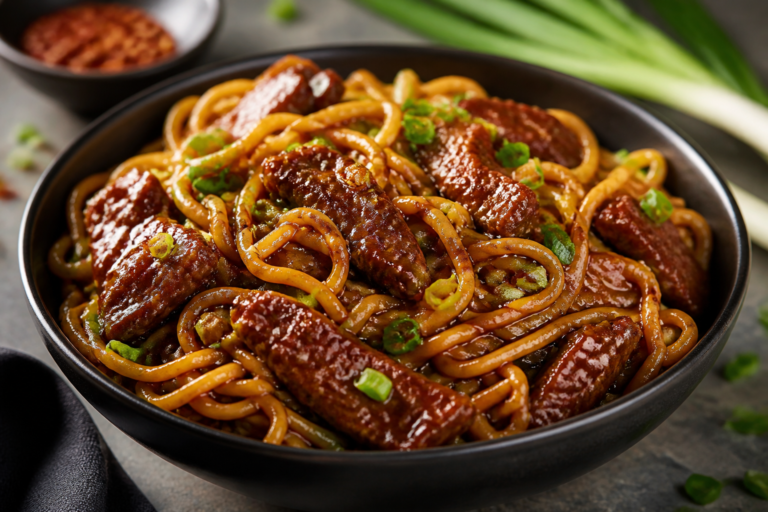
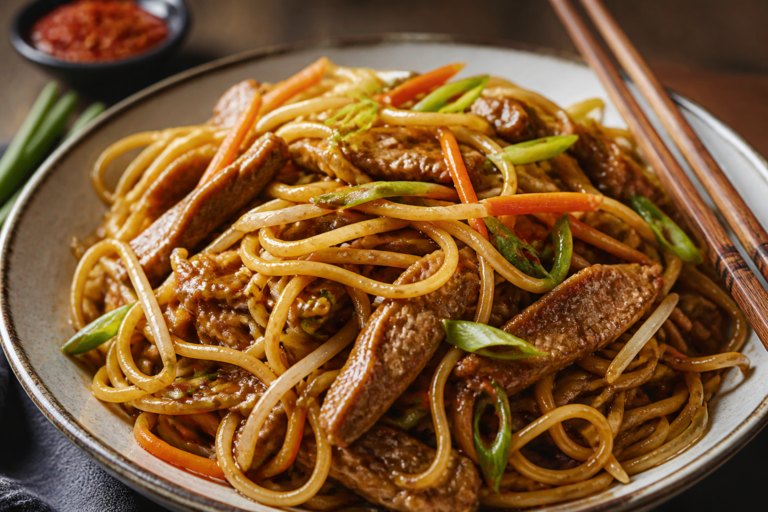
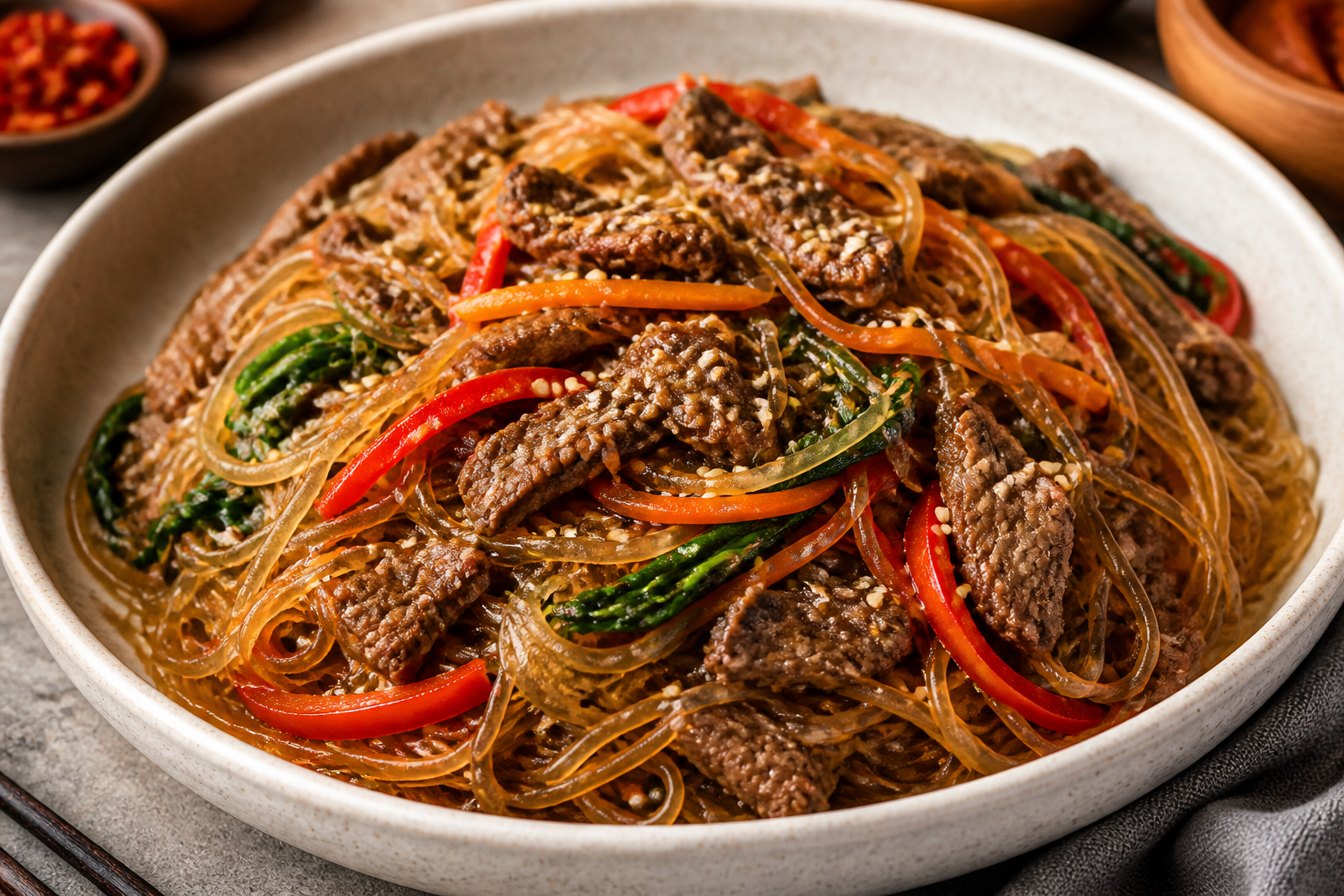
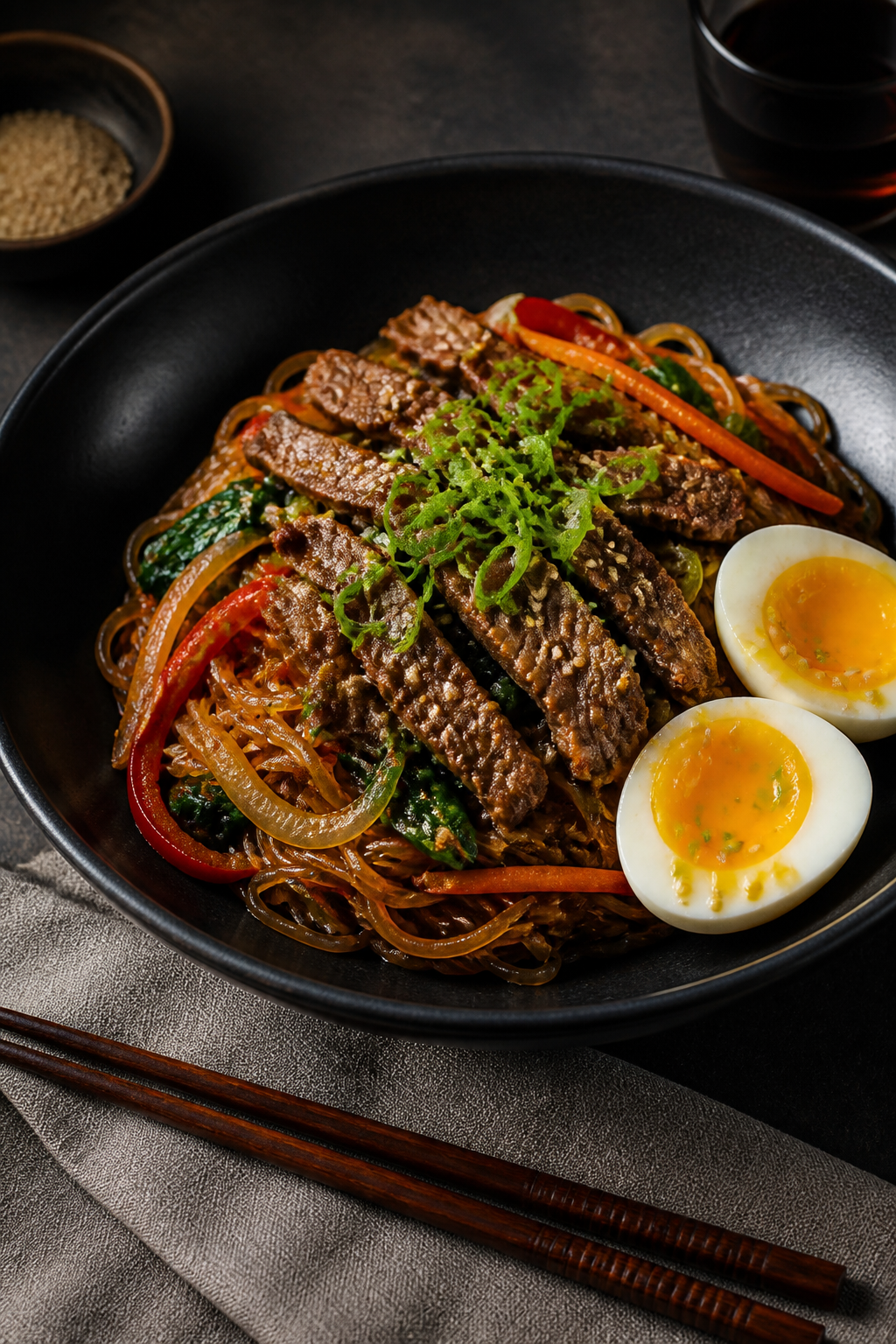
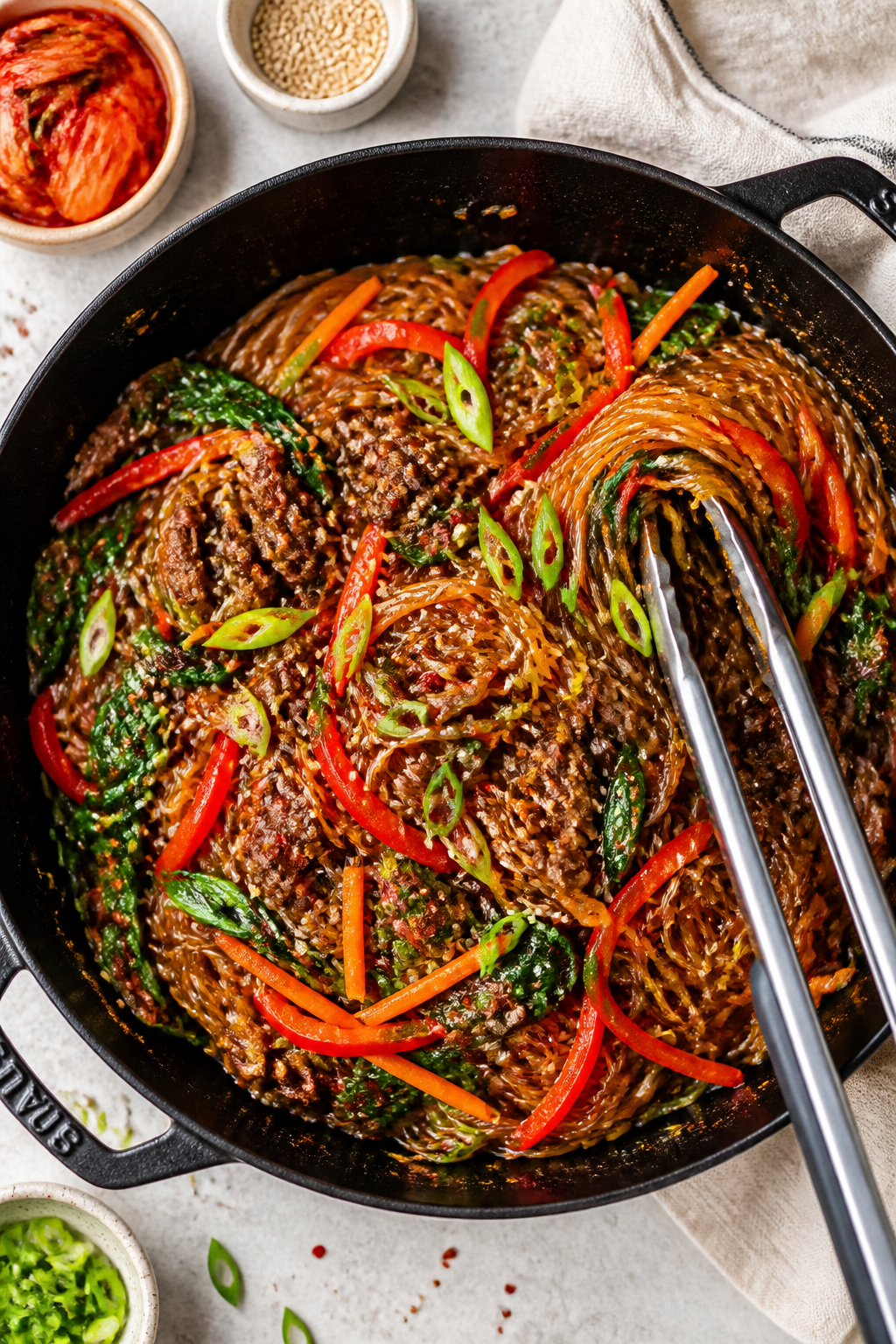
If you love a satisfying noodle dish with big flavor and a bit of heat, these Spicy Korean Beef Glass Noodles will hit the spot. Chewy glass noodles soak up a rich, garlicky sauce with gochujang, soy, and sesame. Thin-sliced beef adds savory depth, while crisp vegetables keep everything bright and fresh.
FREE 7-Day Easy Dinner Reset
Save time, eat healthier, and take the stress out of dinner. Get a full week of easy healthy dinners delivered straight to your inbox.
It’s weeknight-friendly, but impressive enough for guests. Best of all, you can adjust the spice and veggies to match your mood.
Ingredients
Method
- Soak or cook the noodles: Check the package. Many glass noodles soften in hot water for 10–15 minutes. Others need a brief boil. You want them pliable but still a bit firm. Drain and rinse under cold water to stop cooking. Toss with a splash of sesame oil to prevent sticking.
- Slice the beef thin: Freeze the beef for 15–20 minutes to firm it up. Slice against the grain into thin strips. This ensures tenderness and quick cooking.
- Make the sauce: In a bowl, whisk 4 tablespoons soy sauce, gochujang, brown sugar or honey, rice vinegar, sesame oil, black pepper, and cornstarch (if using). Taste and adjust. Add gochugaru if you want more heat, or a touch more sugar for balance.
- Marinate the beef: In a separate small bowl, toss the beef with 1 tablespoon soy sauce, half the garlic, and half the ginger. Let it sit while you prepare the vegetables, 10–15 minutes.
- Prep the vegetables: Slice the onion, bell pepper, and carrot thin so they cook quickly. Rinse and drain the spinach. Slice the scallions and set aside the green tops for garnish.
- Stir-fry the beef: Heat a large skillet or wok over medium-high. Add 1 tablespoon neutral oil. Spread the beef in a single layer and sear 1–2 minutes per side until just cooked. Remove to a plate. Don’t overcook—it will return to the pan later.
- Sauté aromatics and veggies: Add another 1 tablespoon oil. Stir in the remaining garlic and ginger for 20–30 seconds until fragrant. Add onion, carrot, and bell pepper. Stir-fry 3–4 minutes until crisp-tender. If using mushrooms, add them with the onion.
- Add noodles and sauce: Reduce heat to medium. Add the drained noodles and pour the sauce over top. Toss gently with tongs for 1–2 minutes until the noodles are glossy and evenly coated.
- Finish with beef and greens: Return the beef and any juices to the pan. Add spinach. Toss until spinach wilts and everything is hot, about 1–2 minutes. If it looks dry, splash in 1–2 tablespoons water or a bit more soy sauce.
- Garnish and serve: Turn off the heat. Drizzle with a little sesame oil. Top with scallions and sesame seeds. Serve hot, with kimchi or a fried egg if you like.
What Makes This Special
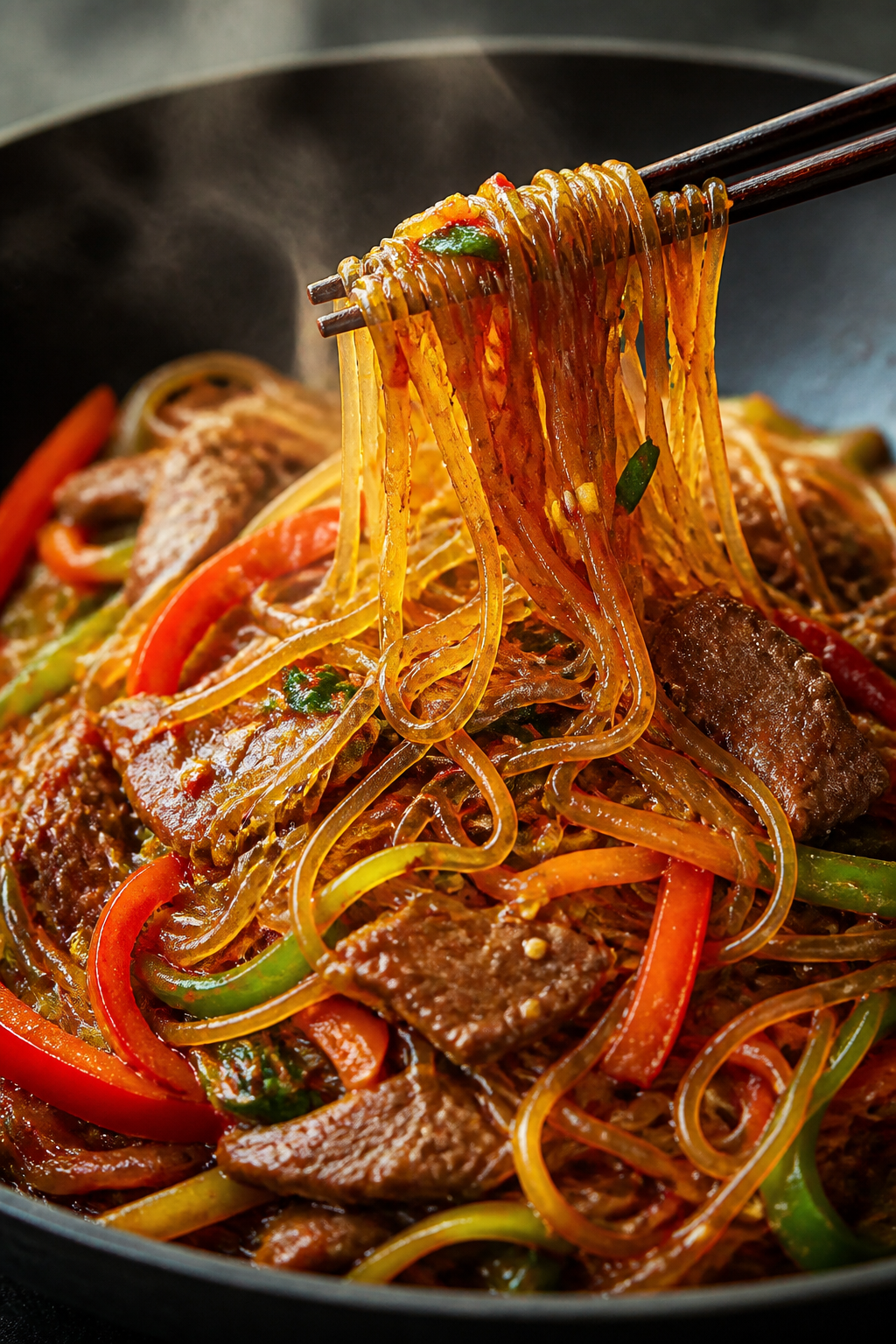
This dish builds flavor in layers. First, the noodles absorb a punchy sauce that balances sweet, spicy, and umami.
Then, quick-cooked beef brings tenderness and richness without weighing the dish down.
Unlike many stir-fries, glass noodles (dangmyeon) give you a unique, bouncy texture. They stay silky and springy, even after reheating. The final drizzle of sesame oil, plus a shower of scallions and sesame seeds, brightens the whole bowl.
It’s inspired by Korean stir-fried noodle dishes like japchae, but leans spicier and a touch saucier.
Think comfort food with a kick.
Shopping List
- Glass noodles (dangmyeon): 8 ounces (sweet potato starch noodles)
- Beef: 12 ounces flank steak, sirloin, or ribeye, thinly sliced against the grain
- Neutral oil: Avocado, canola, or grapeseed
- Garlic: 4 cloves, minced
- Ginger: 1 tablespoon, finely grated
- Yellow onion: 1 small, thinly sliced
- Carrot: 1 medium, julienned
- Bell pepper: 1 red, thinly sliced
- Spinach: 2 cups, loosely packed (or baby spinach)
- Scallions: 3, thinly sliced
- Sesame seeds: 1 tablespoon, toasted
For the sauce and marinade:
- Soy sauce: 5 tablespoons, divided
- Gochujang (Korean chili paste): 2–3 tablespoons, to taste
- Gochugaru (Korean chili flakes): 1 teaspoon (optional for extra heat)
- Brown sugar or honey: 1.5 tablespoons
- Rice vinegar: 1 tablespoon
- Sesame oil: 2 teaspoons, plus more to finish
- Black pepper: 1/2 teaspoon
- Cornstarch: 1 teaspoon (optional, for slightly thicker sauce)
Optional add-ins:
- Mushrooms (shiitake or cremini), thinly sliced
- Bean sprouts
- Fried egg or soft-boiled egg, for serving
- Kimchi, on the side
Instructions
- Soak or cook the noodles: Check the package. Many glass noodles soften in hot water for 10–15 minutes. Others need a brief boil.
You want them pliable but still a bit firm. Drain and rinse under cold water to stop cooking. Toss with a splash of sesame oil to prevent sticking.
- Slice the beef thin: Freeze the beef for 15–20 minutes to firm it up.
Slice against the grain into thin strips. This ensures tenderness and quick cooking.
- Make the sauce: In a bowl, whisk 4 tablespoons soy sauce, gochujang, brown sugar or honey, rice vinegar, sesame oil, black pepper, and cornstarch (if using). Taste and adjust.
Add gochugaru if you want more heat, or a touch more sugar for balance.
- Marinate the beef: In a separate small bowl, toss the beef with 1 tablespoon soy sauce, half the garlic, and half the ginger. Let it sit while you prepare the vegetables, 10–15 minutes.
- Prep the vegetables: Slice the onion, bell pepper, and carrot thin so they cook quickly. Rinse and drain the spinach.
Slice the scallions and set aside the green tops for garnish.
- Stir-fry the beef: Heat a large skillet or wok over medium-high. Add 1 tablespoon neutral oil. Spread the beef in a single layer and sear 1–2 minutes per side until just cooked.
Remove to a plate. Don’t overcook—it will return to the pan later.
- Sauté aromatics and veggies: Add another 1 tablespoon oil. Stir in the remaining garlic and ginger for 20–30 seconds until fragrant.
Add onion, carrot, and bell pepper. Stir-fry 3–4 minutes until crisp-tender. If using mushrooms, add them with the onion.
- Add noodles and sauce: Reduce heat to medium.
Add the drained noodles and pour the sauce over top. Toss gently with tongs for 1–2 minutes until the noodles are glossy and evenly coated.
- Finish with beef and greens: Return the beef and any juices to the pan. Add spinach.
Toss until spinach wilts and everything is hot, about 1–2 minutes. If it looks dry, splash in 1–2 tablespoons water or a bit more soy sauce.
- Garnish and serve: Turn off the heat. Drizzle with a little sesame oil.
Top with scallions and sesame seeds. Serve hot, with kimchi or a fried egg if you like.
Storage Instructions
Store leftovers in an airtight container in the fridge for up to 3 days. Reheat gently in a skillet over medium heat with a splash of water to loosen the noodles.
Microwaving works too, but stop and stir halfway for even heating.
Glass noodles tend to absorb sauce as they sit. If the noodles feel dry after chilling, add a bit more soy sauce and sesame oil when reheating. Avoid freezing; the texture of the noodles suffers once thawed.
Health Benefits
- Lean protein: Thin-sliced beef offers iron, B12, and satisfying protein that pairs well with veggies.
- Vegetable variety: Onions, peppers, carrots, and spinach bring fiber, vitamin C, beta-carotene, and folate.
- Balanced heat: Gochujang contains capsaicin, which may support metabolism and add flavor without heavy oils.
- Gluten-flexible: Glass noodles are naturally gluten-free, and you can use gluten-free tamari to keep the dish fully GF.
Common Mistakes to Avoid
- Overcooking the noodles: They should be just tender.
Overcooked glass noodles turn mushy and break apart.
- Skipping the quick beef marinade: Even 10 minutes boosts flavor and tenderness.
- Overcrowding the pan: Cook the beef in a single layer for proper sear. If your pan is small, work in batches.
- Under-seasoning: Taste and adjust before serving. A touch more soy, vinegar, or sesame oil can balance the dish.
- Forgetting moisture: If the noodles look dry, add a splash of water or broth to help the sauce coat evenly.
Recipe Variations
- Chicken or tofu: Swap beef for thin-sliced chicken thighs or extra-firm tofu.
Marinate and cook the same way.
- Mushroom-forward: Use a mix of shiitake, oyster, and cremini for a hearty, earthy version.
- Extra spicy: Double the gochujang, add more gochugaru, and finish with chili crisp.
- Sweet-savory: Add 1 more tablespoon brown sugar or a splash of mirin for a gentler heat.
- Veggie boost: Add broccoli florets, snow peas, or zucchini. Keep the cuts thin for quick cooking.
- Egg on top: A jammy soft-boiled egg or runny fried egg adds richness and a silky sauce once you break the yolk.
Need More Easy Dinner Ideas?
Get my FREE 7-Day Easy Dinner Reset and enjoy a full week of healthy dinners without the meal-planning stress.
FAQ
What are glass noodles made from?
Most Korean glass noodles (dangmyeon) are made from sweet potato starch and water. They’re translucent, bouncy, and naturally gluten-free.
Can I use regular spaghetti or rice noodles instead?
You can, but the texture will be different.
Rice noodles are the closest swap, though they won’t have the same springy chew as glass noodles.
How spicy is this recipe?
Medium heat as written. For mild, use 1 tablespoon gochujang and skip gochugaru. For hot, go up to 3 tablespoons gochujang and keep the flakes.
Do I need a wok?
No.
A large skillet works well. Just preheat it properly and avoid crowding to keep everything sizzling instead of steaming.
How do I slice beef thinly without shredding it?
Partially freeze the meat for 15–20 minutes, then use a sharp knife to slice against the grain. Aim for thin, even slices so they cook quickly and stay tender.
Can I make this ahead?
You can prep the sauce, slice the vegetables, and marinate the beef a few hours in advance.
Cook just before serving to keep the noodles springy and the vegetables crisp.
What can I use instead of gochujang?
You’ll miss some depth, but a mix of chili paste and a bit of miso or soy sauce can approximate the flavor. Add a touch of sugar to balance heat and umami.
How do I keep noodles from clumping?
Rinse them in cold water after cooking and toss with a little sesame oil. When adding to the pan, use tongs to separate and coat with sauce right away.
Is this dish kid-friendly?
Yes, if you dial back the spice.
Start with 1 tablespoon gochujang and skip chili flakes. Offer extra sauce on the side for adults.
What should I serve with it?
Kimchi, quick-pickled cucumbers, or a crisp salad. If you want more protein, top with a fried egg or add tofu cubes.
Final Thoughts
Spicy Korean Beef Glass Noodles deliver comfort, heat, and texture in one pan.
With a simple sauce and fast-cooking ingredients, it’s a reliable weeknight favorite. Keep the method the same and swap proteins or vegetables based on what you have. Once you make it a couple of times, you’ll have your own perfect balance of sweet, spicy, and savory.
It’s the kind of dish that turns a regular night into something a little special.
Printable Recipe Card
Want just the essential recipe details without scrolling through the article? Get our printable recipe card with just the ingredients and instructions.
Loved This Recipe?
If you're looking for more simple, healthy dinners your family will actually eat, grab my FREE 7-Day Easy Dinner Reset. You'll get 7 easy dinner recipes, simple grocery lists, and a done-for-you plan that takes the stress out of mealtime.