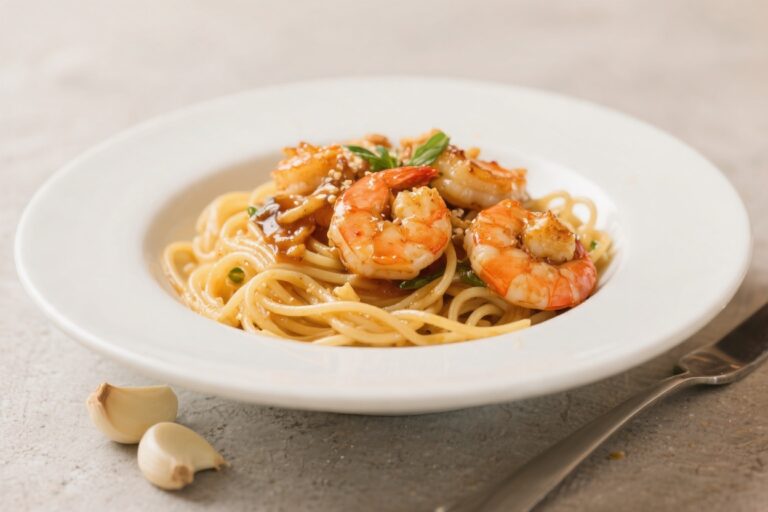
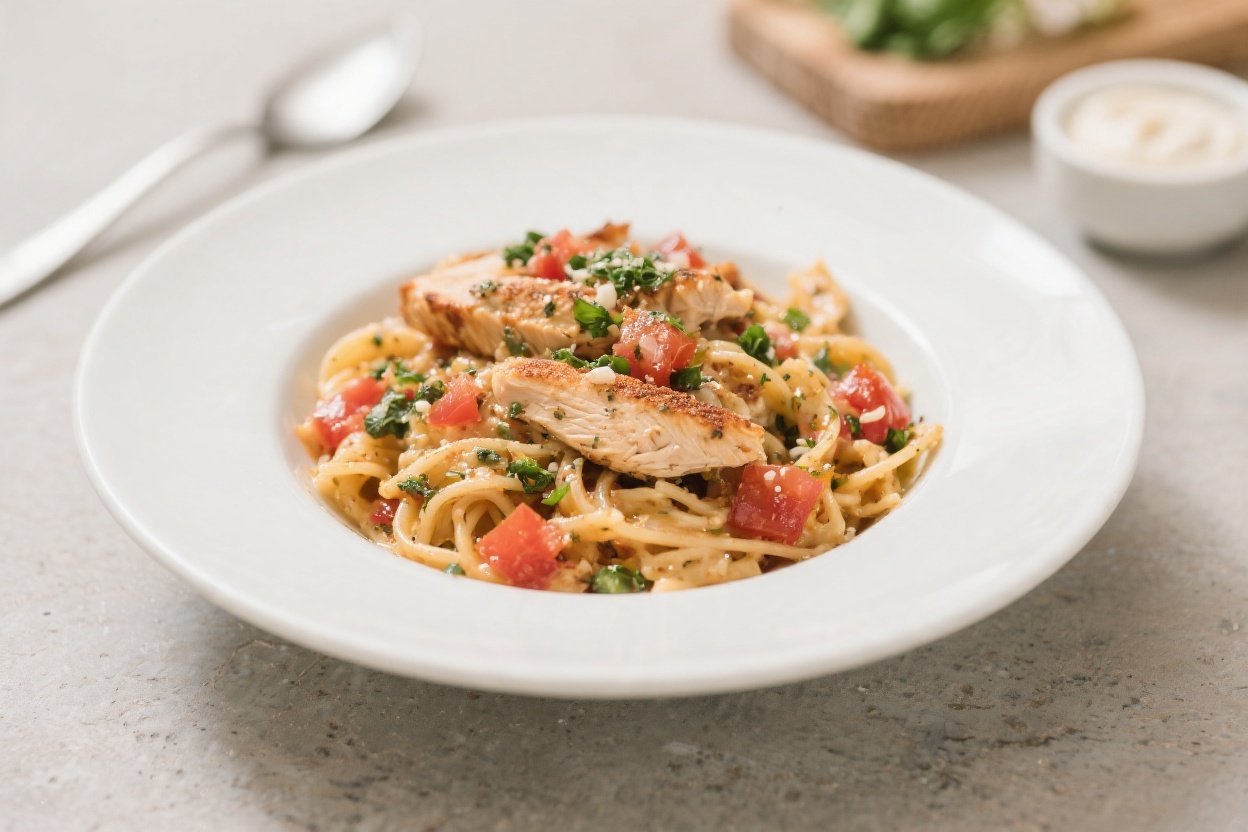
Healthy Bruschetta Chicken Pasta – Fresh, Bright, and Satisfying
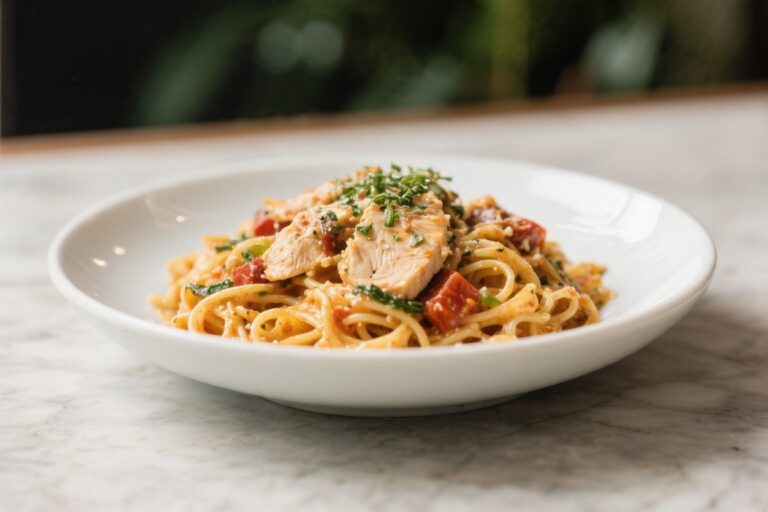
Bruschetta isn’t just for toast. This pasta brings all the fresh tomato, basil, and garlic goodness into a light, satisfying dinner that tastes like summer. It’s quick enough for a weeknight but special enough for guests.
FREE 7-Day Easy Dinner Reset
Save time, eat healthier, and take the stress out of dinner. Get a full week of easy healthy dinners delivered straight to your inbox.
You’ll get juicy, seasoned chicken, tender pasta, and a bright tomato topping that pulls everything together. It’s simple, colorful, and full of real, clean flavor.
Ingredients
Method
- Make the bruschetta topping. In a medium bowl, combine the tomatoes, basil, garlic, red onion (if using), balsamic vinegar, 1 tablespoon olive oil, a big pinch of salt, and black pepper. Stir gently and let it marinate while you cook. This builds flavor and a light, juicy sauce.
- Cook the pasta. Bring a large pot of salted water to a boil. Cook pasta until just al dente. Reserve 1 cup of pasta water, then drain. Toss the pasta with a teaspoon of olive oil to prevent sticking.
- Season the chicken. Pat the chicken dry. Season with 1/2 teaspoon salt, 1/2 teaspoon black pepper, and lemon zest. Add a pinch of red pepper flakes if you like heat.
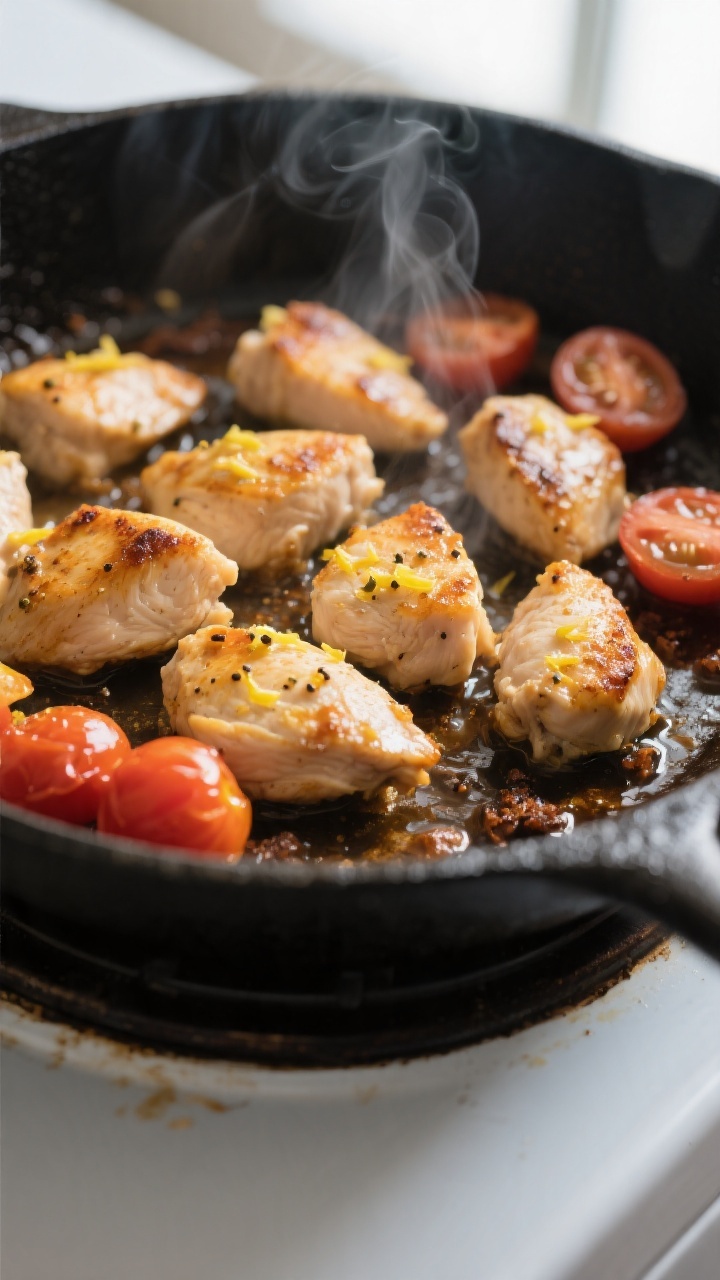
- Sear the chicken. Heat 1 tablespoon olive oil in a large skillet over medium-high. Add the chicken in a single layer. Cook 4–6 minutes, stirring just once or twice, until browned and cooked through. Transfer to a plate and cover loosely.
- Deglaze the pan. Lower the heat to medium. Add a splash of the reserved pasta water and scrape up any browned bits. This adds deep, savory flavor to the pasta.
- Combine with pasta. Add the drained pasta and cooked chicken to the skillet. Pour in half the bruschetta topping and a splash more pasta water. Toss over low heat for 1–2 minutes to warm through without cooking the fresh tomatoes down.
- Brighten and finish. Remove from heat. Stir in lemon juice and Parmesan. Add more bruschetta topping to taste, keeping some fresh and uncooked for contrast. If the pasta looks dry, add another splash of pasta water and a drizzle of olive oil.
- Taste and adjust. Season with more salt, pepper, or balsamic as needed. Garnish with extra basil and a sprinkle of Parmesan. Serve warm with any remaining bruschetta spooned over the top.
What Makes This Special
This dish keeps the spirit of classic bruschetta—ripe tomatoes, basil, garlic, olive oil, a hit of balsamic—without feeling heavy. Instead of cream or butter, it leans on fresh ingredients and a lively sauce that forms right in the pan.
The chicken is seared for flavor, then tossed with the pasta and a generous scoop of the bruschetta mix. It’s a great way to eat pasta that still feels light and balanced. Best of all, it comes together with pantry staples and a handful of fresh produce.
What You’ll Need
- Pasta: 12 ounces whole-wheat or chickpea pasta (penne, rotini, or spaghetti)
- Chicken: 1 to 1.25 pounds boneless, skinless chicken breasts (or thighs), cut into bite-size pieces
- Olive oil: 2–3 tablespoons, divided
- Cherry or grape tomatoes: 3 cups, halved (or 4 ripe Roma tomatoes, diced)
- Fresh basil: 1 packed cup, sliced (plus extra for garnish)
- Garlic: 3–4 cloves, finely minced
- Balsamic vinegar: 1.5–2 tablespoons
- Red onion or shallot: 1/4 cup, finely minced (optional, for a gentle bite)
- Parmesan: 1/4 cup freshly grated, plus more to taste
- Lemon: Zest and juice of 1/2 lemon
- Crushed red pepper flakes: A pinch (optional)
- Salt and black pepper: To taste
- Optional add-ins: A handful of baby spinach, diced fresh mozzarella, or chopped olives
Instructions
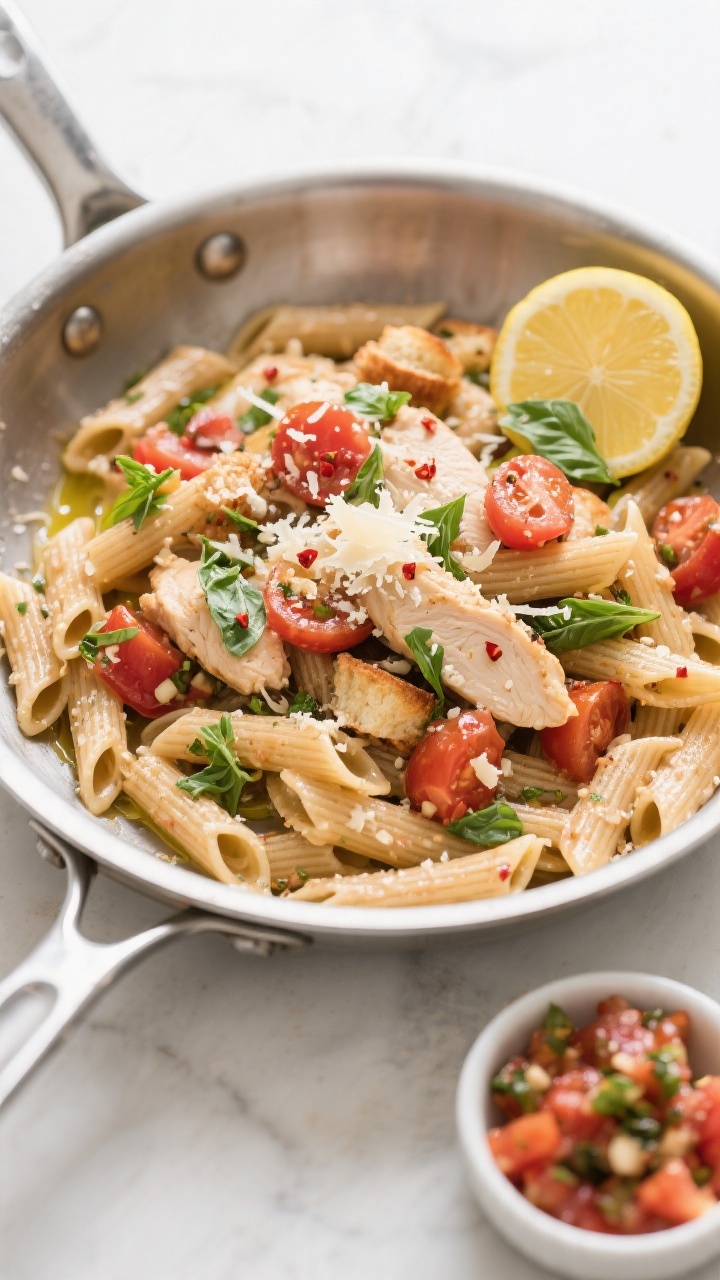
- Make the bruschetta topping. In a medium bowl, combine the tomatoes, basil, garlic, red onion (if using), balsamic vinegar, 1 tablespoon olive oil, a big pinch of salt, and black pepper.
Stir gently and let it marinate while you cook. This builds flavor and a light, juicy sauce.
- Cook the pasta. Bring a large pot of salted water to a boil. Cook pasta until just al dente. Reserve 1 cup of pasta water, then drain.
Toss the pasta with a teaspoon of olive oil to prevent sticking.
- Season the chicken. Pat the chicken dry. Season with 1/2 teaspoon salt, 1/2 teaspoon black pepper, and lemon zest. Add a pinch of red pepper flakes if you like heat.
- Sear the chicken. Heat 1 tablespoon olive oil in a large skillet over medium-high.
Add the chicken in a single layer. Cook 4–6 minutes, stirring just once or twice, until browned and cooked through. Transfer to a plate and cover loosely.
- Deglaze the pan. Lower the heat to medium.
Add a splash of the reserved pasta water and scrape up any browned bits. This adds deep, savory flavor to the pasta.
- Combine with pasta. Add the drained pasta and cooked chicken to the skillet. Pour in half the bruschetta topping and a splash more pasta water.
Toss over low heat for 1–2 minutes to warm through without cooking the fresh tomatoes down.
- Brighten and finish. Remove from heat. Stir in lemon juice and Parmesan. Add more bruschetta topping to taste, keeping some fresh and uncooked for contrast.
If the pasta looks dry, add another splash of pasta water and a drizzle of olive oil.
- Taste and adjust. Season with more salt, pepper, or balsamic as needed. Garnish with extra basil and a sprinkle of Parmesan. Serve warm with any remaining bruschetta spooned over the top.
Storage Instructions
- Refrigerate: Store leftovers in an airtight container for up to 3 days.
Keep extra bruschetta topping in a separate container if possible, then spoon it on fresh after reheating.
- Reheat: Warm gently on the stovetop with a splash of water or broth to loosen the sauce. Avoid high heat to keep the chicken tender.
- Freezing: Not ideal due to the fresh tomato and basil. If you do freeze, skip the bruschetta topping and add it fresh after thawing and reheating.
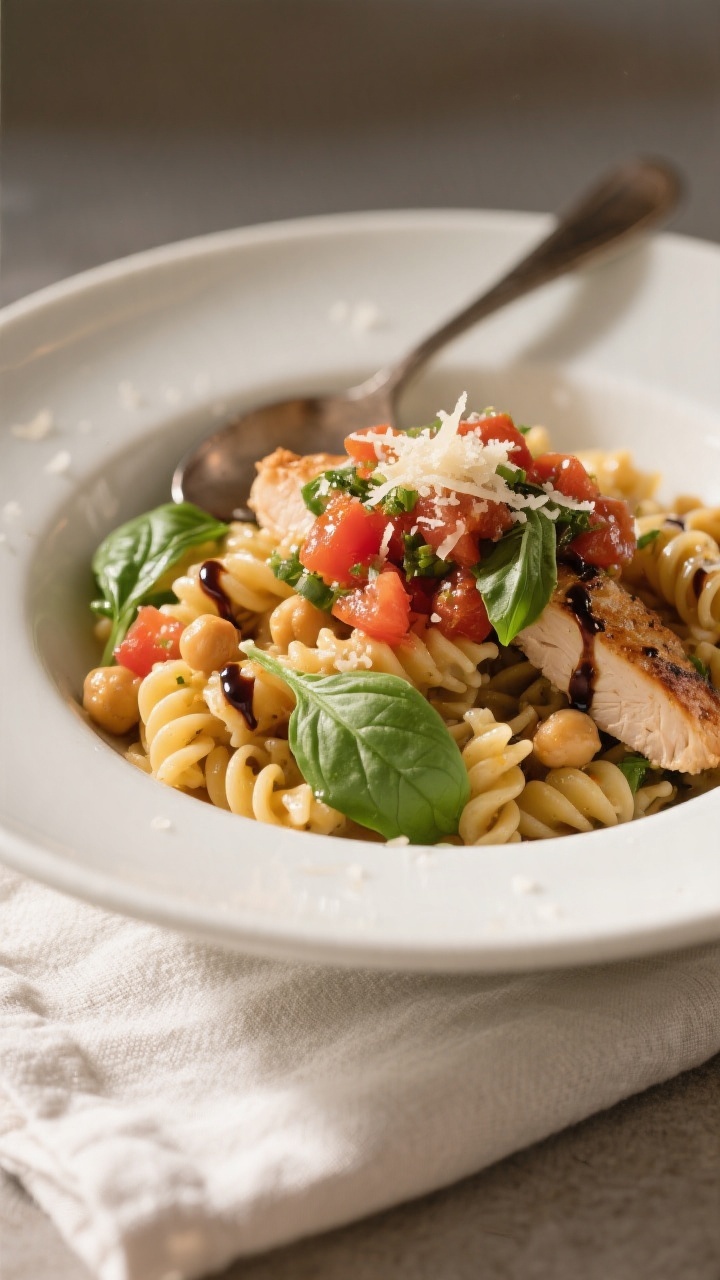
Health Benefits
- Lean protein: Chicken breast offers high-quality protein with less saturated fat, supporting muscle health and steady energy.
- Whole grains or legumes: Whole-wheat or chickpea pasta adds fiber, which supports digestion, heart health, and better fullness between meals.
- Antioxidants: Tomatoes and basil deliver vitamins C, K, and plant antioxidants like lycopene that support immune and heart health.
- Healthy fats: Extra-virgin olive oil brings monounsaturated fats that support heart health and help absorb fat-soluble vitamins.
- Lower sodium control: Seasoning at home lets you manage salt.
Bright acids (lemon and balsamic) help you use less salt without losing flavor.
Pitfalls to Watch Out For
- Overcooking chicken: Dry chicken can sink the dish. Sear hot and fast, and pull it as soon as it’s cooked through.
- Skipping the pasta water: That starchy liquid helps the sauce cling and stay silky. Keep at least a cup before draining.
- Cooking the tomato mix too long: The freshness is the point.
Warm it briefly to mingle flavors, but don’t stew it.
- Under-seasoning: Fresh ingredients shine with proper salt and acid. Taste at the end and adjust with salt, lemon, or balsamic.
- Using bland tomatoes: If your tomatoes aren’t great, roast them briefly or add a pinch of sugar and extra balsamic to boost flavor.
Variations You Can Try
- Caprese twist: Add diced fresh mozzarella and a few extra basil leaves right before serving.
- Spinach upgrade: Wilt a few cups of baby spinach into the hot pasta for extra greens.
- Grilled chicken: Grill marinated chicken breasts for smoky flavor, then slice and toss with the pasta.
- Seafood swap: Use shrimp instead of chicken. Sear quickly until just pink, then proceed with the recipe.
- Gluten-free: Choose a certified gluten-free pasta like brown rice or chickpea.
- Dairy-free: Skip Parmesan or use a dairy-free alternative; add toasted pine nuts for nutty richness.
- Olive lovers’ version: Add chopped Kalamata olives and a few capers for a briny kick.
FAQ
Can I make this without chicken?
Need More Easy Dinner Ideas?
Get my FREE 7-Day Easy Dinner Reset and enjoy a full week of healthy dinners without the meal-planning stress.
Yes.
Skip the chicken and add a can of white beans or chickpeas for plant-based protein. You can also toss in roasted vegetables like zucchini or bell peppers.
Which pasta shape works best?
Short shapes like penne or rotini catch the tomato bits nicely, but spaghetti works too. Choose whole-wheat or chickpea for added fiber and protein.
Do I have to use fresh basil?
Fresh basil is key for classic bruschetta flavor.
If you can’t get it, use fresh parsley plus a pinch of dried Italian seasoning and finish with lemon zest for brightness.
How do I keep the tomatoes from getting mushy?
Stir the bruschetta topping in just at the end and avoid cooking it for more than a minute or two. Keep some of it completely fresh for serving.
What if my sauce tastes flat?
Add a small pinch of salt, a splash of pasta water, and a squeeze of lemon or a dash more balsamic. Bright acidity usually wakes everything up.
Can I prep anything ahead?
Yes.
Chop the tomatoes and onion, mince the garlic, and cut the chicken in advance. Store in separate containers. Dress the bruschetta no more than a few hours before cooking to keep the tomatoes perky.
Is Parmesan necessary?
It adds savory depth, but it’s optional.
For a dairy-free boost, use nutritional yeast or toasted nuts for texture and flavor.
How can I add more vegetables?
Stir in sautéed zucchini, roasted cherry tomatoes, or blanched asparagus. Arugula or spinach can be folded in at the end to wilt gently.
Final Thoughts
Healthy Bruschetta Chicken Pasta is bright, fast, and full of fresh flavor without extra fuss. It proves you can enjoy pasta and still feel light and energized afterward.
Keep good tomatoes and basil on hand, and this becomes a reliable go-to for busy nights and easy entertaining. Taste as you go, keep the tomatoes fresh, and let the lemon and balsamic do the heavy lifting. Simple, satisfying, and ready to make again next week.
Printable Recipe Card
Want just the essential recipe details without scrolling through the article? Get our printable recipe card with just the ingredients and instructions.
Loved This Recipe?
If you're looking for more simple, healthy dinners your family will actually eat, grab my FREE 7-Day Easy Dinner Reset. You'll get 7 easy dinner recipes, simple grocery lists, and a done-for-you plan that takes the stress out of mealtime.