Creamy Lemon Spinach Salmon Pasta – Bright, Comforting, and Weeknight Easy
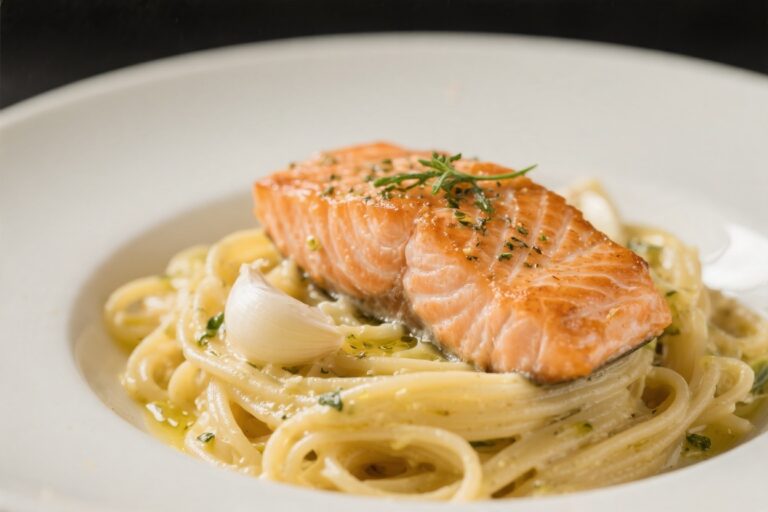
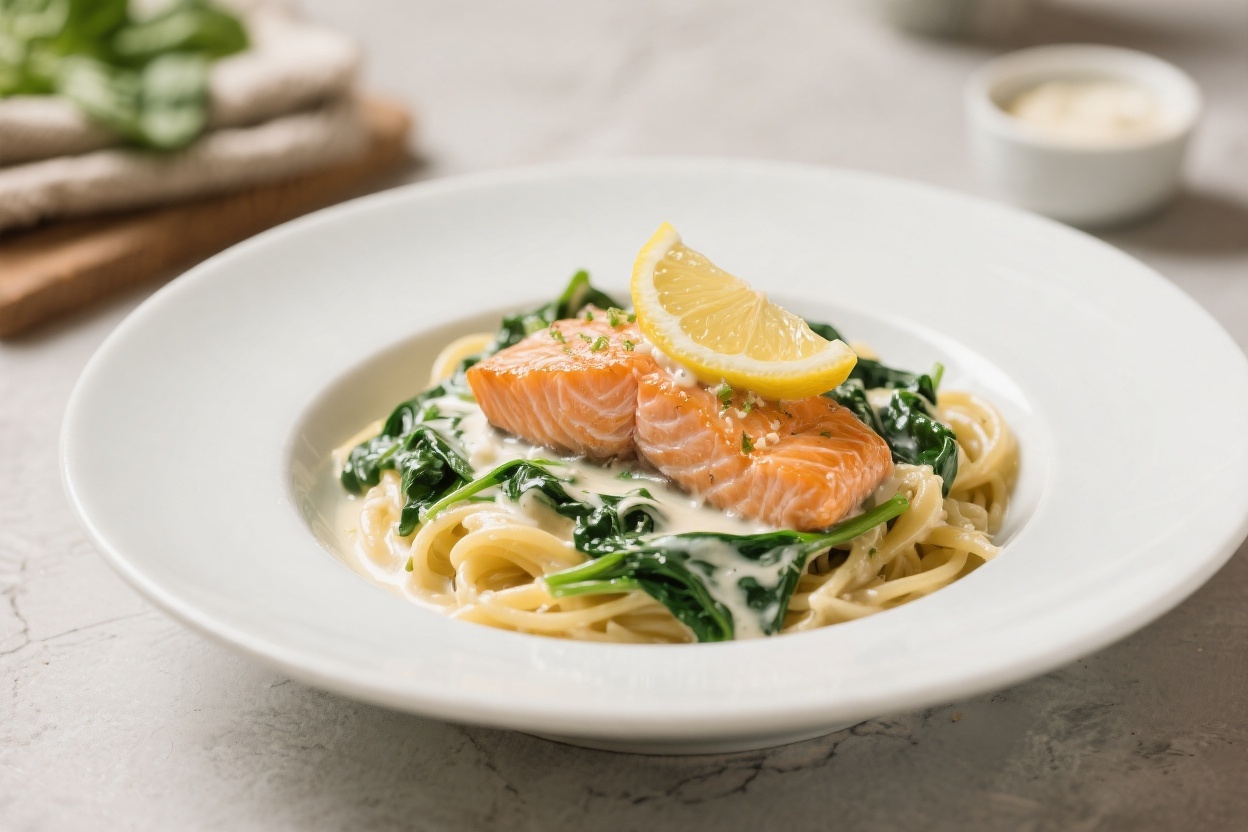
Creamy lemon spinach salmon pasta is one of those dishes that feels special without being fussy. The sauce is silky and bright, the salmon is tender, and the spinach adds color and a touch of freshness. It tastes like something you’d order at a cozy bistro, yet it comes together in a regular kitchen with simple steps.
FREE 7-Day Easy Dinner Reset
Save time, eat healthier, and take the stress out of dinner. Get a full week of easy healthy dinners delivered straight to your inbox.
If you’re craving a comforting pasta that won’t weigh you down, this is it. It’s a great fit for family dinners, date night, or a quick meal when you want something satisfying and a little bit fancy.
Ingredients
Method
- Boil the pasta: Bring a large pot of salted water to a boil. Cook the pasta until just shy of al dente. Reserve 1 cup of pasta water, then drain.
- Season the salmon: Pat the salmon dry. Season all sides with 1/2 teaspoon salt and 1/4 teaspoon black pepper.
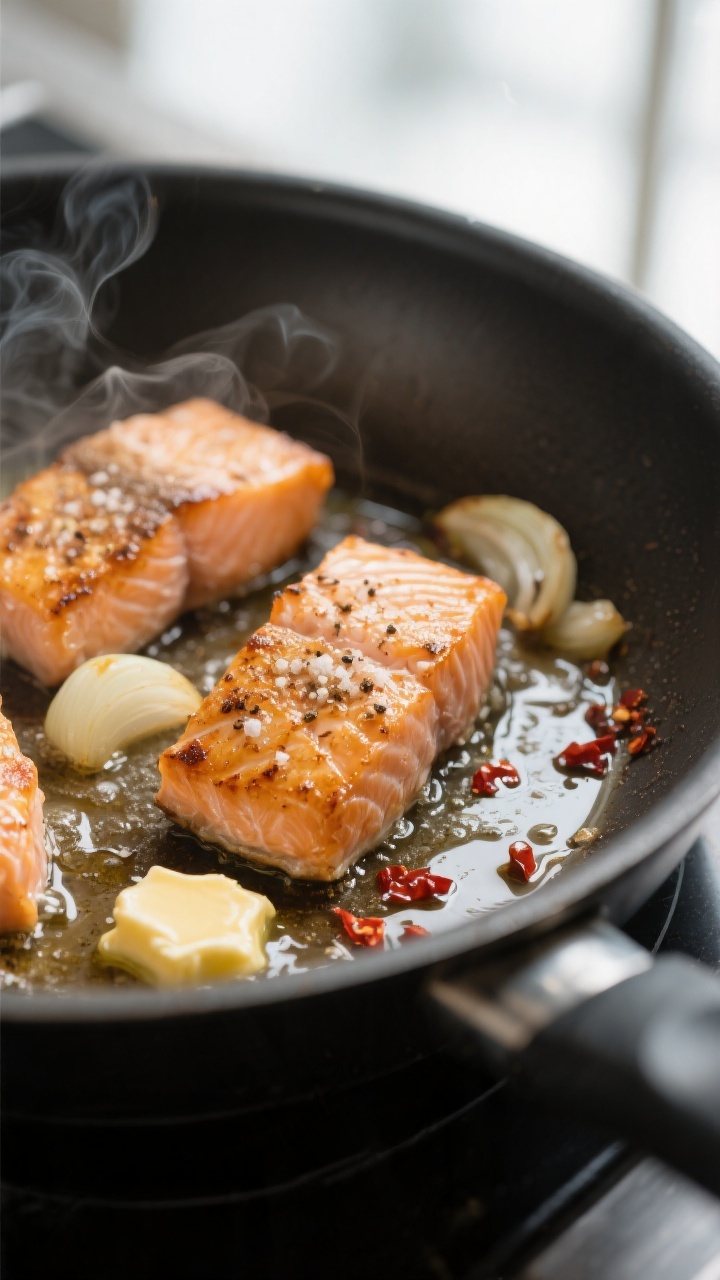
- Sear the salmon: Heat 1 tablespoon olive oil in a large skillet over medium-high heat. Add the salmon in a single layer and sear 1 to 2 minutes per side until just cooked through. Transfer to a plate and tent loosely with foil. Do not overcook.
- Sauté the aromatics: Reduce heat to medium. Add the remaining 1 tablespoon olive oil and the butter. Stir in the shallot and a pinch of salt. Cook 2 to 3 minutes until softened. Add the garlic and red pepper flakes; cook 30 seconds until fragrant.
- Build the sauce base: Pour in the broth and scrape the skillet to release browned bits. Simmer 1 to 2 minutes to reduce slightly.
- Add cream and lemon: Stir in the cream, lemon zest, and 2 tablespoons lemon juice. Simmer on medium-low for 2 to 3 minutes, stirring often, until lightly thickened. Taste and season with salt and pepper.
- Wilt the spinach: Add the spinach by handfuls, stirring until just wilted, 1 to 2 minutes.
- Cheese and consistency: Stir in the Parmesan until smooth. If the sauce seems too thick, add a splash of reserved pasta water until it coats the back of a spoon.
- Combine with pasta: Add the drained pasta to the skillet and toss to coat. Gently fold in the seared salmon. Add the remaining 1 tablespoon lemon juice if you like it brighter. Adjust salt and pepper.
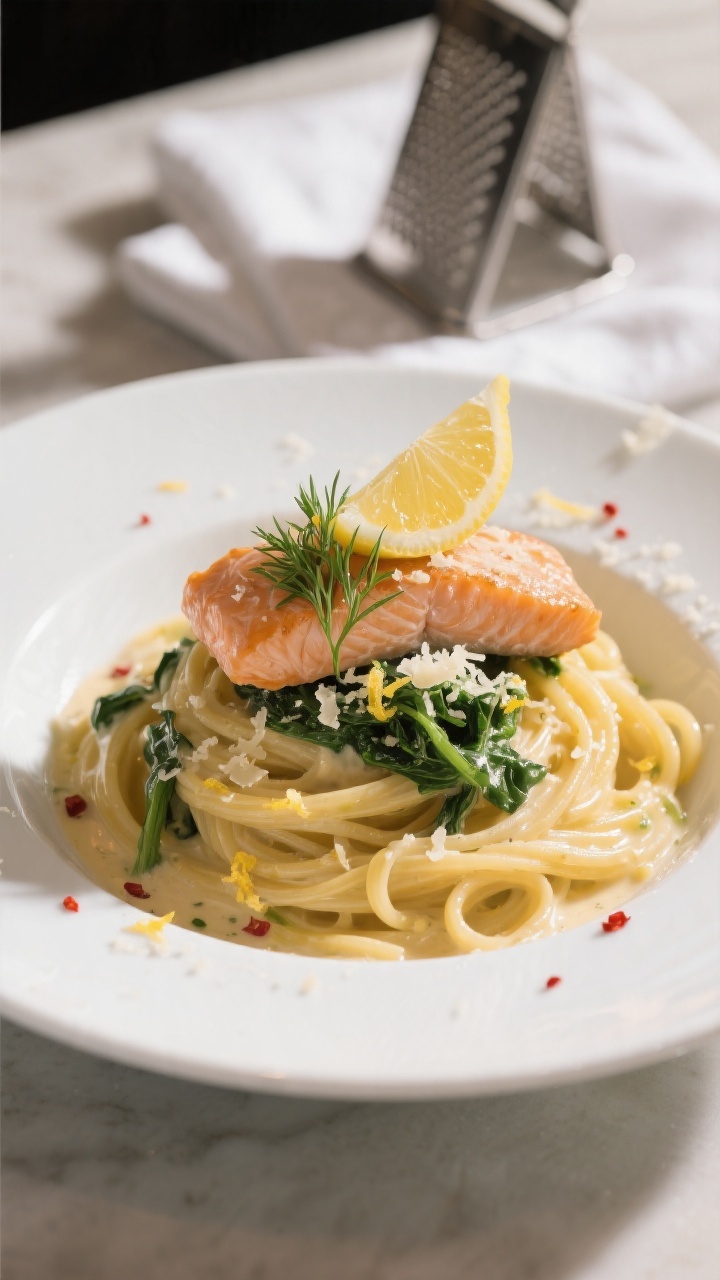
- Finish and serve: Sprinkle with chopped parsley or dill. Serve right away with extra Parmesan and lemon wedges.
What Makes This Recipe So Good
- Balanced flavors: The lemon lightens the cream, the salmon brings richness, and the spinach adds a clean, green note. Every bite feels complete.
- Fast but special: From start to finish, you’re looking at about 30 minutes.
It tastes like a restaurant meal with weekday timing.
- Flexible and forgiving: You can use fresh or frozen salmon, swap the pasta shape, and adjust the creaminess to your taste.
- One-pan sauce: The sauce comes together in the same skillet after searing the salmon, picking up all those flavorful browned bits.
- Great for all seasons: Bright lemon makes it springy, but the cream keeps it cozy in cooler months.
Ingredients
- 12 ounces pasta (linguine, fettuccine, or penne)
- 1 pound salmon fillet, skin removed, cut into 1- to 1.5-inch chunks
- 2 tablespoons olive oil, divided
- 1 tablespoon unsalted butter
- 3 cloves garlic, minced
- 1 small shallot, finely chopped (or 1/4 small onion)
- 1 cup heavy cream (or 3/4 cup cream + 1/4 cup milk for lighter sauce)
- 1/2 cup low-sodium chicken or vegetable broth
- Zest of 1 lemon
- 3 tablespoons fresh lemon juice (about 1 large lemon), plus more to taste
- 3 to 4 cups fresh baby spinach
- 1/2 cup grated Parmesan cheese, plus more for serving
- 1/4 teaspoon red pepper flakes (optional)
- 2 tablespoons chopped fresh parsley or dill
- Kosher salt and freshly ground black pepper
How to Make It
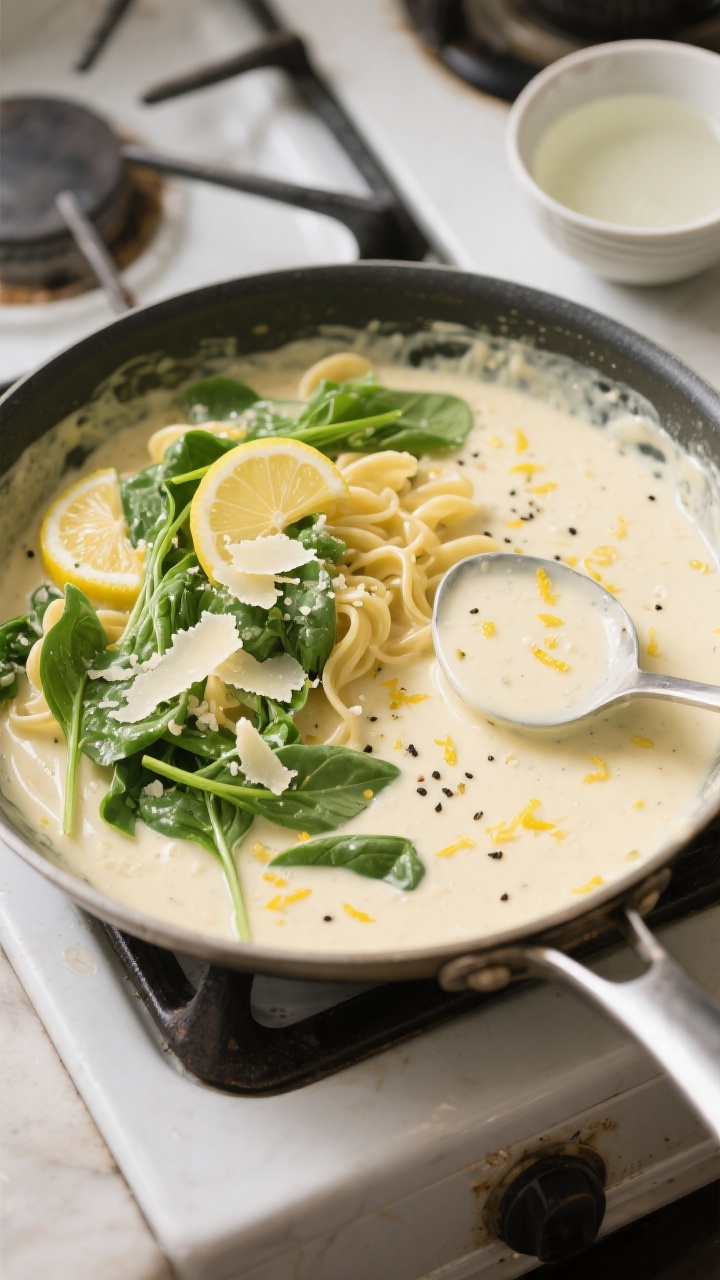
- Boil the pasta: Bring a large pot of salted water to a boil. Cook the pasta until just shy of al dente. Reserve 1 cup of pasta water, then drain.
- Season the salmon: Pat the salmon dry.
Season all sides with 1/2 teaspoon salt and 1/4 teaspoon black pepper.
- Sear the salmon: Heat 1 tablespoon olive oil in a large skillet over medium-high heat. Add the salmon in a single layer and sear 1 to 2 minutes per side until just cooked through. Transfer to a plate and tent loosely with foil.
Do not overcook.
- Sauté the aromatics: Reduce heat to medium. Add the remaining 1 tablespoon olive oil and the butter. Stir in the shallot and a pinch of salt.
Cook 2 to 3 minutes until softened. Add the garlic and red pepper flakes; cook 30 seconds until fragrant.
- Build the sauce base: Pour in the broth and scrape the skillet to release browned bits. Simmer 1 to 2 minutes to reduce slightly.
- Add cream and lemon: Stir in the cream, lemon zest, and 2 tablespoons lemon juice.
Simmer on medium-low for 2 to 3 minutes, stirring often, until lightly thickened. Taste and season with salt and pepper.
- Wilt the spinach: Add the spinach by handfuls, stirring until just wilted, 1 to 2 minutes.
- Cheese and consistency: Stir in the Parmesan until smooth. If the sauce seems too thick, add a splash of reserved pasta water until it coats the back of a spoon.
- Combine with pasta: Add the drained pasta to the skillet and toss to coat.
Gently fold in the seared salmon. Add the remaining 1 tablespoon lemon juice if you like it brighter. Adjust salt and pepper.
- Finish and serve: Sprinkle with chopped parsley or dill.
Serve right away with extra Parmesan and lemon wedges.
Keeping It Fresh
- Storage: Refrigerate leftovers in an airtight container for up to 2 days. The salmon stays tender if you don’t overcook it initially.
- Reheating: Warm gently over low heat on the stovetop with a splash of water, broth, or milk to loosen the sauce. Avoid high heat, which can split the cream and dry the salmon.
- Freezing: Not ideal.
Cream sauces tend to separate when frozen and thawed. If you must freeze, do so without the pasta and reheat very gently.
- Make-ahead tips: You can zest and juice the lemon, chop the shallot and garlic, and portion the spinach ahead of time. Cook the pasta and salmon fresh for best texture.
Health Benefits
- Omega-3 fats: Salmon is rich in EPA and DHA, which support heart, brain, and joint health.
- Protein: A satisfying protein source that helps keep you full and supports muscle maintenance.
- Leafy greens: Spinach adds fiber, iron, folate, and vitamins A and K.
- Portion-friendly: Because the sauce is flavorful, smaller portions still feel indulgent.
You can balance with extra spinach or a side salad.
- Customizable richness: Use part milk or half-and-half, and lean on lemon and broth for brightness without extra cream.
Common Mistakes to Avoid
- Overcooking the salmon: Salmon dries out quickly. Sear just until it flakes easily; it will finish gently in the sauce.
- Boiling the cream: Keep the sauce at a gentle simmer. A hard boil can cause separation and a greasy texture.
- Skipping the pasta water: The starchy water helps the sauce cling to the pasta and keeps it silky.
- Adding lemon too early: Add lemon juice after the cream has simmered slightly.
Too early can dull the flavor or curdle the sauce.
- Not salting the pasta water: Undersalted pasta makes the whole dish taste flat. The water should taste like the sea.
Recipe Variations
- Lighter version: Use half-and-half instead of heavy cream and more broth. Thicken slightly with a tablespoon of grated Parmesan and an extra minute of simmering.
- Herb-forward: Swap parsley for dill, tarragon, or chives.
Stir in a spoonful of basil pesto at the end for a different twist.
- Garlic-lemon kick: Add an extra clove of garlic and finish with a pinch of lemon pepper seasoning.
- Veg boost: Fold in peas, asparagus tips, or sautéed zucchini with the spinach.
- Gluten-free: Use gluten-free pasta and ensure your broth and cheese are GF-friendly.
- No cream option: Replace cream with a mix of whole milk and a tablespoon of cream cheese or mascarpone for body.
- Crispy salmon: Instead of folding in chunks, pan-sear fillets skin-on until crispy, then serve them on top of the sauced pasta.
FAQ
Can I use canned salmon?
Need More Easy Dinner Ideas?
Get my FREE 7-Day Easy Dinner Reset and enjoy a full week of healthy dinners without the meal-planning stress.
Yes. Drain it well and flake it gently. Add it at the very end to warm through.
It won’t have the same seared texture, but it’s convenient and still tasty.
What pasta shape works best?
Linguine or fettuccine are great for a creamy sauce, but short shapes like penne or rigatoni also work. Choose a shape that holds sauce well and is easy to toss.
How do I prevent the sauce from curdling?
Keep the heat moderate, add lemon after the cream has warmed and thickened slightly, and avoid rapid boiling. If in doubt, remove the pan from heat before stirring in the lemon juice.
Can I make this dairy-free?
Use olive oil instead of butter and a thick, unsweetened dairy-free cream (like cashew cream or a barista-style oat cream).
Choose a dairy-free Parmesan substitute or skip the cheese and boost flavor with extra lemon zest and herbs.
What if my sauce is too thin?
Simmer a few more minutes to reduce, stir in more Parmesan, or add a small splash of pasta water and cook to emulsify. The starch helps the sauce cling.
Is skin-on salmon okay?
Yes. Sear skin-side down first until crisp, flip to finish, then remove the skin before cutting into chunks.
The crispy bits make a nice cook’s snack.
Can I bake the salmon instead?
Absolutely. Roast at 400°F (205°C) for 8 to 12 minutes depending on thickness, then flake into the sauce. It’s hands-off and still delicious.
How do I scale this for a crowd?
Double all ingredients and use a large Dutch oven or two skillets to avoid crowding.
Toss pasta and sauce off heat to keep the salmon from breaking apart.
Wrapping Up
Creamy lemon spinach salmon pasta brings bright, rich, and fresh into one skillet. It’s simple enough for a Tuesday, but nice enough to share with guests. Keep the heat moderate, don’t overcook the salmon, and lean on lemon and herbs for that lively finish.
With a squeeze of citrus and a shower of Parmesan, you’ll have a dish that feels complete and comforting every time. Enjoy it hot, with a side of greens or warm bread, and make it your new weeknight favorite.
Printable Recipe Card
Want just the essential recipe details without scrolling through the article? Get our printable recipe card with just the ingredients and instructions.
Loved This Recipe?
If you're looking for more simple, healthy dinners your family will actually eat, grab my FREE 7-Day Easy Dinner Reset. You'll get 7 easy dinner recipes, simple grocery lists, and a done-for-you plan that takes the stress out of mealtime.