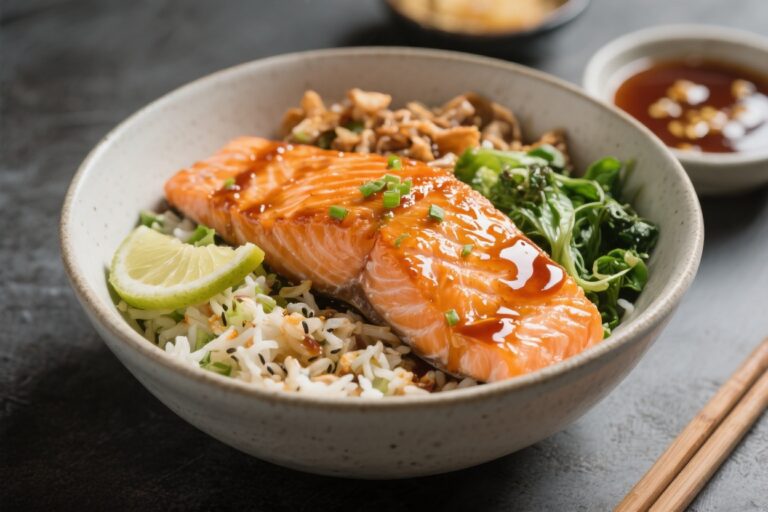
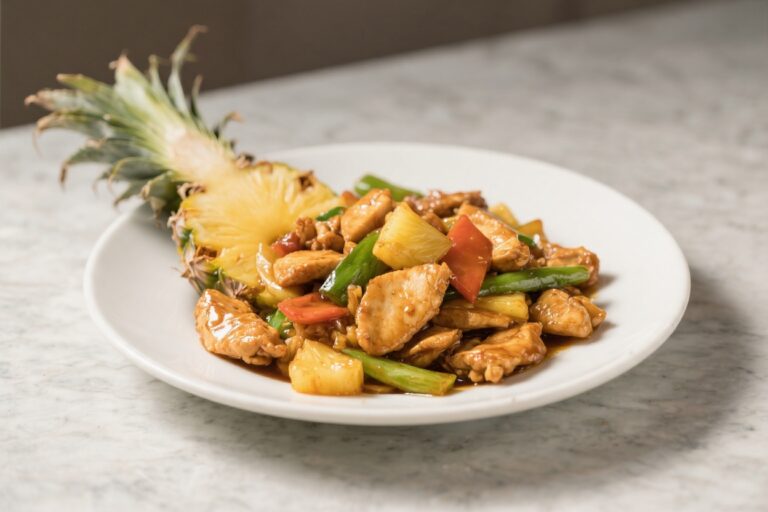
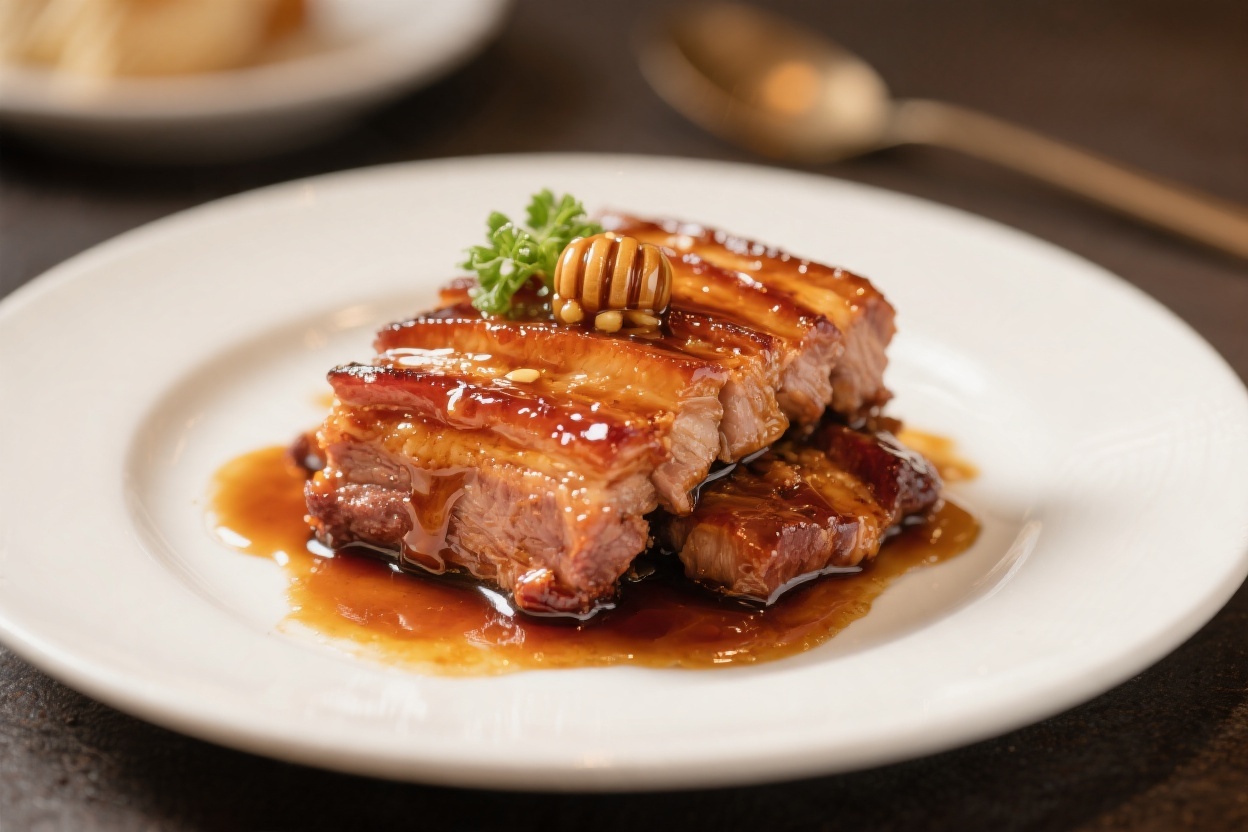
Honey Soy Glazed Pork – Sweet, Savory, and Perfect for Weeknights
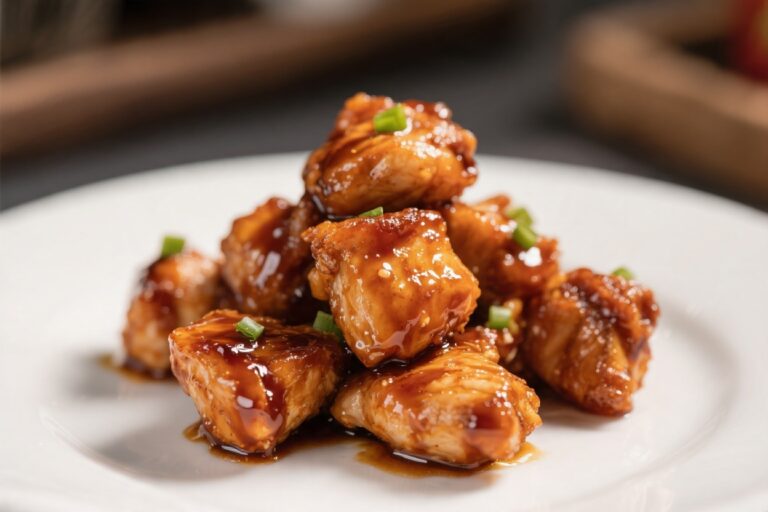
This is the kind of dish that makes everyone at the table go quiet for a moment, then immediately ask for seconds. Honey soy glazed pork brings together a gorgeous balance of sweet and salty with a glossy, caramelized finish. It cooks quickly, tastes like takeout, and somehow feels special without being fussy.
FREE 7-Day Easy Dinner Reset
Save time, eat healthier, and take the stress out of dinner. Get a full week of easy healthy dinners delivered straight to your inbox.
Whether you’re feeding a crowd or just trying to make Tuesday night feel better, this is a winner. Serve it with rice, noodles, or a crisp salad and call it a night.
Ingredients
Method
- Prep the pork. Pat the pork dry with paper towels. Cut into thin strips or small cubes for faster cooking and more surface area for glaze. Season lightly with salt and pepper.
- Make the sauce. In a small bowl, whisk soy sauce, honey, rice vinegar, sesame oil, garlic, ginger, and sriracha or chili flakes if using. Taste and adjust—add a touch more honey for sweetness or vinegar for brightness.
- Optional thickener. If you like a stickier glaze, stir cornstarch and water together in a separate bowl to make a slurry. Set aside for later.
- Heat the pan. Place a large skillet or wok over medium-high heat. Add neutral oil and let it shimmer. A hot pan helps the pork brown quickly without steaming.
- Sear in batches. Add half the pork in an even layer. Do not crowd the pan. Let it sear for 1–2 minutes before stirring, then cook until browned and just cooked through, about 4–5 minutes total. Transfer to a plate and repeat with the remaining pork.
- Deglaze lightly. If the pan has browned bits, splash in a tablespoon of water to loosen them. Those bits add flavor to the glaze.
- Add the sauce. Return all the pork to the pan. Pour in the honey soy mixture. Toss to coat and cook for 1–2 minutes, letting it bubble and reduce slightly.
- Thicken the glaze. If using cornstarch, pour in the slurry and stir. Cook another 30–60 seconds until the sauce turns glossy and clings to the pork.
- Finish and garnish. Turn off the heat. Sprinkle with green onions and sesame seeds. Taste and adjust seasoning if needed.
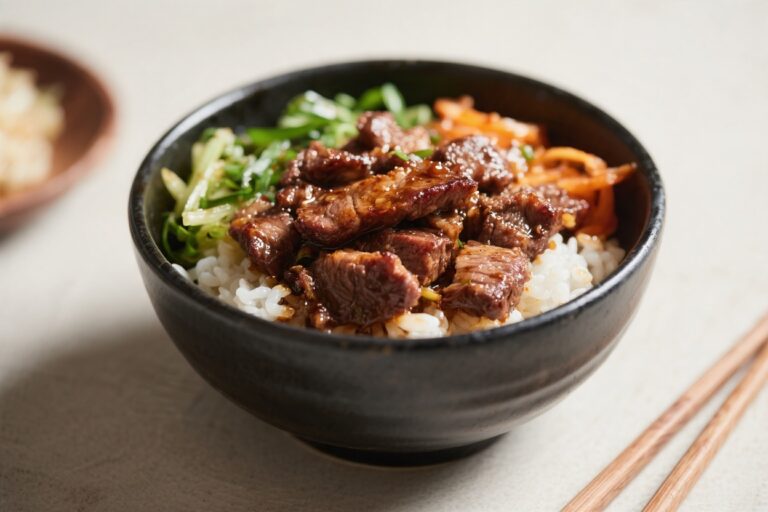
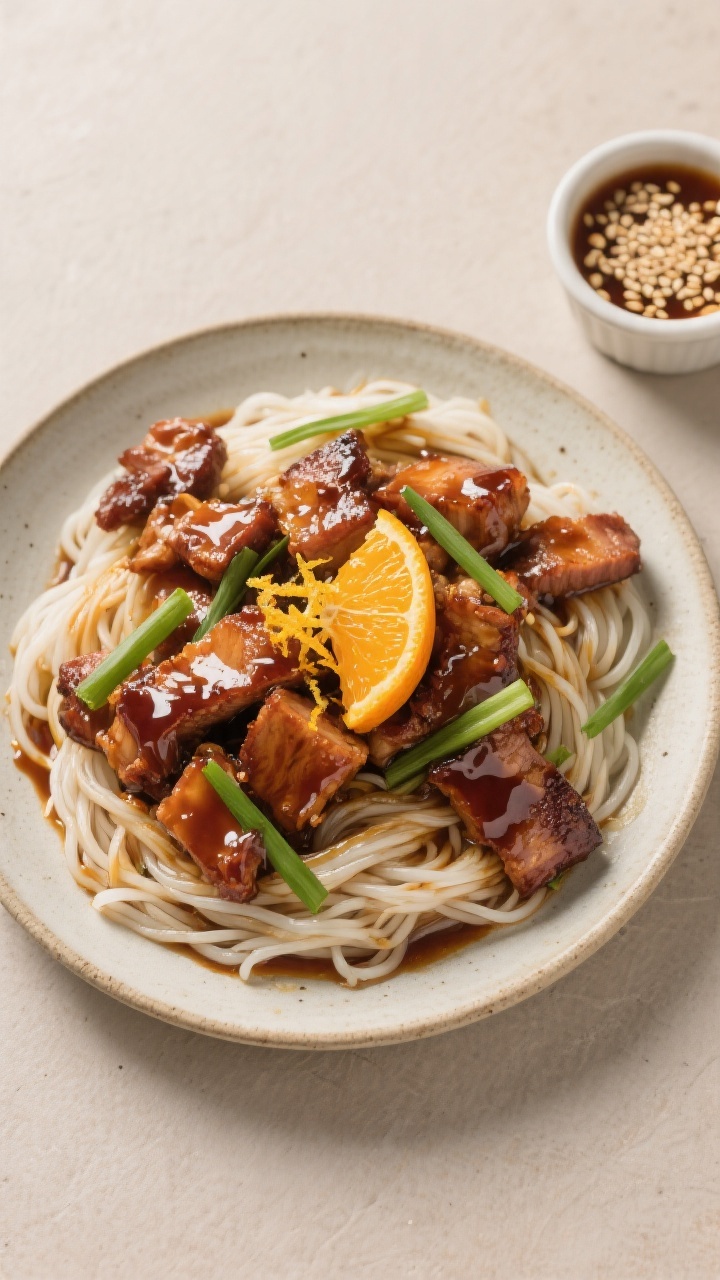
- Serve. Spoon over hot rice or toss with noodles. Add a side of steamed broccoli, snap peas, or a crunchy cucumber salad for contrast.
What Makes This Special
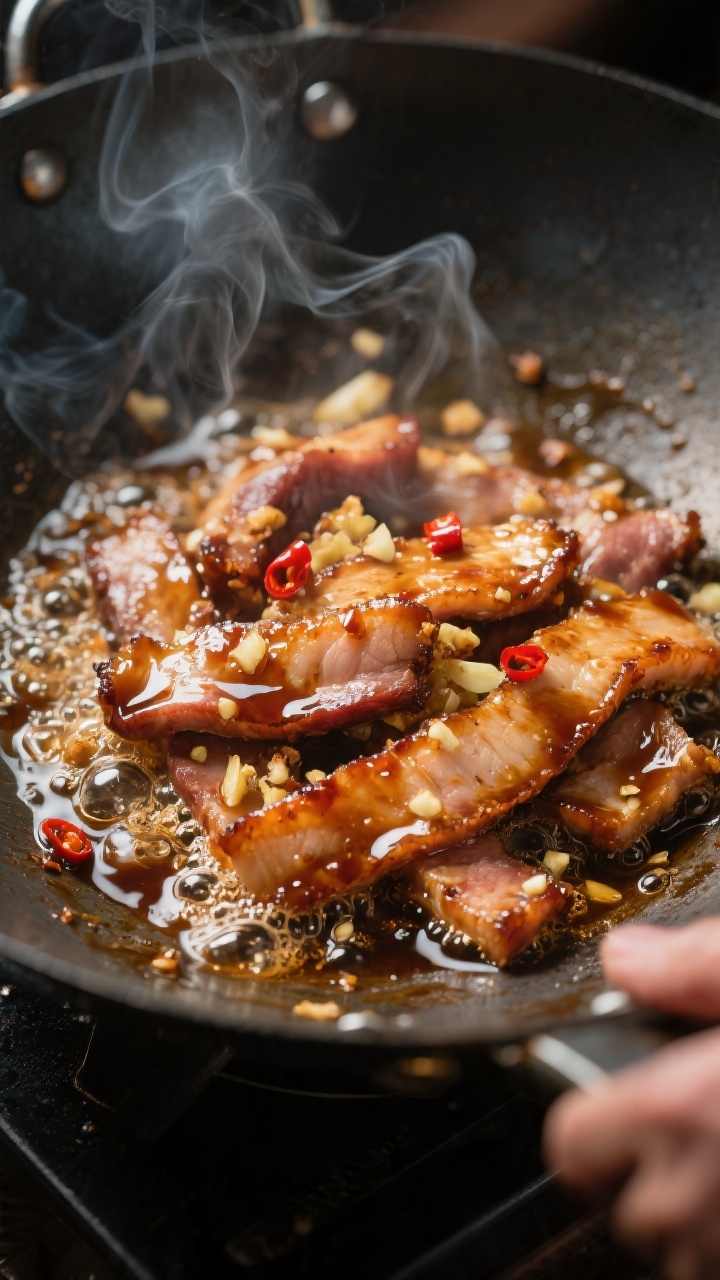
This recipe is all about balance and texture. The honey adds a gentle sweetness that caramelizes in the pan, while soy sauce brings that deep, savory backbone.
Fresh ginger and garlic add warmth and brightness, cutting through the richness of the pork. Best of all, it’s fast—most of the work is simple prep, and the actual cooking is done in under 20 minutes. It’s reliable, flexible, and easy to make your own.
What You’ll Need
- 1.5 pounds (680 g) pork — pork tenderloin, boneless chops, or shoulder cut into thin strips or bite-size pieces
- 1/4 cup low-sodium soy sauce (or tamari for gluten-free)
- 3 tablespoons honey
- 1 tablespoon rice vinegar (or apple cider vinegar)
- 1 tablespoon sesame oil (toasted, if you have it)
- 2 cloves garlic, minced
- 1 tablespoon fresh ginger, grated (or 1/2 teaspoon ground ginger in a pinch)
- 1–2 teaspoons sriracha or chili flakes (optional, for heat)
- 2 tablespoons neutral oil (canola, avocado, or peanut oil)
- 2 teaspoons cornstarch (optional, for thicker glaze)
- 2 tablespoons water (for cornstarch slurry, if using)
- 2–3 green onions, sliced, for garnish
- Sesame seeds for garnish (optional)
- Cooked rice or noodles, to serve
Step-by-Step Instructions
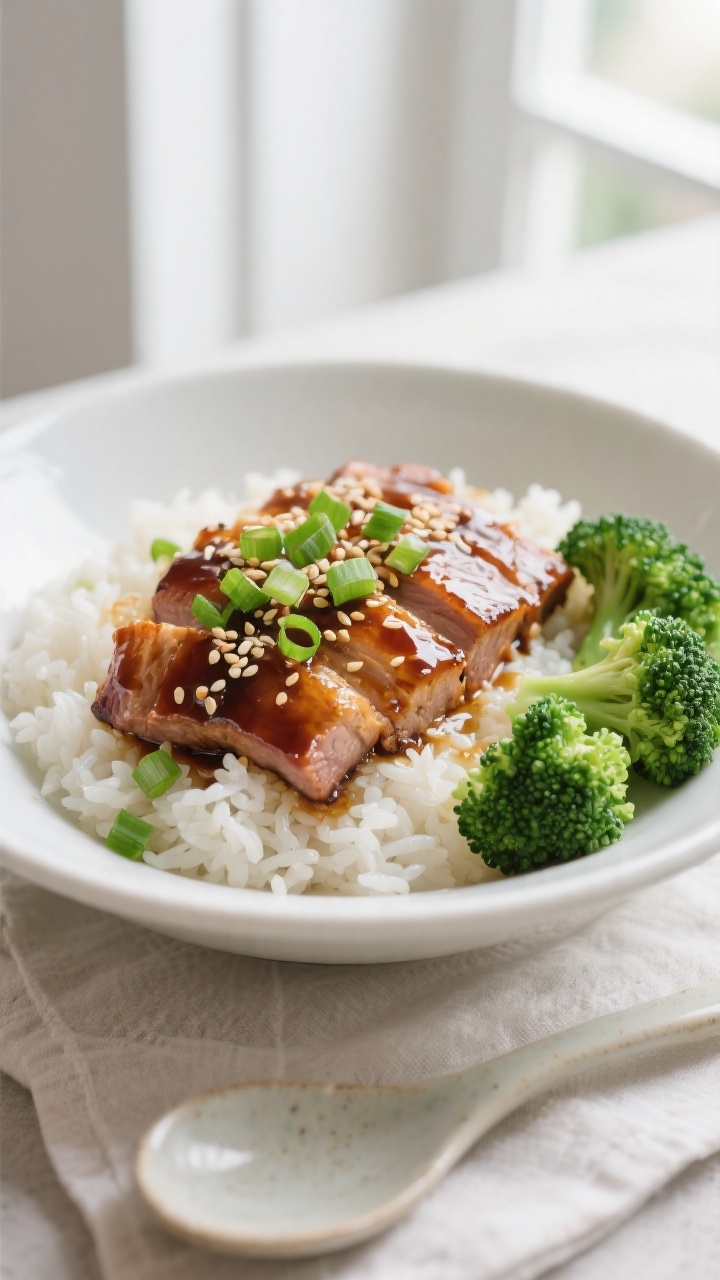
- Prep the pork. Pat the pork dry with paper towels.
Cut into thin strips or small cubes for faster cooking and more surface area for glaze. Season lightly with salt and pepper.
- Make the sauce. In a small bowl, whisk soy sauce, honey, rice vinegar, sesame oil, garlic, ginger, and sriracha or chili flakes if using. Taste and adjust—add a touch more honey for sweetness or vinegar for brightness.
- Optional thickener. If you like a stickier glaze, stir cornstarch and water together in a separate bowl to make a slurry.
Set aside for later.
- Heat the pan. Place a large skillet or wok over medium-high heat. Add neutral oil and let it shimmer. A hot pan helps the pork brown quickly without steaming.
- Sear in batches. Add half the pork in an even layer.
Do not crowd the pan. Let it sear for 1–2 minutes before stirring, then cook until browned and just cooked through, about 4–5 minutes total. Transfer to a plate and repeat with the remaining pork.
- Deglaze lightly. If the pan has browned bits, splash in a tablespoon of water to loosen them.
Those bits add flavor to the glaze.
- Add the sauce. Return all the pork to the pan. Pour in the honey soy mixture. Toss to coat and cook for 1–2 minutes, letting it bubble and reduce slightly.
- Thicken the glaze. If using cornstarch, pour in the slurry and stir.
Cook another 30–60 seconds until the sauce turns glossy and clings to the pork.
- Finish and garnish. Turn off the heat. Sprinkle with green onions and sesame seeds. Taste and adjust seasoning if needed.
- Serve. Spoon over hot rice or toss with noodles.
Add a side of steamed broccoli, snap peas, or a crunchy cucumber salad for contrast.
Storage Instructions
- Refrigerate: Cool completely, then store in an airtight container for up to 4 days.
- Freeze: Portion into freezer-safe containers or bags and freeze for up to 2 months. Thaw overnight in the fridge.
- Reheat: Warm in a skillet over medium heat with a splash of water to loosen the glaze. Microwave in short bursts, stirring between, to avoid overcooking.
- Meal prep tip: Keep sauce separate until cooking day for best texture, especially if using tenderloin.
Health Benefits
This dish offers a solid source of high-quality protein from pork, which supports muscle maintenance and satiety.
Using low-sodium soy sauce helps manage sodium intake without losing flavor. Ginger and garlic bring plant compounds with anti-inflammatory and immune-supporting benefits. Balance your plate with fiber-rich sides like brown rice or vegetables to keep the meal satisfying and nutritious.
What Not to Do
- Don’t overcrowd the pan. Too much pork at once will steam, not sear, leading to pale, chewy pieces.
- Don’t skip drying the meat. Moisture prevents browning and dilutes the glaze.
- Don’t overcook. Pork dries out fast.
Pull it when just cooked through, then finish in the sauce.
- Don’t add the cornstarch too early. It can clump. Add the slurry after the sauce starts bubbling.
- Don’t use high heat with honey for too long. Honey burns easily. Sear the pork first, then reduce heat slightly when adding the sauce.
Variations You Can Try
- Orange twist: Add 2 tablespoons fresh orange juice and a little zest for a citrus lift.
- Garlic lover’s version: Double the garlic and finish with a squeeze of lime.
- Gochujang heat: Stir in 1 teaspoon gochujang for a spicy, deeper flavor.
- Ginger-scallion style: Add a handful of sliced scallions and extra ginger to the sauce; finish with a drizzle of sesame oil.
- Veg-forward: Toss in bell peppers, snow peas, or broccoli during the sauce step.
Cook until just crisp-tender.
- Different protein: Swap pork for chicken thighs, firm tofu, or shrimp. Adjust cook times as needed.
- No cornstarch: Reduce the sauce a bit longer for a naturally sticky glaze.
FAQ
Which cut of pork works best?
Pork tenderloin is lean and cooks quickly, giving you tender pieces if you don’t overcook. Boneless pork chops also work well when sliced thin.
Pork shoulder offers more fat and flavor but needs a touch longer to render and brown.
Need More Easy Dinner Ideas?
Get my FREE 7-Day Easy Dinner Reset and enjoy a full week of healthy dinners without the meal-planning stress.
Can I make this gluten-free?
Yes. Use tamari instead of soy sauce and check that your rice vinegar and sriracha are gluten-free. The rest of the ingredients are typically safe.
How do I know when the pork is done?
Look for opaque, lightly browned pieces with no pink in the center.
If you use a thermometer for larger pieces, aim for around 145°F (63°C), then let it rest briefly. For thin strips, visual cues and timing work well.
Why did my glaze turn out thin?
It likely needed more reduction or the pan wasn’t hot enough. Let it bubble for an extra minute, or add the cornstarch slurry and cook until glossy.
Make sure you’re not adding too much water during deglazing.
What can I serve with honey soy glazed pork?
Steamed jasmine rice, brown rice, or rice noodles are great bases. Add quick veggies like sautéed bok choy, stir-fried broccoli, or a crunchy cucumber salad with rice vinegar and sesame oil.
Can I bake this instead of using a skillet?
Yes. Toss pork with half the sauce and bake at 400°F (200°C) for 12–15 minutes, depending on size.
Simmer the remaining sauce on the stove, then toss the baked pork in it to finish.
Is there a way to reduce the sugar?
Use 2 tablespoons honey instead of 3 and add a bit more ginger and vinegar for balance. You can also sweeten partly with orange juice to cut added sugars.
How do I prevent the sauce from burning?
Lower the heat slightly when you add the sauce and keep it moving. Avoid leaving the pan unattended, and add a tablespoon of water if it thickens too quickly.
Can I make it ahead?
Yes, mix the sauce and slice the pork up to 24 hours in advance.
Store separately in the fridge. Cook just before serving for the best texture.
What oil should I use for searing?
Choose a neutral, high-heat oil like canola, avocado, or peanut oil. Save extra-virgin olive oil for finishing, not high-heat searing.
Wrapping Up
Honey soy glazed pork is simple, fast, and packed with flavor.
With a handful of pantry staples, you’ll have a dinner that tastes restaurant-worthy and fits any weeknight. Keep the pan hot, don’t crowd the pork, and let the sauce do the heavy lifting. Once you make it, it’ll earn a regular spot in your rotation.
Printable Recipe Card
Want just the essential recipe details without scrolling through the article? Get our printable recipe card with just the ingredients and instructions.
Loved This Recipe?
If you're looking for more simple, healthy dinners your family will actually eat, grab my FREE 7-Day Easy Dinner Reset. You'll get 7 easy dinner recipes, simple grocery lists, and a done-for-you plan that takes the stress out of mealtime.