Miso Glazed Salmon – A Savory, Weeknight-Friendly Favorite
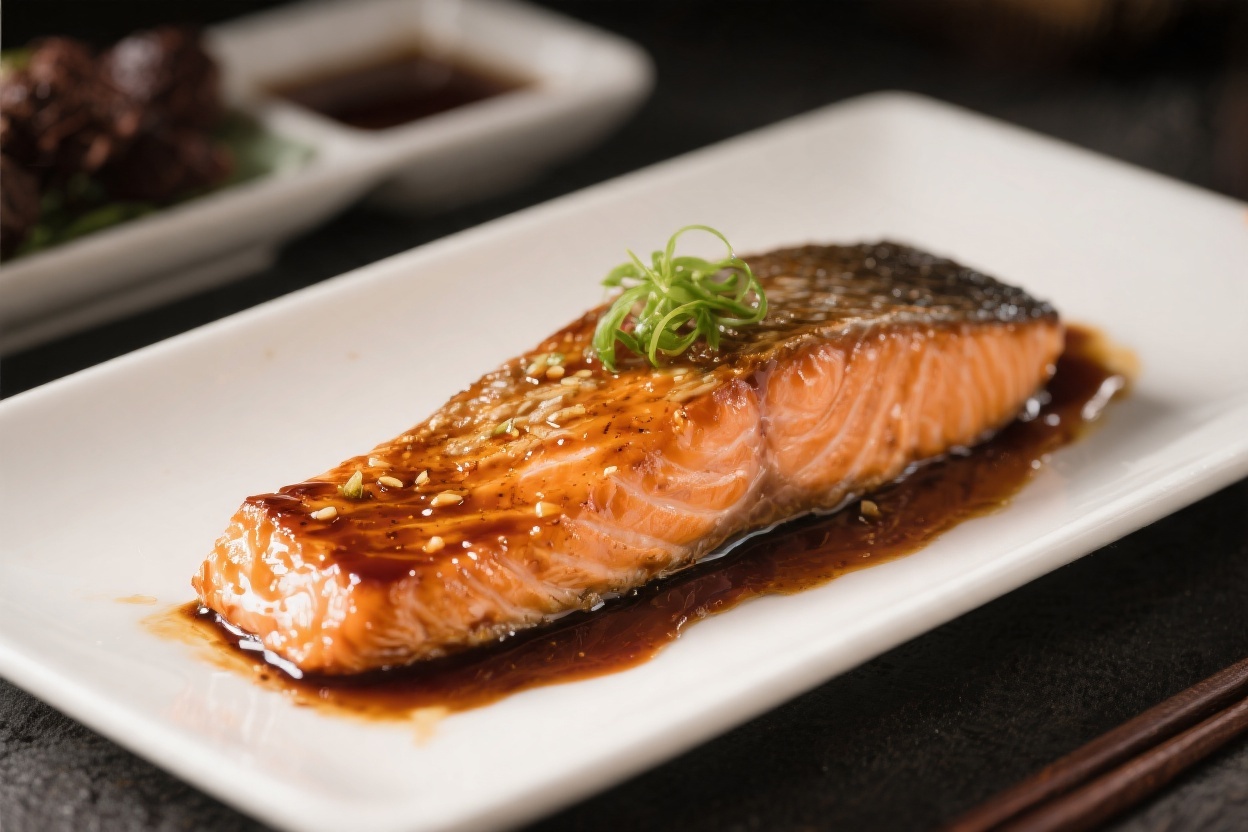
Miso glazed salmon is one of those meals that feels special without being fussy. The glaze is salty-sweet, a little nutty, and full of umami, and it turns beautifully caramelized in the oven. You get tender, flaky fish with a glossy finish in under 30 minutes.
FREE 7-Day Easy Dinner Reset
Save time, eat healthier, and take the stress out of dinner. Get a full week of easy healthy dinners delivered straight to your inbox.
This is the kind of recipe that makes weeknights easier and dinner guests happy. Pair it with rice, greens, or a crisp salad, and you’re set.
Ingredients
Method
- Preheat and prep. Heat your oven to 425°F (220°C). Line a sheet pan with foil or parchment for easy cleanup. Lightly oil the surface.
- Make the glaze. In a bowl, whisk together miso, soy sauce, honey, rice vinegar, ginger, garlic, and sesame oil. The mixture should be smooth and spreadable. If it’s too thick, add 1 teaspoon of water.
- Pat the salmon dry. Use paper towels to remove surface moisture. Dry fish browns better and helps the glaze cling.
- Coat the salmon. Spread a generous layer of glaze over the top and sides of each fillet. Reserve 1–2 tablespoons of glaze for a final brush after baking.
- Roast. Place the fillets on the prepared pan, skin-side down if using skin-on. Bake for 8–12 minutes, depending on thickness. You’re aiming for slightly translucent centers and flaking flesh.
- Optional broil for color. For deeper caramelization, switch to broil for the last 1–2 minutes. Watch closely to avoid burning the glaze.
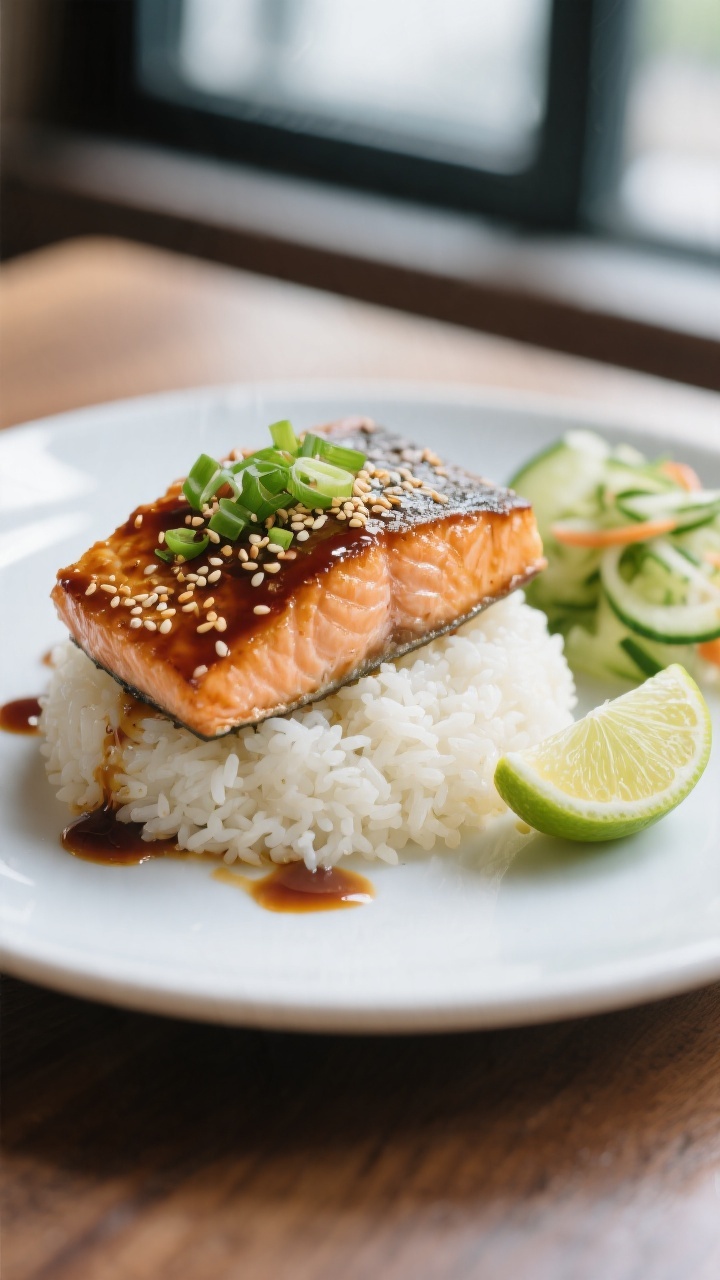
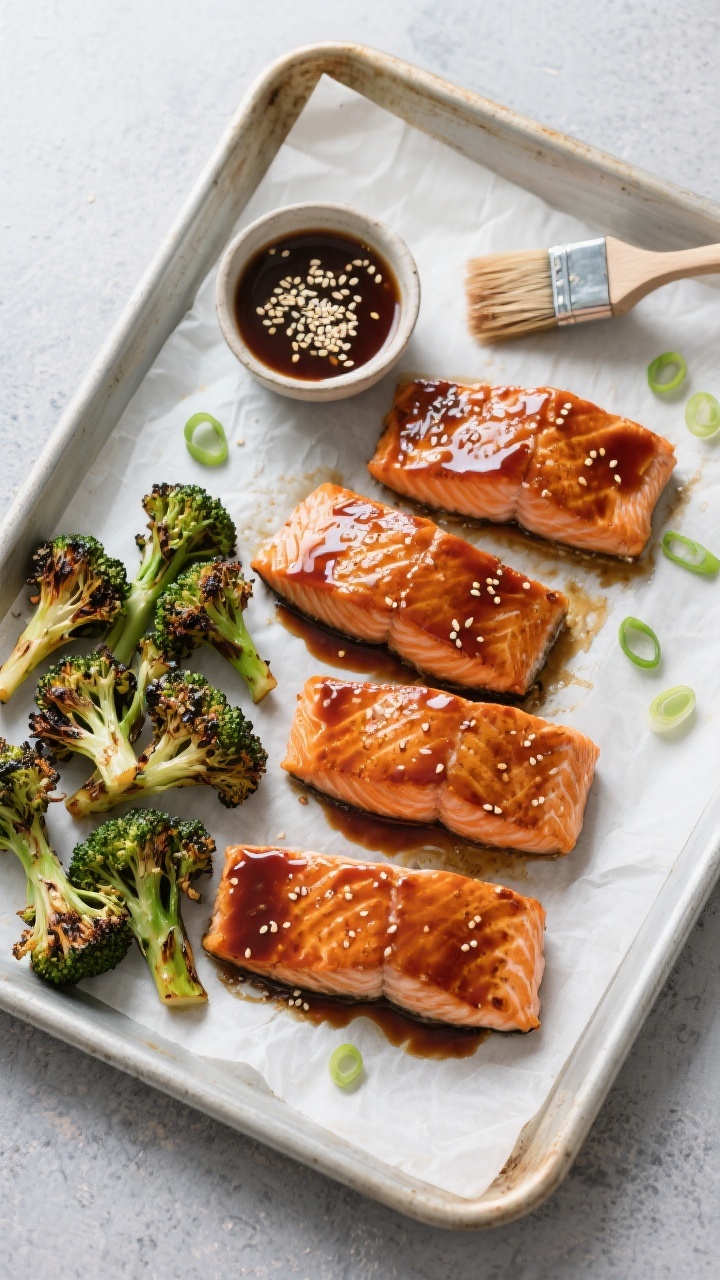
- Rest and finish. Let the salmon rest for 3 minutes. Brush with the reserved glaze for shine. Sprinkle with sesame seeds and scallions if you like.
- Serve. Plate with rice or greens. A squeeze of lime wakes up the flavors.
Why This Recipe Works
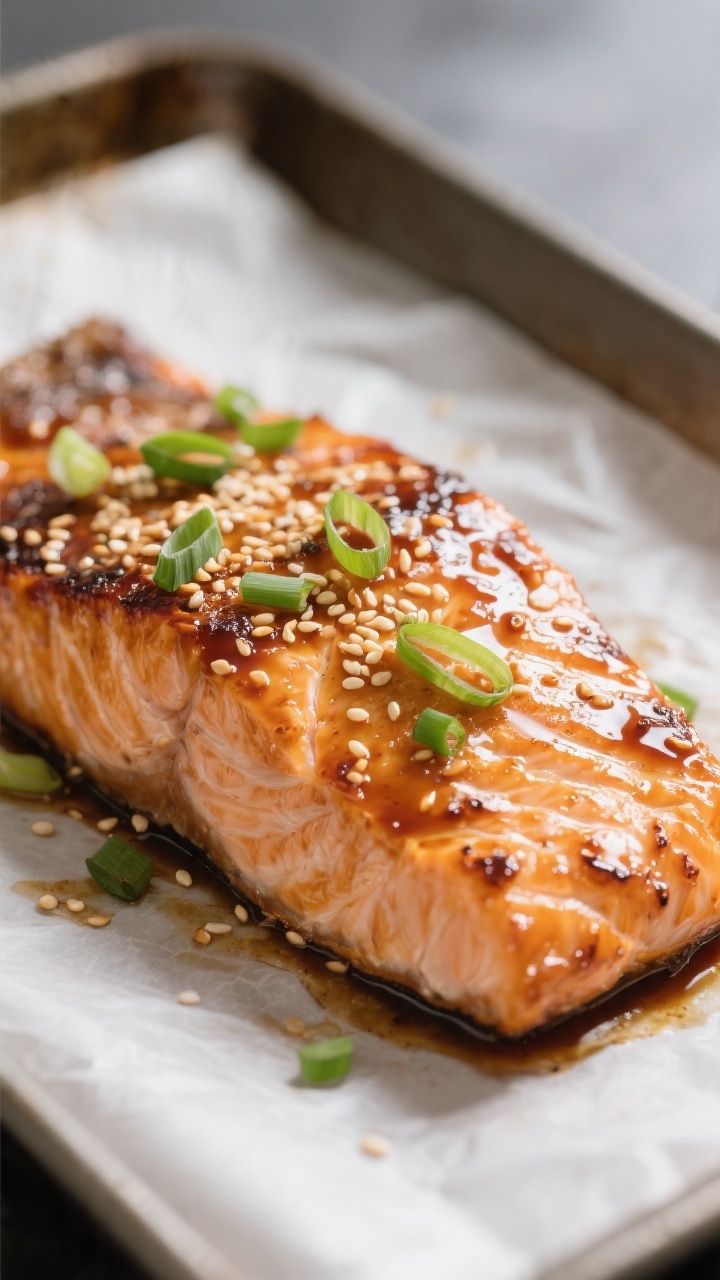
The secret is a quick marinade that does double duty as a glaze. White miso adds deep, savory flavor without overwhelming the fish.
A touch of honey or maple syrup helps the salmon brown and gives the edges that lightly sticky finish. Rice vinegar and soy sauce balance the sweetness, while fresh ginger and garlic keep it bright. A hot oven finishes the job, setting the glaze and keeping the salmon moist.
What You’ll Need
- Salmon fillets (4 pieces, 5–6 ounces each), skin-on or skinless
- White miso paste (shiro miso), about 3 tablespoons
- Soy sauce or tamari, 1 tablespoon
- Honey or maple syrup, 1–1.5 tablespoons
- Rice vinegar, 1 tablespoon (or lime juice)
- Fresh ginger, 1 teaspoon finely grated
- Garlic, 1 clove, finely grated or minced
- Sesame oil, 1 teaspoon
- Neutral oil (avocado, canola), for the pan
- Optional toppings: toasted sesame seeds, sliced scallions, lime wedges
- Optional sides: steamed rice, quinoa, soba noodles, roasted broccoli, cucumbers
Instructions
- Preheat and prep. Heat your oven to 425°F (220°C).
Line a sheet pan with foil or parchment for easy cleanup. Lightly oil the surface.
- Make the glaze. In a bowl, whisk together miso, soy sauce, honey, rice vinegar, ginger, garlic, and sesame oil. The mixture should be smooth and spreadable.
If it’s too thick, add 1 teaspoon of water.
- Pat the salmon dry. Use paper towels to remove surface moisture. Dry fish browns better and helps the glaze cling.
- Coat the salmon. Spread a generous layer of glaze over the top and sides of each fillet. Reserve 1–2 tablespoons of glaze for a final brush after baking.
- Roast. Place the fillets on the prepared pan, skin-side down if using skin-on. Bake for 8–12 minutes, depending on thickness.
You’re aiming for slightly translucent centers and flaking flesh.
- Optional broil for color. For deeper caramelization, switch to broil for the last 1–2 minutes. Watch closely to avoid burning the glaze.
- Rest and finish. Let the salmon rest for 3 minutes. Brush with the reserved glaze for shine. Sprinkle with sesame seeds and scallions if you like.
- Serve. Plate with rice or greens.
A squeeze of lime wakes up the flavors.
How to Store
- Fridge: Store cooled salmon in an airtight container for up to 3 days. Keep any extra glaze separately if you reserved some un-touched by raw fish.
- Reheat: Warm gently at 275°F (135°C) for 8–10 minutes or until just heated through. Avoid high heat to prevent drying.
- Meal prep: This is great cold over salads or rice bowls.
Add crunchy vegetables right before eating.
- Freezer: Cooked salmon can be frozen up to 2 months, tightly wrapped. Thaw overnight in the fridge.
Why This is Good for You
Salmon is rich in omega-3 fatty acids, which support heart and brain health. It’s also a great source of high-quality protein and important nutrients like vitamin D and selenium.
Miso brings fermented goodness and savory depth, helping you use less added salt. The glaze has sweet elements, but you can adjust the sugar to taste without losing flavor.
Pitfalls to Watch Out For
- Overcooking: Salmon turns dry and chalky if left too long. Start checking at 8 minutes.
The center should be slightly translucent and flake easily.
- Burnt glaze: Honey and miso can scorch under broilers. Keep the pan on a middle rack and watch the last minutes closely.
- Too salty: Miso and soy pack salt. Taste the glaze before using.
If it’s very salty, add a bit more honey or a splash of water.
- Wet fish: Skipping the pat-dry step keeps the glaze from sticking and prevents browning.
- Marinating too long: Miso is potent. For this quick-cook method, 15–30 minutes is enough if you choose to marinate. Longer can make the surface overly salty.
Recipe Variations
- Spicy Miso: Add 1–2 teaspoons gochujang, sriracha, or chili-garlic sauce to the glaze.
- Citrus Lift: Swap rice vinegar for yuzu or add orange zest for brightness.
- Brown Butter Finish: Drizzle 1 tablespoon browned butter over the baked salmon for a nutty note.
- Ginger-Scallion Boost: Stir in extra grated ginger and a handful of thinly sliced scallions to the glaze.
- Grilled Version: Grill over medium heat, skin-side down, with a well-oiled grate.
Brush on glaze in the last few minutes to avoid flare-ups.
- Air Fryer: Cook at 380°F (193°C) for 7–10 minutes, depending on thickness. Brush with a bit more glaze halfway.
- Miso Types: Try yellow miso for a stronger savoriness or red miso for deeper, saltier punch. Use less soy if using red miso.
- Vegetable Add-Ons: Roast broccoli, asparagus, or bok choy on the same pan.
Toss veggies with a little oil and salt; they’ll be ready when the salmon is.
FAQ
Do I need to marinate the salmon?
You don’t have to. The glaze adds plenty of flavor during roasting. If you have time, a 15–30 minute rest with the glaze in the fridge deepens the taste, but longer isn’t necessary.
What kind of miso should I use?
Need More Easy Dinner Ideas?
Get my FREE 7-Day Easy Dinner Reset and enjoy a full week of healthy dinners without the meal-planning stress.
White miso (shiro) is the most forgiving for this recipe.
It’s milder and slightly sweet, which pairs nicely with salmon. If you only have red miso, use a little less and taste the glaze before brushing it on.
Can I use frozen salmon?
Yes. Thaw it fully in the fridge overnight, then pat it very dry before glazing.
Frozen fillets can hold more water, so that drying step matters.
How do I know when the salmon is done?
Look for opaque edges with a slightly translucent center. An instant-read thermometer should read 120–125°F (49–52°C) for medium-rare to medium. It will rise a few degrees as it rests.
Is there a substitute for soy sauce?
Use tamari for gluten-free, or coconut aminos for a sweeter, lower-sodium option.
Adjust the honey if the glaze tastes too sweet.
What sides go best with miso glazed salmon?
Steamed jasmine rice, brown rice, or quinoa are great. Add roasted broccoli, sautéed bok choy, cucumber salad, or a simple miso soup to round out the meal.
Can I make the glaze ahead?
Yes. Mix it up to 5 days in advance and store it covered in the fridge.
Stir before using, and thin with a teaspoon of water if it thickens.
How can I make it dairy-free or gluten-free?
It’s naturally dairy-free. For gluten-free, choose tamari and confirm your miso is certified gluten-free.
Will this work with other fish?
Absolutely. Try Arctic char, trout, or black cod.
Adjust the cook time since thinner fillets finish faster.
How do I keep the skin crispy?
If you want crispy skin, sear the salmon skin-side down in a hot, lightly oiled skillet for 2–3 minutes, then transfer to the oven to finish with the glaze on top.
In Conclusion
Miso glazed salmon brings big flavor with little effort. The glaze is punchy yet balanced, and the cooking method is quick and reliable. Keep a tub of miso in your fridge and you’ll always be close to a fast, satisfying dinner.
Once you master the basics, tweak the spice, citrus, or sides to match your mood and make it your own.
Printable Recipe Card
Want just the essential recipe details without scrolling through the article? Get our printable recipe card with just the ingredients and instructions.
Loved This Recipe?
If you're looking for more simple, healthy dinners your family will actually eat, grab my FREE 7-Day Easy Dinner Reset. You'll get 7 easy dinner recipes, simple grocery lists, and a done-for-you plan that takes the stress out of mealtime.