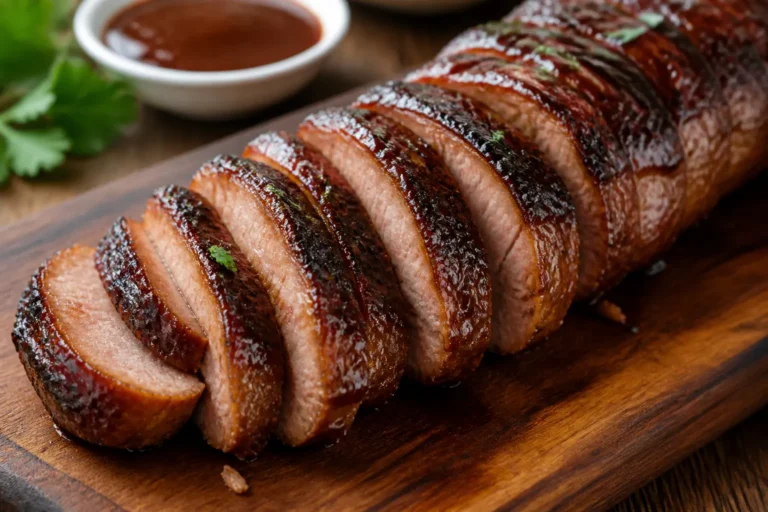
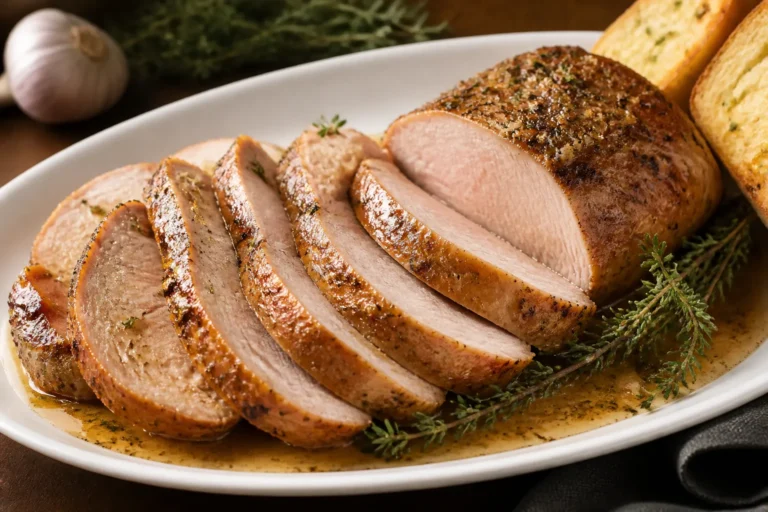
French Onion Pork Tenderloin – Comforting, Savory, and Simple
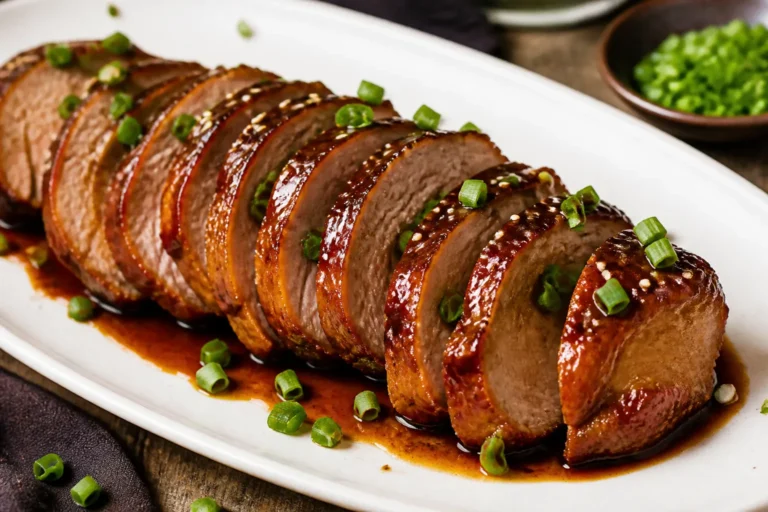
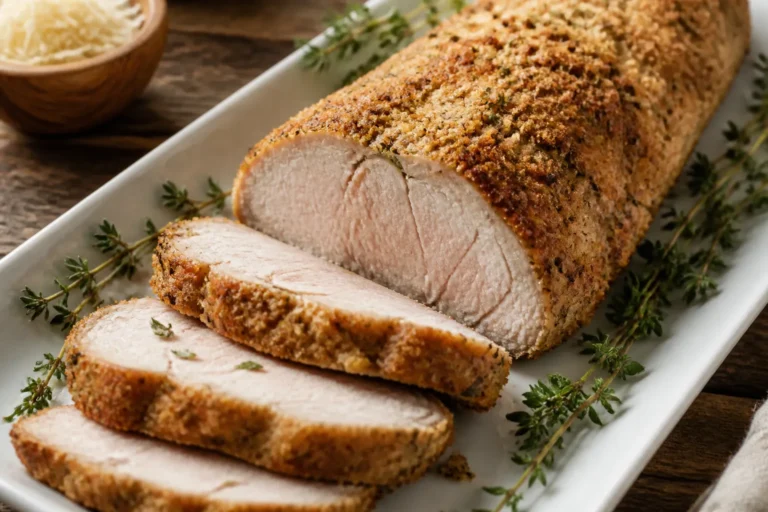
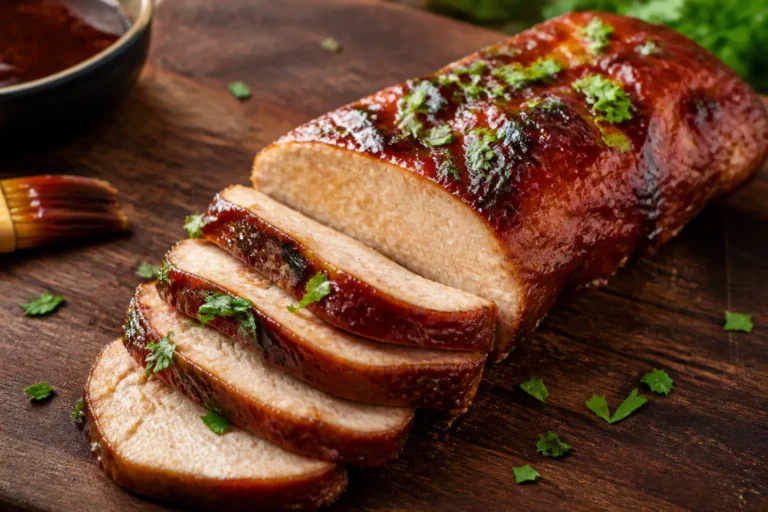
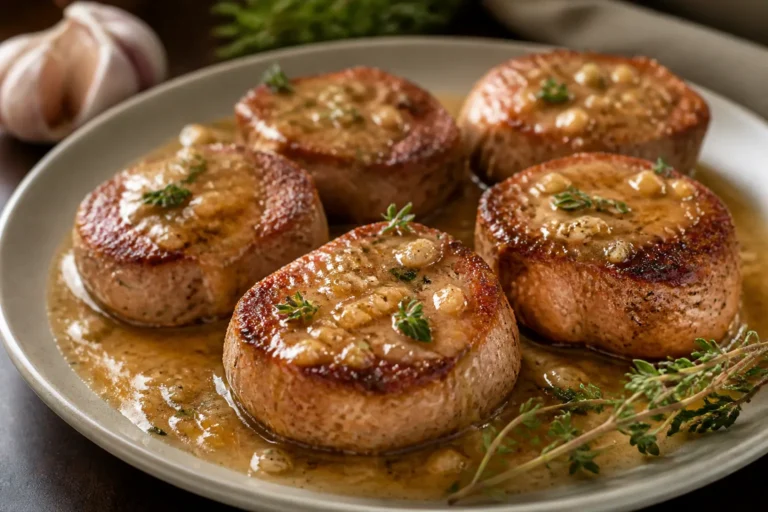
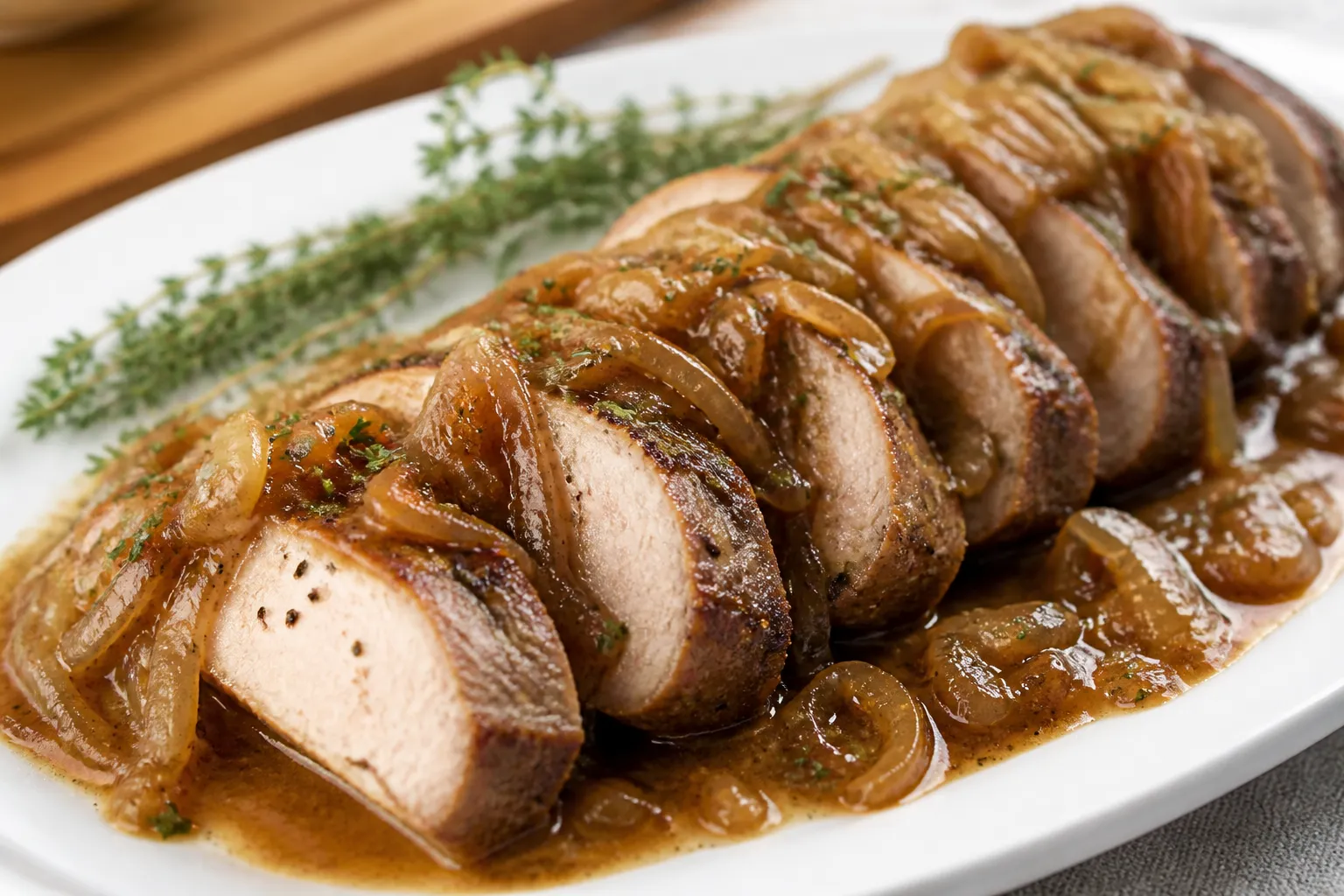
French Onion Pork Tenderloin brings the cozy flavors of classic French onion soup to a tender, juicy cut of pork. It’s rich, a little bit sweet from caramelized onions, and finished with a cheesy, broiled top that makes every bite memorable. This is the kind of dinner that tastes like you worked all day, but it comes together with steady, simple steps.
FREE 7-Day Easy Dinner Reset
Save time, eat healthier, and take the stress out of dinner. Get a full week of easy healthy dinners delivered straight to your inbox.
Serve it on a weeknight or save it for a small gathering—it fits both. If you love bold flavor without fuss, this one delivers.
Ingredients
Method
- Prep the pork: Pat the tenderloins dry. Season all over with salt, pepper, and smoked paprika. Let sit at room temperature for 15–20 minutes while you start the onions.
- Caramelize the onions: Heat a large oven-safe skillet over medium heat. Add butter and 1 tablespoon olive oil. Stir in the sliced onions and a pinch of salt. Cook, stirring every few minutes, for 25–35 minutes until deep golden and jammy. If they brown too fast, lower the heat and splash in a little water to deglaze.
- Add garlic and deglaze: Stir in garlic and cook 30 seconds. Pour in wine (if using) and scrape up browned bits. Let it reduce by about half. Add 1 cup of the beef stock, Worcestershire, thyme, and bay leaf. Simmer 5–7 minutes. Taste and season with salt and pepper. Transfer onions to a bowl, leaving some sauce in the pan.
- Sear the tenderloins: Return the skillet to medium-high heat and add the remaining tablespoon of olive oil. Sear the pork on all sides until nicely browned, about 6–8 minutes total.
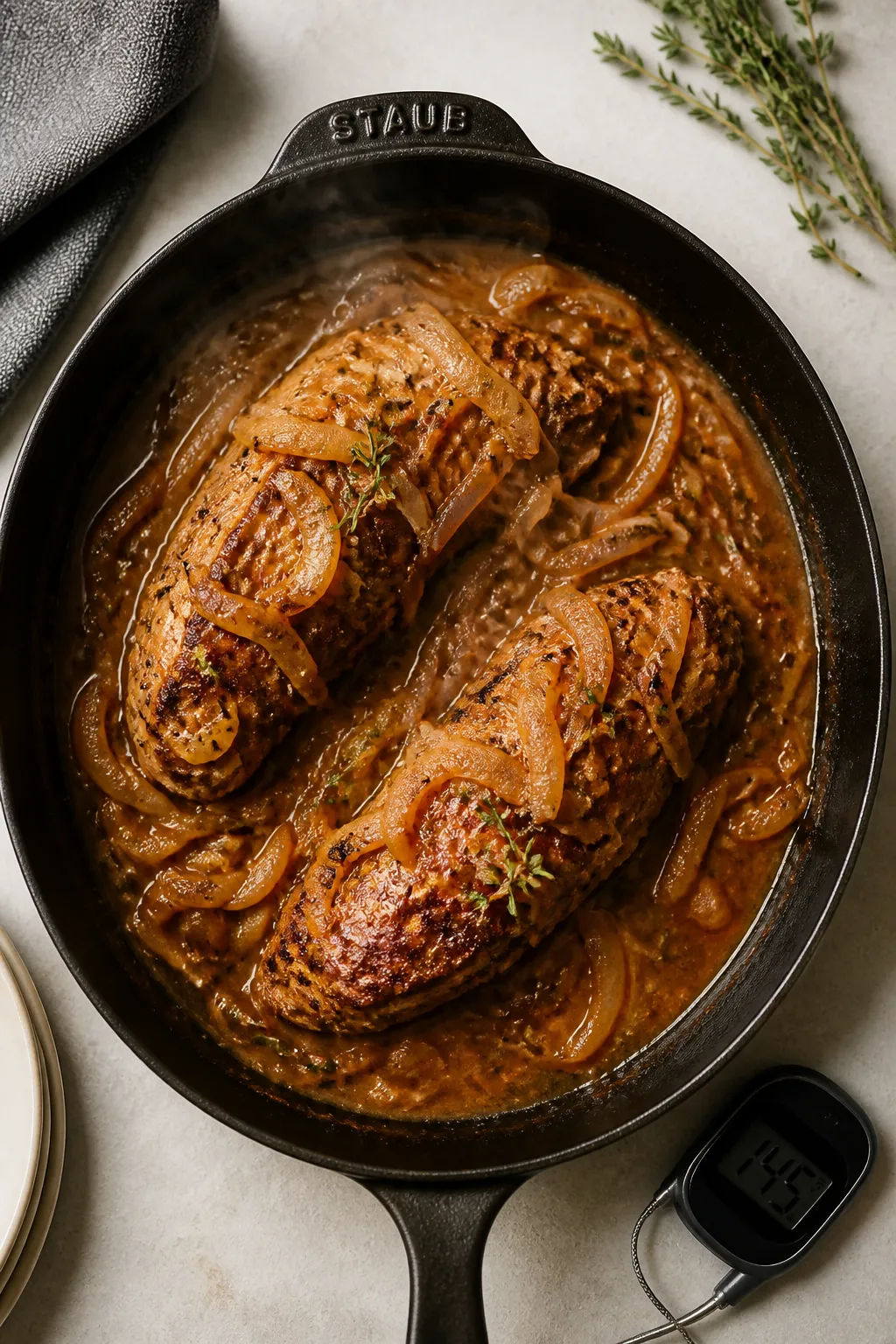
- Nestle and roast: Turn off the heat. Spoon most of the onions around and over the pork, reserving a little for topping. Whisk Dijon into the remaining 1/2 cup stock and pour around the pork. Tuck in the thyme sprigs and bay leaf if not already in the onions. Transfer the skillet to a 400°F (200°C) oven and roast 12–18 minutes, or until the thickest part reads 140–145°F (60–63°C).
- Rest the meat: Move the tenderloins to a plate and tent loosely with foil for 10 minutes. This keeps the juices in the meat.
- Finish the sauce (optional thickening): If you prefer a thicker sauce, bring the onion mixture to a gentle simmer on the stove. Sprinkle in the flour and whisk for 1 minute. Simmer 2–3 minutes until silky. Adjust seasoning.
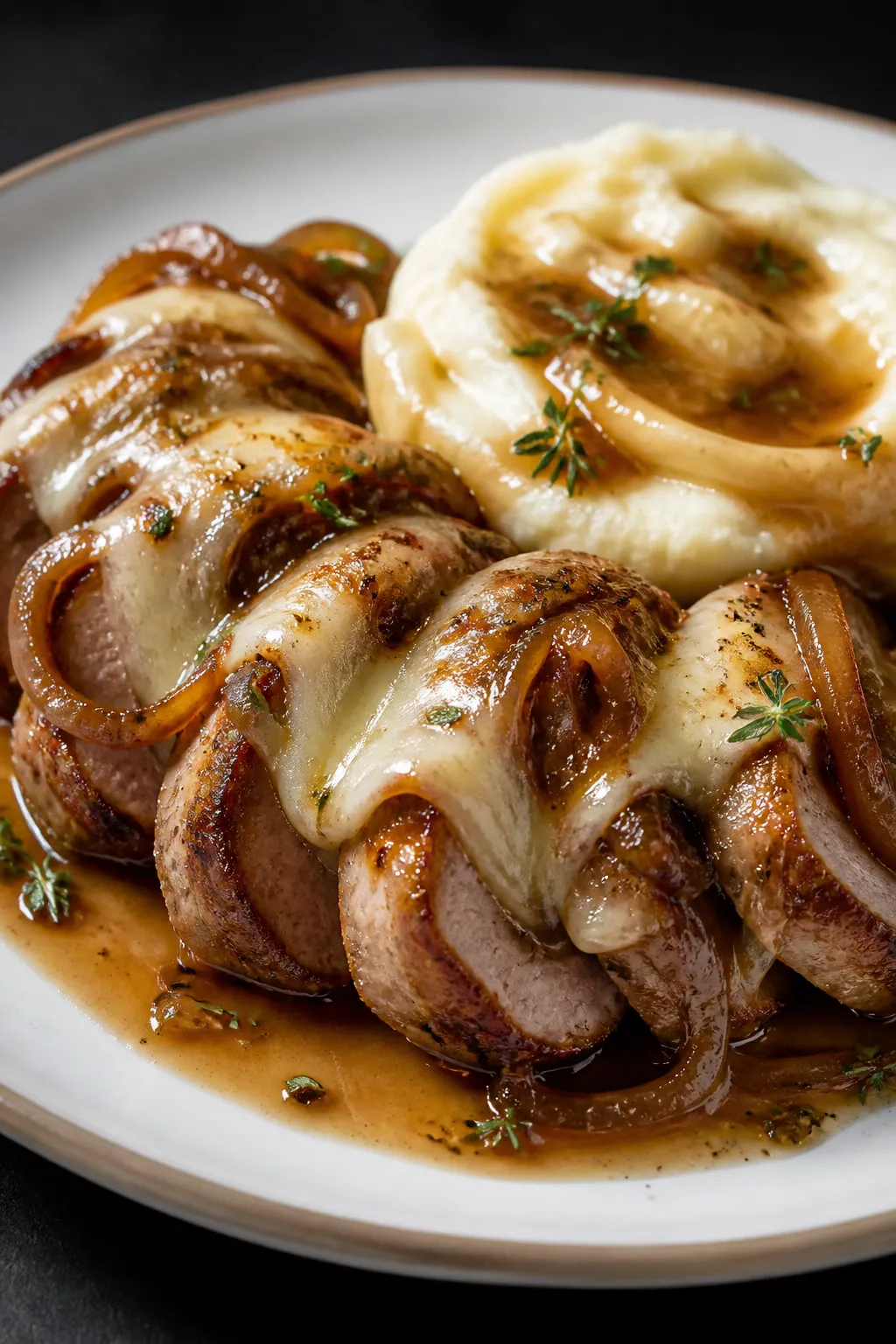
- Slice and top with cheese: Slice pork into medallions, about 1/2 inch thick. Return slices to the skillet, nestling them into the onions. Scatter the reserved onions on top. Cover evenly with shredded Gruyère or Swiss.
- Broil to melt: Set the oven to broil. Broil 1–3 minutes until the cheese is melted and bubbly with golden spots. Keep a close eye—it goes fast.
- Serve: Spoon saucy onions over each portion. Finish with fresh thyme leaves and cracked pepper. Pair with mashed potatoes, buttered egg noodles, or crusty bread.
Why This Recipe Works
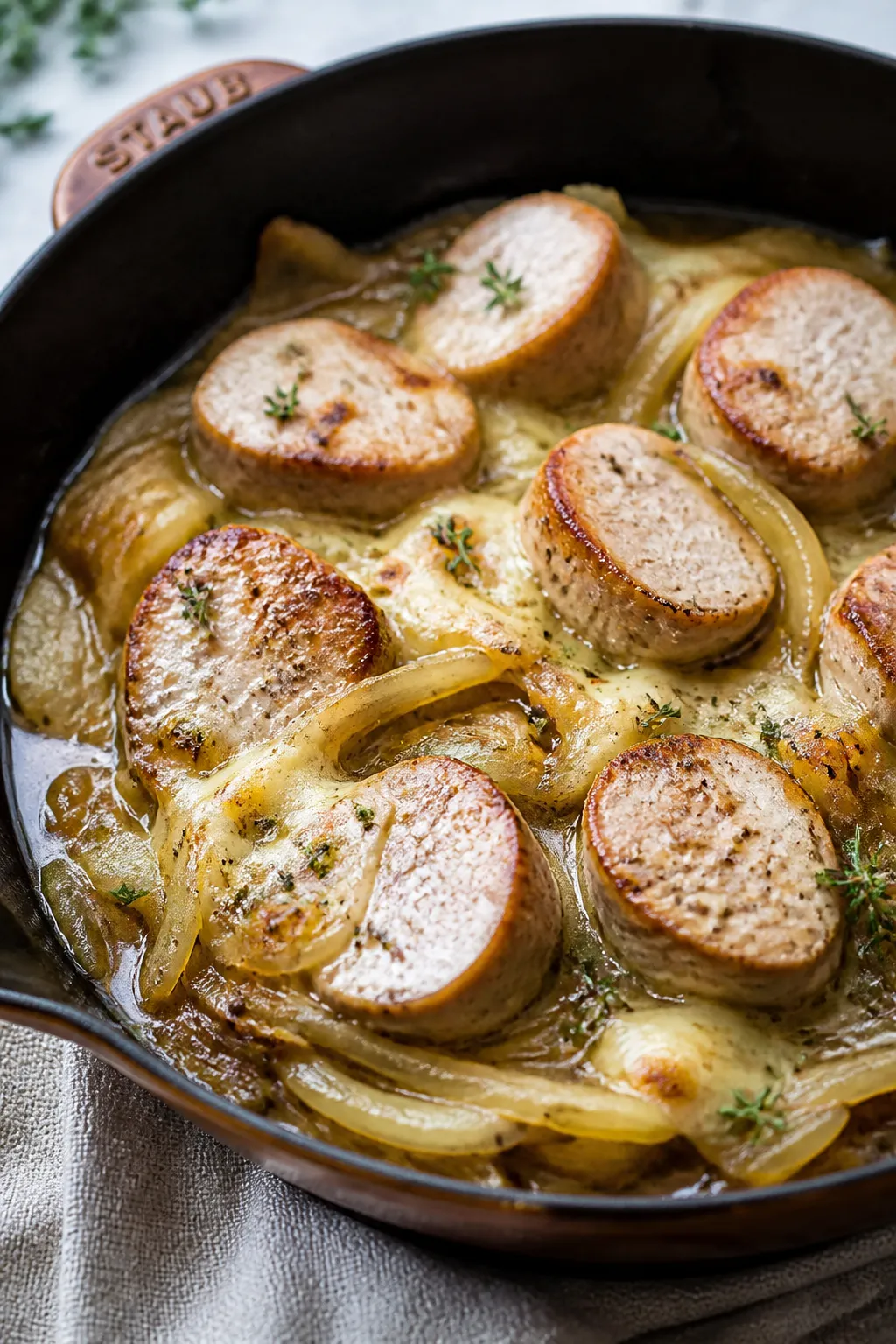
The secret is slow, patient onions. Caramelizing them draws out deep sweetness that pairs perfectly with savory pork.
A quick sear locks in the tenderloin’s juices, and a gentle roast keeps the meat moist and tender. Deglazing with beef stock (and a splash of wine if you like) builds a glossy, flavorful pan sauce that coats everything. A final layer of Gruyère or Swiss turns it into a French onion-style bake that’s comforting without being heavy.
What You’ll Need
- Pork tenderloins: 2 small (about 1 pound each), silver skin trimmed
- Yellow onions: 3 large, thinly sliced
- Butter: 2 tablespoons
- Olive oil: 2 tablespoons, divided
- Garlic: 3 cloves, minced
- Beef stock or broth: 1 1/2 cups, low-sodium
- Dry white wine: 1/2 cup (optional, can sub extra stock)
- Worcestershire sauce: 1 teaspoon
- Fresh thyme: 4–5 sprigs (or 1 teaspoon dried)
- Bay leaf: 1
- Dijon mustard: 1–2 teaspoons
- Gruyère or Swiss cheese: 1 to 1 1/2 cups, freshly grated
- All-purpose flour: 1 tablespoon (optional, for thicker sauce)
- Salt and black pepper: To taste
- Smoked paprika: 1/2 teaspoon (optional, for rub)
How to Make It
- Prep the pork: Pat the tenderloins dry.
Season all over with salt, pepper, and smoked paprika. Let sit at room temperature for 15–20 minutes while you start the onions.
- Caramelize the onions: Heat a large oven-safe skillet over medium heat. Add butter and 1 tablespoon olive oil.
Stir in the sliced onions and a pinch of salt. Cook, stirring every few minutes, for 25–35 minutes until deep golden and jammy. If they brown too fast, lower the heat and splash in a little water to deglaze.
- Add garlic and deglaze: Stir in garlic and cook 30 seconds.
Pour in wine (if using) and scrape up browned bits. Let it reduce by about half. Add 1 cup of the beef stock, Worcestershire, thyme, and bay leaf.
Simmer 5–7 minutes. Taste and season with salt and pepper. Transfer onions to a bowl, leaving some sauce in the pan.
- Sear the tenderloins: Return the skillet to medium-high heat and add the remaining tablespoon of olive oil.
Sear the pork on all sides until nicely browned, about 6–8 minutes total.
- Nestle and roast: Turn off the heat. Spoon most of the onions around and over the pork, reserving a little for topping. Whisk Dijon into the remaining 1/2 cup stock and pour around the pork.
Tuck in the thyme sprigs and bay leaf if not already in the onions. Transfer the skillet to a 400°F (200°C) oven and roast 12–18 minutes, or until the thickest part reads 140–145°F (60–63°C).
- Rest the meat: Move the tenderloins to a plate and tent loosely with foil for 10 minutes. This keeps the juices in the meat.
- Finish the sauce (optional thickening): If you prefer a thicker sauce, bring the onion mixture to a gentle simmer on the stove.
Sprinkle in the flour and whisk for 1 minute. Simmer 2–3 minutes until silky. Adjust seasoning.
- Slice and top with cheese: Slice pork into medallions, about 1/2 inch thick.
Return slices to the skillet, nestling them into the onions. Scatter the reserved onions on top. Cover evenly with shredded Gruyère or Swiss.
- Broil to melt: Set the oven to broil.
Broil 1–3 minutes until the cheese is melted and bubbly with golden spots. Keep a close eye—it goes fast.
- Serve: Spoon saucy onions over each portion. Finish with fresh thyme leaves and cracked pepper.
Pair with mashed potatoes, buttered egg noodles, or crusty bread.
Keeping It Fresh
Store leftovers in an airtight container in the fridge for up to 3–4 days. Reheat gently on the stove over low heat with a splash of stock to loosen the sauce. The cheese will soften but still taste great.
For freezing, skip the broil step and freeze the pork with onions and sauce (without cheese) for up to 2 months. Thaw overnight, rewarm, then add cheese and broil before serving.
Benefits of This Recipe
- Big flavor, simple steps: Caramelized onions and a quick pan sauce bring restaurant-level taste without complicated techniques.
- Flexible and forgiving: You can make the onions ahead, swap cheeses, or use stock instead of wine.
- Lean protein: Pork tenderloin is tender and lean, so you get richness from the onions and cheese without a heavy cut of meat.
- One-pan appeal: Sear, roast, and broil in the same skillet for easy cleanup.
- Great for guests: The melted cheese topping looks impressive, and the flavors feel special.
Common Mistakes to Avoid
- Rushing the onions: High heat will burn them before they sweeten. Keep it moderate and stir occasionally.
- Overcooking the pork: Tenderloin dries out fast past 145°F.
Use an instant-read thermometer for accuracy.
- Skipping the rest: Cutting the pork right away releases juices onto the board. Resting keeps every slice moist.
- Too much salt too early: As the sauce reduces, flavors concentrate. Season gradually and taste as you go.
- Pre-shredded cheese: Bagged cheese can be dry and slow to melt.
Freshly grated gives a smoother, gooier top.
Variations You Can Try
- Mushroom twist: Add 8 ounces of sliced cremini mushrooms to the onions for extra umami.
- Onion mix: Use a combo of yellow, sweet, and a little red onion for layered sweetness.
- Balsamic boost: Stir in 1–2 teaspoons of balsamic vinegar at the end of caramelizing for a gentle tang.
- Cheese swap: Try provolone for mild meltiness or Comté for a nutty finish. A touch of Parmesan adds sharpness.
- Herb-forward: Replace thyme with rosemary or add a small splash of sherry for a different aromatic profile.
- Open-faced style: Serve slices on toasted baguette rounds, spoon onions on top, add cheese, and broil for party bites.
Need More Easy Dinner Ideas?
Get my FREE 7-Day Easy Dinner Reset and enjoy a full week of healthy dinners without the meal-planning stress.
FAQ
Can I use pork loin instead of tenderloin?
Yes, but adjust the timing. Pork loin is thicker and leaner, so sear well and roast longer at 350°F until it reaches 145°F.
Consider slicing the loin into 2–3 smaller roasts to speed it up and keep it juicy.
What if I don’t cook with wine?
Use all beef stock and add a teaspoon of apple cider vinegar or lemon juice at the end for brightness. You’ll still get a deep, savory sauce.
How do I know when the onions are done?
They should be soft, deep golden-brown, and sweet with no bite. Taste them.
If they’re still sharp or watery, keep going on low heat and stir now and then.
Can I make parts of this ahead?
Absolutely. Caramelize the onions up to 3 days ahead and keep them chilled. When ready to cook, sear the pork, add the onions and liquids, roast, then finish with cheese.
What sides go best with this?
Mashed potatoes, creamy polenta, buttered egg noodles, roasted green beans, or a crisp green salad all work well.
A slice of crusty bread is perfect for the sauce.
How do I avoid a greasy sauce?
Use low-sodium stock and don’t overdo the butter or oil early on. If excess fat pools after roasting, spoon off before thickening or broiling.
Can I make it on the stovetop only?
Yes. After searing and adding the onions and liquids, cover and gently simmer until the pork reaches temp.
Slice, return to the pan, top with cheese, and cover to melt. You won’t get the broiled browning, but it will still taste great.
Wrapping Up
French Onion Pork Tenderloin blends the comfort of a bistro classic with the ease of a one-pan dinner. Slow onions, a quick sear, and a cheesy finish are all you need for a stand-out meal.
Keep the steps simple, watch the temperature, and let the ingredients do the work. It’s an everyday recipe that feels like a special occasion, and it never disappoints.
Printable Recipe Card
Want just the essential recipe details without scrolling through the article? Get our printable recipe card with just the ingredients and instructions.
Loved This Recipe?
If you're looking for more simple, healthy dinners your family will actually eat, grab my FREE 7-Day Easy Dinner Reset. You'll get 7 easy dinner recipes, simple grocery lists, and a done-for-you plan that takes the stress out of mealtime.