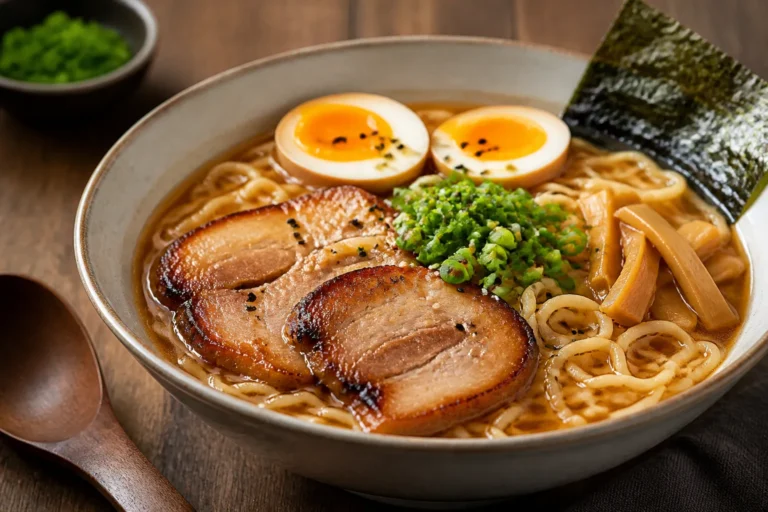
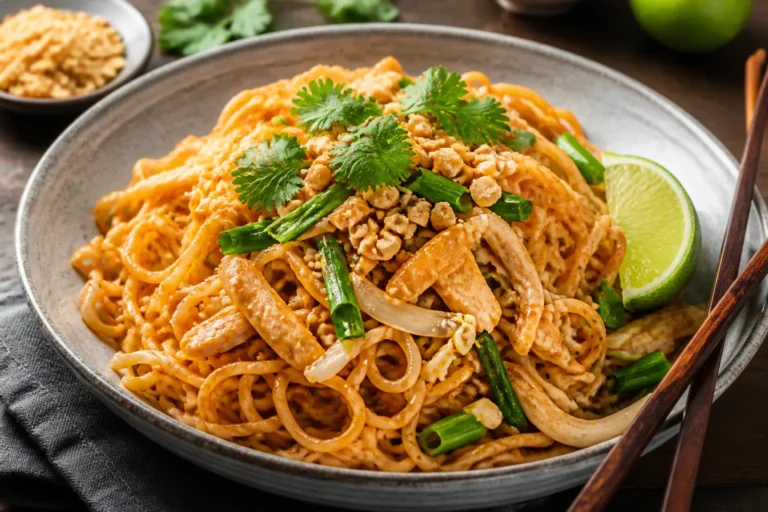
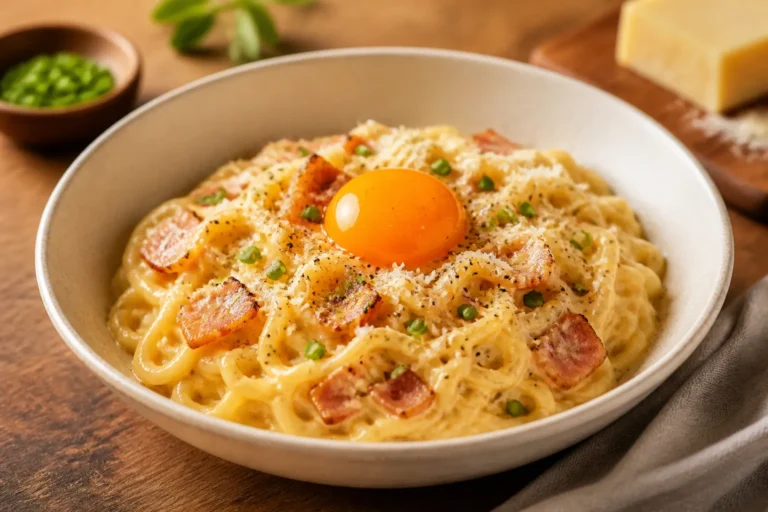
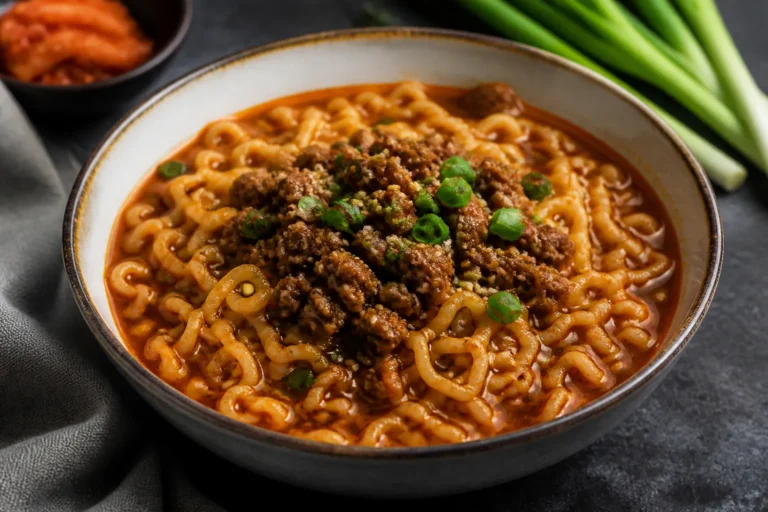
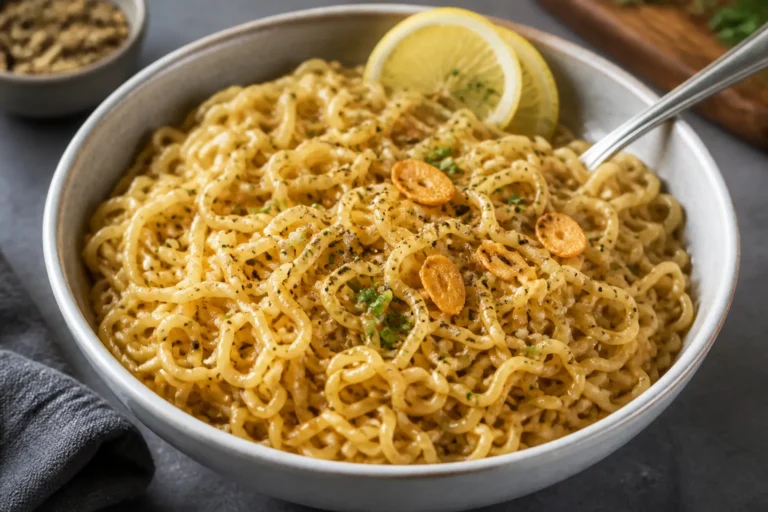
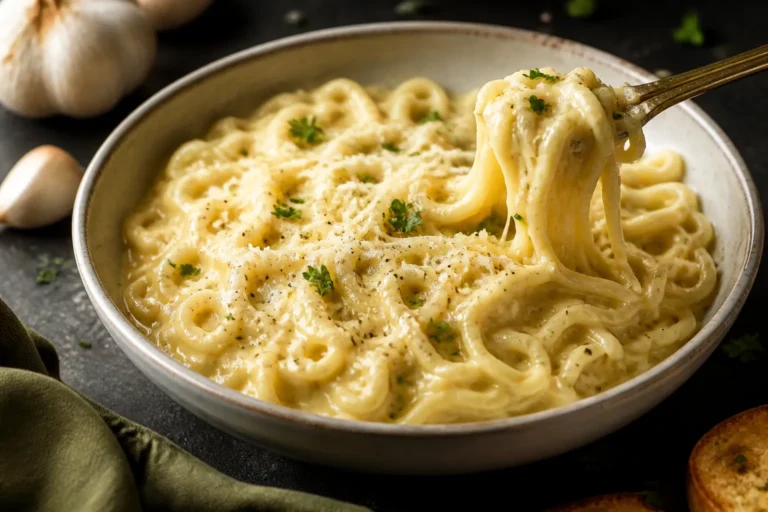
Garlic Sesame Chicken Ramen – Cozy, Flavor-Packed Noodles
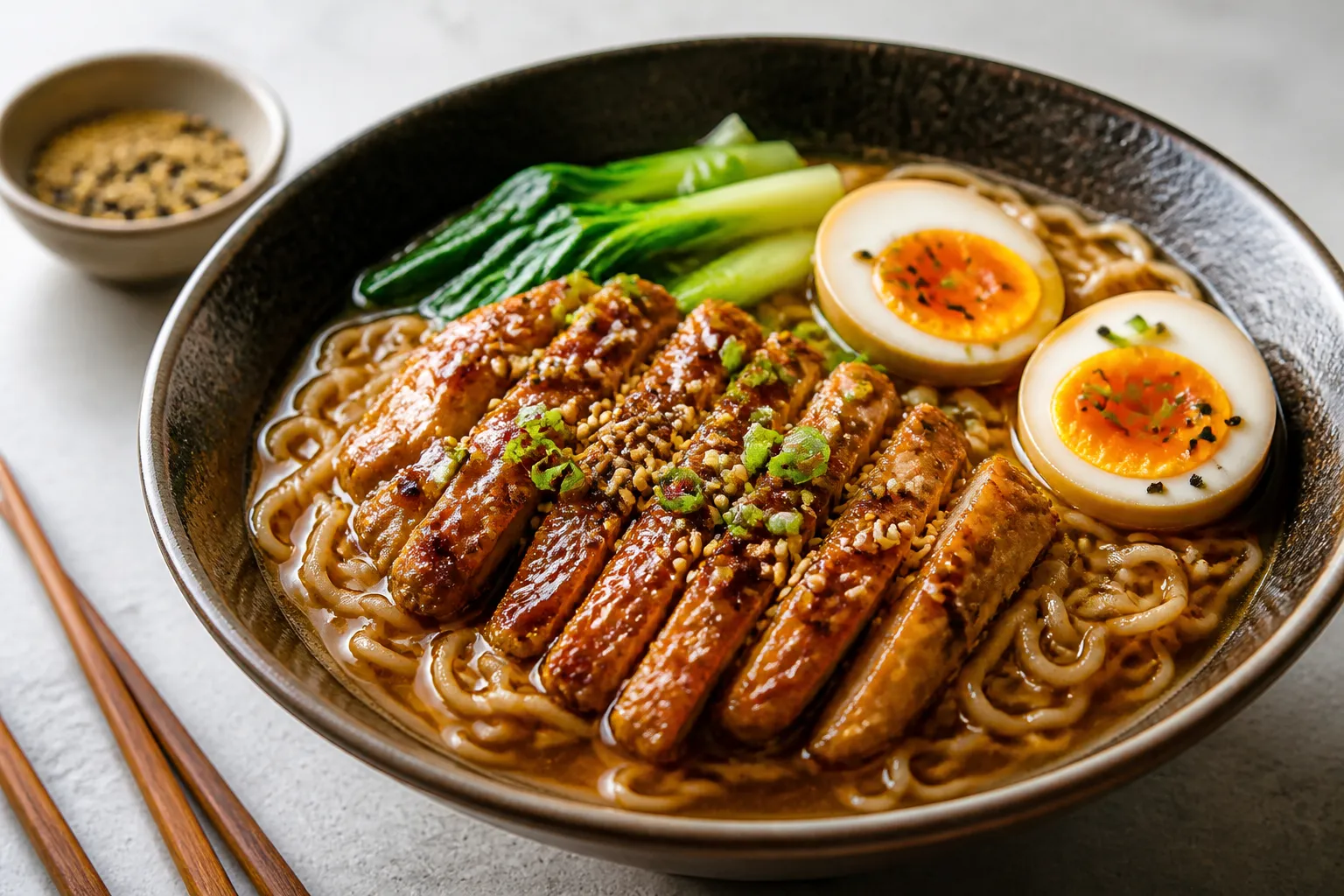
This garlic sesame chicken ramen brings restaurant-level comfort to your kitchen with simple steps and everyday ingredients. It’s savory, a little nutty, and full of garlicky depth, with tender chicken and springy noodles in a glossy, slurpable broth. The whole thing comes together quickly but tastes like you simmered it for hours.
FREE 7-Day Easy Dinner Reset
Save time, eat healthier, and take the stress out of dinner. Get a full week of easy healthy dinners delivered straight to your inbox.
Whether you’re feeding a busy weeknight or craving a satisfying bowl on a chilly evening, this recipe hits the spot. Bonus: it’s flexible, so you can adjust heat, veggies, and toppings to fit what you like.
Ingredients
Method
- Prep the aromatics and chicken. Mince the garlic and grate the ginger. Slice the green onions, keeping whites and greens separate. Pat the chicken dry, season with salt and pepper, and toss with the cornstarch to lightly coat.
- Toast the sesame seeds. In a dry pot or Dutch oven over medium heat, add sesame seeds and toast until golden and fragrant, about 1–2 minutes. Transfer to a small bowl for later.
- Sear the chicken. Heat the neutral oil in the same pot over medium-high. Add chicken in a single layer and cook until browned and just cooked through, 4–6 minutes. Work in batches to avoid steaming. Remove to a plate and keep warm.
- Sweat the aromatics. Reduce heat to medium. Add a drizzle of oil if the pot looks dry. Add green onion whites, garlic, and ginger. Cook 30–60 seconds, stirring, until fragrant. Do not let the garlic burn.
- Build the broth. Pour in chicken broth, soy sauce, brown sugar or honey, and chili-garlic sauce if using. Stir and bring to a gentle simmer. Let it bubble for 5–7 minutes to marry the flavors.
- Add veggies. Drop in mushrooms and carrots first if using, and simmer 3–4 minutes. Add quick-cooking greens like spinach or bok choy in the last 1–2 minutes so they stay bright.
- Cook the noodles. For best texture, cook ramen in a separate pot of boiling water according to package directions minus 30–60 seconds. Drain well. This keeps the broth clear and the noodles springy.
- Finish the soup. Return the chicken (and any juices) to the pot. Stir in toasted sesame oil, rice vinegar, and half the toasted sesame seeds. Taste and adjust seasoning with soy sauce, salt, or a pinch more vinegar.
- Assemble. Divide noodles between bowls. Ladle hot broth and chicken over top. Garnish with green onion greens, remaining sesame seeds, and any optional toppings like soft-boiled egg or chili oil.
- Serve immediately. Ramen is best hot and freshly assembled so the noodles keep their bite.
Why This Recipe Works
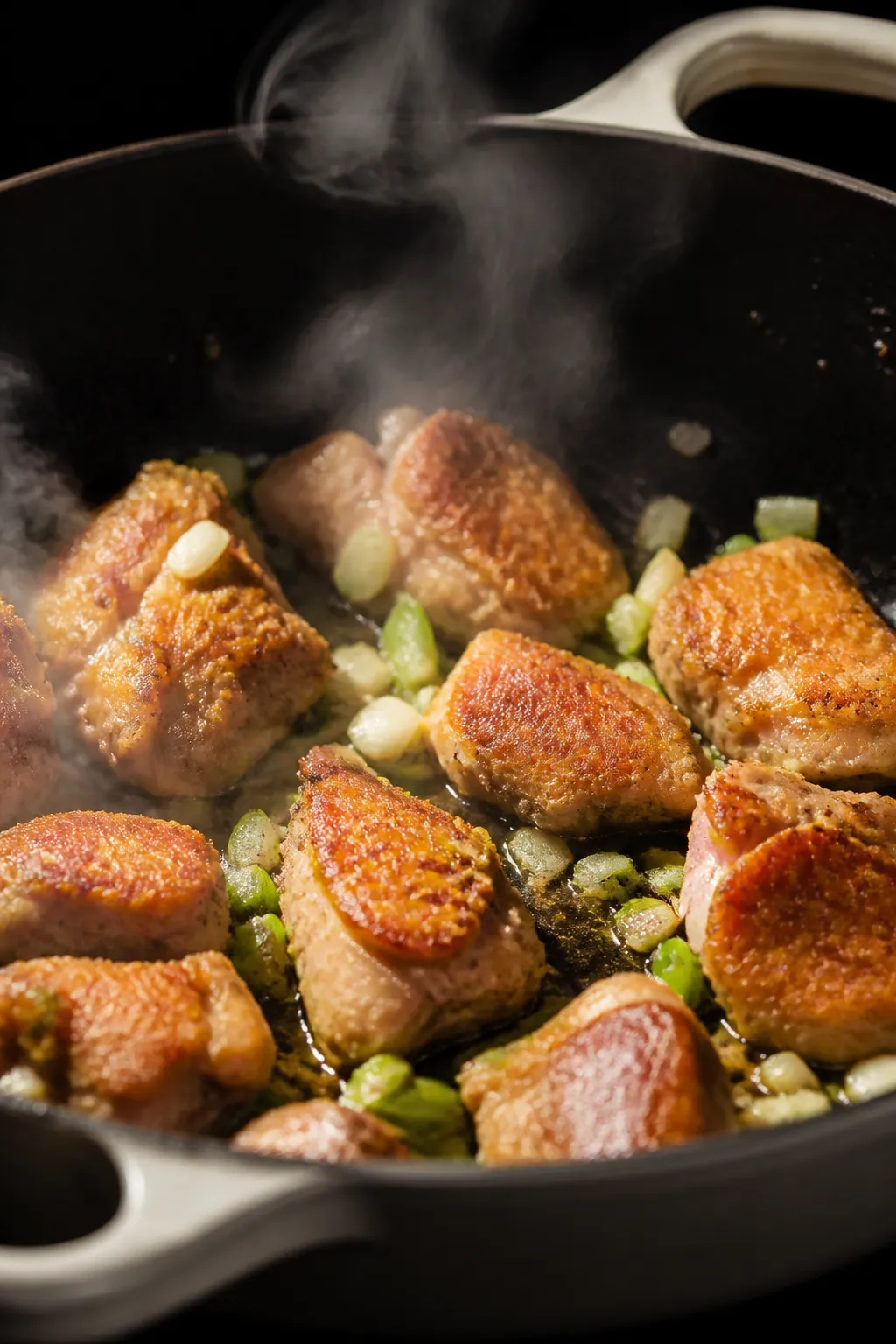
The base is a quick broth enriched with sesame oil, soy sauce, and garlic, so you get deep flavor without long cooking time. Chicken thighs stay juicy and hold up well in the broth, while a cornstarch dusting helps them sear beautifully and stay tender.
Toasted sesame gives a nutty backbone that pairs perfectly with the garlic-forward sauce. The noodles go in at the end to keep them bouncy, not mushy, and a splash of rice vinegar lifts the richness so each bite stays balanced.
Shopping List
- Chicken: 1 pound boneless, skinless chicken thighs (or breasts), cut into bite-sized pieces
- Ramen noodles: 10–12 ounces fresh or 4 blocks dried ramen (discard seasoning packets)
- Garlic: 6–8 cloves, finely minced or grated
- Ginger: 1 tablespoon fresh, grated (optional but recommended)
- Green onions: 4–5, thinly sliced (whites and greens separated)
- Vegetables: 2 cups total; good options are baby bok choy, spinach, mushrooms, or shredded carrots
- Chicken broth: 6 cups low-sodium
- Soy sauce: 1/4 cup low-sodium
- Toasted sesame oil: 2 tablespoons
- Sesame seeds: 1–2 tablespoons, lightly toasted
- Rice vinegar: 2 teaspoons
- Brown sugar or honey: 1–2 teaspoons
- Chili-garlic sauce or sambal: 1–2 teaspoons (optional, for heat)
- Cornstarch: 1 tablespoon
- Neutral oil: 1–2 tablespoons (canola, avocado, or vegetable)
- Salt and black pepper: to taste
- Toppings (optional): soft-boiled eggs, nori strips, extra sesame seeds, chili oil, lime wedges, cilantro
Step-by-Step Instructions
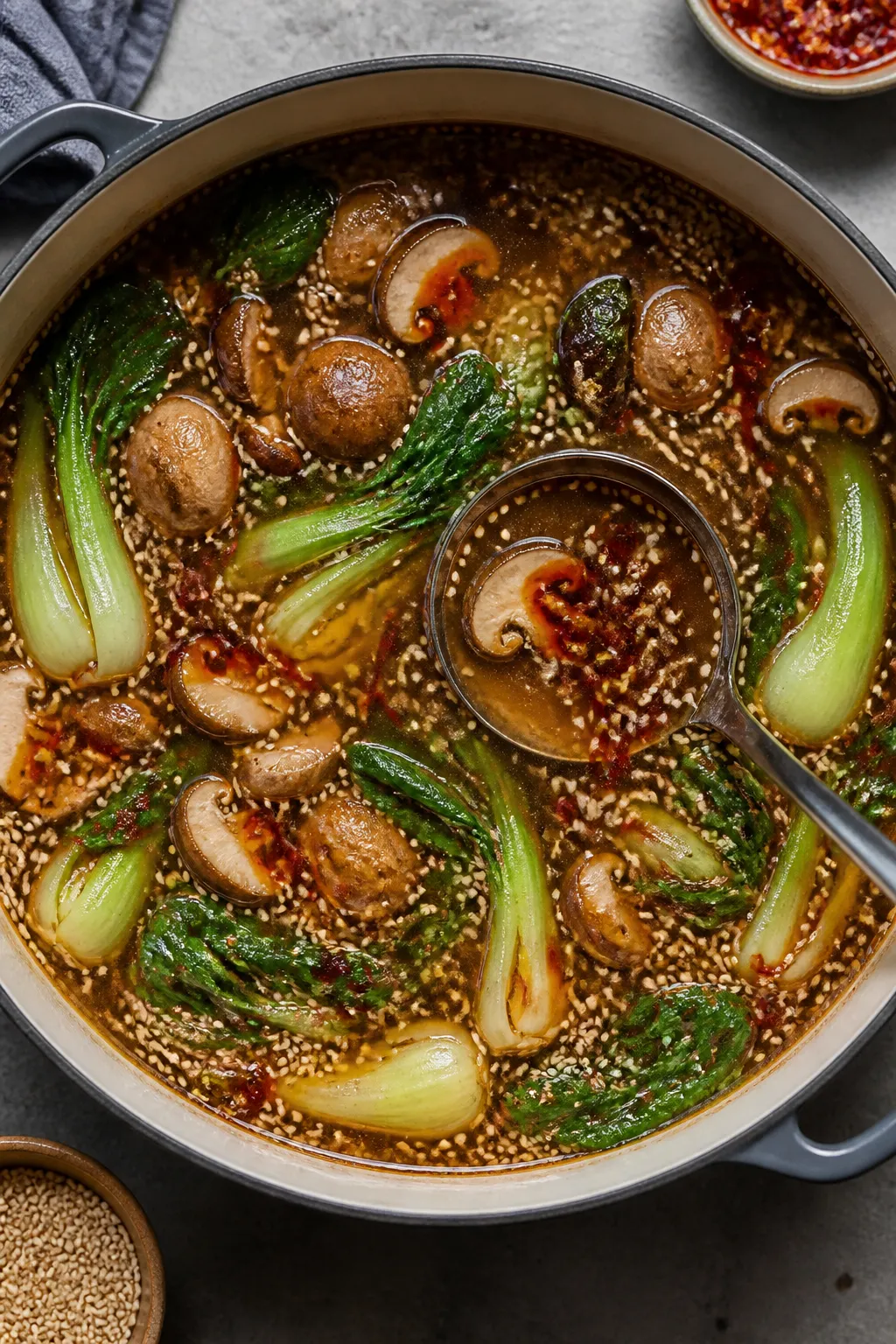
- Prep the aromatics and chicken. Mince the garlic and grate the ginger. Slice the green onions, keeping whites and greens separate.
Pat the chicken dry, season with salt and pepper, and toss with the cornstarch to lightly coat.
- Toast the sesame seeds. In a dry pot or Dutch oven over medium heat, add sesame seeds and toast until golden and fragrant, about 1–2 minutes. Transfer to a small bowl for later.
- Sear the chicken. Heat the neutral oil in the same pot over medium-high. Add chicken in a single layer and cook until browned and just cooked through, 4–6 minutes.
Work in batches to avoid steaming. Remove to a plate and keep warm.
- Sweat the aromatics. Reduce heat to medium. Add a drizzle of oil if the pot looks dry.
Add green onion whites, garlic, and ginger. Cook 30–60 seconds, stirring, until fragrant. Do not let the garlic burn.
- Build the broth. Pour in chicken broth, soy sauce, brown sugar or honey, and chili-garlic sauce if using.
Stir and bring to a gentle simmer. Let it bubble for 5–7 minutes to marry the flavors.
- Add veggies. Drop in mushrooms and carrots first if using, and simmer 3–4 minutes. Add quick-cooking greens like spinach or bok choy in the last 1–2 minutes so they stay bright.
- Cook the noodles. For best texture, cook ramen in a separate pot of boiling water according to package directions minus 30–60 seconds.
Drain well. This keeps the broth clear and the noodles springy.
- Finish the soup. Return the chicken (and any juices) to the pot. Stir in toasted sesame oil, rice vinegar, and half the toasted sesame seeds.
Taste and adjust seasoning with soy sauce, salt, or a pinch more vinegar.
- Assemble. Divide noodles between bowls. Ladle hot broth and chicken over top. Garnish with green onion greens, remaining sesame seeds, and any optional toppings like soft-boiled egg or chili oil.
- Serve immediately. Ramen is best hot and freshly assembled so the noodles keep their bite.
How to Store
Store broth and noodles separately. Noodles left in broth will soak it up and turn mushy.
Keep them in airtight containers in the fridge for up to 3 days. Reheat the broth to a gentle simmer, then add the noodles just to warm through. For longer storage, freeze the broth and chicken (without noodles or delicate greens) for up to 2 months.
Thaw overnight in the fridge and boil fresh noodles when you’re ready to eat.
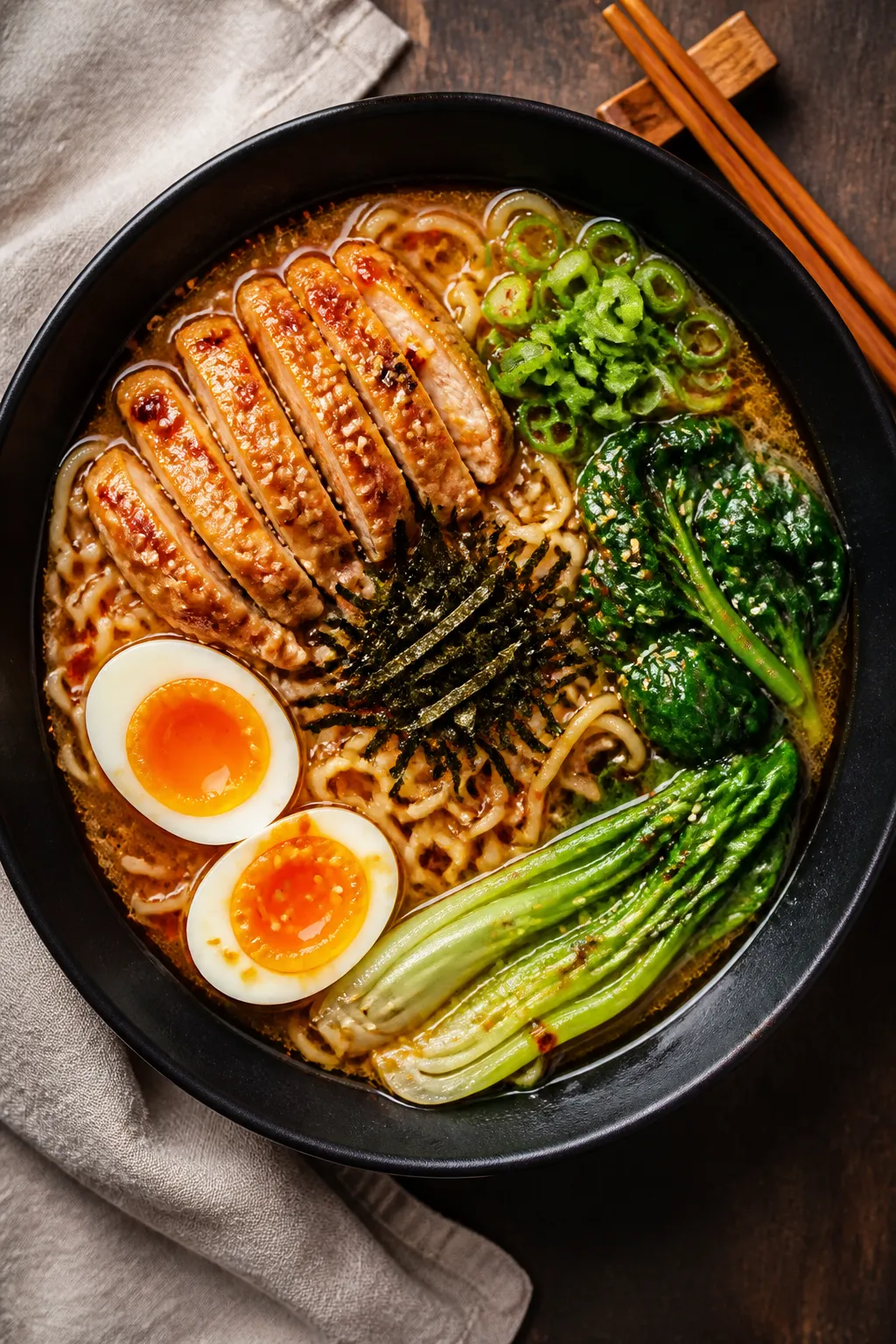
Benefits of This Recipe
- Fast but full of flavor: You get a rich, layered broth in under 30 minutes.
- Weeknight-friendly: Uses straightforward steps and common pantry items.
- Balanced and comforting: Savory soy, nutty sesame, bright vinegar, and gentle heat keep it interesting.
- Customizable: Easy to swap proteins and veggies based on what you have.
- Meal-prep smart: Make the broth ahead, then add fresh noodles when serving.
What Not to Do
- Don’t boil the noodles in the soup. It clouds the broth and leads to soggy noodles.
- Don’t skip the vinegar. A small splash brightens the broth and balances the sesame richness.
- Don’t overcook the chicken. Pull it as soon as it’s cooked through to keep it tender.
- Don’t burn the garlic. Bitter garlic will overpower the bowl. Keep heat moderate.
- Don’t forget to taste as you go. Broth, soy, and sesame levels vary; adjust to your palate.
Recipe Variations
- Spicy Miso Ramen: Whisk 1–2 tablespoons white miso into the simmering broth and add extra chili-garlic sauce. Finish with a dab of chili crisp.
- Coconut-Sesame Twist: Swap 1–2 cups of broth with light coconut milk.
Add a squeeze of lime and fresh cilantro for a lighter, tropical vibe.
- Veggie-Forward: Skip the chicken and use vegetable broth. Add tofu cubes or edamame for protein, plus shiitakes and cabbage for texture.
- Peanut-Garlic Boost: Stir 1–2 tablespoons smooth peanut butter into the hot broth until dissolved for a thicker, satay-like finish.
- Crispy Chicken Topping: Instead of simmering, air-fry or pan-crisp the cornstarch-coated chicken and add it to bowls just before serving.
- Whole-Grain Noodles: Use whole-wheat ramen or soba for extra fiber. Cook slightly under so they don’t go soft.
FAQ
Can I use rotisserie chicken?
Yes.
Need More Easy Dinner Ideas?
Get my FREE 7-Day Easy Dinner Reset and enjoy a full week of healthy dinners without the meal-planning stress.
Shred rotisserie chicken and add it in step 8 to warm through. Since it’s already cooked, reduce salt slightly and skip the cornstarch sear.
What kind of ramen noodles work best?
Fresh ramen gives the best chew, but quality dried noodles are great. Avoid instant noodles with waxy, fragile texture; look for alkaline-style or air-dried ramen if possible.
How can I make it gluten-free?
Use tamari or gluten-free soy sauce, and swap ramen for gluten-free rice ramen or buckwheat soba labeled gluten-free.
Confirm your broth is gluten-free as well.
Is there a way to make it extra garlicky without bitterness?
Use a mix of minced garlic (for punch) and gently sautéed sliced garlic (for sweetness). Keep heat moderate and cook just until fragrant, not browned.
Can I cook everything in one pot?
You can, but the noodles will absorb more broth and soften quickly. If you go one-pot, add noodles at the very end and serve immediately to preserve texture.
How do I get a richer broth?
Simmer an extra 10–15 minutes, add a spoonful of white miso, or toss in a piece of kombu while heating (remove before serving).
A knob of butter whisked in at the end also adds body.
What vegetables hold up best?
Mushrooms, bok choy stems, and cabbage handle heat well. Add quick-cooking greens like spinach or bok choy leaves right before serving so they stay vibrant.
Can I make it ahead?
Yes. Make the broth and chicken up to 3 days in advance.
Reheat gently and add freshly cooked noodles and greens when serving for best texture.
How spicy is it?
As written, it’s mild. Add sambal, chili-garlic sauce, or chili oil to taste. Start small and build up so the sesame and garlic still shine.
What’s a good garnish combo?
Try soft-boiled egg, green onions, toasted sesame, and a drizzle of chili oil.
Nori strips and a squeeze of lime are great finishing touches.
Wrapping Up
Garlic sesame chicken ramen is the kind of bowl that feels special without demanding much from you. It’s rich but balanced, adaptable, and fast enough for weeknights. Keep broth and noodles separate for storage, tweak the heat and veggies to your taste, and don’t skip that final splash of vinegar.
Once you learn this base, you can riff on it all season long—and every bowl will be soul-warming and satisfying.
Printable Recipe Card
Want just the essential recipe details without scrolling through the article? Get our printable recipe card with just the ingredients and instructions.
Loved This Recipe?
If you're looking for more simple, healthy dinners your family will actually eat, grab my FREE 7-Day Easy Dinner Reset. You'll get 7 easy dinner recipes, simple grocery lists, and a done-for-you plan that takes the stress out of mealtime.