Teriyaki Chicken Stir Fry Bowls – Fast, Flavorful, and Weeknight-Friendly
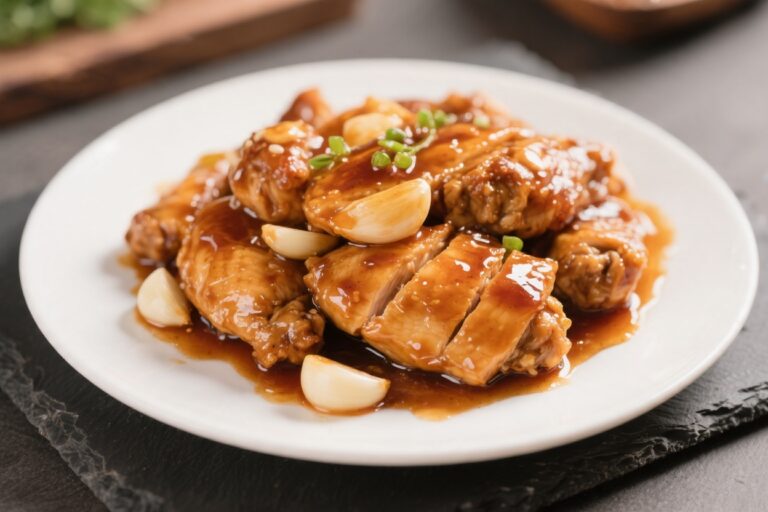
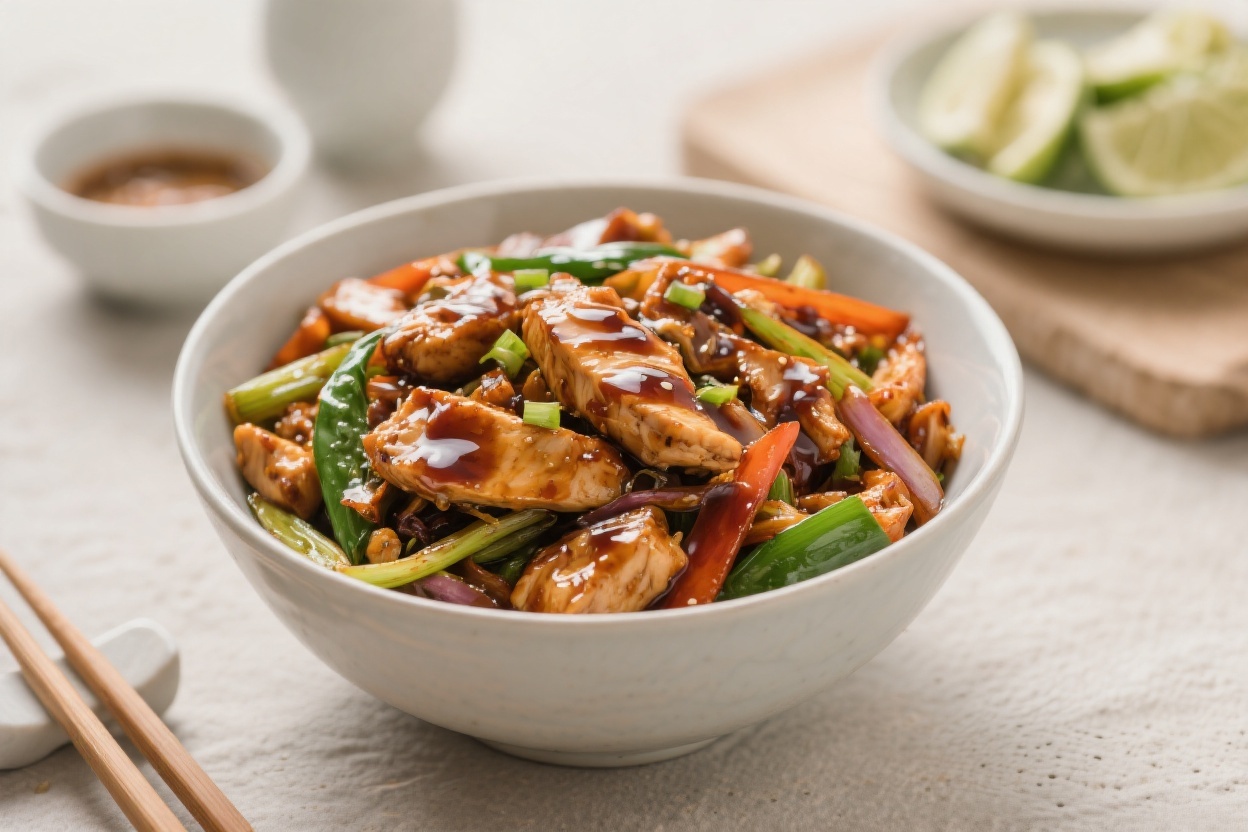
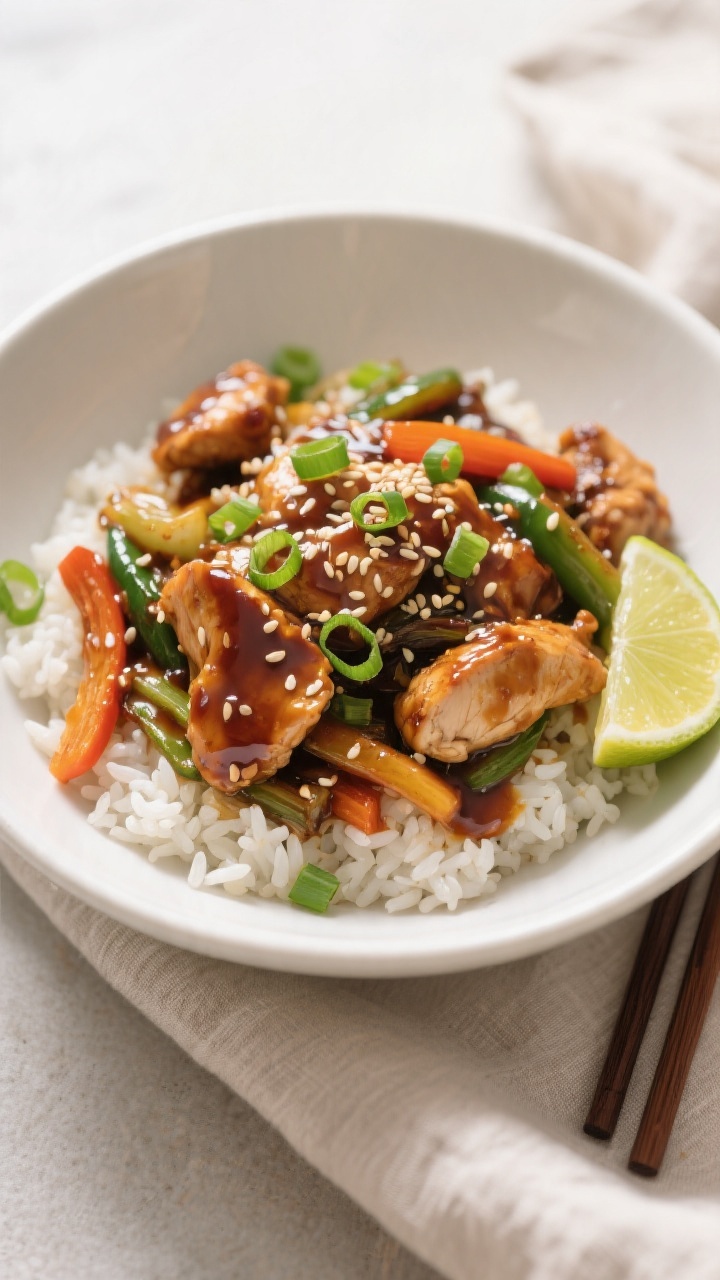
Teriyaki Chicken Stir Fry Bowls are the kind of meal that makes busy nights feel easy. Tender chicken, crisp veggies, and glossy teriyaki sauce come together in one pan and land on a fluffy bed of rice. It’s simple to make, endlessly flexible, and tastes like takeout—in the best way.
FREE 7-Day Easy Dinner Reset
Save time, eat healthier, and take the stress out of dinner. Get a full week of easy healthy dinners delivered straight to your inbox.
If you’re craving something satisfying without a sink full of dishes, this checks all the boxes. Make it once, and it’ll slide into your regular rotation.
Ingredients
Method
- Cook the rice. Start your rice first so it’s ready when the stir fry is done. Keep it warm.
- Prep everything. Slice the chicken thinly across the grain. Cut all vegetables into bite-size pieces. Mince garlic and ginger. Have ingredients ready—stir fry moves fast.
- Whisk the teriyaki sauce. In a bowl, combine soy sauce, honey, rice vinegar, sesame oil, water, and sriracha if using. Stir the cornstarch with water in a separate small cup and keep both nearby.
- Heat the pan properly. Place a large skillet or wok over medium-high heat. Add 1 tablespoon oil and let it shimmer. A hot pan sears the chicken and keeps veggies crisp.
- Sear the chicken. Add chicken in a single layer. Sprinkle with a pinch of salt and pepper. Cook 3–5 minutes, stirring occasionally, until just cooked through and lightly browned. Transfer to a plate.
- Stir fry the veggies. Add a bit more oil if needed. Toss in broccoli, carrots, onion, bell pepper, and snap peas. Stir fry 3–4 minutes until crisp-tender. Add garlic and ginger, and cook 30 seconds until fragrant.
- Combine and sauce. Return chicken to the pan. Pour in the teriyaki sauce base, stir, then mix in the cornstarch slurry. Cook 1–2 minutes, stirring, until the sauce thickens and coats everything.
- Taste and adjust. If it needs more sweetness, add a drizzle of honey. More salt? A splash of soy sauce. More heat? A touch of sriracha. Finish with a squeeze of lime for brightness if you like.
- Build the bowls. Spoon rice into bowls. Top with the teriyaki chicken and veggies. Garnish with sesame seeds and green onions.
Why This Recipe Works
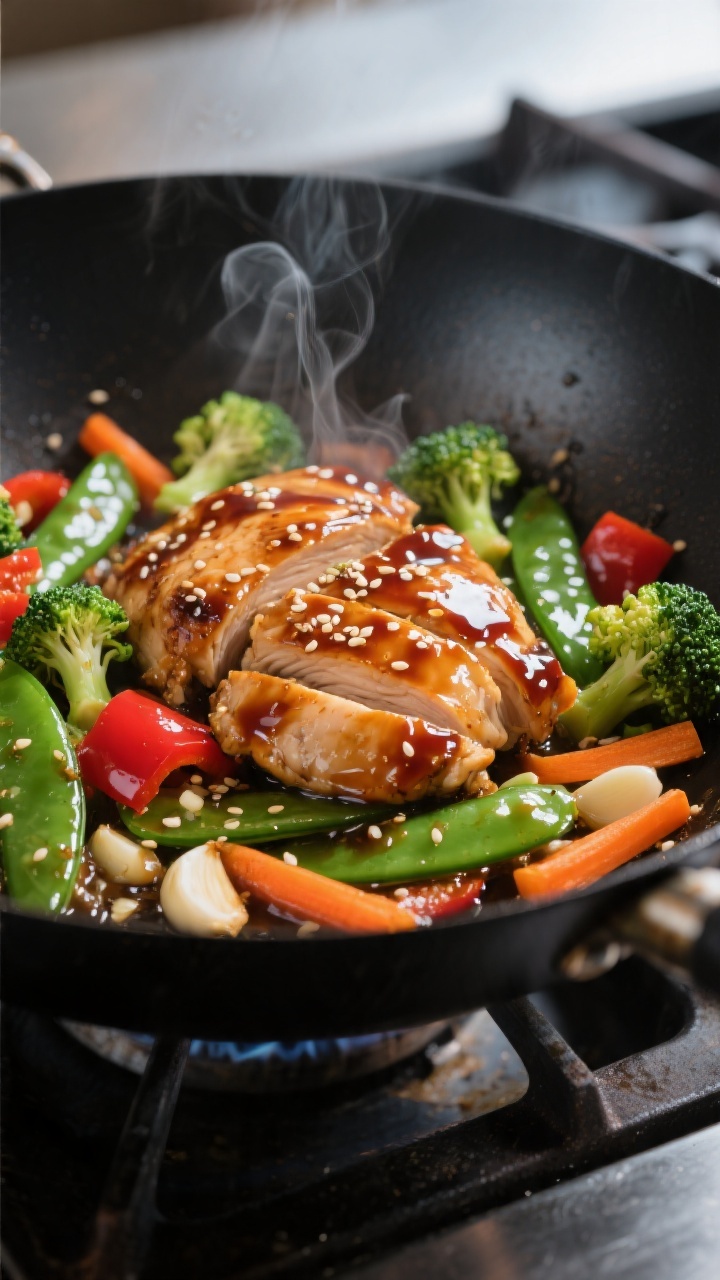
This recipe nails the balance of sweet, savory, and fresh. The sauce is quick to whisk up with pantry staples, and it clings to the chicken and vegetables without turning sticky or gloopy.
Using thinly sliced chicken means faster cooking and more surface area for caramelization. A hot pan keeps the veggies crisp-tender, so they never go soggy. Best of all, the bowl format makes it easy to customize for different tastes and diets.
Shopping List
- Chicken: 1.5 pounds boneless, skinless chicken thighs or breasts, thinly sliced
- Vegetables: 2 cups broccoli florets, 1 red bell pepper (sliced), 1 small carrot (matchsticks), 1 small red onion (sliced), 1 cup snap peas
- Aromatics: 3 cloves garlic (minced), 1 tablespoon fresh ginger (minced)
- Teriyaki Sauce: 1/3 cup low-sodium soy sauce or tamari, 3 tablespoons honey or brown sugar, 2 tablespoons rice vinegar, 1 tablespoon toasted sesame oil, 1/2 cup water, 1–2 teaspoons sriracha or chili-garlic sauce (optional)
- Thickener: 2 teaspoons cornstarch mixed with 2 teaspoons water
- For Cooking: 1–2 tablespoons neutral oil (canola, avocado, or peanut)
- For Serving: 3–4 cups cooked rice (white, brown, or jasmine), sesame seeds, sliced green onions, lime wedges (optional)
- Optional Add-Ins: Mushrooms, zucchini, baby corn, edamame, pineapple chunks
How to Make It
- Cook the rice. Start your rice first so it’s ready when the stir fry is done.
Keep it warm.
- Prep everything. Slice the chicken thinly across the grain. Cut all vegetables into bite-size pieces. Mince garlic and ginger.
Have ingredients ready—stir fry moves fast.
- Whisk the teriyaki sauce. In a bowl, combine soy sauce, honey, rice vinegar, sesame oil, water, and sriracha if using. Stir the cornstarch with water in a separate small cup and keep both nearby.
- Heat the pan properly. Place a large skillet or wok over medium-high heat. Add 1 tablespoon oil and let it shimmer.
A hot pan sears the chicken and keeps veggies crisp.
- Sear the chicken. Add chicken in a single layer. Sprinkle with a pinch of salt and pepper. Cook 3–5 minutes, stirring occasionally, until just cooked through and lightly browned.
Transfer to a plate.
- Stir fry the veggies. Add a bit more oil if needed. Toss in broccoli, carrots, onion, bell pepper, and snap peas. Stir fry 3–4 minutes until crisp-tender.
Add garlic and ginger, and cook 30 seconds until fragrant.
- Combine and sauce. Return chicken to the pan. Pour in the teriyaki sauce base, stir, then mix in the cornstarch slurry. Cook 1–2 minutes, stirring, until the sauce thickens and coats everything.
- Taste and adjust. If it needs more sweetness, add a drizzle of honey.
More salt? A splash of soy sauce. More heat?
A touch of sriracha. Finish with a squeeze of lime for brightness if you like.
- Build the bowls. Spoon rice into bowls. Top with the teriyaki chicken and veggies.
Garnish with sesame seeds and green onions.
Keeping It Fresh
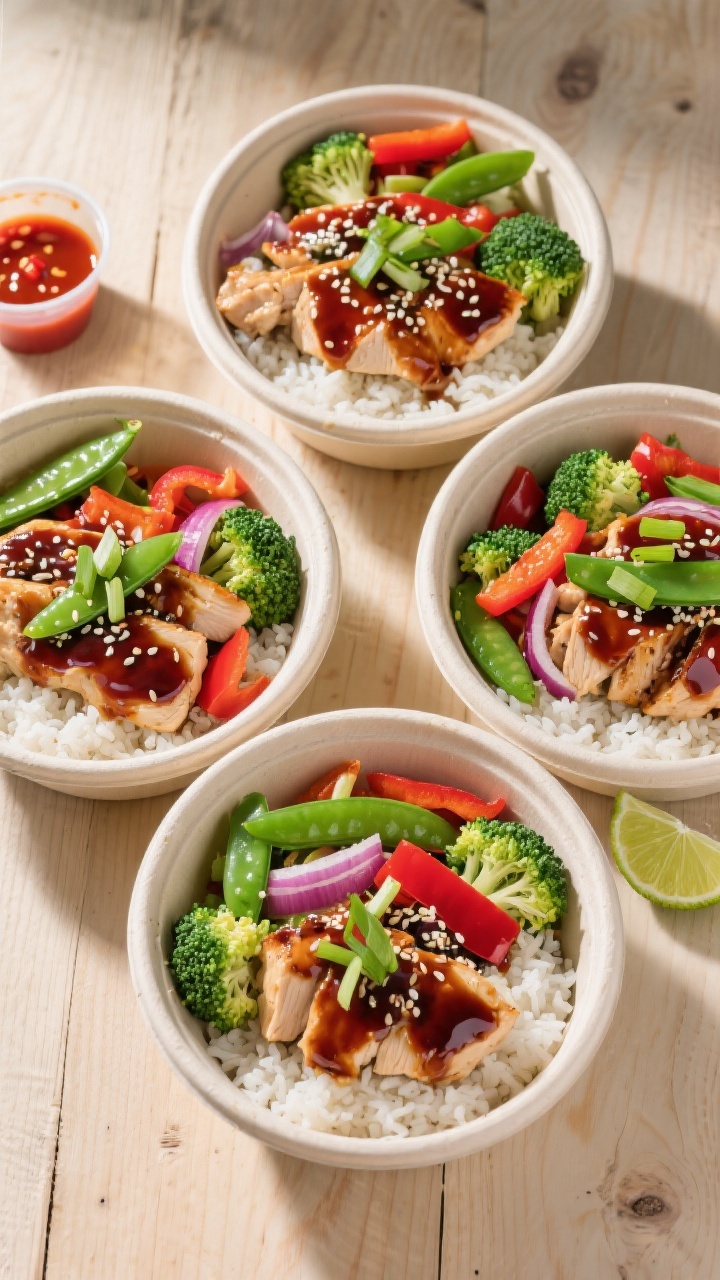
For meal prep, portion rice and stir fry into airtight containers and cool before sealing. They’ll keep well for up to 4 days in the fridge. Reheat gently in the microwave with a splash of water to keep the sauce glossy and the chicken tender.
If you plan to freeze, store the chicken and vegetables without the rice to prevent mushiness.
Freeze up to 2 months. Thaw overnight in the fridge and reheat in a skillet with a little water or broth. Cook fresh rice the day you serve for the best texture.
Why This is Good for You
These bowls are protein-rich and packed with fiber from all the vegetables.
The broccoli, bell peppers, and snap peas bring vitamins A, C, and K, while ginger and garlic add phytonutrients and bold flavor without extra calories. Using low-sodium soy sauce keeps the salt in check, and a small amount of sesame oil adds healthy fats and aroma. Serve over brown rice or cauliflower rice for extra fiber or fewer carbs.
Pitfalls to Watch Out For
- Overcrowding the pan: This steams the chicken instead of browning it.
Cook in batches if needed.
- Undercooked sauce: If you don’t simmer after adding the slurry, the sauce won’t thicken. Give it a full minute of bubbling.
- Soggy vegetables: Add garlic and ginger at the end, and keep the heat up. Soft veggies usually mean the pan wasn’t hot enough.
- Too salty: Use low-sodium soy sauce and taste before adding more.
Balance saltiness with a little honey and vinegar.
- Dry chicken: Slice evenly and don’t overcook. Pull it as soon as it’s opaque and cooked through.
Recipe Variations
- Gluten-Free: Use tamari or certified gluten-free soy sauce. Check labels on vinegar and sriracha.
- No Refined Sugar: Swap honey or maple syrup for brown sugar.
Start with less, then adjust to taste.
- Extra Veg: Add mushrooms, zucchini, baby corn, or edamame. Cook high-water veggies (like zucchini) briefly to avoid mushiness.
- Tropical Twist: Stir in pineapple chunks during the last minute for sweet-tangy contrast.
- Spicy: Add chili oil, red pepper flakes, or more sriracha. Top with sliced fresh chiles.
- Low-Carb: Serve over cauliflower rice or shredded cabbage sautéed with garlic and sesame oil.
- Vegetarian: Swap chicken for pressed tofu or tempeh.
Pan-fry until golden before adding the sauce.
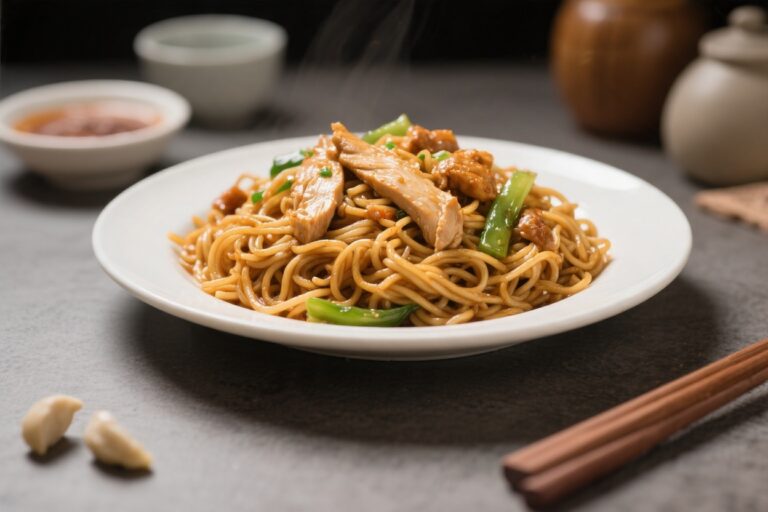
- Noodle Bowl: Use cooked udon, soba, or rice noodles instead of rice. Toss directly in the pan with the sauce.
FAQ
Can I use store-bought teriyaki sauce?
Need More Easy Dinner Ideas?
Get my FREE 7-Day Easy Dinner Reset and enjoy a full week of healthy dinners without the meal-planning stress.
Yes. Choose a low-sodium brand and add a splash of rice vinegar and a little fresh ginger to brighten it up.
If it’s thin, thicken with a small cornstarch slurry while simmering.
Chicken thighs or breasts—what’s better?
Thighs are more forgiving and stay juicy, especially at high heat. Breasts work well too if sliced thin and not overcooked. Use whichever you prefer.
What’s the best rice for these bowls?
Jasmine or long-grain white rice gives that classic takeout feel.
Brown rice adds a nutty chew and more fiber. For a lighter option, try cauliflower rice.
How do I make it less sweet?
Reduce the honey or sugar by half and add more rice vinegar or a squeeze of lime. A little extra ginger also helps balance sweetness without adding salt.
Can I make it ahead?
Absolutely.
Cook the components and assemble into containers. Store the rice and stir fry separately if you want the best texture after reheating.
What if I don’t have a wok?
A large, heavy skillet works perfectly. The key is a wide surface and high heat so steam can escape and everything sears nicely.
How do I thicken the sauce without cornstarch?
Use arrowroot powder mixed with water in the same ratio.
Alternatively, simmer the sauce a bit longer to reduce, though the texture will be slightly different.
Is there a way to add more protein?
Stir in edamame, top with a jammy boiled egg, or add a handful of roasted peanuts or cashews for crunch and extra protein.
How can I keep the veggies bright and crisp?
Slice them evenly, cook over high heat, and don’t walk away. Stop cooking while they’re still crisp-tender; they’ll soften slightly from carryover heat.
What if my sauce tastes flat?
Add a pinch of salt, a splash of soy sauce, or an extra drizzle of honey. A quick hit of acid—rice vinegar or lime juice—often brings it to life.
Wrapping Up
Teriyaki Chicken Stir Fry Bowls deliver big flavor with minimal fuss.
You get juicy chicken, crunchy vegetables, and a shiny sauce that ties it all together. Keep the ingredients handy, and you’ll have a reliable weeknight dinner ready in about 30 minutes. Make it your own with extra veggies, noodles, or pineapple, and enjoy a meal that tastes like a treat but fits your routine.
Printable Recipe Card
Want just the essential recipe details without scrolling through the article? Get our printable recipe card with just the ingredients and instructions.
Loved This Recipe?
If you're looking for more simple, healthy dinners your family will actually eat, grab my FREE 7-Day Easy Dinner Reset. You'll get 7 easy dinner recipes, simple grocery lists, and a done-for-you plan that takes the stress out of mealtime.