Sesame Ginger Chicken – Bright, Savory, and Weeknight-Friendly
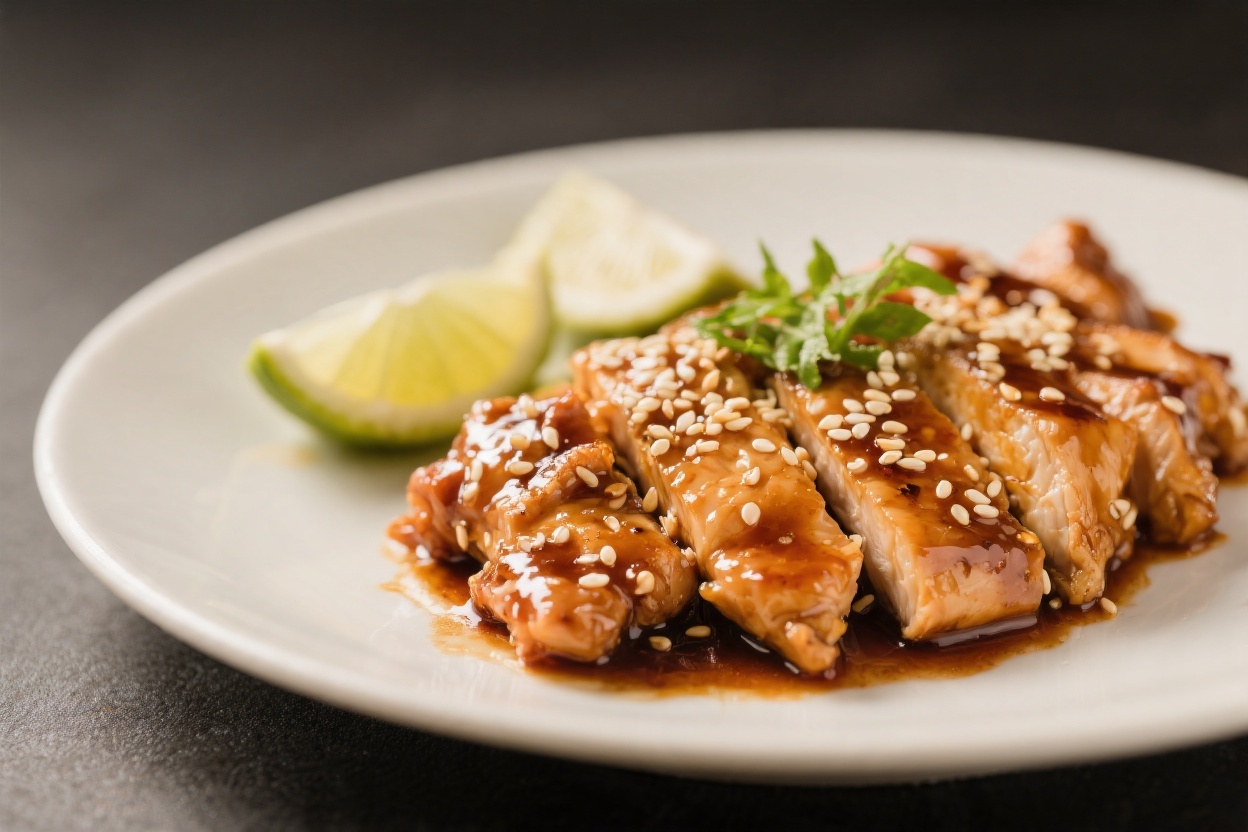
Sesame Ginger Chicken is one of those dishes that tastes like you put in a lot of effort, but it comes together fast. The sauce hits all the right notes—salty, sweet, tangy, and a little spicy. It’s perfect over rice, works well in meal prep, and feels restaurant-worthy without a long ingredient list.
FREE 7-Day Easy Dinner Reset
Save time, eat healthier, and take the stress out of dinner. Get a full week of easy healthy dinners delivered straight to your inbox.
If you love a glossy, sticky glaze and tender chicken with a bit of char, this one’s for you. Make it once, and it’ll likely enter your weekly rotation.
Ingredients
Method
- Make the sauce: In a bowl, whisk 1/3 cup soy sauce, 2 tablespoons honey (or brown sugar), 1 tablespoon rice vinegar, 1 tablespoon toasted sesame oil, 1/2 cup chicken broth, 1 tablespoon grated ginger, 3 minced garlic cloves, and a pinch of red pepper flakes. In a separate small cup, mix 2 teaspoons cornstarch with 2 teaspoons water to create a slurry. Set both aside.
- Prep the chicken: Pat chicken dry and cut into 1-inch pieces. Toss with 1 tablespoon cornstarch and a pinch of salt and pepper. This light coating helps with browning and keeps the chicken tender.
- Heat the pan: Set a large skillet or wok over medium-high heat and add 1–2 tablespoons neutral oil. You want it hot enough that the chicken sizzles immediately.
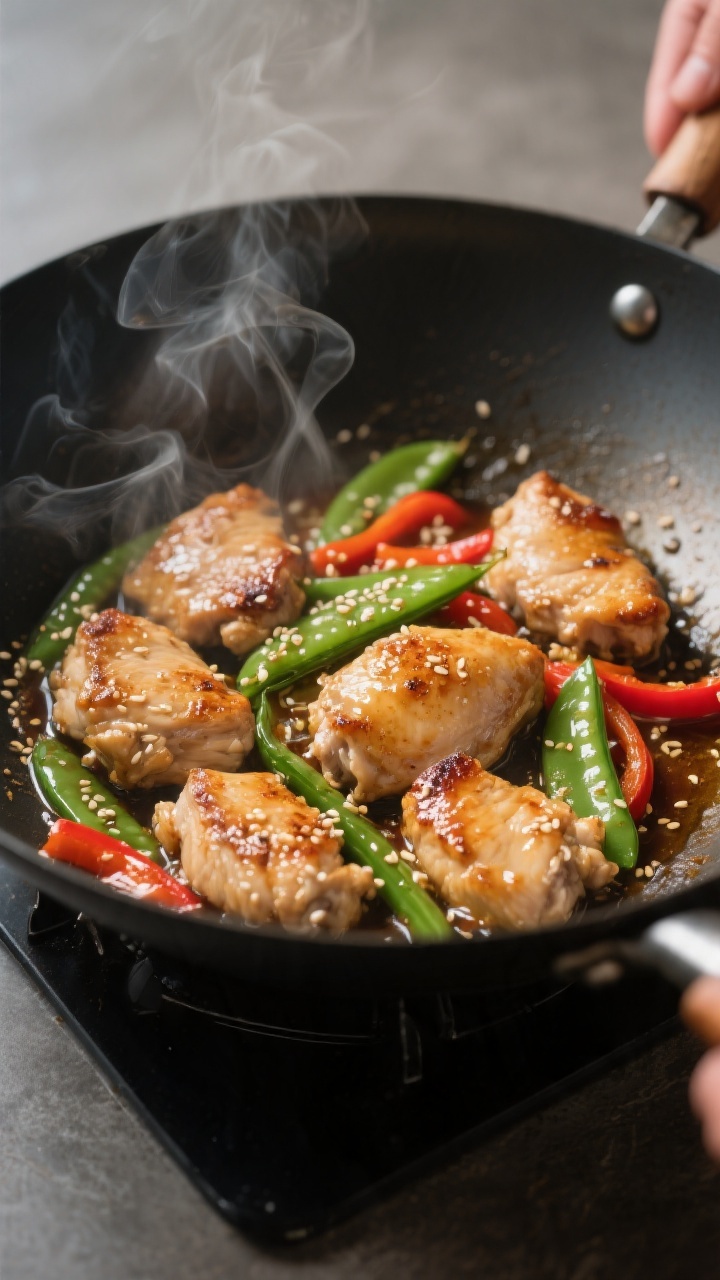
- Sear in batches: Add half the chicken in a single layer. Cook 3–4 minutes, flip, and cook another 2–3 minutes until just cooked through. Transfer to a plate and repeat with remaining chicken. Avoid crowding so you get good color.
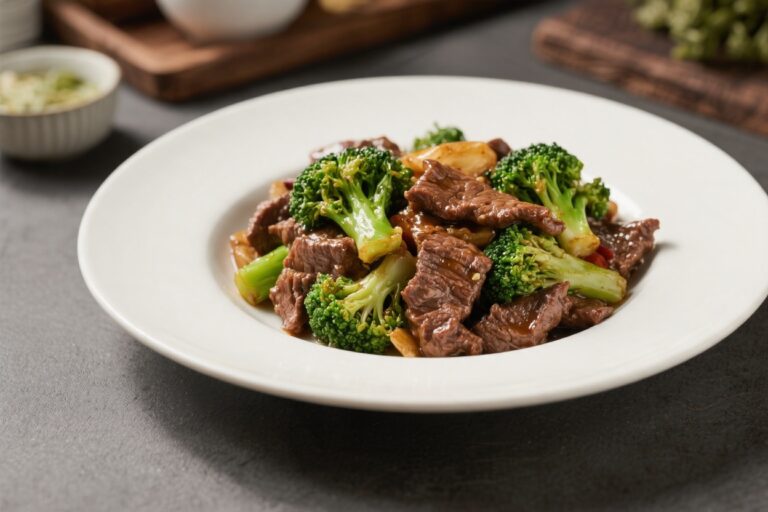
- Add veggies (optional): If using, add a splash more oil. Stir-fry broccoli, bell pepper, snap peas, or carrots for 2–4 minutes until crisp-tender. Season lightly with salt.
- Combine and glaze: Return chicken to the pan. Stir the sauce once more, pour it in, and bring to a simmer. Add the cornstarch slurry and cook 1–2 minutes, stirring, until the sauce thickens and turns glossy.
- Finish with sesame: Sprinkle in 1–2 teaspoons sesame seeds and a final drizzle of toasted sesame oil, if you like. Taste and adjust—add a splash more soy for salt, honey for sweetness, or vinegar for brightness.
- Garnish and serve: Top with sliced green onions and extra sesame seeds. Serve over hot rice or noodles, making sure each serving gets plenty of sauce.
What Makes This Recipe So Good
- Balanced flavor: Ginger brings warmth, soy sauce adds umami, and honey (or brown sugar) rounds things out with gentle sweetness.
- Quick and flexible: From start to finish, you’re looking at about 30 minutes. Swap in thighs or breasts, and use what you have on hand for veggies.
- Great texture: Lightly seared chicken coated in a shiny sesame glaze gives you tender bites with crisp edges.
- Simple pantry staples: Most ingredients are common, and the sauce doubles as a marinade.
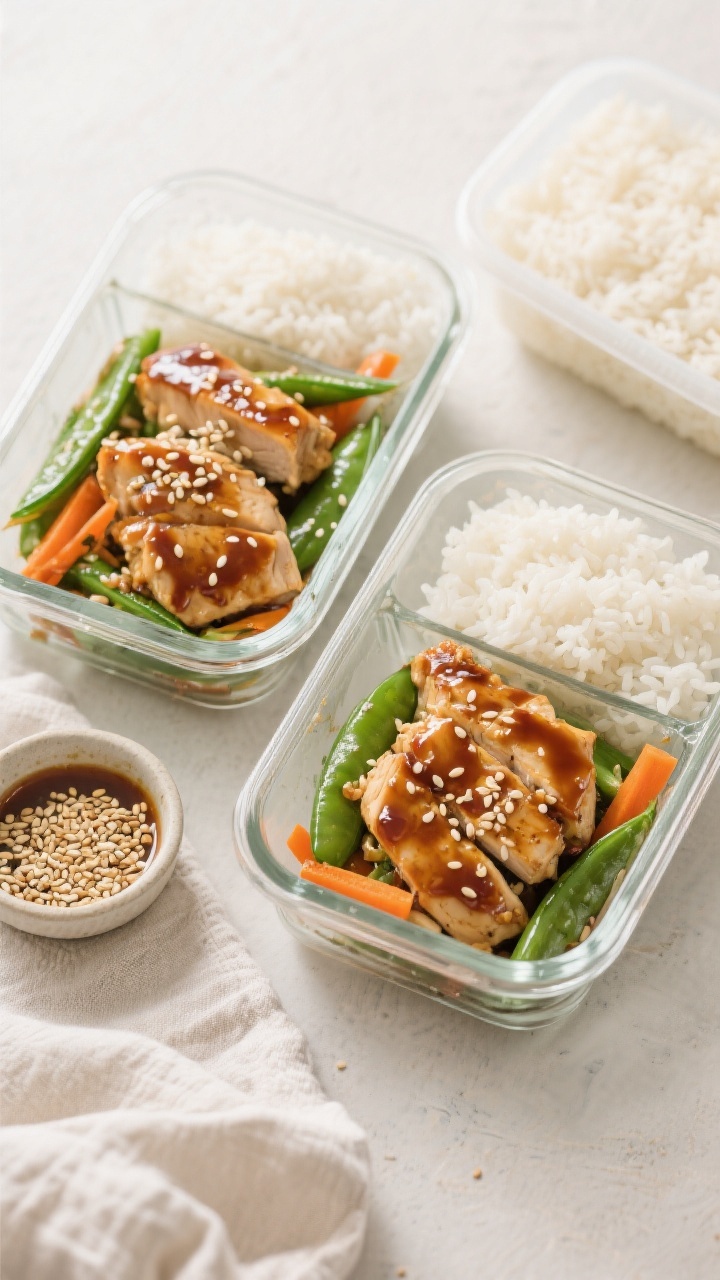
- Meal-prep friendly: Reheats well and pairs easily with rice, quinoa, or noodles.
Shopping List
- Chicken: 1.5 pounds boneless, skinless chicken thighs (or breasts), cut into bite-size pieces
- Soy sauce: Low-sodium preferred
- Fresh ginger: Peeled and finely grated
- Garlic: Fresh cloves, minced
- Honey or brown sugar: For sweetness
- Rice vinegar or lime juice: Bright acidity
- Sesame oil: Toasted for deep nutty flavor
- Neutral oil: Avocado, canola, or grapeseed for high-heat cooking
- Cornstarch: For thickening and optional light coating
- Chicken broth or water: Helps loosen the sauce
- Red pepper flakes or sriracha: Optional heat
- Sesame seeds: Toasted if possible
- Green onions: Thinly sliced for garnish
- Optional veggies: Broccoli florets, snap peas, bell pepper, or carrots
- Cooked rice or noodles: For serving
How to Make It
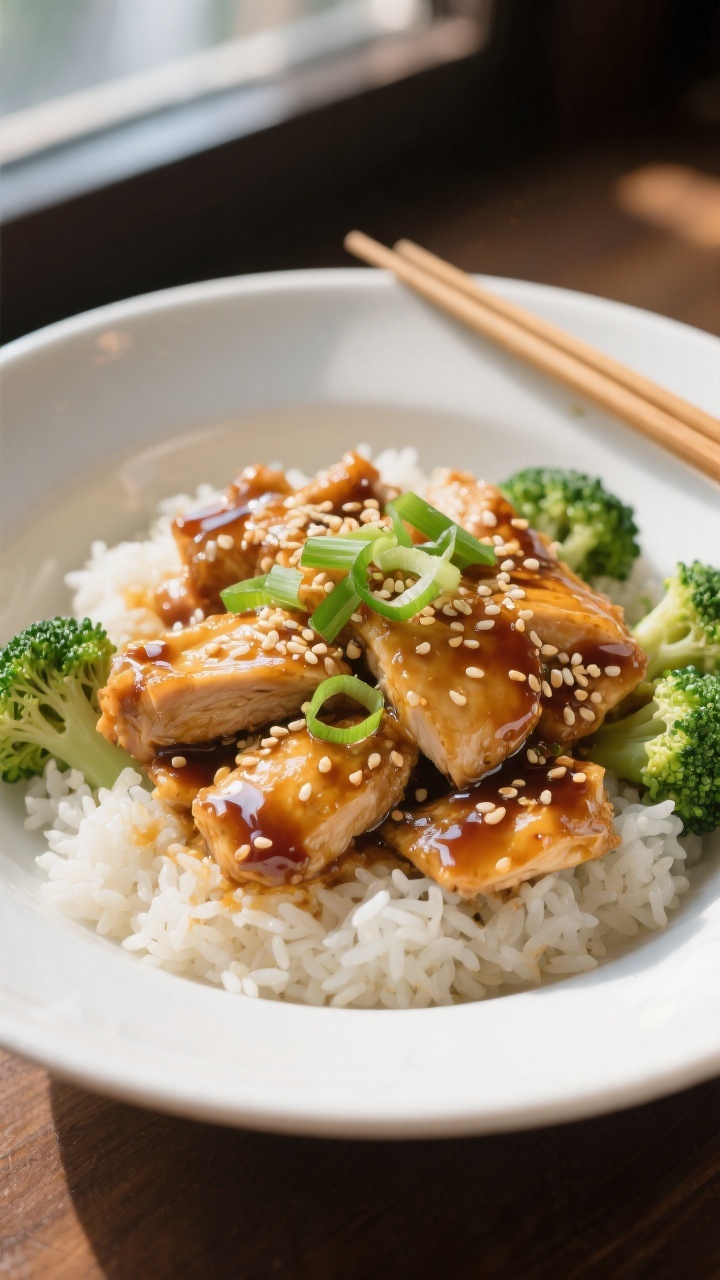
- Make the sauce: In a bowl, whisk 1/3 cup soy sauce, 2 tablespoons honey (or brown sugar), 1 tablespoon rice vinegar, 1 tablespoon toasted sesame oil, 1/2 cup chicken broth, 1 tablespoon grated ginger, 3 minced garlic cloves, and a pinch of red pepper flakes.
In a separate small cup, mix 2 teaspoons cornstarch with 2 teaspoons water to create a slurry. Set both aside.
- Prep the chicken: Pat chicken dry and cut into 1-inch pieces. Toss with 1 tablespoon cornstarch and a pinch of salt and pepper.
This light coating helps with browning and keeps the chicken tender.
- Heat the pan: Set a large skillet or wok over medium-high heat and add 1–2 tablespoons neutral oil. You want it hot enough that the chicken sizzles immediately.
- Sear in batches: Add half the chicken in a single layer. Cook 3–4 minutes, flip, and cook another 2–3 minutes until just cooked through.
Transfer to a plate and repeat with remaining chicken. Avoid crowding so you get good color.
- Add veggies (optional): If using, add a splash more oil. Stir-fry broccoli, bell pepper, snap peas, or carrots for 2–4 minutes until crisp-tender.
Season lightly with salt.
- Combine and glaze: Return chicken to the pan. Stir the sauce once more, pour it in, and bring to a simmer. Add the cornstarch slurry and cook 1–2 minutes, stirring, until the sauce thickens and turns glossy.
- Finish with sesame: Sprinkle in 1–2 teaspoons sesame seeds and a final drizzle of toasted sesame oil, if you like.
Taste and adjust—add a splash more soy for salt, honey for sweetness, or vinegar for brightness.
- Garnish and serve: Top with sliced green onions and extra sesame seeds. Serve over hot rice or noodles, making sure each serving gets plenty of sauce.
How to Store
- Refrigerator: Store in an airtight container for up to 4 days. Keep rice separate to prevent sogginess.
- Freezer: Cool completely, then freeze for up to 2 months.
Thaw overnight in the fridge.
- Reheat: Warm gently on the stovetop with a splash of water or broth. Microwave in 30-second bursts, stirring between intervals.
Why This is Good for You
- Protein-rich: Chicken provides lean protein to keep you full and support muscle repair.
- Ginger benefits: Ginger adds flavor and may help with digestion and inflammation.
- Controlled sweetness: You choose how much honey or sugar to add, keeping the sauce balanced without being syrupy.
- Veggie-friendly: It’s easy to load up with colorful vegetables for fiber, vitamins, and texture.
- Lower sodium option: Using low-sodium soy sauce and adjusting to taste keeps salt in check.
Common Mistakes to Avoid
- Crowding the pan: Too much chicken at once steams instead of sears. Work in batches for browned edges.
- Skipping the cornstarch slurry: Adding dry cornstarch directly to hot sauce can clump.
Always mix it with water first.
- Overcooking the chicken: Small pieces cook fast. Pull them as soon as they’re no longer pink and return to the pan only to coat in sauce.
- Forgetting to taste: Flavors vary depending on brands and ingredients. Adjust salt, sweetness, and acidity at the end.
- Using too much sesame oil: It’s potent.
A little goes a long way—use it for finishing, not frying.
Variations You Can Try
- Orange-sesame: Add 1/4 cup fresh orange juice and a little zest to the sauce for a citrus twist.
- Spicy gochujang: Stir in 1–2 teaspoons gochujang or sriracha for heat and depth.
- Teriyaki-style: Swap honey for brown sugar, add 1 tablespoon mirin, and reduce the vinegar slightly.
- Gluten-free: Use tamari or coconut aminos instead of soy sauce and ensure your cornstarch is certified GF.
- Vegetarian swap: Replace chicken with extra-firm tofu or tempeh. Press tofu, cube it, and sear until golden before saucing.
- Noodle bowl: Toss the finished chicken and veggies with cooked rice noodles or udon instead of serving over rice.
FAQ
Can I make this ahead?
Yes. Prep the sauce and cut the chicken up to 24 hours in advance.
Cook just before serving, or cook fully and reheat gently with a splash of water to loosen the sauce.
Need More Easy Dinner Ideas?
Get my FREE 7-Day Easy Dinner Reset and enjoy a full week of healthy dinners without the meal-planning stress.
What cut of chicken works best?
Thighs are more forgiving and stay juicy, especially for high-heat cooking. Breasts work too—just watch the cook time closely so they don’t dry out.
Do I need fresh ginger?
Fresh ginger gives the best bite and aroma. If needed, use 1/2 to 3/4 teaspoon ground ginger for every tablespoon fresh, and add a bit more garlic and a squeeze of lime to brighten it.
How do I make it less sweet?
Reduce the honey to 1 tablespoon or skip it entirely and add a small extra splash of broth.
Balance with an extra teaspoon of vinegar or a squeeze of lime.
Can I cook this without a wok?
Absolutely. A large nonstick or stainless skillet works fine. The key is high heat, a hot pan, and not crowding the chicken.
What should I serve it with?
Steamed jasmine rice, brown rice, or quinoa are great.
For a lighter option, try cauliflower rice or a quick cucumber salad on the side.
How do I toast sesame seeds?
Add them to a dry skillet over medium heat and shake the pan often. They’re ready when they smell nutty and turn lightly golden, usually in 2–3 minutes.
Can I add more vegetables?
Yes. Broccoli, snow peas, carrots, mushrooms, and bell peppers all work well.
Cook them quickly so they keep their color and crunch.
Is there a way to thicken the sauce without cornstarch?
You can reduce the sauce longer over low heat, or use arrowroot powder. If using arrowroot, add it at the end and avoid boiling hard, which can thin it out again.
How spicy is this?
It’s mild by default. Add more red pepper flakes or a squeeze of sriracha if you prefer heat, or leave them out entirely for a gentle, family-friendly version.
Wrapping Up
Sesame Ginger Chicken is the kind of recipe you keep in your back pocket for busy nights.
It’s fast, flexible, and delivers big flavor with simple steps. Pair it with rice or noodles, load it up with vegetables, and adjust the sauce to your taste. Once you get the hang of the sear-and-glaze method, you can spin this into countless variations and never get bored.
Printable Recipe Card
Want just the essential recipe details without scrolling through the article? Get our printable recipe card with just the ingredients and instructions.
Loved This Recipe?
If you're looking for more simple, healthy dinners your family will actually eat, grab my FREE 7-Day Easy Dinner Reset. You'll get 7 easy dinner recipes, simple grocery lists, and a done-for-you plan that takes the stress out of mealtime.