Easy Ramen Lo Mein – A Fast, Flavorful Weeknight Fix
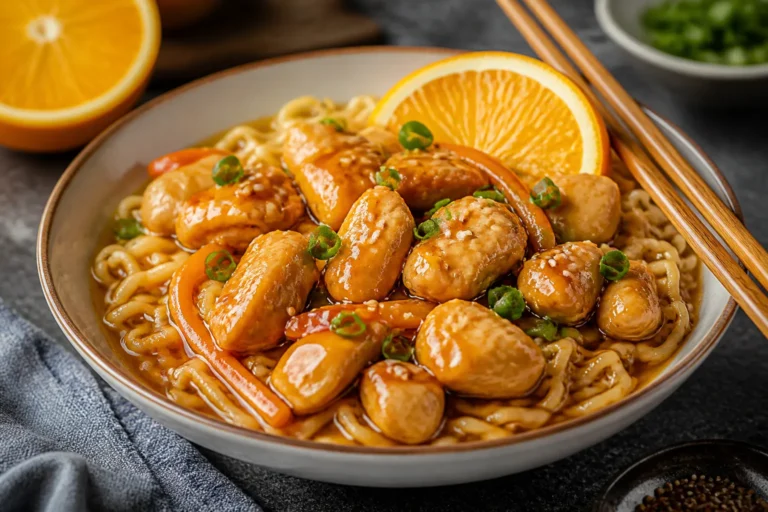
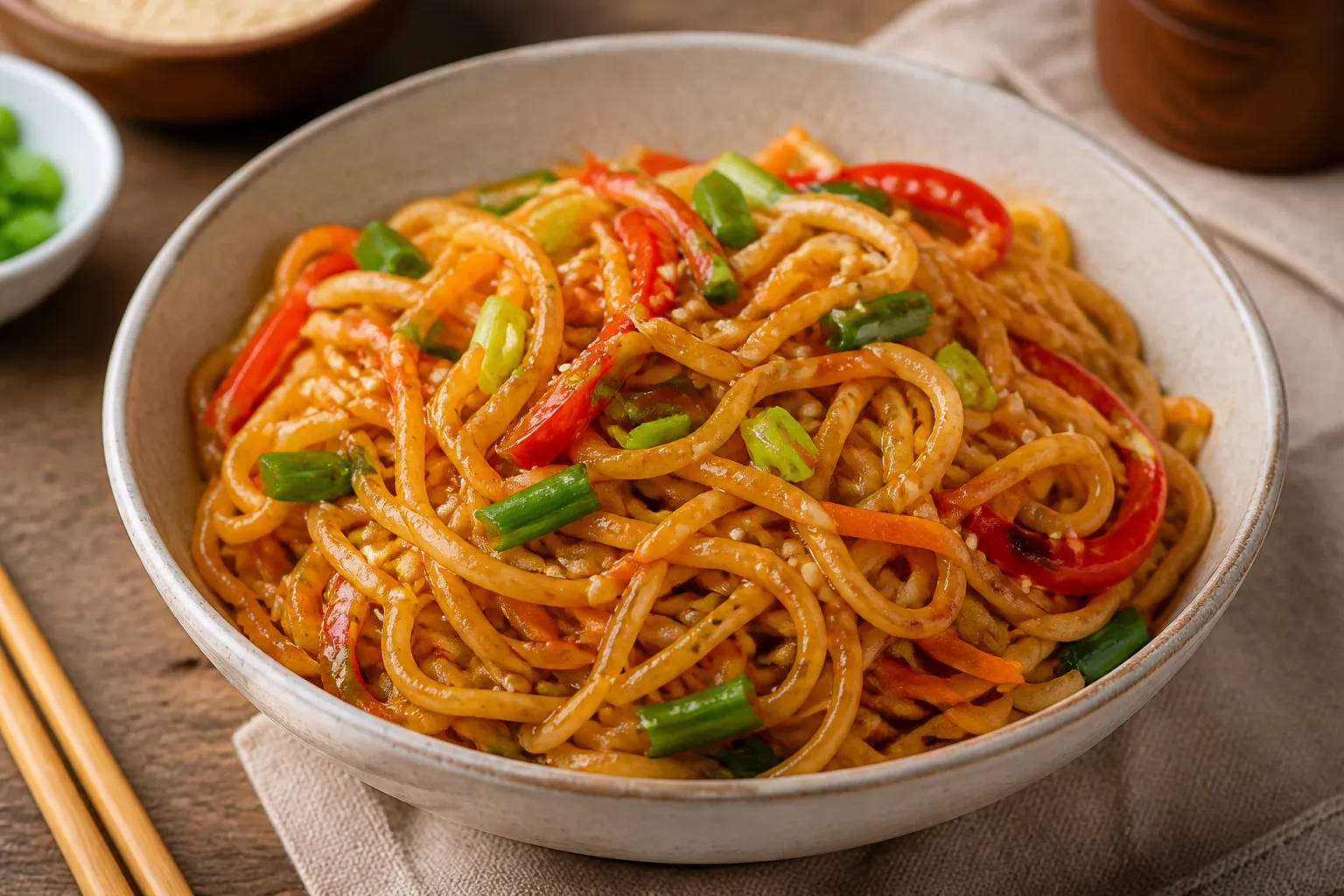
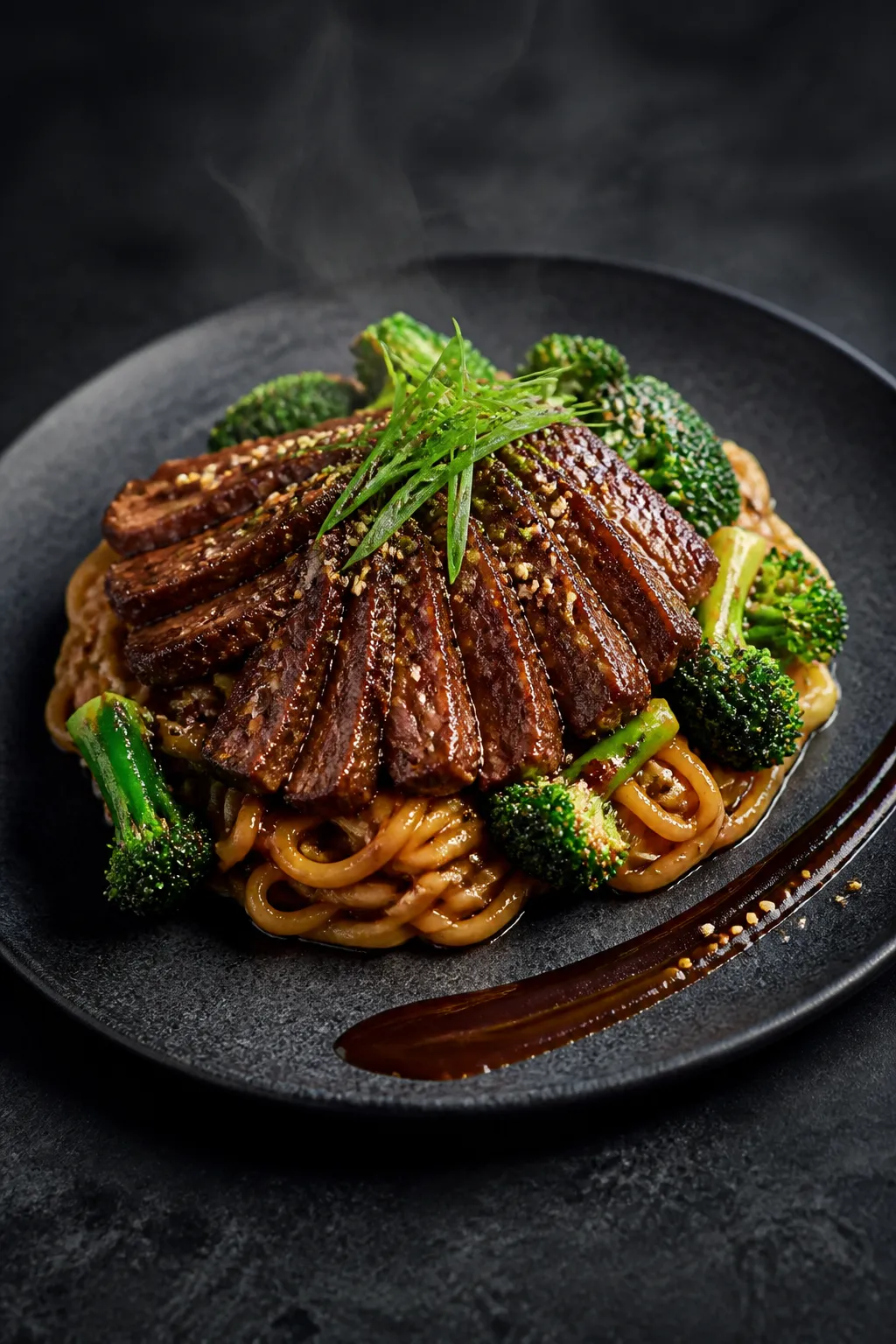
If you love takeout lo mein but want something quicker and lighter, this Easy Ramen Lo Mein hits the spot. It comes together in one pan with pantry staples and a couple of fresh veggies. The texture is springy, the sauce is savory-sweet, and the whole thing is done in about 20 minutes.
FREE 7-Day Easy Dinner Reset
Save time, eat healthier, and take the stress out of dinner. Get a full week of easy healthy dinners delivered straight to your inbox.
It’s the kind of recipe you can pull off after a long day, without dirtying every dish in your kitchen. No special equipment, no fuss—just a big bowl of comfort.
Ingredients
Method
- Prep the sauce: In a small bowl, whisk 3 tablespoons soy sauce, 1 tablespoon oyster or hoisin sauce, 1 teaspoon rice vinegar, 1 teaspoon brown sugar, 1 teaspoon cornstarch, and 1 teaspoon sesame oil. Add a pinch of black pepper and red pepper flakes if you like heat. Set aside.
- Boil the noodles: Bring a pot of water to a boil. Add the ramen bricks and cook for 1–2 minutes, just until loosened and slightly underdone. Drain and rinse briefly under cool water to stop cooking. Toss with a splash of oil to prevent sticking.
- Prep aromatics and veg: Mince 3–4 garlic cloves and grate 1 tablespoon fresh ginger. Slice green onions, separating white and green parts. Julienne the carrots and bell pepper; slice mushrooms; cut snap peas or broccoli into bite-size pieces.
- Cook the protein: Heat 1 tablespoon neutral oil in a large skillet or wok over medium-high heat. Add your protein (thinly sliced chicken, shrimp, tofu, or beef). Season lightly with a pinch of salt and pepper. Stir-fry until just cooked through, 2–4 minutes. Transfer to a plate.
- Stir-fry the vegetables: In the same pan, add another teaspoon of oil if needed. Add the white parts of the green onions, garlic, and ginger. Cook 30 seconds until fragrant. Add firm veggies first (carrots, broccoli), stir-fry 2 minutes, then add softer ones (bell pepper, mushrooms, snap peas). Stir-fry until crisp-tender, about 2–3 more minutes.
- Combine noodles and sauce: Return protein to the pan. Add the drained ramen. Pour in the sauce and toss continuously over medium heat for 1–2 minutes. The sauce should thicken slightly and coat everything evenly. If it seems dry, splash in 1–2 tablespoons water.
- Finish and serve: Turn off heat. Stir in the green parts of the onions and a light drizzle of sesame oil. Taste and adjust: add a touch more soy for salt, vinegar for brightness, or sugar for balance. Garnish with sesame seeds and a squeeze of lime if using. Serve hot.
Why This Recipe Works
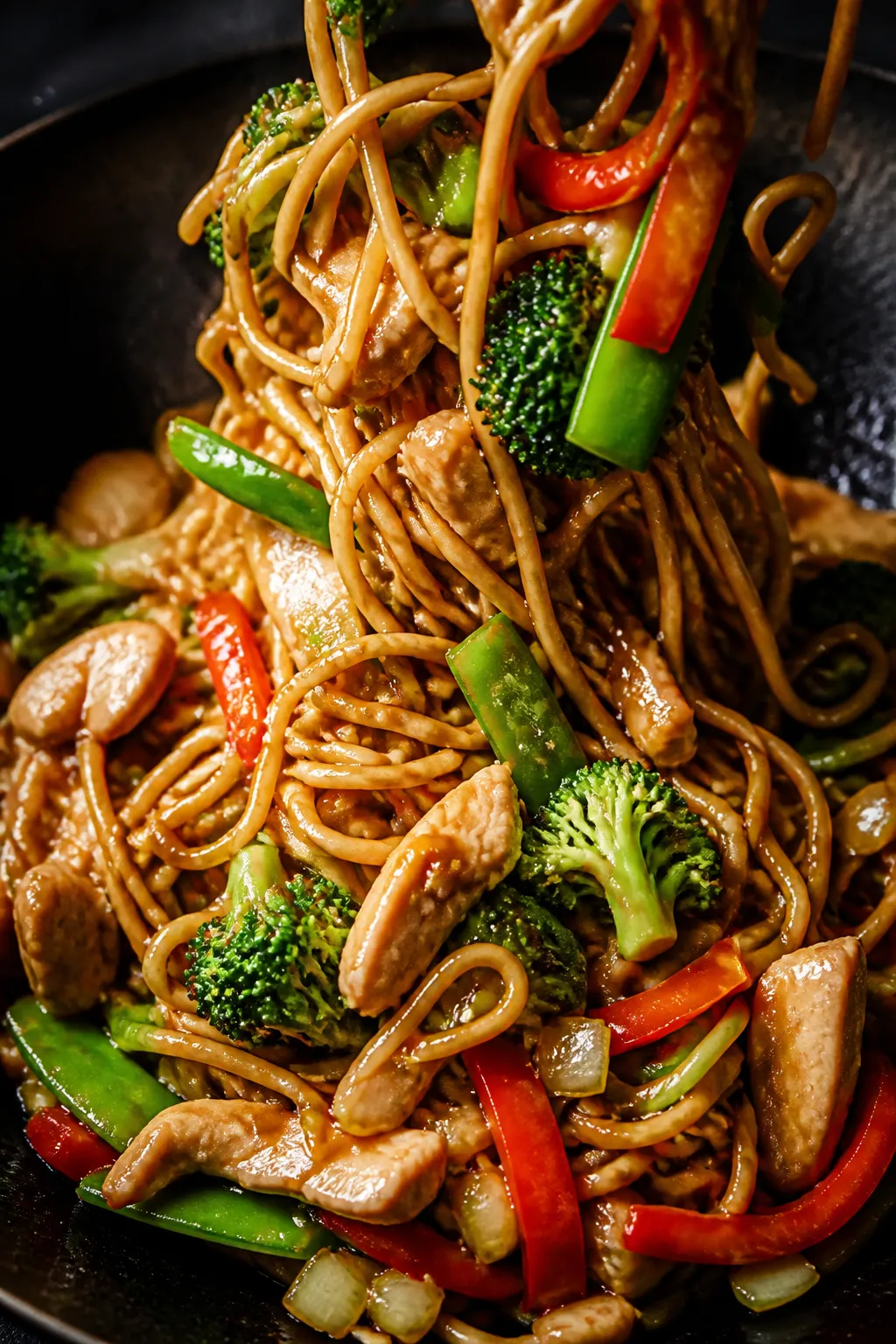
This recipe balances flavor and speed. Instant ramen cooks fast and holds onto sauce well, giving you that chewy, slurpable bite.
The sauce uses simple ingredients—soy sauce, sesame oil, a touch of sugar, and aromatics—to create a restaurant-style finish without complicated steps. Vegetables and protein are quickly stir-fried to keep them crisp and juicy. A small amount of cornstarch in the sauce helps it coat the noodles instead of pooling at the bottom. It’s budget-friendly, flexible, and reliable, even if you’re cooking with what you already have on hand.
Shopping List
- Instant ramen noodles (2 standard packs, discard seasoning packets)
- Neutral oil (canola, vegetable, or avocado)
- Sesame oil (toasted preferred for flavor)
- Soy sauce (low-sodium recommended)
- Oyster sauce or hoisin sauce
- Rice vinegar or apple cider vinegar
- Brown sugar or honey
- Cornstarch
- Garlic (3–4 cloves)
- Fresh ginger (thumb-sized piece) or ground ginger
- Green onions
- Mixed vegetables (choose 3–4): carrots, bell pepper, snap peas, cabbage, mushrooms, broccoli
- Protein (choose one): chicken breast or thigh, shrimp, tofu, or thinly sliced beef
- Red pepper flakes or sriracha (optional)
- Black pepper
- Sesame seeds (optional, for garnish)
- Lime or lemon (optional, for a bright finish)
Instructions
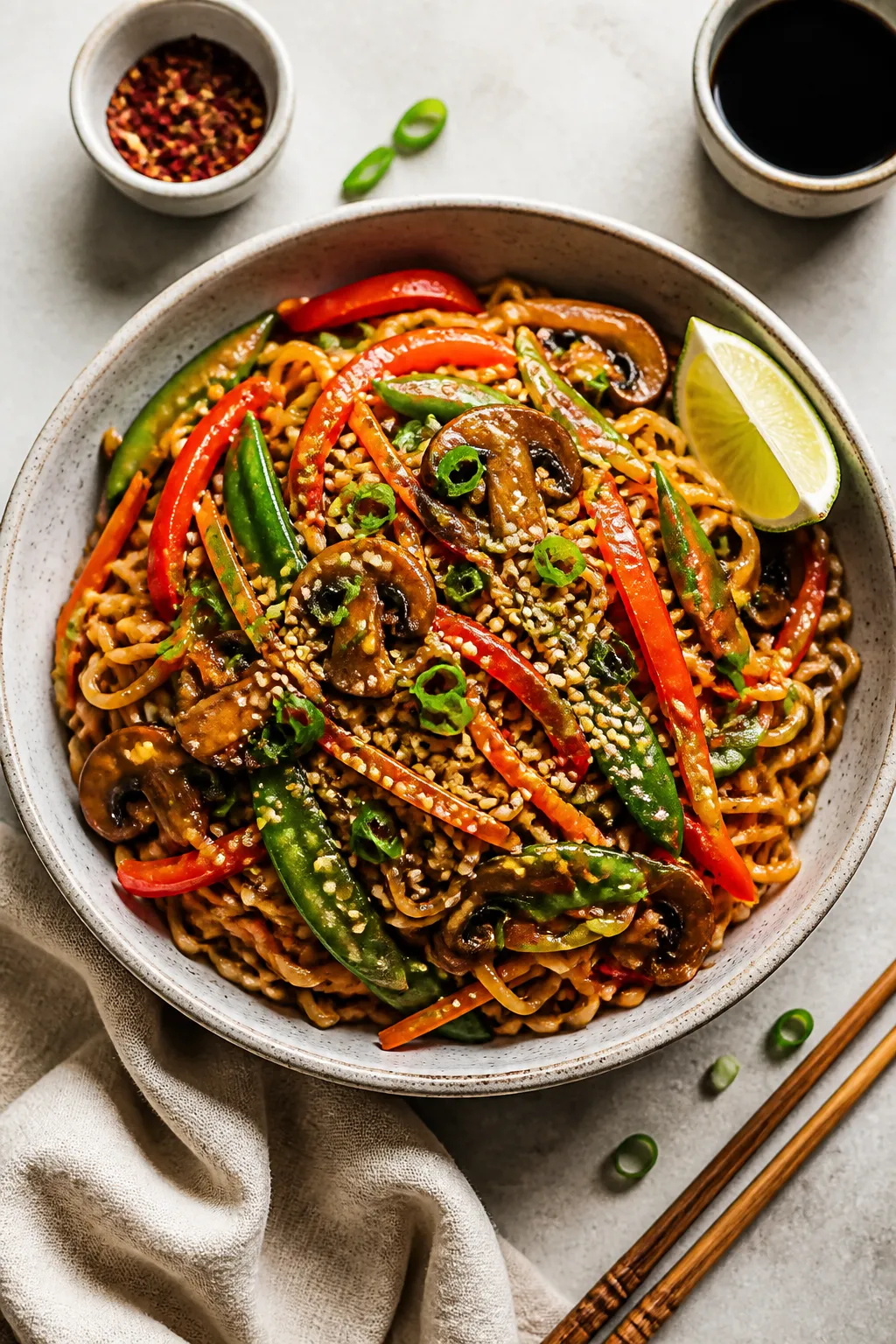
- Prep the sauce: In a small bowl, whisk 3 tablespoons soy sauce, 1 tablespoon oyster or hoisin sauce, 1 teaspoon rice vinegar, 1 teaspoon brown sugar, 1 teaspoon cornstarch, and 1 teaspoon sesame oil.
Add a pinch of black pepper and red pepper flakes if you like heat. Set aside.
- Boil the noodles: Bring a pot of water to a boil. Add the ramen bricks and cook for 1–2 minutes, just until loosened and slightly underdone.
Drain and rinse briefly under cool water to stop cooking. Toss with a splash of oil to prevent sticking.
- Prep aromatics and veg: Mince 3–4 garlic cloves and grate 1 tablespoon fresh ginger. Slice green onions, separating white and green parts.
Julienne the carrots and bell pepper; slice mushrooms; cut snap peas or broccoli into bite-size pieces.
- Cook the protein: Heat 1 tablespoon neutral oil in a large skillet or wok over medium-high heat. Add your protein (thinly sliced chicken, shrimp, tofu, or beef). Season lightly with a pinch of salt and pepper.
Stir-fry until just cooked through, 2–4 minutes. Transfer to a plate.
- Stir-fry the vegetables: In the same pan, add another teaspoon of oil if needed. Add the white parts of the green onions, garlic, and ginger.
Cook 30 seconds until fragrant. Add firm veggies first (carrots, broccoli), stir-fry 2 minutes, then add softer ones (bell pepper, mushrooms, snap peas). Stir-fry until crisp-tender, about 2–3 more minutes.
- Combine noodles and sauce: Return protein to the pan.
Add the drained ramen. Pour in the sauce and toss continuously over medium heat for 1–2 minutes. The sauce should thicken slightly and coat everything evenly.
If it seems dry, splash in 1–2 tablespoons water.
- Finish and serve: Turn off heat. Stir in the green parts of the onions and a light drizzle of sesame oil. Taste and adjust: add a touch more soy for salt, vinegar for brightness, or sugar for balance.
Garnish with sesame seeds and a squeeze of lime if using. Serve hot.
Keeping It Fresh
Leftovers keep well for 3–4 days in an airtight container in the fridge. Cool completely before storing to avoid condensation that can make the noodles soggy. Reheat in a skillet with a splash of water to loosen the sauce and revive the texture.
If microwaving, cover loosely and reheat in short bursts, tossing between intervals. For meal prep, store noodles and sauce-coated stir-fry together, but keep delicate garnishes like green onions and lime wedges separate. Tofu and shrimp reheat quickly; beef and chicken may need a touch of extra sauce to stay juicy.
Health Benefits
This dish can be a balanced meal when you load it up with vegetables and choose lean proteins. Colorful veggies add fiber, vitamins A and C, and antioxidants, which support immunity and overall health.
Lean chicken or tofu provides protein for steady energy and satiety. Using low-sodium soy sauce helps manage sodium intake without sacrificing flavor. A modest amount of sesame oil delivers rich taste and a bit of healthy fat.
You’re in control here: more veggies, less oil, and a smart sauce ratio keep it satisfying but lighter than takeout.
Pitfalls to Watch Out For
- Overcooking the noodles: Ramen softens fast. Undercook slightly since they’ll finish in the pan.
- Watery sauce: Measure cornstarch and whisk the sauce well. If it’s thin, simmer an extra minute, tossing until it clings.
- Soggy vegetables: Add firmer veggies first and don’t crowd the pan.
High heat and quick tossing keep them crisp.
- Bland flavor: Taste at the end. A splash more soy, vinegar, or a pinch of sugar can bring it to life.
- Sticky noodles: Rinse briefly and toss with a little oil after draining. Work quickly when adding to the pan.
Variations You Can Try
- Spicy Garlic: Add 1–2 teaspoons chili-garlic sauce, plus extra minced garlic.
- Sweet and Tangy: Swap half the soy with teriyaki, and add pineapple chunks with bell peppers.
- Peanut Twist: Whisk 1 tablespoon peanut butter into the sauce and thin with water as needed.
- Veggie-Forward: Double the vegetables, add baby spinach at the end, and skip the protein or use tofu.
- Beef and Broccoli: Use thinly sliced flank steak, more garlic, and extra broccoli.
Add a dash of black vinegar if you have it.
- Miso Umami: Stir 1 teaspoon white miso into the sauce for depth (reduce salt slightly).
- Gluten-Free Friendly: Use gluten-free ramen or rice noodles, tamari instead of soy, and a gluten-free oyster/hoisin substitute.
Need More Easy Dinner Ideas?
Get my FREE 7-Day Easy Dinner Reset and enjoy a full week of healthy dinners without the meal-planning stress.
FAQ
Can I use the ramen seasoning packets?
You can, but it will change the flavor and increase sodium. For a cleaner, balanced taste, it’s better to discard them and rely on the homemade sauce.
What if I don’t have oyster sauce?
Hoisin is a good substitute. You can also mix an extra teaspoon of soy sauce with a small pinch of sugar for a simpler swap.
Do I need a wok?
No.
A large nonstick skillet or stainless-steel pan works well. Just preheat it properly so the veggies sear instead of steam.
How can I make it vegetarian or vegan?
Use tofu or tempeh for protein and choose a vegan oyster sauce alternative or stick with hoisin. Everything else in the recipe is easy to keep plant-based.
Can I add eggs?
Yes.
Scramble 1–2 eggs in the pan after cooking the protein. Push veggies to the side, pour in beaten eggs, scramble until just set, then mix everything together.
What noodles work besides instant ramen?
Lo mein, yakisoba, or even spaghetti in a pinch. Cook until just shy of done so they don’t get mushy in the pan.
My sauce tastes too salty.
How do I fix it?
Add a splash of water, a pinch of sugar, or a squeeze of lime. More vegetables or plain cooked noodles can also help dilute the saltiness.
Can I make it ahead?
Yes. Cook everything slightly under, cool, and refrigerate.
Reheat quickly in a skillet with a spoonful of water and a touch more sauce to refresh.
Final Thoughts
Easy Ramen Lo Mein is the kind of back-pocket recipe that saves weeknights. It’s fast, flexible, and full of flavor, with ingredients you probably already have. Keep the method the same—quick cook, big heat, balanced sauce—and switch up the veggies and protein to match your mood.
With a little practice, you’ll have a steaming bowl of noodles on the table in 20 minutes, every time.
Printable Recipe Card
Want just the essential recipe details without scrolling through the article? Get our printable recipe card with just the ingredients and instructions.
Loved This Recipe?
If you're looking for more simple, healthy dinners your family will actually eat, grab my FREE 7-Day Easy Dinner Reset. You'll get 7 easy dinner recipes, simple grocery lists, and a done-for-you plan that takes the stress out of mealtime.