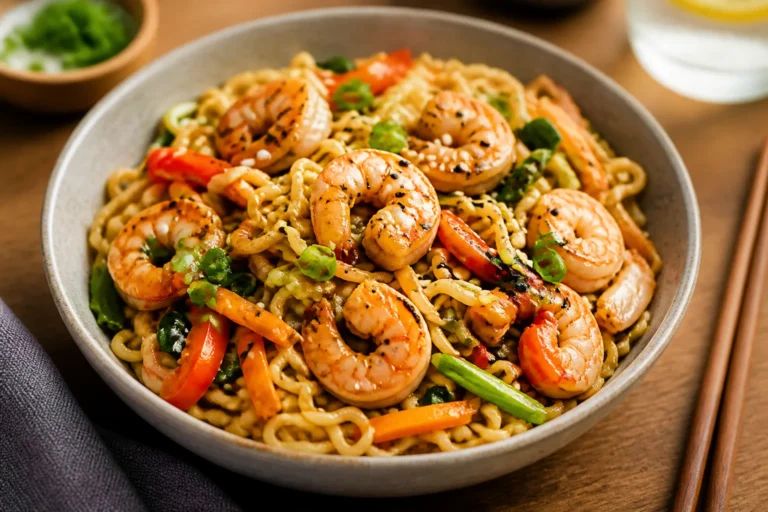
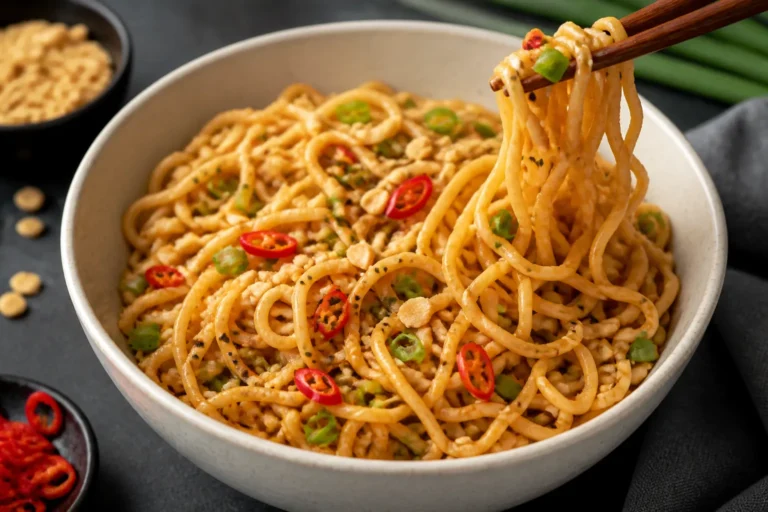
Korean BBQ Beef Ramen – Comforting Noodles With Bold, Smoky Flavor
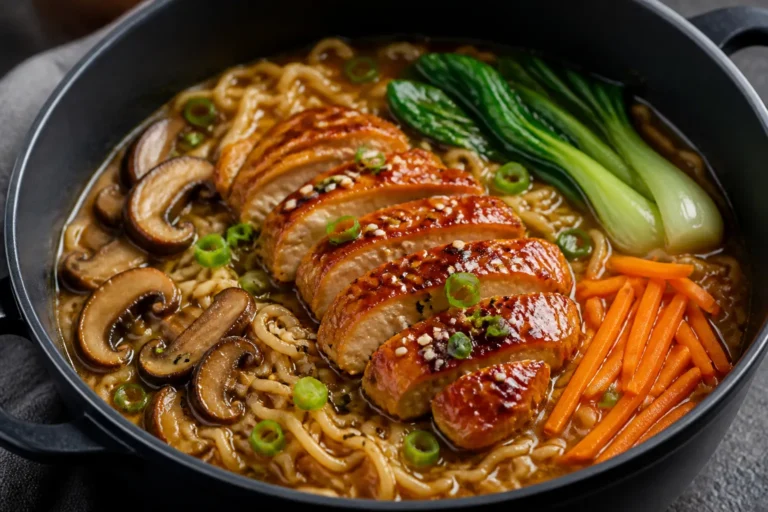
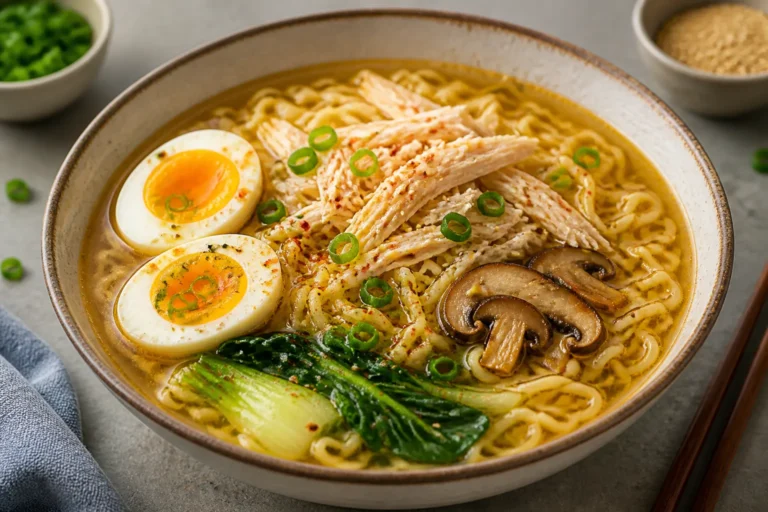
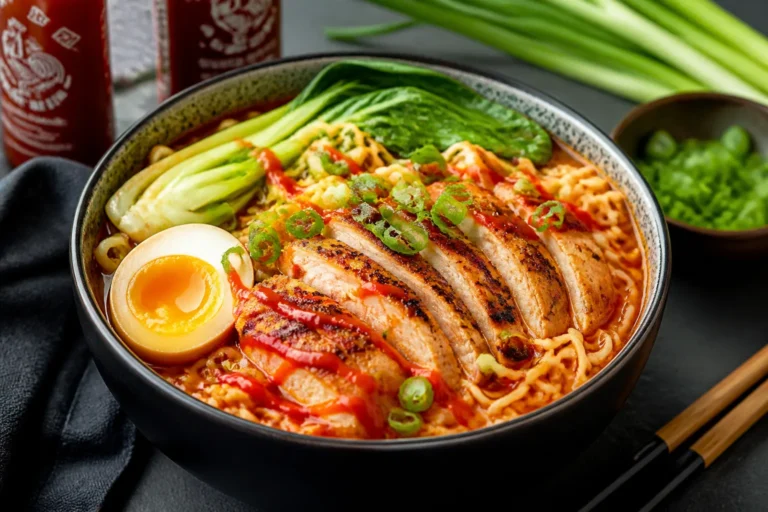
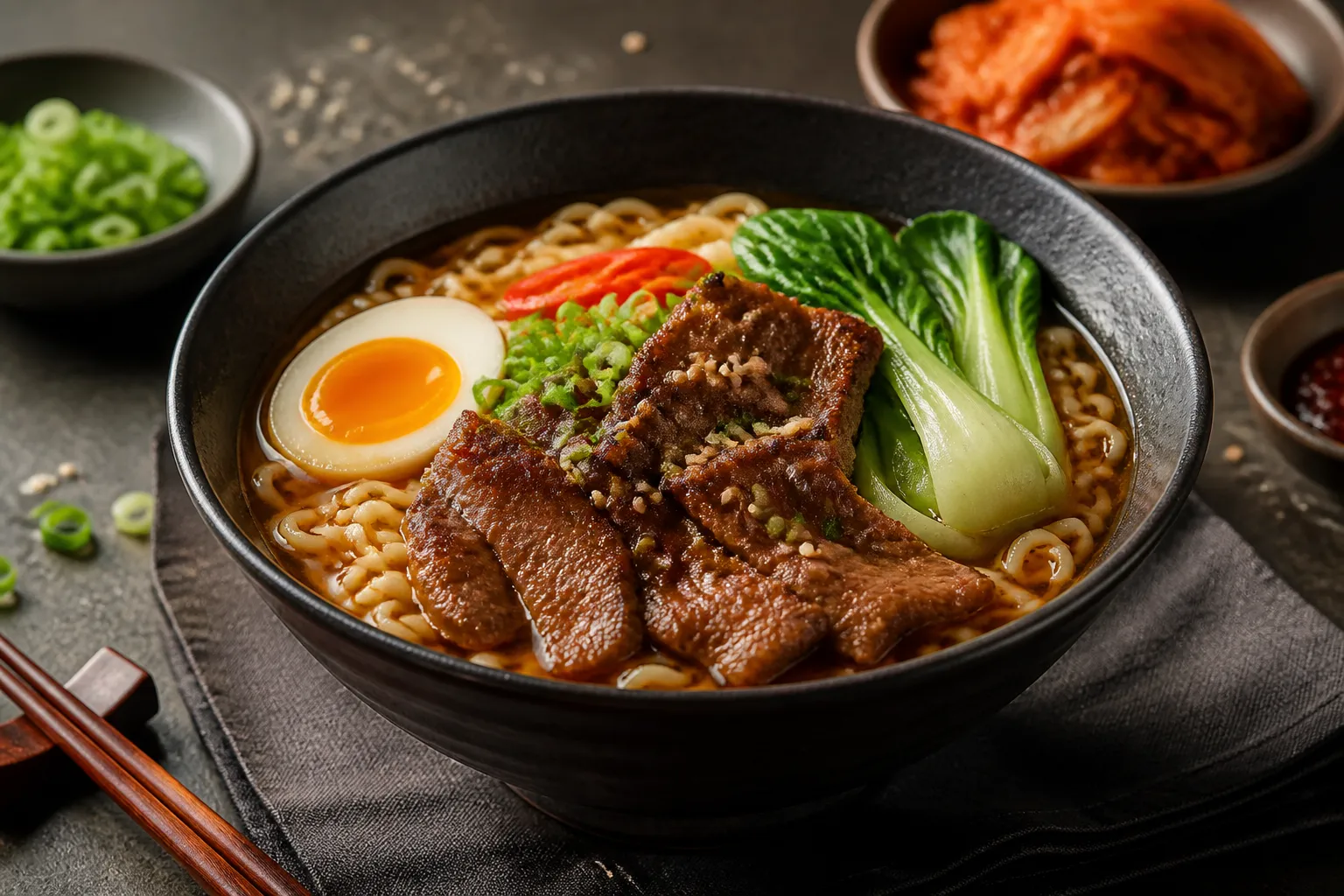
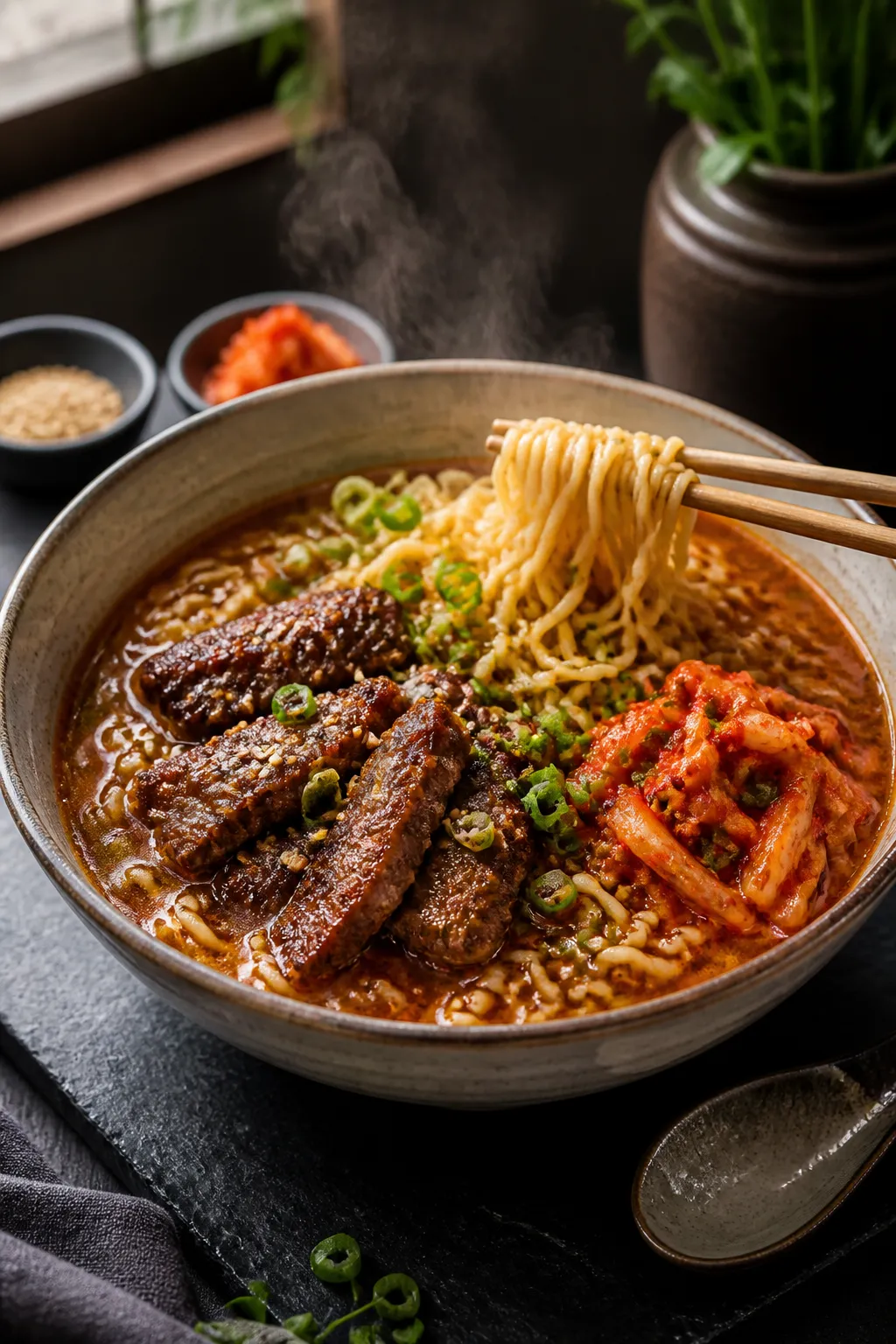
Korean BBQ Beef Ramen is the kind of bowl that makes a weeknight feel special. It’s rich, savory, a little sweet, and packed with textures that keep every bite interesting. Think tender slices of marinated beef, springy noodles, and a glossy broth that clings to everything.
FREE 7-Day Easy Dinner Reset
Save time, eat healthier, and take the stress out of dinner. Get a full week of easy healthy dinners delivered straight to your inbox.
It comes together faster than you’d expect and doesn’t require fancy equipment. If you love big flavor and cozy food, this one’s going to be a repeat.
Ingredients
Method
- Slice the beef: If not already thin, freeze the beef for 20 minutes, then slice against the grain into thin strips. Pat dry and set aside.
- Make the marinade: In a bowl, combine soy sauce, sesame oil, brown sugar, gochujang, rice vinegar, garlic, and ginger. Stir until smooth.
- Marinate the beef: Add the beef to the bowl, toss to coat, and let it sit for 15–30 minutes. Longer equals deeper flavor, but even 15 minutes helps.
- Prep the broth: In a pot, bring the broth to a gentle simmer. Add 1 tablespoon soy sauce and 1 teaspoon sesame oil. Keep warm over low heat.
- Cook noodles: Boil ramen according to package directions until just shy of tender. Drain, rinse briefly under hot water, and set aside.
- Sear the beef: Heat a large skillet over medium-high. Add oil, then the marinated beef in a single layer. Cook 1–2 minutes per side until browned and slightly caramelized. Work in batches to avoid steaming.
- Sauté the vegetables: In the same pan, add a touch more oil if needed. Toss in onion and mushrooms with a pinch of salt. Cook 3–4 minutes until softened and golden. Add spinach or bok choy and cook just until wilted.
- Deglaze (optional but great): Splash a few tablespoons of broth into the hot pan to lift the browned bits. Pour those juices into the main broth pot for extra depth.
- Assemble bowls: Divide noodles into bowls. Ladle hot broth over them. Top with beef and vegetables.
- Add toppings: Finish with scallions, sesame seeds, and any extras like kimchi, a soft-boiled egg, nori, or a drizzle of chili oil.
- Taste and adjust: Add a little soy sauce for salt, rice vinegar for brightness, or gochujang/chili oil for heat.
What Makes This Recipe So Good
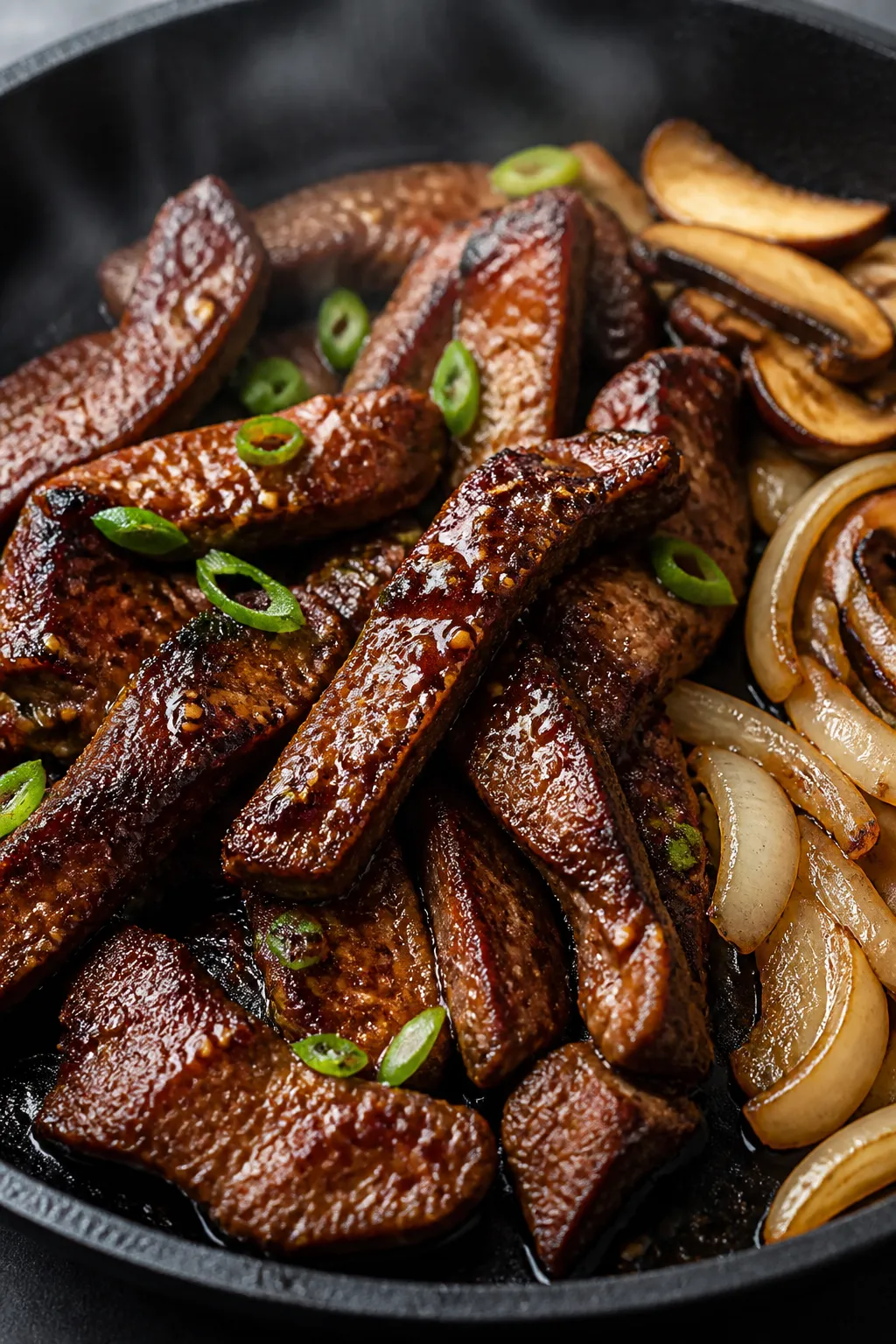
This ramen blends the best of both worlds: the smoky-sweet punch of Korean BBQ and the slurpable satisfaction of noodles. The beef is marinated with soy sauce, sesame oil, brown sugar, garlic, and gochujang for a deep, caramelized edge.
A quick sear locks in flavor, while a light broth balances the richness. It’s weeknight-friendly, but it tastes like a restaurant treat. Plus, the toppings are flexible, so you can tailor it to your mood.
Shopping List
- Beef: 12 ounces thinly sliced ribeye, sirloin, or flank steak
- Noodles: 10–12 ounces fresh ramen or 2 packs of dry ramen noodles (discard seasoning)
- Aromatics: 4 cloves garlic (minced), 1-inch piece ginger (grated)
- Marinade/Sauce: 3 tablespoons low-sodium soy sauce, 1 tablespoon sesame oil, 1 tablespoon brown sugar, 1–2 tablespoons gochujang (to taste), 1 tablespoon rice vinegar
- Broth Base: 4 cups low-sodium beef or chicken broth, 1 tablespoon soy sauce, 1 teaspoon toasted sesame oil
- Vegetables: 1 cup sliced shiitake or cremini mushrooms, 1 small onion (thinly sliced), 1 cup baby spinach or bok choy
- Oil for cooking: 1–2 tablespoons neutral oil (canola or avocado)
- Toppings: 2 scallions (sliced), sesame seeds, kimchi (optional), soft-boiled eggs (optional), nori strips (optional), chili oil or gochugaru (optional)
- Salt and pepper to taste
Instructions
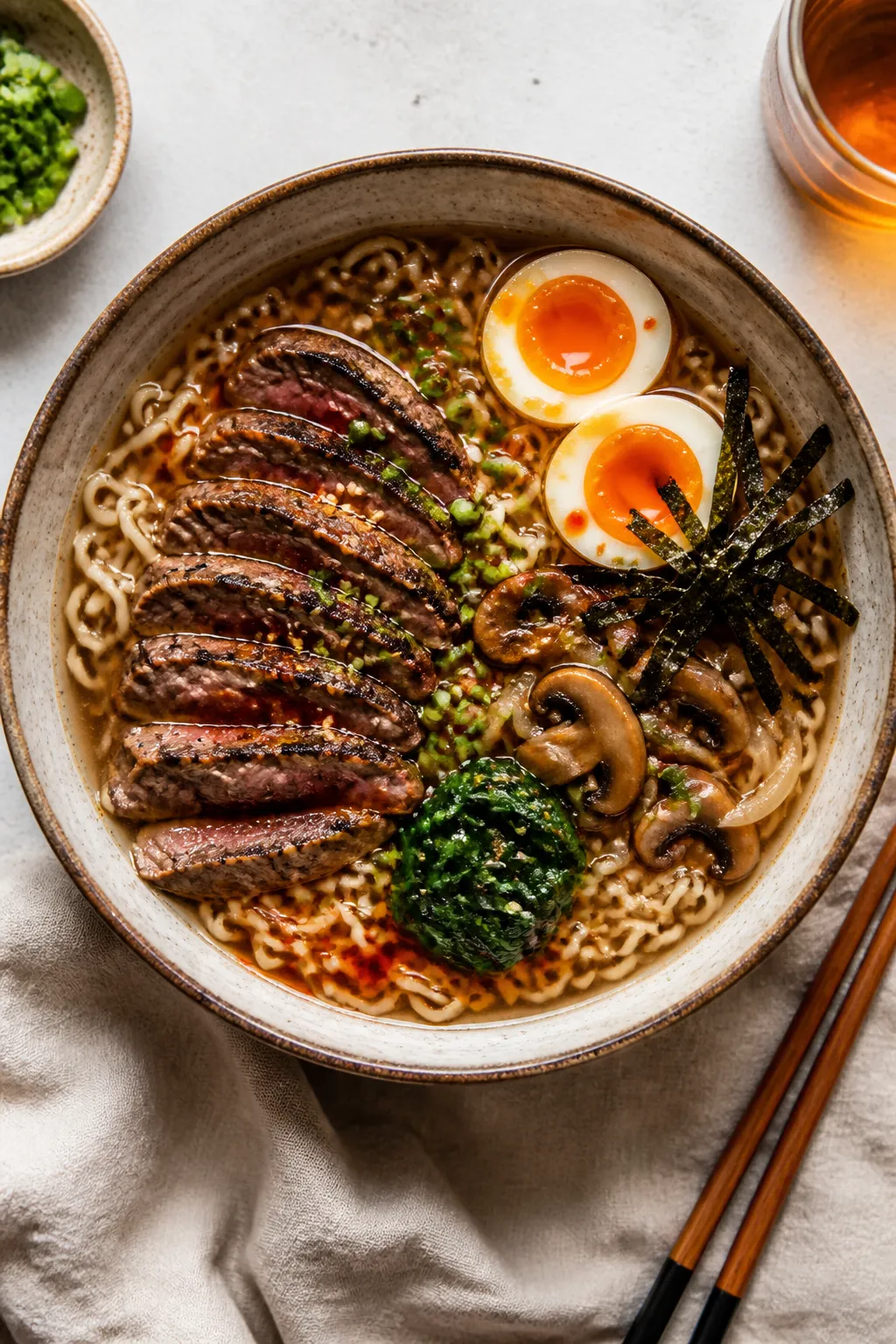
- Slice the beef: If not already thin, freeze the beef for 20 minutes, then slice against the grain into thin strips.
Pat dry and set aside.
- Make the marinade: In a bowl, combine soy sauce, sesame oil, brown sugar, gochujang, rice vinegar, garlic, and ginger. Stir until smooth.
- Marinate the beef: Add the beef to the bowl, toss to coat, and let it sit for 15–30 minutes. Longer equals deeper flavor, but even 15 minutes helps.
- Prep the broth: In a pot, bring the broth to a gentle simmer.
Add 1 tablespoon soy sauce and 1 teaspoon sesame oil. Keep warm over low heat.
- Cook noodles: Boil ramen according to package directions until just shy of tender. Drain, rinse briefly under hot water, and set aside.
- Sear the beef: Heat a large skillet over medium-high.
Add oil, then the marinated beef in a single layer. Cook 1–2 minutes per side until browned and slightly caramelized. Work in batches to avoid steaming.
- Sauté the vegetables: In the same pan, add a touch more oil if needed.
Toss in onion and mushrooms with a pinch of salt. Cook 3–4 minutes until softened and golden. Add spinach or bok choy and cook just until wilted.
- Deglaze (optional but great): Splash a few tablespoons of broth into the hot pan to lift the browned bits.
Pour those juices into the main broth pot for extra depth.
- Assemble bowls: Divide noodles into bowls. Ladle hot broth over them. Top with beef and vegetables.
- Add toppings: Finish with scallions, sesame seeds, and any extras like kimchi, a soft-boiled egg, nori, or a drizzle of chili oil.
- Taste and adjust: Add a little soy sauce for salt, rice vinegar for brightness, or gochujang/chili oil for heat.
Keeping It Fresh
Store components separately for the best texture.
Keep cooked noodles, broth, and beef/veg in different containers. The broth and beef keep well for 3–4 days in the fridge. Noodles are best within 2 days.
Reheat the broth until hot, warm the beef and vegetables gently, then pour over the noodles right before serving.
For freezing, stick to the broth and cooked beef. Freeze in airtight containers for up to 2 months. Thaw in the fridge overnight.
Cook fresh noodles when you’re ready to serve, then add the reheated broth and beef.
Health Benefits
- Protein-rich: Lean cuts like sirloin provide high-quality protein to support muscle repair and satiety.
- Iron and B vitamins: Beef offers heme iron and B12, which help energy levels and red blood cell health.
- Balanced carbs: Ramen noodles add energy for active days. Choose whole-grain or air-dried noodles for extra fiber if you like.
- Antioxidants from veggies: Mushrooms, spinach, and scallions bring fiber, vitamins A and C, and minerals like potassium.
- Healthy fats: Sesame oil and seeds contain unsaturated fats and lignans that support heart health when used in moderation.
- Fermented boosts: A spoonful of kimchi adds probiotics, which may support gut health and digestion.
Pitfalls to Watch Out For
- Overcrowding the pan: If the beef steams instead of sears, you’ll miss that caramelized BBQ flavor. Cook in batches.
- Overcooking noodles: Soft, mushy noodles can ruin the bowl.
Undercook slightly; they’ll soften in the hot broth.
- Too salty: Soy sauce and broth vary in saltiness. Start with low-sodium broth and add salt at the end if needed.
- Skipping the marinade time: Even 15 minutes helps the beef soak up flavor and stay tender.
- Flat flavor: If the bowl tastes heavy, add a splash of rice vinegar or a squeeze of lime to brighten it up.
Need More Easy Dinner Ideas?
Get my FREE 7-Day Easy Dinner Reset and enjoy a full week of healthy dinners without the meal-planning stress.
Variations You Can Try
- Spicy Bulgogi Style: Add grated pear or apple to the marinade for sweetness and tenderizing, plus extra gochujang for heat.
- Brothless “Mazemen” Style: Toss cooked noodles with the beef, marinade reduction, sesame oil, and scallions. Serve with a jammy egg.
- Vegetarian Swap: Use firm tofu or seared mushrooms instead of beef.
Marinate and sear the same way. Use veggie broth.
- Lean and Light: Use flank steak, add more greens, and reduce sugar. Go for air-dried or whole-wheat ramen.
- Extra-Rich: Stir a spoon of butter or a splash of cream into the broth for a silky finish, or add miso for umami depth.
- Gluten-Free: Use tamari or coconut aminos, and swap ramen for gluten-free rice ramen or glass noodles.
FAQ
Can I make this without gochujang?
Yes.
Use a mix of chili garlic sauce and a bit of miso or tomato paste for body. It won’t be exactly the same, but you’ll still get a savory, slightly spicy sauce.
What cut of beef works best?
Ribeye gives the most buttery texture, sirloin keeps it lean, and flank is affordable and flavorful when sliced thin. The key is slicing against the grain as thin as you can.
How can I make the broth more intense?
Simmer the broth with dried shiitakes, a small piece of kombu, or a spoon of white or red miso.
A splash of the marinade reduced in the pan also adds a sweet-savory boost.
Do I need a grill for the BBQ flavor?
No. A hot skillet or cast-iron pan creates great char and caramelization. If you do have a grill pan, you can sear the beef quickly over high heat for extra smokiness.
What toppings go best?
Scallions, sesame seeds, soft-boiled eggs, kimchi, nori, pickled radish, and chili oil are all great.
Choose a few and keep it balanced so the broth still shines.
Can I make it ahead?
Yes. Prep the marinade and slice the vegetables the day before. Cook the beef and broth the day of serving, then assemble with fresh-cooked noodles for the best texture.
Final Thoughts
Korean BBQ Beef Ramen delivers bold flavor without a lot of fuss.
It’s flexible, fast, and satisfying, whether you’re cooking for one or feeding a crowd. Keep the marinade simple, don’t overcook the noodles, and finish with fresh toppings. With a few smart steps, you’ll have a bowl that tastes like you worked way harder than you did.
Enjoy the slurp and the sizzle in every bite.
Printable Recipe Card
Want just the essential recipe details without scrolling through the article? Get our printable recipe card with just the ingredients and instructions.
Loved This Recipe?
If you're looking for more simple, healthy dinners your family will actually eat, grab my FREE 7-Day Easy Dinner Reset. You'll get 7 easy dinner recipes, simple grocery lists, and a done-for-you plan that takes the stress out of mealtime.