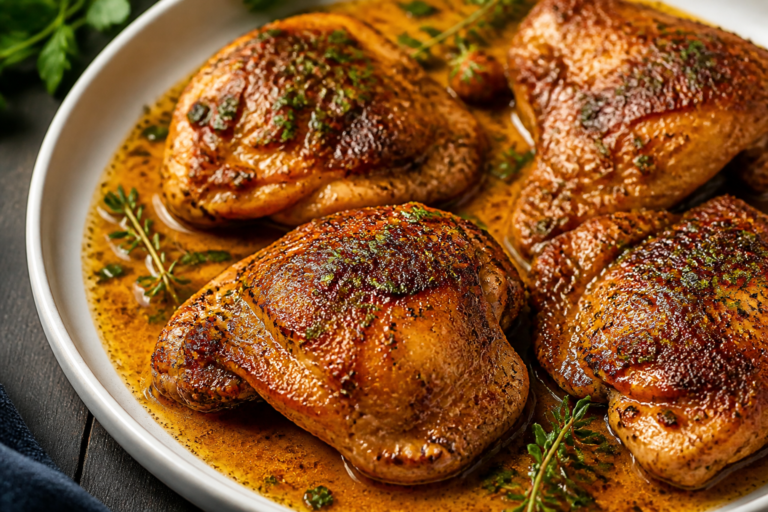
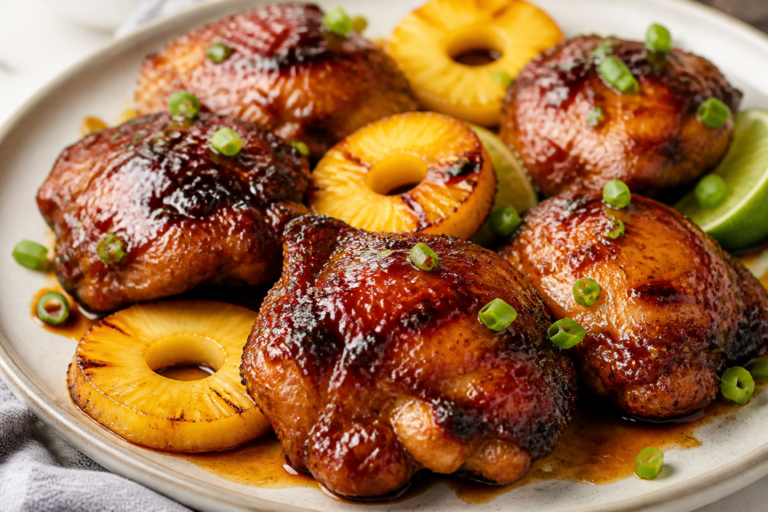
Honey Balsamic Chicken Thighs – Sweet, Tangy, and Weeknight Easy
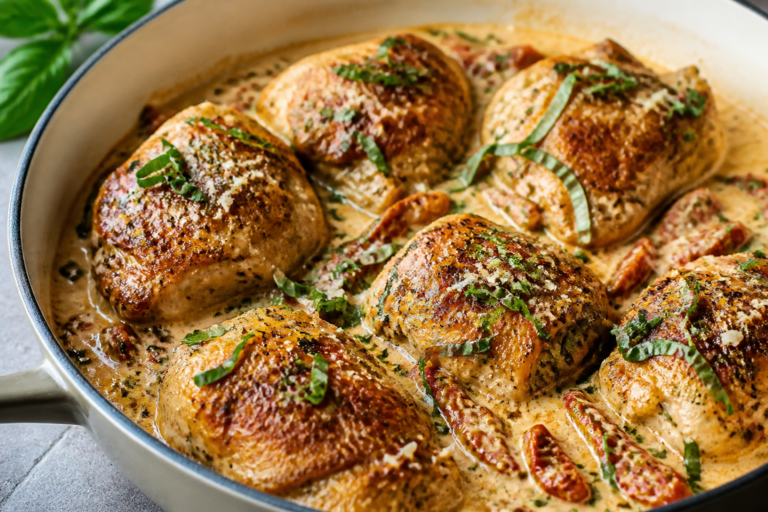
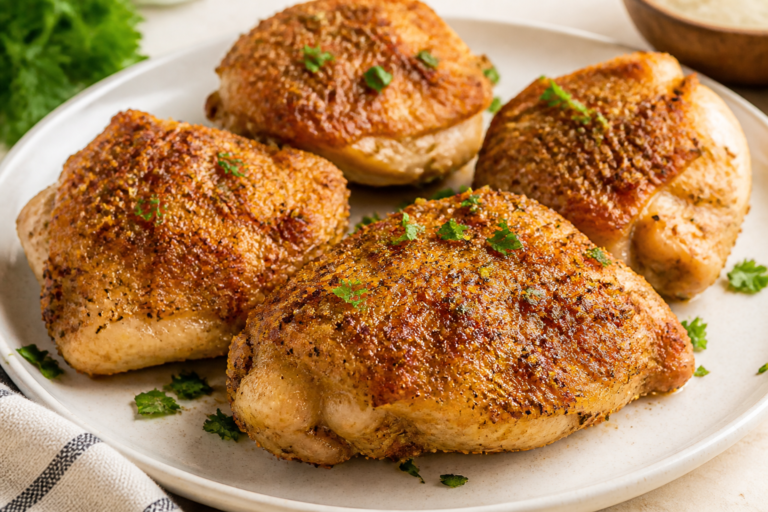
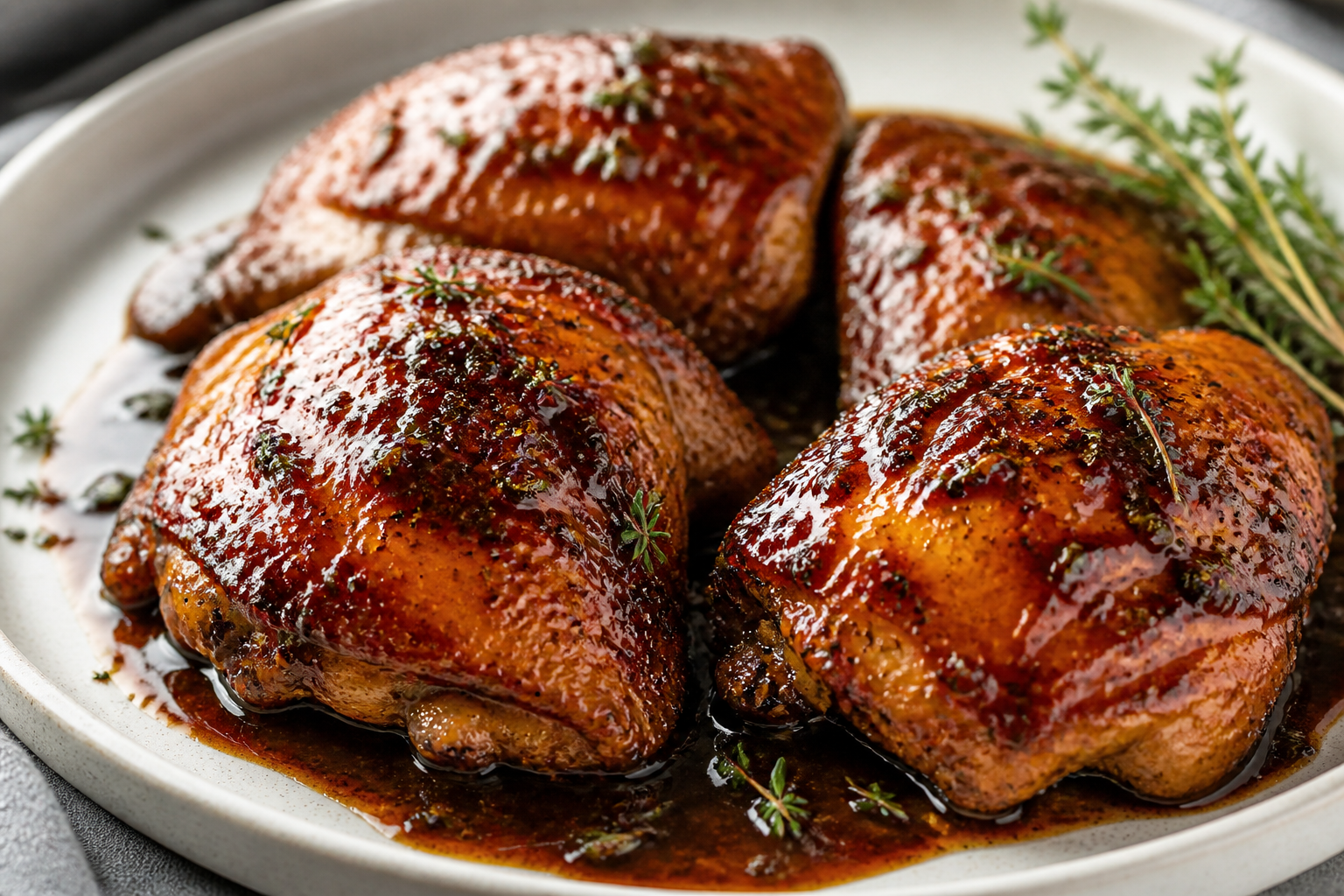
Honey Balsamic Chicken Thighs deliver big flavor with minimal effort. You get juicy, golden-brown chicken coated in a glossy sauce that’s equal parts sweet, tangy, and savory. It’s the kind of recipe that feels special but fits right into a busy weeknight.
FREE 7-Day Easy Dinner Reset
Save time, eat healthier, and take the stress out of dinner. Get a full week of easy healthy dinners delivered straight to your inbox.
Serve it with rice, roasted veggies, or a crisp salad, and you’re set. Best of all, everything happens in one pan, and the cleanup is easy.
Ingredients
Method
- Preheat and prep: Heat your oven to 400°F (200°C). Pat the chicken thighs dry with paper towels. Season both sides generously with salt and black pepper.
- Sear the chicken: Heat a large oven-safe skillet over medium-high heat. Add olive oil. Place chicken skin-side down and sear without moving for 6–8 minutes, until the skin is deep golden and crisp. Flip and cook 2 minutes on the second side.
- Roast to finish: Transfer the skillet to the oven and roast 12–18 minutes, depending on size, until the internal temperature reaches 165°F (74°C). Move the chicken to a plate and tent loosely with foil.
- Build the sauce base: Return the skillet to medium heat on the stovetop. Spoon off excess fat, leaving about 1 tablespoon. Add butter and minced garlic. Cook 30–45 seconds, just until fragrant.
- Deglaze: Pour in balsamic vinegar and scrape up the browned bits. Stir in honey, chicken broth, Dijon, thyme, and a pinch of red pepper flakes if using.
- Reduce and thicken: Simmer 3–5 minutes, stirring, until the sauce is glossy and slightly thickened. It should lightly coat the back of a spoon. Adjust sweetness or tang with a bit more honey or vinegar as needed.
- Return the chicken: Add the chicken and any accumulated juices back to the pan. Spoon sauce over the thighs and simmer 1 minute to glaze. For extra brightness, squeeze in a little lemon.
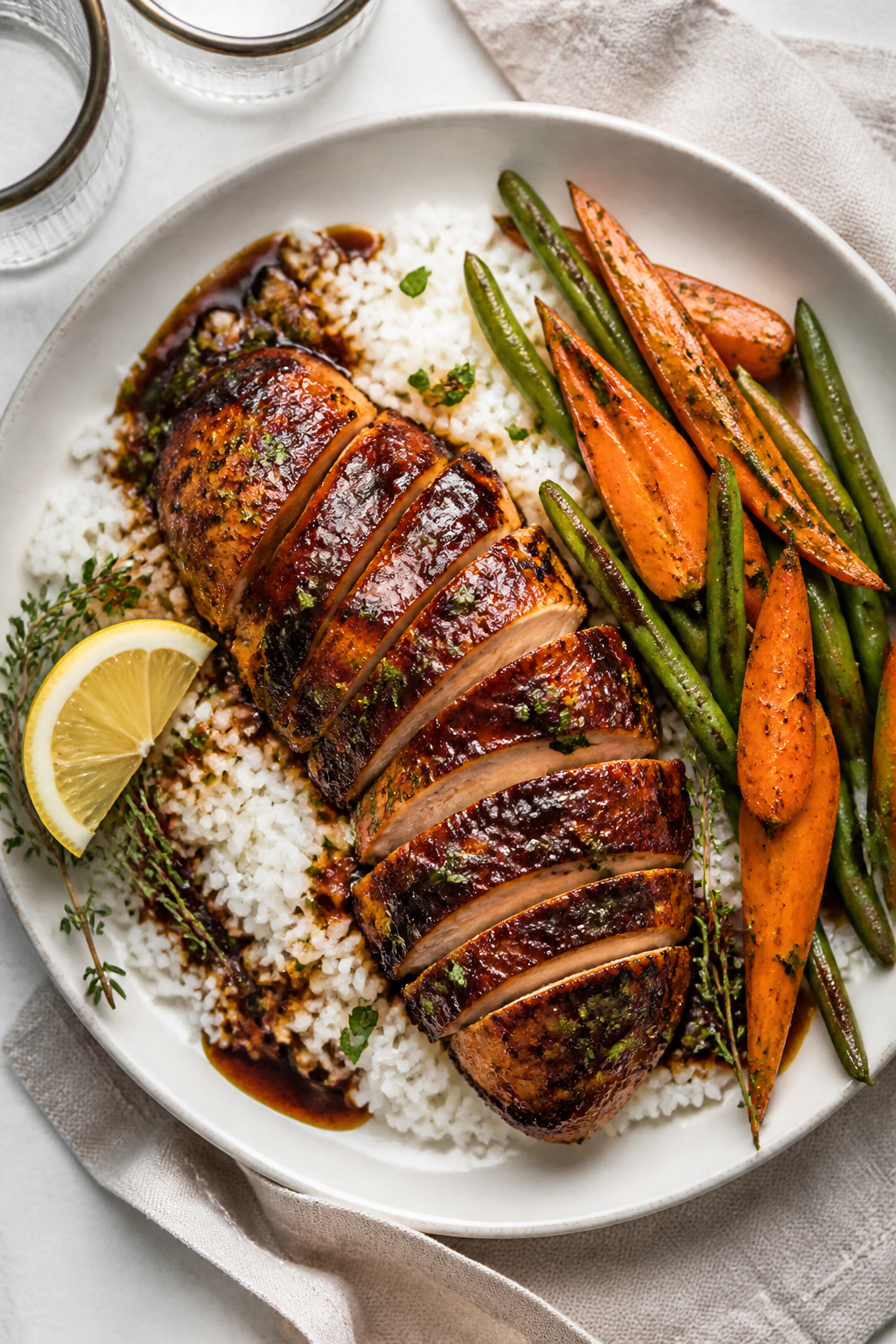
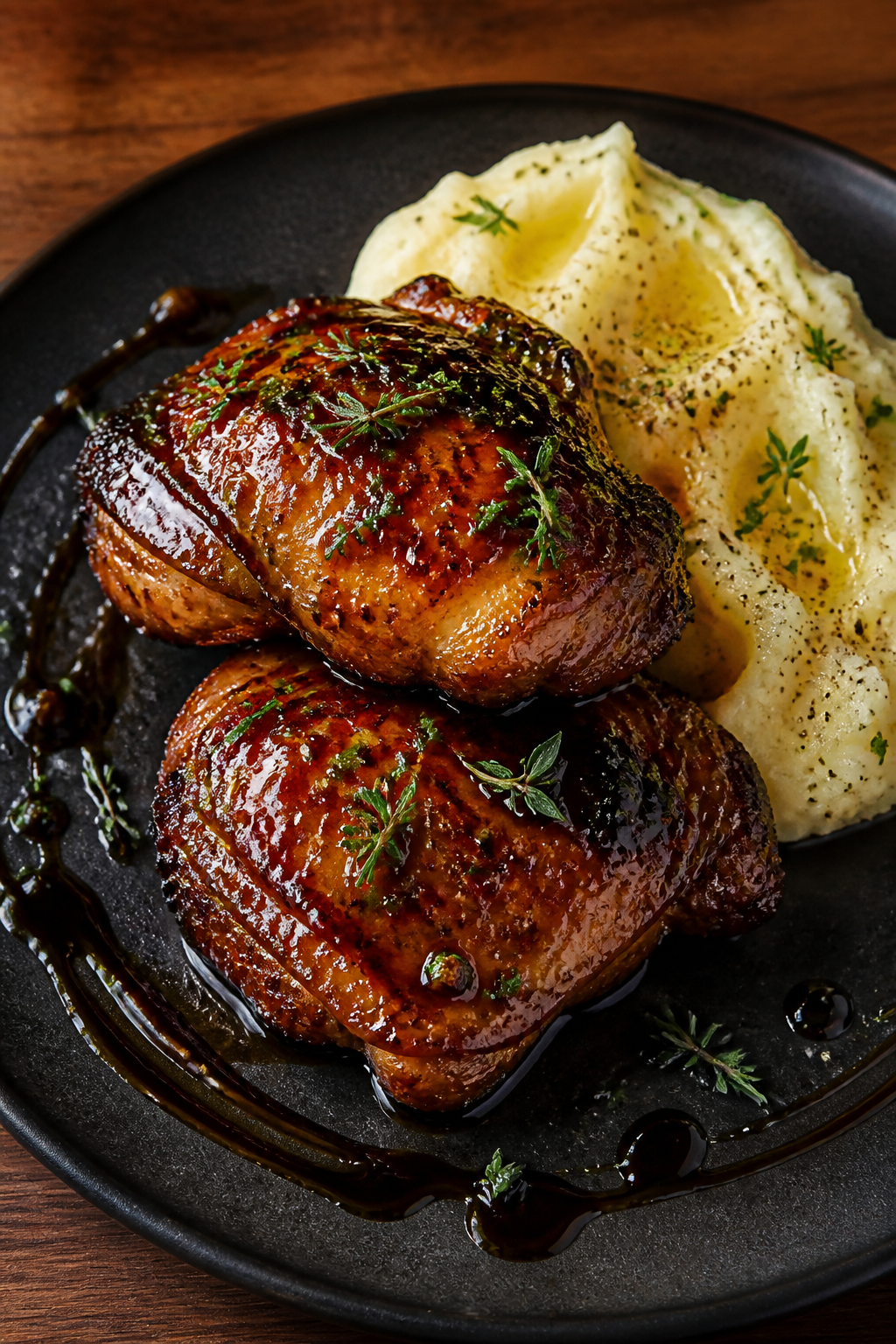
- Finish and serve: Sprinkle with chopped parsley. Serve chicken with sauce over rice, mashed potatoes, or roasted vegetables.
Why This Recipe Works
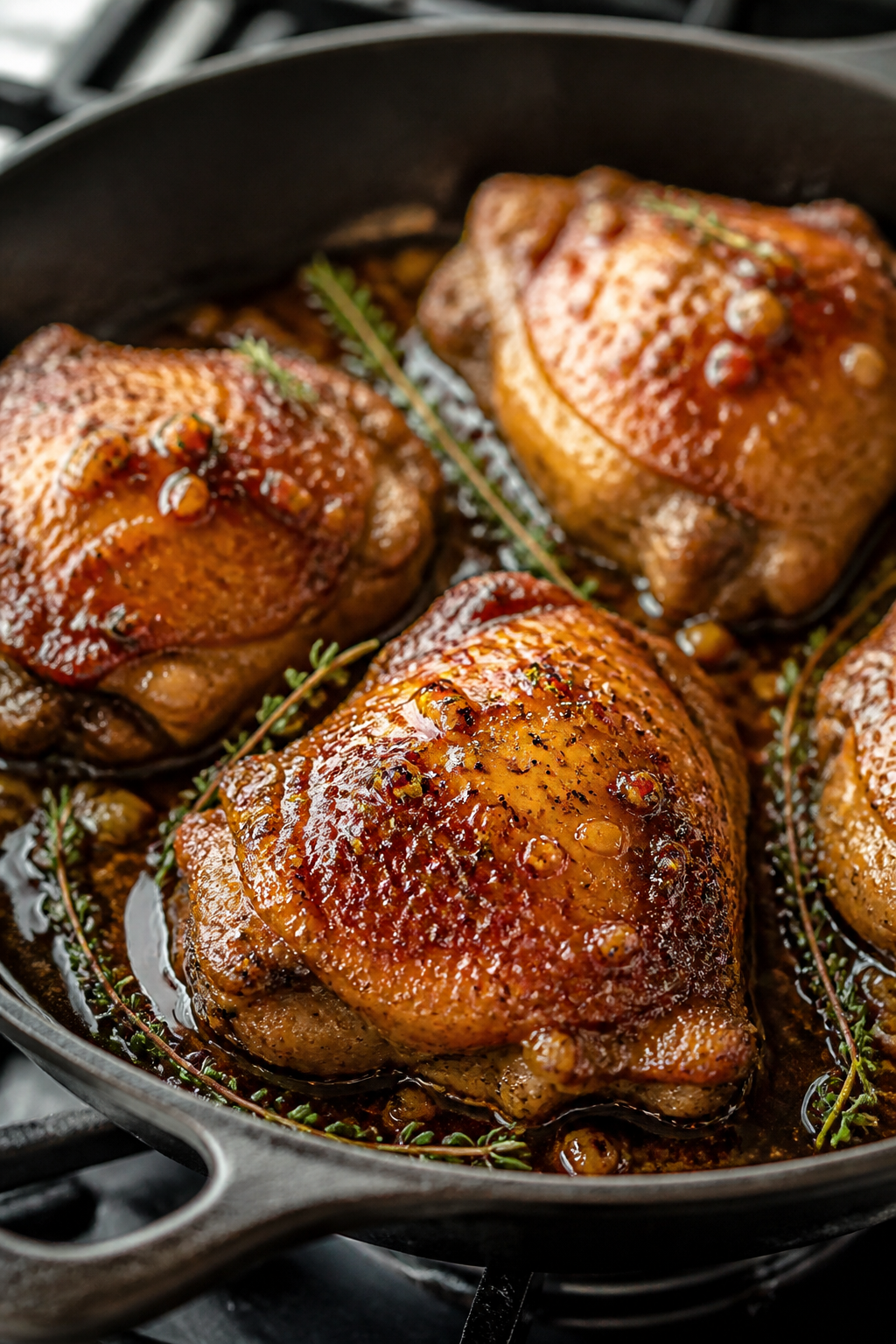
This recipe leans on bone-in, skin-on chicken thighs for maximum flavor and moisture. They’re forgiving and hard to overcook, which makes them perfect for stovetop-to-oven cooking.
The sauce blends balsamic vinegar with honey and garlic, striking a balance between sweet and sharp that clings beautifully to crispy chicken skin.
A quick sear builds a deep, savory crust, while a short oven roast cooks the meat through without drying it out. Finishing the sauce in the same pan captures all the browned bits and turns them into something glossy and rich. The result is a reliable, repeatable dinner that tastes restaurant-worthy.
Shopping List
- Chicken thighs: 6–8 bone-in, skin-on
- Salt and black pepper: For seasoning
- Olive oil: For searing
- Butter: 1–2 tablespoons for richness
- Garlic: 4–5 cloves, minced
- Balsamic vinegar: 1/3 cup, good quality
- Honey: 3–4 tablespoons, to taste
- Chicken broth: 1/2 cup (or water)
- Dijon mustard: 1 teaspoon for tang and body
- Fresh thyme or rosemary: A few sprigs (or 1 teaspoon dried thyme)
- Red pepper flakes: Pinch, optional
- Lemon: 1/2 for a finishing squeeze (optional)
- Fresh parsley: For garnish (optional)
How to Make It
- Preheat and prep: Heat your oven to 400°F (200°C).
Pat the chicken thighs dry with paper towels. Season both sides generously with salt and black pepper.
- Sear the chicken: Heat a large oven-safe skillet over medium-high heat. Add olive oil.
Place chicken skin-side down and sear without moving for 6–8 minutes, until the skin is deep golden and crisp. Flip and cook 2 minutes on the second side.
- Roast to finish: Transfer the skillet to the oven and roast 12–18 minutes, depending on size, until the internal temperature reaches 165°F (74°C). Move the chicken to a plate and tent loosely with foil.
- Build the sauce base: Return the skillet to medium heat on the stovetop.
Spoon off excess fat, leaving about 1 tablespoon. Add butter and minced garlic. Cook 30–45 seconds, just until fragrant.
- Deglaze: Pour in balsamic vinegar and scrape up the browned bits.
Stir in honey, chicken broth, Dijon, thyme, and a pinch of red pepper flakes if using.
- Reduce and thicken: Simmer 3–5 minutes, stirring, until the sauce is glossy and slightly thickened. It should lightly coat the back of a spoon. Adjust sweetness or tang with a bit more honey or vinegar as needed.
- Return the chicken: Add the chicken and any accumulated juices back to the pan.
Spoon sauce over the thighs and simmer 1 minute to glaze. For extra brightness, squeeze in a little lemon.
- Finish and serve: Sprinkle with chopped parsley. Serve chicken with sauce over rice, mashed potatoes, or roasted vegetables.
Storage Instructions
Cool leftovers to room temperature, then store in an airtight container in the fridge for up to 4 days.
Keep the chicken with its sauce to maintain moisture. Reheat gently on the stovetop over low heat, adding a splash of water or broth if the sauce tightens too much.
For freezing, place cooled chicken and sauce in a freezer-safe container for up to 3 months. Thaw overnight in the fridge, then warm on the stovetop until heated through.
Stir occasionally so the sauce doesn’t separate.
Health Benefits
Protein-rich: Chicken thighs provide high-quality protein for muscle repair and satiety. The darker meat offers iron and zinc, which support energy levels and immune function.
Smart fats: Skin-on thighs contain more fat than breasts, but that fat boosts satisfaction and helps absorb fat-soluble vitamins. You can remove the skin after cooking if you want to cut back while keeping flavor.
Antioxidants: Balsamic vinegar contains polyphenols, and garlic brings allicin, both linked to heart-health benefits.
Fresh herbs add micronutrients and fragrance with almost no calories.
Balanced plate: Pair the chicken with fiber-rich sides like roasted Brussels sprouts, green beans, or a whole grain to create a well-rounded meal that keeps you full longer.
What Not to Do
- Don’t rush the sear: Moving the chicken too soon tears the skin and prevents browning. Let it release naturally from the pan.
- Don’t over-reduce the sauce: Honey can scorch. Keep the heat moderate and remove the sauce once it’s glossy and coats a spoon.
- Don’t skip seasoning: Under-seasoned chicken tastes flat.
Salt and pepper the meat, then taste and adjust the sauce.
- Don’t crowd the pan: Overcrowding drops the temperature and steams the skin. Sear in batches if needed.
- Don’t forget carryover cooking: The chicken will rise a few degrees off heat. Pull it from the oven right at 165°F or slightly before if resting in the hot pan.
Need More Easy Dinner Ideas?
Get my FREE 7-Day Easy Dinner Reset and enjoy a full week of healthy dinners without the meal-planning stress.
Alternatives
- Chicken breasts: Use boneless, skinless breasts; sear 3–4 minutes per side, then roast 8–12 minutes to 160°F and rest to 165°F.
Sauce time stays the same.
- Boneless thighs: Cook faster. Sear 4–5 minutes per side on the stovetop, then finish in the oven 6–8 minutes.
- Maple swap: Substitute honey with pure maple syrup for a deeper, woodsy sweetness. Reduce by a minute more to thicken.
- Herb variations: Try oregano, sage, or basil.
Add a bay leaf while reducing, then remove before serving.
- Gluten-free and dairy-free: The recipe is naturally gluten-free. Skip the butter or use a plant-based alternative for dairy-free.
- No alcohol needed: This recipe doesn’t require wine, but you can add a splash of dry white wine with the broth for extra dimension.
- Vegetable add-ins: After searing, nestle halved cherry tomatoes, quartered mushrooms, or sliced onions around the chicken before roasting.
FAQ
Can I make this entirely on the stovetop?
Yes. After searing skin-side down until crisp, flip, lower the heat to medium, cover, and cook until the thighs reach 165°F.
Remove the chicken, make the sauce in the same pan, then return the chicken to glaze. The oven method gives more even cooking, but stovetop works well in a pinch.
What if my sauce is too thin?
Simmer it a few more minutes to reduce. If you’re short on time, whisk 1/2 teaspoon cornstarch with 2 teaspoons water, then stir into the simmering sauce.
Cook 30–60 seconds until glossy.
How do I keep the skin crispy after saucing?
Glaze lightly and spoon sauce around the chicken on the plate rather than drenching the skin. You can also broil the glazed thighs for 1 minute to re-crisp, watching closely to avoid burning.
Is balsamic glaze the same as balsamic vinegar?
No. Balsamic glaze is a reduced, sweetened product.
For this recipe, use balsamic vinegar and let it reduce with honey and broth in the pan. If you only have glaze, reduce the honey and add a splash of water or broth to balance sweetness.
Can I meal prep this?
Absolutely. Cook as directed, store with the sauce, and portion into containers with rice or veggies.
Reheat gently. The flavors deepen after a day, making it ideal for weekday lunches.
What sides go best with Honey Balsamic Chicken Thighs?
Try garlic mashed potatoes, buttered noodles, or rice to soak up the sauce. For lighter options, pair with roasted carrots, green beans, or a simple arugula salad with lemon and olive oil.
Can I use a nonstick pan?
Yes, but a stainless steel or cast-iron skillet browns better and builds more flavor.
If using nonstick, keep the heat a touch lower and avoid metal utensils.
How do I avoid a sharp, acidic taste?
Balance is key. If the sauce tastes too sharp, whisk in a bit more honey or a teaspoon of butter off heat. A small squeeze of lemon can also brighten without adding harshness.
In Conclusion
Honey Balsamic Chicken Thighs are a simple path to a richly flavored dinner with only one pan and pantry staples.
The crisp sear, the glossy sauce, and the tender meat work together in a way that feels effortless. Make it once, and it will likely join your weeknight rotation. Keep the technique, swap in your favorite herbs, and enjoy a reliable, crowd-pleasing meal any night of the week.
Printable Recipe Card
Want just the essential recipe details without scrolling through the article? Get our printable recipe card with just the ingredients and instructions.
Loved This Recipe?
If you're looking for more simple, healthy dinners your family will actually eat, grab my FREE 7-Day Easy Dinner Reset. You'll get 7 easy dinner recipes, simple grocery lists, and a done-for-you plan that takes the stress out of mealtime.