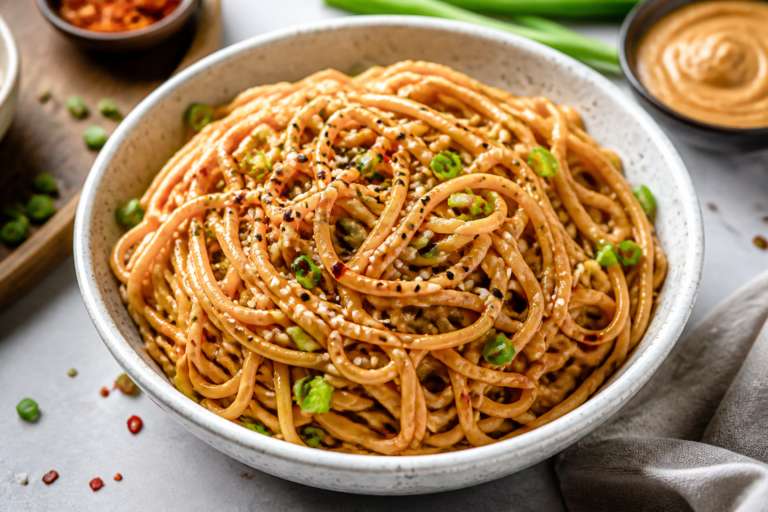
Creamy Korean BBQ Pasta – A Sweet, Spicy, and Comforting Weeknight Win
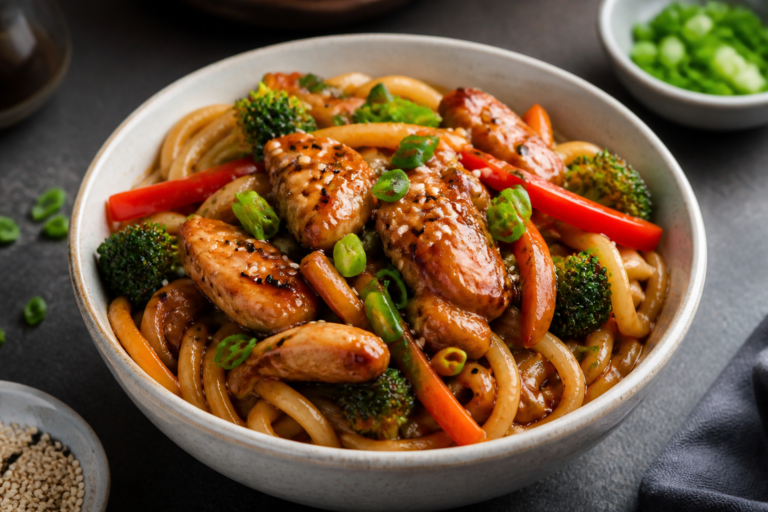
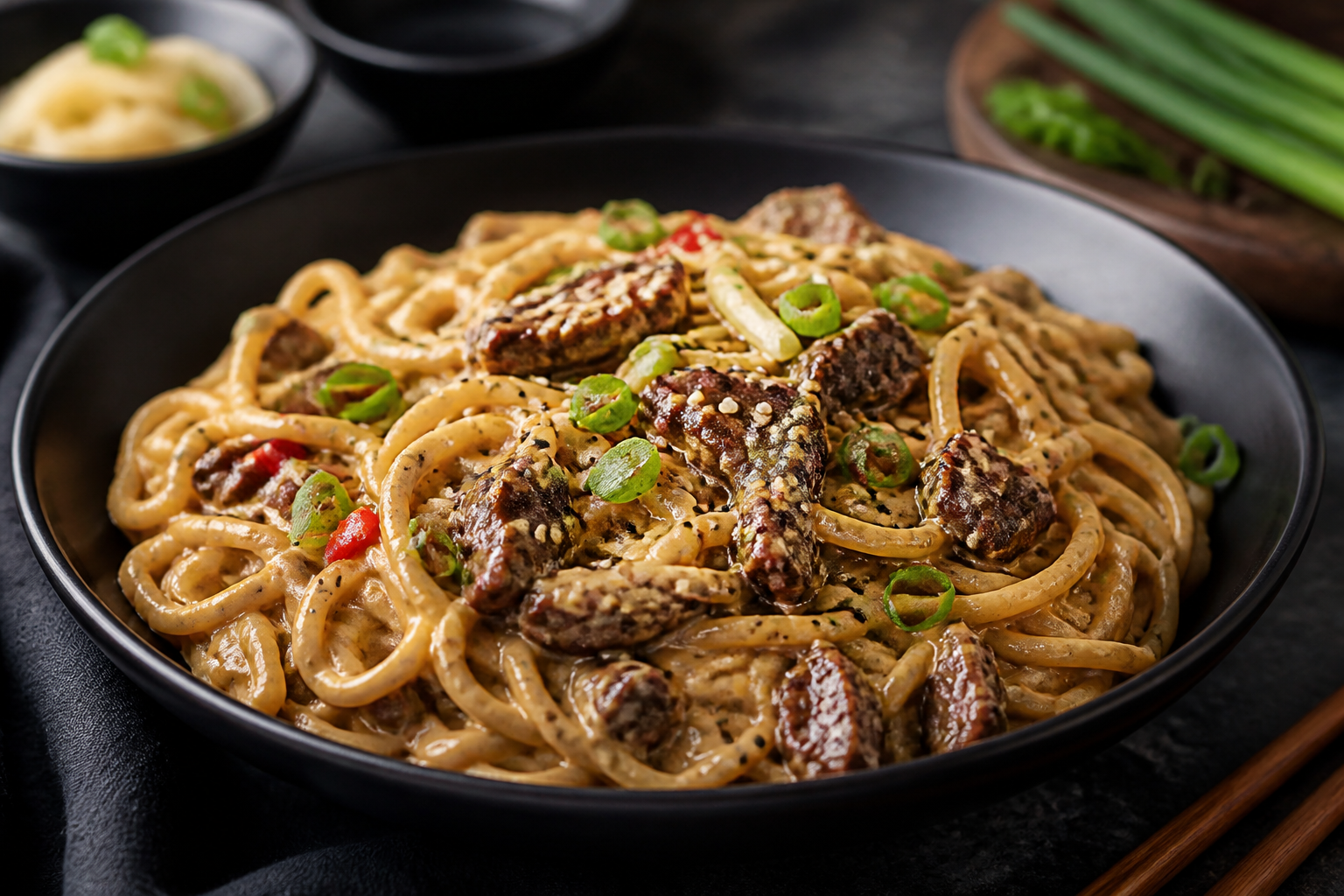
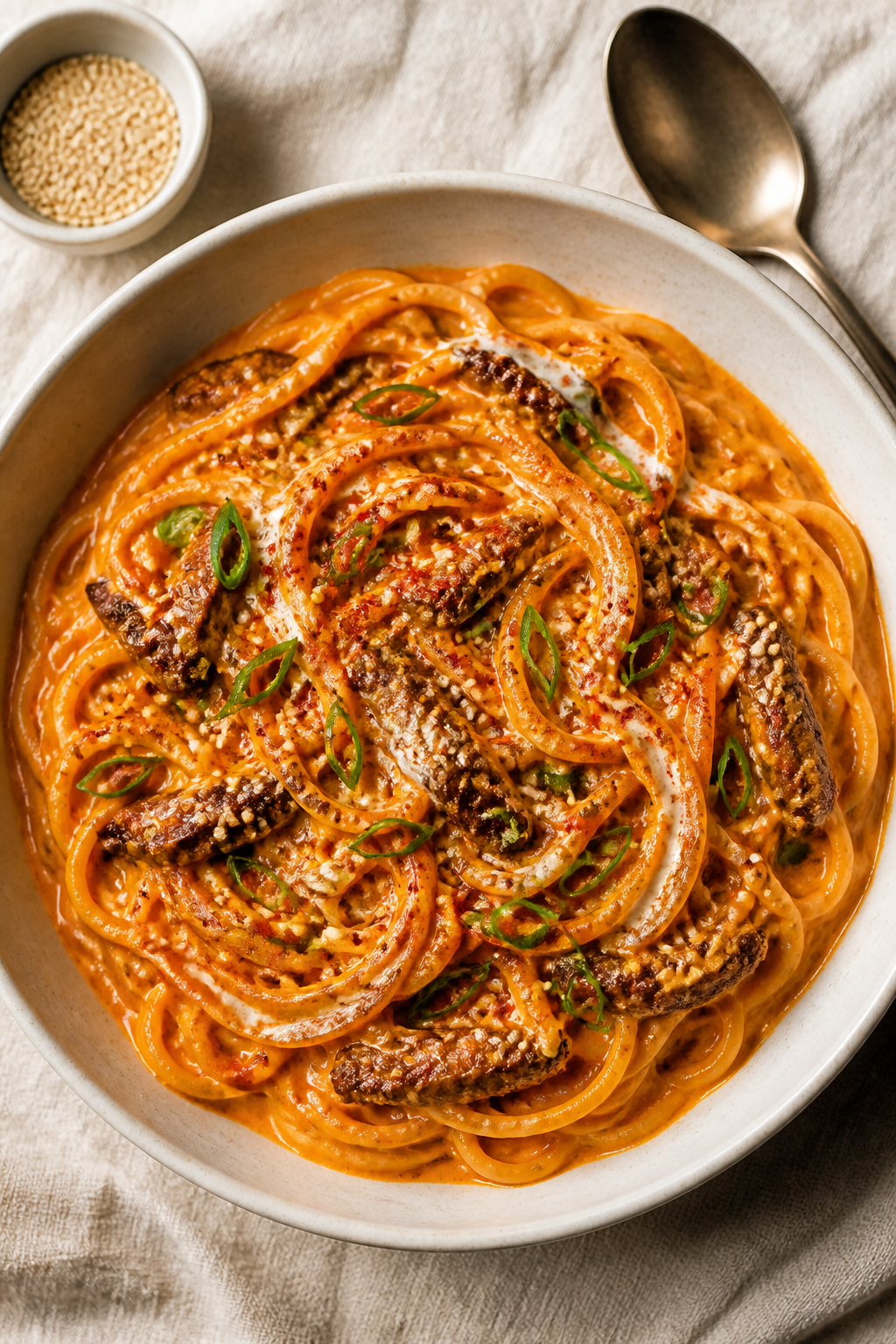
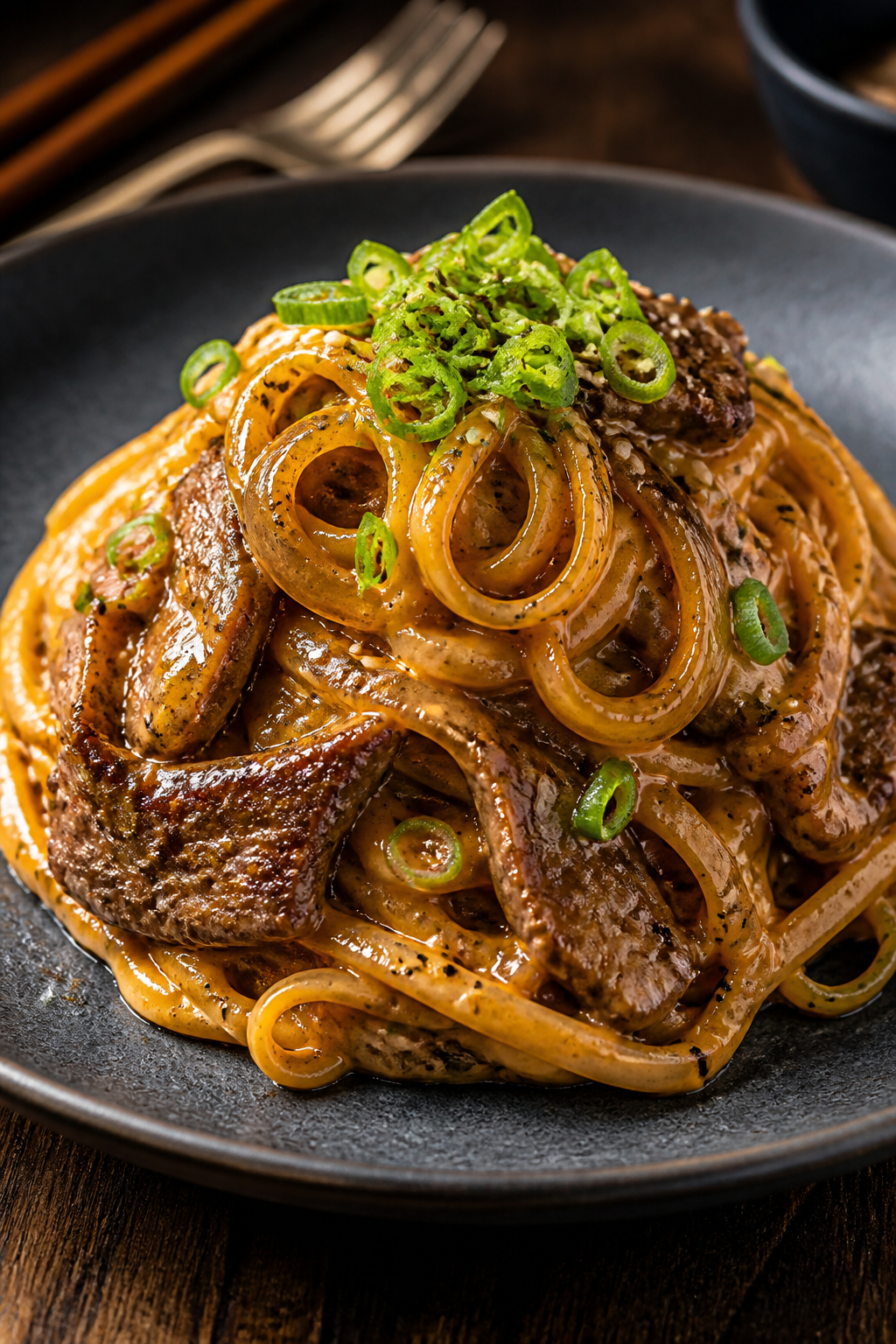
Creamy Korean BBQ Pasta brings together two comfort food worlds in the best way possible. Think silky noodles coated in a rich, gochujang-laced sauce, tossed with tender beef and sweet onions, then finished with a splash of cream and a sprinkle of sesame. It’s bold but balanced, cozy yet exciting.
FREE 7-Day Easy Dinner Reset
Save time, eat healthier, and take the stress out of dinner. Get a full week of easy healthy dinners delivered straight to your inbox.
If you love creamy pasta and crave the sweet heat of Korean BBQ, this recipe is your new go-to. It’s fast enough for weeknights but special enough for a stay-in date night.
Ingredients
Method
- Boil the pasta. Bring a large pot of salted water to a boil. Cook pasta until just shy of al dente. Reserve 1 to 1.5 cups of starchy pasta water, then drain.
- Prep your aromatics. Thinly slice the onion. Mince the garlic and grate the ginger. Slice scallions for garnish.
- Slice the beef. If not pre-sliced, freeze steak for 20 minutes to firm up, then slice thinly across the grain. Pat dry and season lightly with salt and pepper.
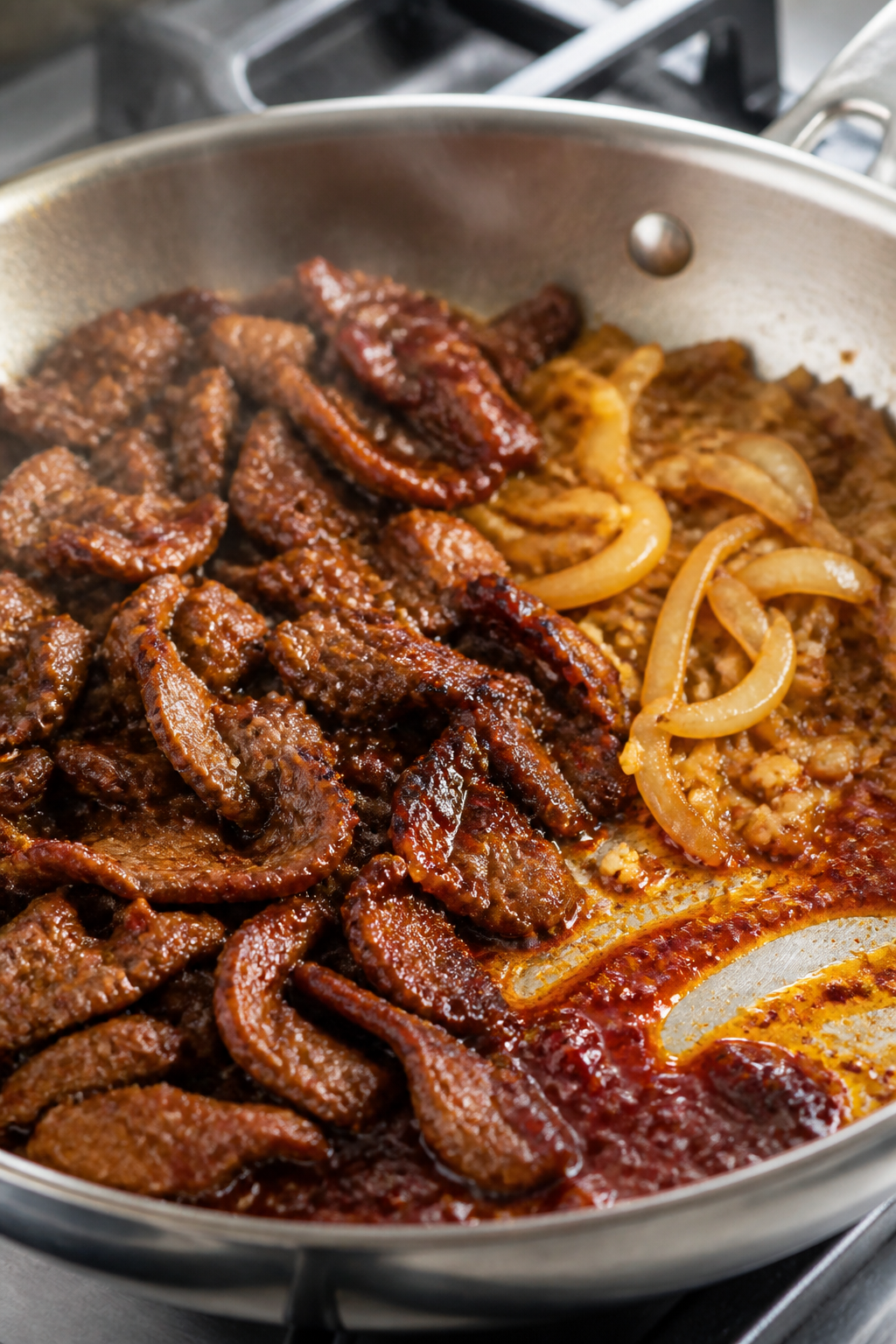
- Sear the beef. Heat a large skillet over medium-high. Add oil. Sear beef in two batches for 1–2 minutes per side until just browned. Transfer to a plate. Do not overcook.
- Soften the onions. Lower heat to medium. Add butter to the same pan. Sauté onions until soft and lightly golden, 4–6 minutes. Add garlic and ginger; cook 30 seconds until fragrant.
- Build the Korean BBQ base. Stir in gochujang, soy sauce, and brown sugar. Let it bubble for 30–60 seconds to thicken slightly and coat the onions.
- Make it creamy. Pour in heavy cream and 1/2 cup pasta water. Stir until the sauce is smooth and slightly thickened. Taste and adjust with more soy for salt, sugar for sweetness, or gochujang for heat.
- Combine pasta and beef. Add cooked pasta and the seared beef (plus juices) to the skillet. Toss to coat, adding more pasta water as needed to create a glossy, silky sauce that clings to the noodles.
- Brighten and finish. Stir in rice vinegar and sesame oil. Toss for 30 seconds. Season with pepper and a pinch of salt if needed.
- Garnish and serve. Top with scallions and sesame seeds. For extra heat, sprinkle gochugaru. Serve hot.
Why This Recipe Works
This pasta marries the sweet-smoky depth of Korean BBQ with the comfort of a cream sauce. Gochujang brings fermented heat and umami, while soy sauce and brown sugar give it that classic bulgogi-style sweetness.
Butter and cream mellow the spice and create a clingy, glossy sauce that hugs every strand of pasta. A quick flash-cook on thinly sliced beef keeps it tender, and a hit of rice vinegar brightens the finish so it never feels heavy.
Shopping List
- Pasta: 12 oz spaghetti, bucatini, or fettuccine
- Beef: 1 lb thinly sliced ribeye or sirloin (or use ground beef)
- Aromatics: 1 small yellow onion, 3 cloves garlic, 1-inch piece fresh ginger
- Fats: 2 tbsp butter, 1 tbsp neutral oil (canola or avocado)
- Gochujang: 2–3 tbsp, to taste
- Soy sauce: 2–3 tbsp (low sodium preferred)
- Brown sugar or honey: 1–2 tbsp
- Rice vinegar: 1–2 tsp
- Heavy cream: 3/4 cup (or half-and-half)
- Pasta water: Reserved from the pot
- Sesame oil: 1 tsp
- Sesame seeds: 1–2 tsp, toasted
- Scallions: 2–3, thinly sliced
- Optional heat: Gochugaru or red pepper flakes
- Optional veg: Mushrooms, spinach, or bell peppers
- Salt and pepper: To taste
Step-by-Step Instructions
- Boil the pasta. Bring a large pot of salted water to a boil. Cook pasta until just shy of al dente.
Reserve 1 to 1.5 cups of starchy pasta water, then drain.
- Prep your aromatics. Thinly slice the onion. Mince the garlic and grate the ginger. Slice scallions for garnish.
- Slice the beef. If not pre-sliced, freeze steak for 20 minutes to firm up, then slice thinly across the grain.
Pat dry and season lightly with salt and pepper.
- Sear the beef. Heat a large skillet over medium-high. Add oil. Sear beef in two batches for 1–2 minutes per side until just browned.
Transfer to a plate. Do not overcook.
- Soften the onions. Lower heat to medium. Add butter to the same pan.
Sauté onions until soft and lightly golden, 4–6 minutes. Add garlic and ginger; cook 30 seconds until fragrant.
- Build the Korean BBQ base. Stir in gochujang, soy sauce, and brown sugar. Let it bubble for 30–60 seconds to thicken slightly and coat the onions.
- Make it creamy. Pour in heavy cream and 1/2 cup pasta water.
Stir until the sauce is smooth and slightly thickened. Taste and adjust with more soy for salt, sugar for sweetness, or gochujang for heat.
- Combine pasta and beef. Add cooked pasta and the seared beef (plus juices) to the skillet. Toss to coat, adding more pasta water as needed to create a glossy, silky sauce that clings to the noodles.
- Brighten and finish. Stir in rice vinegar and sesame oil.
Toss for 30 seconds. Season with pepper and a pinch of salt if needed.
- Garnish and serve. Top with scallions and sesame seeds. For extra heat, sprinkle gochugaru.
Serve hot.
How to Store
Cool leftovers completely, then place in an airtight container. Refrigerate for up to 3 days. Reheat gently on the stove with a splash of water, milk, or cream to loosen the sauce.
The microwave works in a pinch—use short bursts and stir often so it doesn’t break. This dish doesn’t freeze well because the creamy sauce can separate, so enjoy it fresh or within a few days.
Why This is Good for You
This recipe provides a balanced mix of protein and carbohydrates for energy and satiety. Gochujang and ginger bring antioxidants and gut-friendly fermented elements.
The onions and scallions add fiber and prebiotics. While the cream adds richness, you’re using a measured amount, and you can lighten it with half-and-half or even evaporated milk if you prefer. Add spinach or mushrooms to bump up the veggies without losing the comfort factor.
Pitfalls to Watch Out For
- Overcooking the beef: Thin slices go from perfect to tough quickly.
Sear fast over high heat and pull early.
- Skipping pasta water: The starch in pasta water emulsifies the sauce. Without it, you’ll get a thin or greasy texture.
- Too salty or too sweet: Gochujang and soy vary. Taste the sauce before adding pasta.
Adjust in small steps.
- Curdled sauce: Add cream over medium heat and avoid boiling hard. Gentle heat keeps it silky.
- Clumpy gochujang: Fry it briefly with aromatics to dissolve, then add liquids. This unlocks its flavor and smooths the texture.
Recipe Variations
- Chicken or pork: Swap beef for thin-sliced chicken thighs or pork shoulder.
Cook through before saucing.
- Vegetarian: Use mushrooms and tofu. Brown mushrooms well for depth, and crisp tofu cubes before saucing.
- Seafood twist: Shrimp cooks fast and pairs well with gochujang. Add shrimp at the end and simmer just until pink.
- Lighter cream: Use half-and-half or a 50/50 mix of milk and cream.
Add 1 tsp cornstarch to help it thicken.
- Extra veg: Stir in baby spinach, shredded carrots, or sliced bell peppers during the onion step for color and crunch.
- Cheesy fusion: Finish with a small handful of grated Parmesan for a carbonara-meets-K-BBQ vibe.
- Spice control: Start with 2 tbsp gochujang for mild, 3–4 tbsp for hot. Gochugaru on top adds a clean, smoky heat.
- Gluten-free: Use GF pasta and tamari or coconut aminos instead of soy sauce. Check your gochujang label for wheat.
Need More Easy Dinner Ideas?
Get my FREE 7-Day Easy Dinner Reset and enjoy a full week of healthy dinners without the meal-planning stress.
FAQ
Can I make this without cream?
Yes.
Use half-and-half, evaporated milk, or a mix of whole milk and a teaspoon of cornstarch to help it thicken. Coconut milk also works, though it adds a mild coconut flavor.
What kind of pasta works best?
Long strands like spaghetti, bucatini, or fettuccine hold the creamy sauce well. Short shapes like rigatoni or shells also work if you prefer a heartier bite.
Is gochujang very spicy?
It’s more savory and slightly sweet than fiery, but brands vary.
Start with 2 tablespoons, taste, and add more. If you want extra heat, finish with gochugaru or red pepper flakes.
Can I prep this ahead of time?
Yes, you can slice the beef and prep aromatics a day ahead. Cook the pasta and make the sauce right before serving for the best texture.
What if my sauce is too thick?
Add reserved pasta water a splash at a time while tossing.
The starch loosens and glosses the sauce without watering it down.
What if my sauce tastes flat?
Add a splash of soy for salt, a pinch of sugar for balance, or a little rice vinegar for brightness. Finishing with sesame oil also lifts the flavor.
Can I make it dairy-free?
Use a rich, unsweetened oat or soy cream alternative, and skip the butter in favor of oil. Add a teaspoon of cornstarch slurry if you need help thickening.
Final Thoughts
Creamy Korean BBQ Pasta is the kind of dish that turns a regular night into something a little special.
It’s sweet, spicy, and deeply savory, with just enough cream to make every bite feel luxurious. Keep gochujang and soy sauce in your pantry, and you can whip this up anytime. Once you make it, you’ll start dreaming up your own twists—and that’s the fun of it.
Serve it hot, pass the sesame seeds, and enjoy the best of both worlds in one bowl.
Printable Recipe Card
Want just the essential recipe details without scrolling through the article? Get our printable recipe card with just the ingredients and instructions.
Loved This Recipe?
If you're looking for more simple, healthy dinners your family will actually eat, grab my FREE 7-Day Easy Dinner Reset. You'll get 7 easy dinner recipes, simple grocery lists, and a done-for-you plan that takes the stress out of mealtime.